



Potassium Acetate Deicer Reduces Ice Bonding on Transportation Roads
Winter road maintenance presents a persistent challenge that impacts safety, infrastructure integrity, and operational budgets across North America. When temperatures drop, ice creates dangerous bonding conditions that traditional deicing agents struggle to address effectively. Snow melting solid potassium acetate(CAS NO.: 127-08-2) has emerged as a superior solution, offering enhanced performance in extreme cold conditions while protecting critical transportation infrastructure. This acetate-based deicer works efficiently at temperatures as low as -35°C, disrupting ice adhesion through a unique chemical mechanism that traditional chloride salts cannot match. As municipal authorities and highway contractors seek more effective winter maintenance strategies, understanding the advantages of potassium acetate becomes essential for procurement decisions that balance safety, cost efficiency, and environmental responsibility.

Understanding the Problem of Ice Bonding on Transportation Roads
When ice bonds together, it makes situations very dangerous that go beyond just being slippery. When water freezes on roads, it sticks to the pavement's roughness by making molecular links. This makes it harder for cars to steer and raises the risk of an accident. The freeze-thaw cycle makes these problems worse because ice expanding in cracks in the pavement speeds up the wear and tear and causes expensive damage to infrastructure.
Why Traditional Deicing Methods Fall Short
Salt chloride and other common deicing agents stop working when the temperature drops below -7°C. Maintenance crews for cities often have to deal with rock salt that just sits on top of ice and doesn't melt it. Calcium chloride works a little better at low temperatures, but it causes major rust problems that hurt the steel that supports concrete bridges and overpasses.
The Economic Impact of Ice Bonding
Every year, transportation agencies spend billions of dollars fixing winter road conditions and fixing damage from ice and deicing methods that don't work. Because acidic deicers damage infrastructure, bridges, overpasses, and parking buildings need to be replaced more quickly. Damage to vehicles from road salt corrosion costs the public even more money.
Environmental Concerns with Chloride-Based Deicers
Runoff containing chlorides can pollute groundwater and damage vegetation near roads. Studies have shown that drinking water sources located close to heavily treated highways may experience increased chloride levels, while soils that accumulate salt can create long-term harm to ecosystems along transportation corridors. To address these challenges, snow melting solid potassium acetate provides an effective alternative that can break ice bonds efficiently while reducing the environmental risks associated with traditional chloride-based deicers.
Because of these concerns, better winter maintenance solutions are needed to achieve reliable ice control while minimizing negative ecological impacts. Procurement managers and engineering teams require advanced deicing products such as snow melting solid potassium acetate that can perform consistently across a wide range of temperatures, reduce corrosion risks, protect infrastructure assets, and support environmental sustainability goals. With its biodegradable characteristics, low corrosion performance, and efficient snow and ice melting capability, snow melting solid potassium acetate is becoming an important choice for airports, highways, and municipal winter maintenance operations.
Potassium Acetate as an Effective Deicing Solution
Acetate-based deicing science is much better than chloride salts in many important ways. Potassium acetate (CH₃COOK) is perfectly suited for important transportation uses because it has good heating qualities and doesn't corrode.
Superior Low-Temperature Performance
Because of how its chemicals are structured, potassium acetate can break up ice at temperatures where other deicers fail. The eutectic points of this substance reach -60°C, so it can still react with other chemicals at -30°C. The exothermic reaction that happens when potassium acetate meets ice speeds up the melting process in both chemical and thermal ways. The transportation officials can keep the roads safe during very cold weather events without using too much or doing it too many times.
How Potassium Acetate Disrupts Ice Bonding
At the molecular level, the acetate ion stops the formation of ice crystals. Potassium acetate doesn't just lower the freezing point; it also breaks the hydrogen bonds that give ice its shape. This two-in-one mechanism breaks existing ice bonds and stops meltwater from freezing again. When this material is used to clean roads, it keeps the friction going longer than when salts are used, which increases the safety window between treatments.
Comparative Analysis with Other Deicing Agents
Sodium acetate has similar non-corrosive properties, but it needs to be used at higher rates to have the same effect. Calcium magnesium acetate is mostly used to stop rusting when mixed with other salts. It is not a melting agent on its own. Because it can aggressively melt things and protect infrastructure, potassium acetate is the best choice for high-value uses.
Environmental Profile and Biodegradability
Acetate breaks down naturally in the earth and water systems through bacterial metabolism, while chloride ions stay in place. Acetate is broken down into carbon dioxide and water without leaving behind any dangerous chemicals. Because it breaks down naturally, potassium acetate can be used in places that care about the environment, and chloride waste would be too dangerous for rivers or protected ecosystems.
Potassium acetate is the best choice for current winter road repair programs that care about both safety and the environment because it works better and doesn't harm the environment.
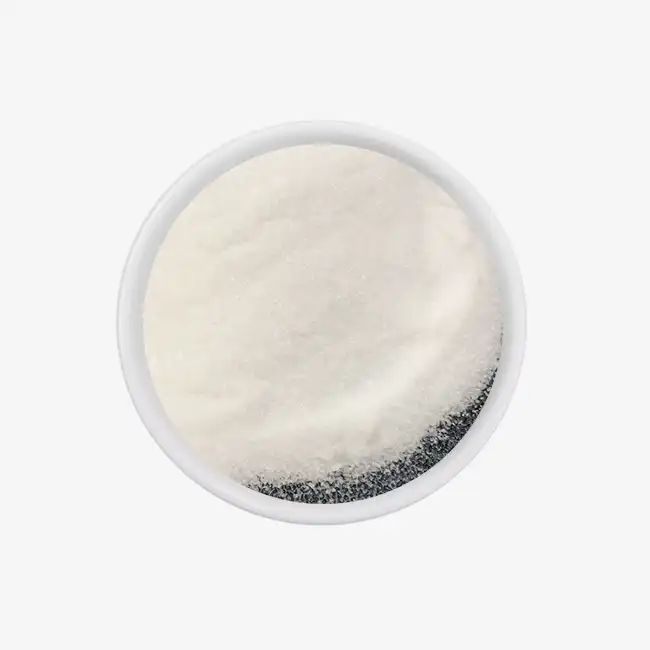
Procurement Guide: Selecting and Buying Potassium Acetate for Melting Applications
When buying materials for deicing, it's important to carefully look at the product specs, the supplier's skills, and the total cost. Knowing about these things helps procurement managers get supplies that are reliable and meet operational needs.
Key Product Specifications to Verify
When used for deicing, good potassium acetate should be at least 98% pure to make sure it always works right. The material should have a low moisture level (less than 1%), and it should have anti-caking agents to keep it from sticking together while it's being stored. To keep the non-corrosive benefit, the chloride level must stay low (below 0.03%). For each output batch, purchasing managers should ask for certificates of analysis that list these factors.
Supplier Qualifications and Certifications
Reliable manufacturers use ISO 9001 quality management systems to ensure that production standards for snow melting solid potassium acetate are consistently maintained. Environmental certifications such as ISO 14001 demonstrate a supplier’s commitment to sustainable manufacturing practices and responsible chemical production. Suppliers serving industries such as aviation, transportation infrastructure, and other critical applications often hold additional certifications that verify their materials are suitable for demanding operating environments. Manufacturers with decades of experience producing acetate-based deicing materials can provide valuable technical support, application guidance, and quality assurance to help customers achieve the best performance from snow melting solid potassium acetate products.
Shanxi Zhaoyi Chemical is an example of this type of experienced manufacturer. With more than thirty years of acetate production experience and an annual capacity of 150,000 tonnes, the company provides reliable supply solutions for snow melting solid potassium acetate applications. Its ISO, KOSHER, and HALAL certifications demonstrate a strong commitment to product quality, manufacturing consistency, and compliance across various global markets. Through advanced production processes, strict quality control, and professional technical support, experienced suppliers help customers achieve efficient snow removal, improved safety, and long-term operational reliability.
Understanding Bulk Pricing and Supply Chain Logistics
Acetate-based deicers usually cost more per unit than rock salt, but they are worth it because they work better and protect infrastructure. When you do a total cost study, you should include the costs of fewer applications, longer times of effectiveness, and not having to fix infrastructure. Supply problems are caused by seasonal patterns in demand, so early planning for purchases is very important. When demand is high in the winter, suppliers who keep safety stock can meet urgent needs. Different ways of using and storing the goods can be accommodated by flexible packaging options, such as 25 kg bags and 1000 kg ton-bags.
Building Reliable Supplier Relationships
Long-term relationships with trustworthy providers make sure that you can get professional help, help with applications, and quick customer service. Manufacturers that give consultations 24 hours a day, 7 days a week, help solve operating problems fast. Clear lines of contact and written quality control procedures boost trust in the supply chain during winter repair periods.
Application Best Practices for Using Potassium Acetate Deicer on Transportation Roads
Using and handling potassium acetate correctly is important for making sure it works well, stays safe, and doesn't harm the environment. Maintenance workers can get the best results by following set procedures.
Storage and Handling Requirements
Potassium acetate is hygroscopic, which means it takes in water from the air. Keeping things in dry, well-ventilated buildings away from heat and humidity keeps them from activating too soon. When stored for a long time, a sealed package keeps the product's purity. Material should be kept away from things that don't go with it, and the tools used to handle it should be kept clean to avoid contamination. These ways of storing keep the fluid qualities that are needed for even spreading with mechanical spreaders.
Application Rates and Spreading Techniques
How much to dose relies on the temperature of the ground, the thickness of the ice, and the amount of traffic. The amount usually used is between 50 and 150 grams per square metre, which is a lot less than what is needed for rock salt. Less material is needed to get better results, thanks to the quick dissolution of snow melting solid potassium acetate(CAS NO.: 127-08-2) in snow. Even distribution across traffic lanes is made possible by spreader equipment that has been calibrated. Pre-wetting solids makes them stick to ice better at first, which speeds up the melting process.
Safety Protocols for Personnel
When working with pure potassium acetate, people should wear the right safety gear, like gloves and eye protection. The substance is not as harmful as chloride salts, but it should still be kept away from the skin as much as possible. During loading and application, standard chemical safety procedures must be followed. Material safety data sheets give detailed instructions on how to handle an accident.
Integration with Winter Maintenance Programs
Potassium acetate works well as both a primary deicing solution and as part of a larger plan for winter care. By using anti-icing products before it rains, ice bonding can be avoided. When you use both mechanical snow removal and targeted chemical application, you use less material overall. Monitoring systems for the weather help maintenance supervisors time tasks so that they work best.
Environmental Compliance Considerations
Some local laws may say what kinds of deicing materials are okay to use near water sources, wetlands, or protected areas. Because potassium acetate breaks down naturally, it can be used in places that are concerned about the environment and can't use chloride. The right application rates keep road safety goals in mind while preventing too much acetate loading in drainage systems.
With these best practices, transportation repair teams can get the most out of potassium acetate while also keeping workers, equipment, and the environment safe.
Case Studies and Performance Validation of Potassium Acetate Deicing
Applications in the real world show that potassium acetate is useful in a variety of winter care situations. Transportation agencies in North America and Europe have shown that acetate-based deicing programs improve performance and save money.
Airport Runway Applications
Major international airports require deicing solutions that protect critical aircraft systems while maintaining safe and reliable operations. Snow melting solid potassium acetate provides excellent compatibility with sensitive aviation materials, as aluminium structures and carbon brake components show minimal corrosion when exposed to potassium acetate, meeting strict aircraft material protection requirements. Runway maintenance teams report that snow melting solid potassium acetate can remove ice quickly while maintaining surface friction levels for a longer period compared with many traditional deicers. Its reliable performance across both extremely low and fluctuating temperatures allows airport operations to continue during severe winter weather conditions. With advantages including rapid ice melting, low corrosion, environmental compatibility, and strong runway safety performance, snow melting solid potassium acetate has become an effective choice for airport runways, taxiways, and other critical aviation infrastructure.
Bridge and Overpass Protection
Transportation departments that are in charge of maintaining old bridges have started potassium acetate programs to slow down the rate of damage. Monitoring data from buildings that have been treated shows that chloride is not penetrating the concrete decks as deeply as it was in areas that had conventional salt treatment. These protection benefits make things last longer and put off expensive repairs. Non-corrosive acetate chemistry is especially helpful for deicing historic bridges that need to be done carefully.
Performance Data and Metrics
Laboratory tests have shown that potassium acetate can lower the freeze point of a wide range of temperatures. Field data show that melt rates are much higher than those of regular deicers. Statistics on traffic safety from places that use acetate-based systems show that accidents happen less often in the winter. Studies of maintenance costs show that even though the prices of materials go up, the overall costs of the program go down because applications are used less often and the infrastructure is protected.
Long-Term Infrastructure Benefits
Traditional deicing salts break down concrete, which leads to ongoing maintenance problems and, eventually, structural failures. This way of damaging things is stopped by potassium acetate, which protects infrastructure investments over many years of use. Corrosion-free reinforcing steel and structural elements mean that assets last longer and don't need to be replaced as often. These long-term economic gains make it worth it for bodies in charge of important transportation infrastructure to pay more for materials.
Potassium acetate is a better deicing option that has measured safety, performance, and cost benefits across a wide range of winter maintenance tasks, as shown by evidence from practical programs.
Conclusion
Deicing solutions for transport infrastructure need to balance immediate safety requirements with long-term asset protection and environmental responsibility. Snow melting solid potassium acetate(CAS NO.: 127-08-2) meets these complex demands through excellent low-temperature performance, non-corrosive chemistry, and a more environmentally friendly profile. As a reliable snow melting solid potassium acetate solution, it can break the bond between ice and pavement at temperatures where conventional salts become ineffective, making it highly valuable for airport runways, bridge decks, highways, and high-traffic transportation areas. Although the initial material cost of acetate-based deicing products may be higher than traditional alternatives, snow melting solid potassium acetate provides better long-term cost efficiency through reduced application rates, extended infrastructure service life, lower corrosion-related maintenance expenses, and improved environmental compliance. When developing winter maintenance strategies, procurement managers and engineering teams should consider potassium acetate as a preferred deicing material for applications where operational performance, infrastructure protection, sustainability goals, and regulatory requirements are critical.
FAQ
What temperature range makes potassium acetate more effective than rock salt?
Around -7°C, rock salt stops melting ice, but potassium acetate works exceptionally well down to -30°C and even at even lower temperatures. This wider operating range is very important when it's very cold outside, and regular deicers don't work at all.
Does potassium acetate damage concrete or vegetation?
Potassium acetate doesn't corrode, so it protects building materials like concrete and plants from damage caused by chloride salts. Soil bacteria break down the acetate ion naturally, so it doesn't build up in environments. This means that it is safe for plants growing next to roads and groundwater sources.
How should potassium acetate be stored to maintain effectiveness?
Because this material absorbs water, it needs to be kept in sealed containers in dry, well-ventilated warehouses. The product absorbs water and turns into liquid salt too quickly when it is exposed to air humidity, which shortens its shelf life and makes it less useful for its intended purpose.
Can potassium acetate work as a preventive anti-icing treatment?
Putting potassium acetate on sidewalk surfaces before it rains or snows stops ice from sticking together. This preventative approach usually works out cheaper than reactive deicing because it uses less material and keeps the roads in better shape during winter weather events.
Partner with Zhaoyi Chemical for Superior Winter Road Solutions
Zhaoyi Chemical has all the answers that transport officials and repair contractors need to find reliable snow melting solid potassium acetate suppliers. Our manufacturing experience includes more than 30 years of making acetate. We guarantee uniform quality through ISO-certified methods and strict quality control. The annual production capacity of 150,000 tonnes guarantees a steady supply during the busiest winter months. Technical support teams help with applications by giving advice that is specific to the climate and infrastructure needs.
We know that buying things involves more than just looking at the specs of the materials. It also involves picking a supplier based on their dependability, technical knowledge, and quick service. Because we have long-term relationships with foreign logistics companies, we can offer cheap shipping rates and flexible delivery times. Get in touch with our team at sxzy@sxzhaoyi.com to talk about your winter maintenance needs and get detailed technical specifications, application suggestions, and competitive quotes from a snow melting solid potassium acetate manufacturer that wants to support safer, more sustainable transportation infrastructure.
References
1. Transportation Research Board. "Winter Maintenance Technologies and Environmental Impacts." National Academy of Sciences, 2022.
2. American Society of Civil Engineers. "Sustainable Deicing Alternatives for Transportation Infrastructure." ASCE Journal of Cold Regions Engineering, 2021.
3. Environmental Protection Agency. "Assessment of Chloride Impacts from Deicing Salt on Surface Water Quality." EPA Office of Water, 2023.
4. Airport Cooperative Research Program. "Aircraft and Airfield Deicing and Anti-icing Chemical Performance Standards." Federal Aviation Administration, 2020.
5. Pacific Northwest Snowfighters Association. "Acetate-Based Deicers: Performance Evaluation and Application Guidelines." PNSF Technical Report, 2022.
6. International Bridge, Tunnel and Turnpike Association. "Corrosion Prevention Strategies for Transportation Infrastructure." IBTTA Research Report, 2021.

USER EVALUATE
Here is the customer's evaluation of us