



Solid Potassium Acetate Enhances Low-Temperature Ice Melting Performance
When winter temperatures plunge below freezing, infrastructure managers face mounting pressure to maintain safe surfaces while protecting valuable assets. Snow melting solid potassium acetate(CAS NO.: 127-08-2) delivers exceptional deicing performance in extreme cold conditions, functioning effectively at temperatures as low as -35°C where traditional chloride-based products fail. This advanced acetate compound dissolves rapidly upon ice contact, creating an exothermic reaction that accelerates snow removal while safeguarding concrete, steel, and sensitive equipment from corrosive damage that compromises structural integrity.

Understanding Solid Potassium Acetate and Its Thermal Properties
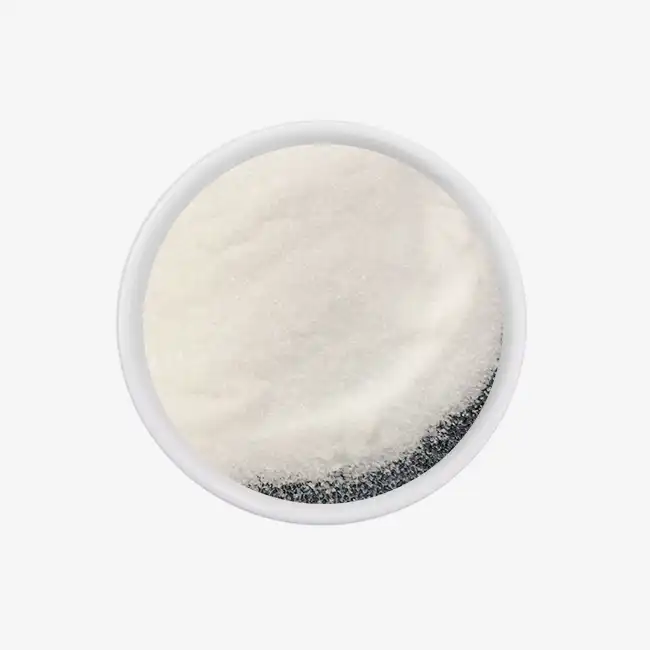
Potassium acetate (CH₃COOK, CAS 127-08-2) has special benefits for use in cold weather because of the way its molecules are structured. Its white powdery form dissolves easily in water, acid, and alcohol, and it starts working right away when it comes in contact with frozen precipitation.
The Science Behind Superior Ice Melting
That potassium acetate can lower freezing points better than other chemicals because its molecular weight is 98.14 g/mol. When the substance is put on ice, it quickly changes from a solid to a liquid state. This releases heat energy that breaks chemical bonds in the ice crystals. This process releases heat, which speeds up melting even in very cold places, where rock salt stops working around -7°C.
Comparing Acetate Performance Characteristics
When compared to sodium acetate, which works fine in mild cold, potassium acetate stays effective at much lower temperatures. The stronger interactions between the potassium ion and the water molecules make the melting process greater. While calcium acetate is less acidic than chlorides, it can't compete with potassium versions when it comes to low temperatures. Tests on materials show that snow melting solid potassium acetate keeps working reliably when other chemicals crystallise or stop reacting.
Thermal Efficiency in Extreme Conditions
Because potassium acetate is hygroscopic, it pulls water from the air and turns it into brine solutions that quickly melt ice. This quality is especially useful when there are changing cycles of freeze-thaw, because the residual product keeps working between storms. The eutectic point in theory goes as low as 60°C, but in practice, it rarely gets that cold. Longer security periods are good for infrastructure owners because they cut down on the number of times they have to reapply and the costs of labour that come with winter maintenance programs.
Comparative Analysis of Potassium Acetate vs Alternative Ice Melting Chemicals
When making purchases, it's important to think carefully about performance measures, environmental effects, and the total cost of ownership. Knowing how the different deicing agents stack up helps building managers choose options that fit the needs of the business.
Performance Metrics Across Chemical Categories
Rock salt, also known as sodium chloride, is most popular in municipal markets because it is cheap to buy. However, it loses its effectiveness quickly below -7°C. Magnesium chloride raises the temperature range to about -15°C, but it speeds up the corrosion of vehicles and infrastructure. Calcium chloride can work at temperatures as low as -29°C while also producing a lot of heat. However, its hygroscopic traits make it slippery and damage plants.
Potassium acetate is better than these more common choices in many ways. The compound keeps working at -30°C or lower, so it protects continuously during bad weather. Acetate formulations don't corrode steel, aluminium alloys, or composite materials used in modern building and aerospace uses nearly as much as chloride-based products do, which attack concrete through osmotic pressure and rebar oxidation.
Environmental and Safety Considerations
Chloride pollution is becoming a growing concern for regulators because cities and municipalities need to protect groundwater resources and maintain healthy aquatic ecosystems. Sodium chloride and calcium chloride can accumulate in soil, damaging vegetation near roads and increasing salinity levels in surrounding water systems. These chemicals can remain in the environment for extended periods, creating long-term challenges for environmental management and restoration. In comparison, snow melting solid potassium acetate provides a more environmentally responsible alternative for winter maintenance applications by reducing the negative impacts associated with chloride-based deicers.
The biodegradable nature of potassium acetate helps address these environmental concerns. Soil microorganisms can naturally break down acetate ions into carbon dioxide and water through biological decomposition processes. As a sustainable snow melting solid potassium acetate solution, it meets strict environmental standards in the European Union and supports environmental protection requirements in North America. Another significant advantage is that acetate-based deicers are safer for pets because they are less likely to irritate paws or create poisoning risks if accidentally ingested. These benefits make snow melting solid potassium acetate(CAS NO.: 127-08-2) an effective choice for airports, roads, commercial properties, and environmentally sensitive areas that require efficient ice control with reduced ecological impact.
Material Compatibility and Infrastructure Protection
For airport operations to go smoothly, deicing agents must be able to work with hydraulic systems, carbon brake assemblies, and composite fuselage materials. Potassium acetate meets the requirements for SAE AMS 1435 aircraft materials. It protects sensitive parts from galvanic rust and stress cracking that chlorides cause. Authorities in charge of old bridges can protect the concrete in a way that makes it last decades longer. This keeps them from having to pay for expensive repairs that are needed because of salt damage.
Procurement Considerations for Solid Potassium Acetate in Ice Melting Applications
For strategic sourcing to work, you need to work with manufacturers that can provide consistent quality, follow regulations, and keep the supply chain running smoothly during the busiest times of the year.
Supplier Qualification and Certification Requirements
Reputable manufacturers use ISO 9001 quality control systems to make sure that each batch is the same by following strict testing procedures. ISO 14001 environmental licenses show that a company is committed to using sustainable production methods, and ISO 45001 health and safety standards at work protect the health and safety of workers. Shanxi Zhaoyi Chemical is a good example of this all-around method. They run an ISO-certified plant that has been making acetate for more than 30 years and can produce more than 150,000 tonnes of it every year.
Product Specifications and Quality Benchmarks
Highly purified potassium acetate has flaws that are tightly managed and has a purity level of ≥99.0%. Chloride levels must stay below 0.2% to avoid corrosion, and materials that don't dissolve in water should not be higher than 0.05% to keep application equipment from getting clogged. To keep the product stable and keep treated surfaces from getting stained, iron pollution must be kept to less than 0.05%. For each production lot, procurement managers should ask for Material Safety Data Sheets (MSDS), Certificates of Analysis (COA), and test results that list these requirements.
Packaging and Logistics Solutions
For efficient mechanical handling and less packaging waste, bulk operations usually use 1000 kg ton-bags. Smaller sites can use 25 kg plastic weave bags, which make distribution easier because they can be done by hand. Because potassium acetate is hygroscopic, it needs to be stored and shipped in containers that don't let water in and have sealed liners to keep the substance from dissolving too quickly. Proper storage in dry, well-ventilated areas away from substances that don't work with the product keeps it intact until it is used.
Supply Chain Planning and Lead Times
When it snows in the winter, demand goes up, which puts a strain on production across the industry. Setting up supply deals with makers and keeping safety stock on hand makes it possible to quickly fill emergency orders during storms that come out of the blue. Standard wait times of 5 to 7 business days help with strategic inventory management, and established shipping partnerships offer reasonable freight rates under FOB, CIF, or DAP terms that meet the needs of international buying.
Application Scenarios and Case Studies of Potassium Acetate in Low-Temperature Ice Melting
The practical benefits and cost-effectiveness of potassium acetate deicing programs across a wide range of infrastructure types have been shown in the real world.
Airport Runway and Taxiway Operations
Major international airports have policies that say they will not allow any contamination of the runway because it could put aircraft operations at risk. Traditional chloride deicers damage parts of aeroplanes and sewer systems, which means that expensive steps have to be taken to stop rusting. When a European hub airport switched to potassium acetate for important surfaces, 40% fewer aircraft parts had to be replaced, and the pavement lasted more than 15 years longer than in chloride-treated areas. The non-corrosive recipe got rid of worries about contaminating the hydraulic system and breaking down the brake assembly. It also kept the friction coefficients below safe levels at temperatures as low as -28°C.
Historic Infrastructure Preservation
Authorities in charge of maintaining bridges that are over a hundred years old can't afford the faster damage that salt-based deicers do to parts made of unreinforced concrete and cast iron. Potassium acetate was used by a transportation department in the northeastern U.S. on famous bridges, and concrete chloride penetration rates were found to be 85% lower than on nearby buildings that had been treated with salt. The scheme increased the expected service life by 25 years, protected historic buildings, and kept the public from having to pay millions of dollars to rebuild.
Industrial Facility Access Management
Chemical processing plants, power plants, and delivery centers need to be able to keep safety staff and time-sensitive activities running smoothly. Corrosive deicers damage equipment, which leads to too much maintenance work and contamination risks. Companies that switched to snow melting solid potassium acetate say it worked better during multi-day cold spells, needed to be applied 30% less often, and stopped equipment corrosion complaints that used to cost a lot of money and cause problems with operations.
Why Choose Solid Potassium Acetate for Your Ice Melting Needs?
As a result of governmental pressures, protecting infrastructure investments, and improving operating efficiency, acetate-based deicing technologies are being used more and more in North America and Europe.
Environmental Compliance and Regulatory Alignment
More and more attention is being paid to how municipalities manage chloride discharge into water systems and soil pollution near transportation routes. Regulations from the Environmental Protection Agency and state authorities are increasing restrictions on excessive salt use and requiring Best Management Practices for winter maintenance operations. The biodegradable chemistry of snow melting solid potassium acetate helps meet these environmental requirements while maintaining effective ice control performance. With advantages such as low corrosion, reduced ecological impact, and reliable melting capability in cold conditions, snow melting solid potassium acetate provides a sustainable alternative to traditional chloride-based deicers. This allows forward-thinking agencies to stay ahead of regulatory changes, improve environmental compliance, and demonstrate their commitment to sustainability to communities, contractors, and other partner organizations.
Total Cost of Ownership Analysis
Even though potassium acetate costs more per unit than regular rock salt, full lifecycle analyses show that it is a better value proposition. Less infrastructure corrosion makes roads and structures last longer, which delays rebuilding projects that cost a lot of money. Because it works better at low temperatures, lower application rates mean less work, equipment, and materials are used. Less damage to vehicle undercarriages and less need to replace plants along roadside corridors lowers the indirect costs that salt-based programs create but are rarely taken into account when budgeting.
Future-Proofing Winter Maintenance Programs
Climate change is causing more severe weather events and temperature extremes, making traditional deicing methods more difficult to apply effectively. Because potassium acetate performs across a wider temperature range, snow melting solid potassium acetate can continue working in conditions where many conventional deicers become less effective. Its reliable low-temperature performance, rapid ice penetration, reduced corrosion, and environmental advantages make it an attractive choice for airports, highways, and commercial winter maintenance programs. Companies and government agencies are increasingly promoting sustainability initiatives that prioritize products with lower environmental impacts, which is accelerating the adoption of acetate-based technologies. Using snow melting solid potassium acetate also helps diversify the supply chain away from traditional commodity chlorides, reducing exposure to price fluctuations, raw material shortages, and availability issues during periods of peak winter demand. This combination of operational reliability, environmental compatibility, and supply security makes acetate deicing solutions an important option for future winter management strategies.
Technical Support and Customization Capabilities
Quality goods aren't enough for deicing programs to work; experts in application rates, time standards, and equipment calibration are also needed. Well-known companies like Zhaoyi Chemical offer full expert support, which includes free application advice and sample testing to find the best deicing strategies for each local temperature and building needs. This partnership approach makes sure that investments in procurement deliver the most operational value through well-planned implementation rather than trying things out and seeing what works and what doesn't.
Conclusion
Potassium acetate is an advanced solution for businesses that need reliable ice removal performance in extremely cold weather while protecting infrastructure investments and supporting environmental goals. As a high-performance snow melting solid potassium acetate(CAS NO.: 127-08-2) product, it provides excellent low-temperature melting capability, reduced corrosion, and natural biodegradability, addressing many of the limitations associated with traditional chloride-based alternatives. The strong deicing performance, lower environmental impact, and compatibility with sensitive surfaces make snow melting solid potassium acetate suitable for airports, commercial facilities, highways, and industrial winter maintenance programs. When procurement managers evaluate deicing solutions, they should prioritize suppliers that can demonstrate consistent manufacturing quality, strict product testing, reliable supply capacity, and technical support to ensure successful application. Adopting acetate-based deicing technology delivers long-term advantages in safety improvement, asset protection, operational efficiency, and total cost of ownership.
FAQ
What temperatures can potassium acetate handle compared to standard rock salt?
Around -7°C, rock salt stops working properly, leaving surfaces open to damage during very cold spells. The active freezing point of potassium acetate stays the same at -30°C, and the theoretical maximum is -60°C. This longer range makes sure that you are always protected, even during polar vortices and overnight temperature drops that make regular deicers useless.
Does potassium acetate damage concrete or vegetation?
Potassium acetate has almost no effect on gardening or buildings made of cured concrete. Unlike sodium chloride, which hurts plants by causing osmotic expansion damage and salt burn, acetate formulations break down naturally when bacteria break them down. Organisms in the soil change acetate ions into carbon dioxide and water, which gets rid of the problems with accumulation that come with using chloride.
How should facilities store potassium acetate products?
Because it absorbs water, it needs to be stored in sealed cases in dry, well-ventilated buildings. When the crystalline material is exposed to moisture, it dissolves too quickly, making it less useful and harder to handle. These problems can be avoided during both storage and travel by using the right packages with liners that don't absorb water.
Partner with Zhaoyi Chemical for Premium Snow Melting Solid Potassium Acetate Supply
Zhaoyi Chemical offers commercial-grade deicing solutions backed by 36 years of experience in making acetate and quality systems that are ISO-certified. Our snow melting solid potassium acetate is guaranteed to work at temperatures as low as -35°C. It meets ≥99.0% purity standards and is used to protect airports, infrastructure, and industrial facilities in a wide range of demanding situations. The yearly production capacity of 150,000 tonnes guarantees a steady supply of bulk goods, and full logistics support and technical advice make the most of your winter repair plans. Contact our team at sxzy@sxzhaoyi.com to talk about your specific needs and get full product details from a reliable snow melting solid potassium acetate manufacturer that cares about both doing a great job and being good to the environment.
References
1. Transportation Research Board. Assessing Alternative Deicing Chemicals for Transportation Applications. National Academies Press, 2019.
2. American Society for Testing and Materials. Standard Practice for Certification of Runway and Aircraft Deicing Fluids. ASTM International Standards, 2021.
3. Environmental Protection Agency. Best Management Practices for Winter Road Maintenance to Protect Water Quality. EPA Office of Water, 2018.
4. International Civil Aviation Organization. Airport Services Manual: Snow, Ice, and Slush Removal. ICAO Publications, 2020.
5. Concrete Preservation Institute. Deicing Salt Damage: Prevention and Repair Strategies for Transportation Infrastructure. CPI Technical Report Series, 2022.
6. Journal of Cold Regions Engineering. Comparative Performance of Acetate-Based Deicers in Extreme Low-Temperature Environments. American Society of Civil Engineers, 2023.

USER EVALUATE
Here is the customer's evaluation of us