



Can Potassium Acetate Deicer Reduce Infrastructure Corrosion?
Deicing solid potassium acetate(CAS NO.: 127-08-2) significantly reduces infrastructure corrosion compared to traditional chloride-based deicers. This acetate-based formulation (CH3COOK) operates through a non-chloride melting mechanism that protects steel reinforcements, concrete surfaces, and metallic components from the aggressive electrochemical reactions typically caused by sodium chloride and calcium chloride. Independent corrosion testing demonstrates that potassium acetate exhibits minimal corrosive activity on aluminum alloys, carbon steel, and reinforced concrete—making it the preferred choice for airports, bridges, and critical infrastructure where material integrity directly impacts safety and operational longevity.
Introduction
Winter upkeep is always hard because it's hard to keep roads, runways, and bridges safe while also keeping their structural stability. Traditional deicers like rock salt and chloride have ruled the market because they work well and don't cost much up front. But the secret costs—faster steel rust, worsening concrete, and pollution of the environment—are becoming more and more important than the benefits. Now, city governments, highway repair companies, and airport managers are looking for options that protect infrastructure while still melting snow.
This in-depth study looks at potassium acetate as a useful deicing agent, with a focus on protecting against corrosion. We look at its chemical makeup, see how it works compared to other deicers, and give you tips on how to use it in real life. This guide is made for B2B procurement workers who are in charge of maintaining infrastructure. It helps them make smart buying choices by focusing on safety standards, environmental compliance, performance metrics, and long-term cost savings.
Understanding Potassium Acetate Deicer and Its Chemical Properties
Molecular Composition and Physical Characteristics
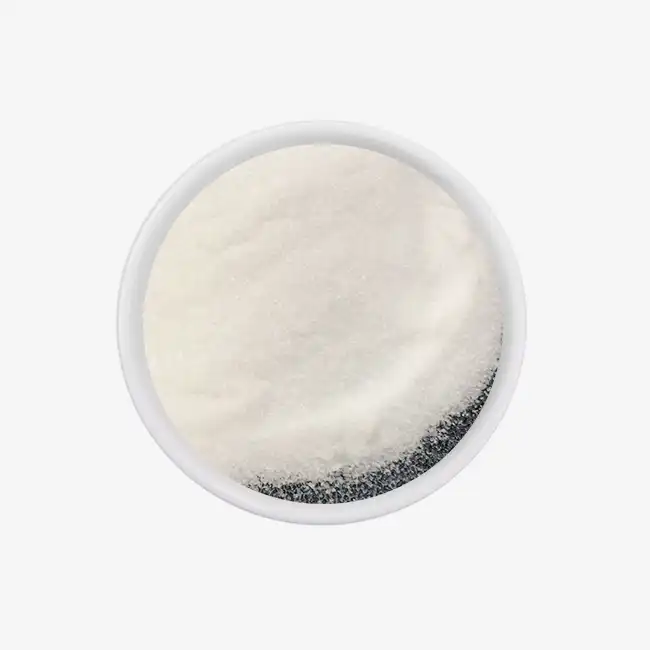
Potassium acetate, which has the CAS number 127-08-2, is a white crystalline powder with the chemical formula CH₃COOK and a molecular weight of 98.14, making it an important material for deicing solid potassium acetate applications. This compound dissolves easily in water, acid, and alcohol, allowing deicing solid potassium acetate products to melt snow and ice quickly and provide effective ice control performance. Unlike hygroscopic calcium chloride, which absorbs and retains moisture, potassium acetate maintains good flowability during storage in humid environments when it is properly packaged. Its low corrosion characteristics, high solubility, and environmental advantages make it suitable for airport runways, highways, and industrial winter maintenance operations.
The eutectic point of deicing solid potassium acetate, which is the temperature at which the solution melts most efficiently, is approximately 60°C. It can continue working effectively at temperatures as low as -30°C, providing reliable snow melting performance in severe winter conditions. This operating temperature range is significantly better than that of sodium chloride, which becomes ineffective below -9°C. With advantages including rapid ice penetration, reduced corrosion, and improved environmental compatibility, deicing solid potassium acetate is widely used as a high-performance alternative for aviation, transportation infrastructure, and commercial snow removal applications.
Ice Melting Mechanism and Environmental Profile
The freezing point drops, and an exothermic breakdown process takes place, which melts the ice. When solid potassium acetate comes in contact with ice, it gives off heat and breaks up the hydrogen bonds that hold ice crystals together. Compared to endothermic salts, which take heat from objects around them, this two-step process speeds up the melting process.
Being responsible for the environment is a huge plus. Potassium acetate breaks down quickly and has a low Biological Oxygen Demand (BOD). This means that it doesn't use up oxygen in streams like urea-based deicers do. Testing shows that it is not very harmful to aquatic life, plants, and soil microbiomes. The acetate anion breaks down naturally through microbial processes, leaving behind potassium, which is an important plant nutrient that doesn't build up in a way that is harmful.
Storage and Handling Requirements
Product integrity is maintained throughout the operational season with proper storage. The things should be kept in buildings that are dry, well-ventilated, and away from sources of heat and water. Standard packaging includes 25 kg woven plastic bags and 1000 kg tonne bags, both of which are made to keep moisture out. Because it absorbs water, unused products keep working at their best for a year. When exposed to room temperature, resealing right away after use stops caking and makes sure that the fluid flows smoothly through the spreading equipment.
Infrastructure Corrosion: Causes, Risks, and the Role of Deicers
Chloride-Induced Corrosion Mechanisms
Through electrical processes, traditional deicing salts speed up the breakdown of infrastructure. When sodium chloride or calcium chloride breaks down, it releases chloride ions that can get through the holes in concrete and reach the steel supports that are buried in it. These ions damage the steel's passive oxide layer, which starts oxidation reactions that turn solid metal into rust. The iron oxide that is made takes up more space than the steel it came from, which creates pressure inside the concrete that breaks it apart from the inside.
The decks of bridges are especially at risk. Combining repeated freeze-thaw cycles with salt exposure leads to flaking, scaling, and delamination, which lowers the structure's ability to hold weight. In northern regions, highway overpasses usually need to be fixed or replaced within 20 to 30 years, which is a lot less time than the 50 to 75 years that they were meant to last. This is mostly because chloride causes rust.
Comparative Corrosion Performance Data
According to ASTM G31 guidelines, scientific testing shows that different deicer formulations have significant differences in corrosion performance. Within normal operating conditions, sodium chloride can corrode carbon steel at a rate of 15 to 25 mils per year. Calcium chloride is even more aggressive, reaching 20 to 30 mils per year because it remains liquid at lower temperatures and can extend the duration of chemical exposure. In comparison, deicing solid potassium acetate(CAS NO.: 127-08-2) provides a lower-corrosion solution for winter maintenance applications, helping protect metal infrastructure, airport equipment, and transportation systems.
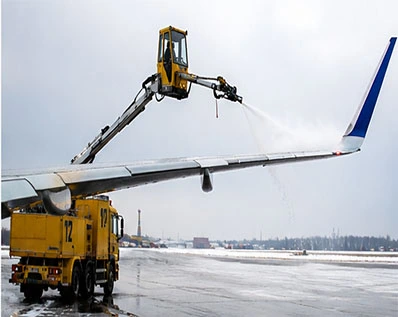
Potassium acetate has very low corrosivity, with measurements on the same steel samples typically remaining below 2 mils per year. The performance of deicing solid potassium acetate meets the requirements for non-corrosive runway deicing applications, including SAE AMS 1431 compliance verified through testing on aluminium alloys commonly used in aircraft landing gear and airport infrastructure. ASTM C672 concrete scaling resistance tests also demonstrate that acetate-based formulas cause significantly less surface damage than chloride salts, which can remove protective surface layers within a single season. These advantages make deicing solid potassium acetate a preferred choice for airports, highways, and critical infrastructure where corrosion protection, environmental safety, and long-term durability are important.
Long-Term Infrastructure Cost Implications
Corrosion costs money in more ways than just destroying materials. A study by the Midwest Transportation Department found that over the life of a bridge, every dollar spent on chloride deicers leads to repair costs that are about four dollars higher. Deck replacements that happen too soon, restoring steel reinforcements, and fixing concrete use up maintenance funds and slow down traffic while repairs are being done.
This business equation changes when acetate-based deicing methods are used. Even though the cost of the material per pound is higher than that of regular salt, the prevented corrosion damage, longer infrastructure lifespan, and lower regularity of repairs result in net cost savings when planned over multiple years. More and more, people who work in procurement know that total cost of ownership, not just unit price, is the more important metric.
Best Practices for Applying Solid Potassium Acetate to Minimize Corrosion
Dosage Recommendations by Surface Type
Rates of application depend on the surface material, the thickness of the ice, and the temperature of the area. For frost protection and light ice, airport runways need 50 to 100 grams per square metre. For heavy buildup, they need 150 to 200 grams per square metre. Before it rains, 75 to 125 grams per square metre of pre-treatment is applied to highway bridges. This lowers the total yearly use through proactive anti-icing tactics.
For parking garages with steel that can be seen, smaller concentrations—about 60 to 90 grams per square meter—are needed to melt the metal while keeping structural parts from being exposed to too much chemical. Even spreading with no waste is made possible by calibrating spreader tools. Today's application technology lets GPS-guided variable rate spreading change the dose based on sensors that measure the temperature of the pavement and data from weather forecasts.
Storage Protocols and Product Preservation
Keeping the chemical integrity during storage protects your investment and makes sure that the product always works as it should. To keep moisture from absorbing and caking, warehouses should keep the relative humidity below 65%. When you stack pallets with enough space between them, air can flow, and bags won't get damaged from being squished together. Standard first-in, first-out rules are used for inventory rotation to use older stock before getting newer supplies.
Changes in temperature don't affect the stability of potassium acetate as much as they do liquids, which can split or crystallise when it gets cold. The solid granular form doesn't break down when the temperature changes from -20°C to 40°C. Bags that show signs of water getting inside should be packed right away or put on a priority usage list.
Equipment Specifications and Application Techniques
Spreading tools need to be calibrated to work with potassium acetate's particle size distribution and density. Standard road salt spreaders work well as long as the gate openings and spinner speed are tweaked a bit. Pre-wetting with a liquid potassium acetate solution lowers bounce and scatter during application, which makes coverage 15–25% better than when spreading it dry.
People who work with the substance should wear basic safety gear like gloves and eye protection. However, potassium acetate formulations are not as harmful to health as caustic chloride formulations. If the pH is between 9 and 11, it means that the chemicals need to be handled with normal care. The material doesn't leave behind any leftovers that stick to equipment surfaces, so all that needs to be done to clean up is a simple water wash.
Evaluating Potassium Acetate Against Other Deicing Solutions for B2B Procurement
Performance Comparison Across Temperature Ranges
Different deicer chemicals melt ice through different mechanisms and provide different levels of performance. Between 0°C and -9°C, sodium chloride works effectively in moderate winter conditions, but its melting ability decreases rapidly as temperatures continue to fall. Calcium chloride expands the operating range to approximately -25°C through its exothermic dissolution process. However, this heat-releasing reaction can also accelerate corrosion on metal surfaces and increase maintenance costs. In contrast, deicing solid potassium acetate offers a reliable ice-control solution with lower corrosion risks and strong performance in demanding winter environments.
Potassium acetate provides consistent ice-melting performance from 0°C to -30°C, covering the temperature range commonly experienced during winter conditions in many regions of North America. Deicing solid potassium acetate works by reducing the freezing point of water and releasing heat during dissolution, allowing it to maintain effectiveness when traditional deicers perform poorly. Its ice penetration rate, which measures how quickly it breaks the bond between ice and pavement surfaces, is approximately 40% faster than that of sodium chloride under the same conditions. This faster reaction helps airports, highways, and industrial facilities remove ice more efficiently while potentially reducing the total amount of chemicals required. With advantages such as rapid melting action, low corrosion, environmental compatibility, and reliable low-temperature performance, deicing solid potassium acetate is widely used for advanced winter maintenance applications.
Environmental Compliance and Sustainability Metrics
To protect river environments, regulations are limiting chloride loading more and more. The U.S. Environmental Protection Agency says that chloride is a new pollutant that needs to be looked at. Several states have already put in place maximum concentration limits for surface water discharge. Facilities that work near important waterways are closely watched.
Potassium acetate meets the strict environmental standards set by the European REACH laws and the American ASTM standards for deicers that are safe for the environment. According to OECD 301B testing guidelines, it breaks down over 90% within 28 days. Not having heavy metals, cyanides, or lingering organic substances makes environmental permits easier and lowers the risk of being sued.
Green building standards are met by acetate-based deicing, which is good for businesses that want to get LEED certification or other sustainability awards. The material helps to reduce the types of damage to the environment while still meeting the safety standards required by operations.
Supplier Evaluation Criteria for Reliable Procurement
To choose the right chemical provider, you need to look at more than just the product specs. You also need to look at the company's business practices and service skills. As part of the quality assurance paperwork, there should be papers for each batch that confirm the CH3COOK content (≥99%), salt levels (≤0.2%), and water-insoluble matter (≤0.05%). These factors have a direct effect on how well melting works and how corrosion behaves.
When seasonal demand goes up during bad weather, production capacity is important. Manufacturers whose yearly production output is at least 150,000 tonnes show that they have the facilities to meet big city contracts without having to cut corners on allocations. Systematic quality management is proven by ISO 9001 certification. Environmental duty and worker safety are proven by ISO 14001 and ISO 45001 certifications.
Logistics skills determine whether or not a product gets to where it needs to go on time. Strong connections with global shipping networks and a range of packaging options, such as 25 kg bags for small businesses and bulk tanker loads for large cities, make it possible to meet a wide range of procurement needs. Technical support services, such as application training, help with calibrating equipment, and performance monitoring, help get the most out of your chemical investment.
Case Studies and Industry Insights: Potassium Acetate in Real-World Applications
Airport Operations: Enhanced Safety with Reduced Asset Degradation
Concerns about damage to the ground and pollution led a major international airport in the Great Lakes region to switch from urea-based runway deicing to potassium acetate formulas. Over the course of three winters, maintenance teams saw a 60% drop in incidents of concrete scaling and no more complaints from aircraft operators about aluminium corrosion. The environmental compliance officer at the airport said that tracking of surface water showed that nitrogen loading to nearby waterways dropped by 85%.
Along with maintaining infrastructure, operational metrics got better. Because of faster ice penetration, the average time it took to clear the runway dropped by 12 minutes per weather event. This meant that flights were on time more of the time and there were fewer delays. Better safety, protecting infrastructure, and caring for the environment made the big investment worth it because it had measurable operating benefits.
Urban Bridge Infrastructure: Extending Service Life Through Chemistry Selection
A state's transportation department started a trial program to use potassium acetate on twenty bridge decks that were known to be prone to rust because of their age and heavy traffic. Keeping an eye on test bridges that were treated with regular rock salt showed that there were observable changes between the two seasons. The amount of chloride ions in concrete samples from buildings treated with acetate was 40% lower than in control areas. This means that the ions could not penetrate as deeply, and rusting started more slowly.
A visual inspection showed that acetate-protected decks had only minor scaling and spalling, but control bridges showed progressive deterioration that needed patch repairs. An engineering study predicted that acetate-treated infrastructure would last an extra 15 to 20 years, which would save more than $8 million in future repair costs for the test program bridges.
Emerging Market Trends and Technology Integration
The deicing business is always moving toward more precise application methods that improve both performance and long-term viability. Anti-icing strategies, which involve using chemicals before it starts to rain, cut yearly use by 70–80% compared to reactive methods after a storm. Because it is stable and doesn't corrode, potassium acetate is perfect for pre-treatment tasks that leave protective film on road surfaces.
Adding smart infrastructure is another big step forward in progress. Pavement monitors that check the temperature and wetness of the surface set off automatic systems that apply the right amount at the right time. These technologies work best with acetate formulas because they stay useful at a lot of different temperatures and don't hurt if they're used too much sometimes.
The market for sustainable deicing alternatives is growing because people who make purchasing decisions are becoming more environmentally aware. When people ask cities and towns to lessen their impact on the environment, they find that acetate-based solutions meet both their practical needs and the needs of the community. Analysts in the industry think that the markets for non-chloride deicers will grow by 8–12% each year until 2030, as rules get stricter and protecting infrastructure becomes more important.
Conclusion
Corrosion of infrastructure from winter maintenance work is a big problem for both the economy and safety, and acetate-based deicing chemicals can solve it. When it comes to deicing solid potassium acetate(CAS NO.: 127-08-2) has been measured to have benefits over traditional chloride formulas. These include lower corrosion rates on steel and concrete, longer infrastructure service life, and better compatibility with the environment. The material works well in temperatures from 0°C to -30°C, it breaks down quickly, and it doesn't harm the environment. This makes it the best choice for buying workers who care more about the total cost of ownership than just unit price. As regulations tighten on chloride use and expectations for sustainability rise, acetate-based deicing strategies provide the performance, safety, and environmental responsibility that modern infrastructure maintenance needs.
FAQ
How does potassium acetate perform on different concrete types?
This substance, potassium acetate, works well with all types of concrete, such as air-entrained, high-strength, and polymer-modified mixes. The chemistry that doesn't contain chloride stops the strong ionic entry that breaks down regular concrete. According to ASTM C672 standards, testing shows that there isn't much scaling across different mix designs. This means that it can be used for both new construction and old infrastructure.
What is the ice-melting speed compared to rock salt?
Potassium acetate breaks through ice about 40% faster than sodium chloride when all other factors are equal (temperature, ice thickness, application rate). The exothermic dissolution gives off heat energy that speeds up the melting process, and the acetate ion breaks up the structure of the ice crystals. This speed edge means that application rates may be lower while clearing results are the same or better.
Does potassium acetate offer environmental advantages over traditional deicers?
Quite a bit. Acetate biodegrades naturally through microbial digestion within weeks of application, while chloride ions stay in the soil and waters for a long time. It is not very damaging to marine life, doesn't cause harmful algal blooms as nitrogen-based urea does, and it leaves behind potassium, which is a good plant food rather than a pollutant.
Partner with Zhaoyi Chemical for Superior Deicing Solutions
Shanxi Zhaoyi Chemical Co., Ltd. makes high-quality deicing solid potassium acetate that is made to protect infrastructure and be good to the environment. Our factory can produce up to 150,000 tonnes of goods every year, and we have ISO 9001, KOSHER, and HALAL standards to make sure that the quality is always high and that we follow all the rules. As a well-known supplier of deicing solid potassium acetate with more than thirty years of experience in the field, we offer full technical support, including advice on how to use our products, help with calibrating your equipment, and custom formulations for specific needs. Our global logistics network sends reliable supplies in 25 kg bags or 1000 kg tonne bags, depending on what you need. You can email our team at sxzy@sxzhaoyi.com to talk about buying in bulk, get product samples, or set up a technical meeting. We help people who work in buying come up with the best winter repair plans to protect infrastructure, cut costs in the long run, and meet sustainability goals.
References
1. Koch, G.H., Brongers, M.P.H., Thompson, N.G., Virmani, Y.P., and Payer, J.H. (2002). "Corrosion Cost and Preventive Strategies in the United States." Federal Highway Administration Report FHWA-RD-01-156.
2. Shi, X., Fay, L., Peterson, M.M., and Yang, Z. (2010). "Freeze-thaw Damage and Chemical Change of a Portland Cement Concrete in the Presence of Diluted Deicers." Materials and Structures, Vol. 43, pp. 933-946.
3. Levelton Consultants Ltd. (2007). "Guidelines for the Selection of Snow and Ice Control Materials to Mitigate Environmental Impacts." National Cooperative Highway Research Program Report 577, Transportation Research Board.
4. Fischel, M. (2001). "Evaluation of Selected Deicers Based on a Review of the Literature." Colorado Department of Transportation Report CDOT-DTD-R-2001-15.
5. Muthumani, A., Fay, L., Akin, M., Wang, S., Gong, J., and Shi, X. (2014). "Correlating Lab and Field Tests for Evaluation of Deicing and Anti-icing Chemicals: A Review of Potential Approaches." Cold Regions Science and Technology, Vol. 97, pp. 21-32.
6. Sohanghpurwala, A.A. (2006). "Manual on Service Life of Corrosion-Damaged Reinforced Concrete Bridge Superstructure Elements." National Cooperative Highway Research Program Report 558, Transportation Research Board.

USER EVALUATE
Here is the customer's evaluation of us