



Solid Potassium Acetate Supports Efficient Runway Ice Control
Airport winter operations must combine safety, efficiency, and environmental responsibility. The industry standard for runway ice management is airport runway solid potassium acetate, replacing older chemicals that can damage aircraft components and create environmental concerns. Airports in harsh winter conditions require this aviation-grade deicing agent, which remains effective at temperatures as low as -60°C. This crystalline compound biodegrades without releasing ammonia and helps protect aluminum, magnesium, and cadmium aircraft components, unlike urea or chloride-based salts. This solution addresses critical operational challenges, including maintaining high runway friction coefficients, extending infrastructure service life, and complying with strict EPA and FAA regulations for airfield chemical usage. As a result, procurement professionals are increasingly adopting it for reliable winter runway maintenance.
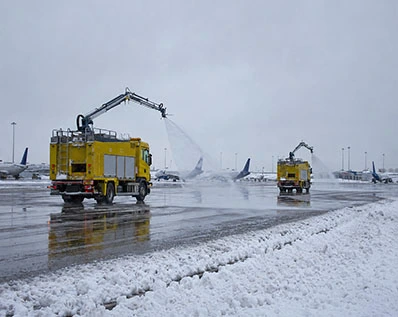
Understanding Solid Potassium Acetate for Airport Runway Deicing
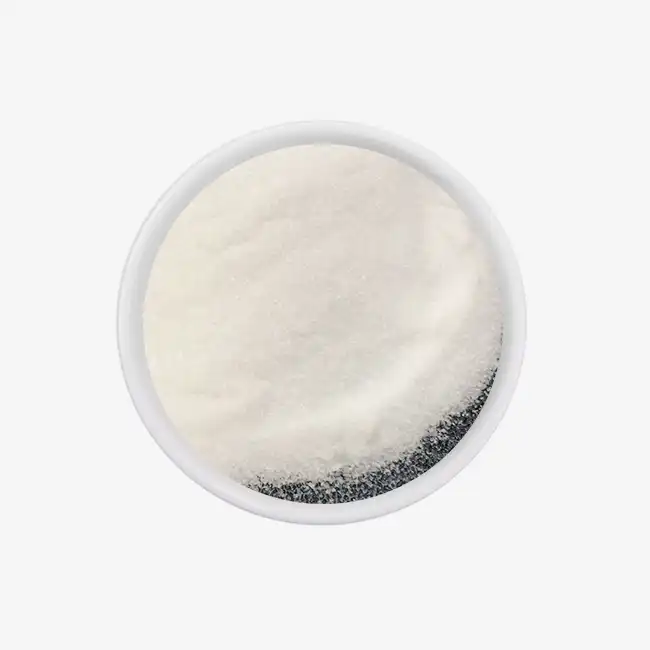
Effective runway deicing chemistry has changed significantly in recent decades. Airport runway solid potassium acetate (CAS 127-08-2, chemical formula CH₃COOK) advances aviation safety technologies. This white crystalline substance, having a molecular weight of 98.14 g/mol, dissolves easily in water and aggressively destroys ice-pavement interactions.
Chemical Properties That Drive Performance
The deicing process is exothermic. Solid granules create localized heat and lower the freezing point when they encounter ice. The improved particle size distribution (0.8-0.9 g/cm³) keeps granules on runway surfaces during jet blasts. This trait tackles a typical operational issue when lighter items disperse during aircraft movement, lowering efficacy and waste.
Aviation-grade formulations of airport runway solid potassium acetate include tight impurity controls and potassium acetate concentration above 99.0%. Less than 0.2% chloride and 0.05% water-insoluble compounds are required to ensure product purity. Trace chloride contamination may cause corrosion in delicate aviation metals; therefore, these standards are critical for maintaining runway safety and equipment reliability. A 15% solution is compatible with concrete and asphalt runway materials since its pH ranges from 9.0 to 10.5.
Environmental Advantages Over Legacy Products
Airfield chemical usage regulations have tightened. Airports' old urea-based deicers produce ammonia during biodegradation, causing aquatic toxicity. Calcium and sodium chloride spall concrete and damage landing gear hydraulics. Low-BOD solid potassium acetate biodegrades organically, limiting influence on water treatment systems and adjacent vegetation. This environmental profile helps airports pursue green certification, and facilities managers fulfill Clean Water Act discharge permit criteria.
The hygroscopic potassium acetate absorbs air moisture quickly, speeding up the melting. This characteristic is especially useful in borderline temperatures when other deicers fail to break ice.
Comparing Solid Potassium Acetate with Other Runway Deicing Chemicals
Understanding airport runway solid potassium acetate deicing agent performance in real-world operations is essential for procurement. Chemical solutions affect winter operations, maintenance budgets, and regulatory compliance.
Performance Benchmarking Against Alternative Solutions
Due to its low corrosion, urea dominated airport deicing markets for decades. Its effective temperature range is just -7°C, making it worthless during extreme winter conditions. Colder temperatures than urea's threshold shut down northern airports. Environmental worries about ammonia emissions have caused numerous authorities to ban airfield urea usage.
Calcium magnesium acetate (CMA) has comparable environmental advantages to potassium acetate but needs greater application rates to melt. Logistics expenses and application cycles rise with material quantities. CMA also shows slower penetration through heavy ice layers, prolonging runway safety restoration.
Glycol-based fluids function well at low temperatures but present problems. Applying liquid formulations to runway surfaces, especially capped pavements for water drainage, might run off. Runoff decreases stormwater coverage and increases environmental loading. Additional mechanical sweeping is needed because glycol leaves leftover coatings that diminish friction.
Total Cost of Ownership Considerations
Smart buying goes beyond first purchases. Airport runway solid potassium acetate grains cause brine pockets to undercut 6mm-thick ice and ease mechanical removal. Unlike chemicals that need several application passes, this minimizes equipment operating hours and personnel expenses. Runway lighting fixtures, pavement markings, and ground support equipment exposed to deicing runoff last longer with the non-corrosive composition.
Airports with consent decrees or discharge fines pay less for environmental compliance. The biodegradable profile reduces water treatment and helps facilities meet BOD and COD discharge limitations. Multi-year procurement cycles provide considerable operational savings.
Best Practices for Applying Solid Potassium Acetate on Airport Runways
Effective deicing requires more than choosing the correct chemical. Material efficiency, operational safety, and environmental results depend on the application approach. Airport operations staff have optimized solid potassium acetate compositions.
Calibrating Application Rates to Weather Conditions
Existing ice thickness, ambient temperature, precipitation intensity, and wind conditions affect material application rates. Application rates vary from 50 to 100 grams per square meter at -5°C to -15°C with ice buildup under 3mm. Extreme situations with temperatures below -20°C and ice over 5mm thick may need 150 grams per square meter.
Pre-wetting with airport runway solid potassium acetate improves high-wind performance. Solid granules and liquid potassium acetate solutions adhere to pavement surfaces immediately, reducing bounce and scatter. The liquid component speeds melting, while solid particles offer residual anti-icing protection. This hybrid technique works well during active snowfall occurrences when continual precipitation dilutes liquid treatments.
Equipment Selection and Material Handling Protocols
Aviation-specific spreading equipment provides runway width uniformity. Calibrated spinner mechanisms prevent over-application in central sections and under-application near runway edges, where aircraft wheels concentrate during takeoff and landing. Modern spreader trucks with GPS-guided devices assist operations managers in monitoring coverage and maintaining regulatory reporting documents with real-time application mapping.
Material quality and operational readiness are protected by storage mechanisms for the airport runway solid potassium acetate. Potassium acetate is hygroscopic and needs sealed packaging and climate-controlled warehousing. Shanxi Zhaoyi Chemical offers moisture-proof 25kg woven bags and 1000kg ton bags. Dry, ventilated storage enhances shelf life to two years, maintaining material effectiveness throughout multi-season stockpiling. Careful unloading prevents package damage that might jeopardize product integrity or endanger staff.
Case Evidence from International Airport Operations
After using solid potassium acetate formulations, Denver International Airport saw operational gains. Winter operating data demonstrated 40% less runway closure time during ice incidents than urea-based systems. Mechanical sweepers cleared surfaces faster due to enhanced ice penetration, shortening the time between precipitation occurrences and full operating capacity.
Under severe EU environmental requirements, European airports comply better. After deploying acetate-based deicing operations, Munich Airport runoff monitoring wells showed 65% less aquatic toxicity. These environmental performance criteria enabled the facility to retain its environmental management accreditation and enhance winter flying schedules.
Procuring Solid Potassium Acetate for Airport Runway Deicing
Evaluating Supplier Capabilities and Certifications
Suppliers with quality management and product consistency certifications are qualified. SAE AMS 1431E standards include chemical composition, particle size distribution, and corrosion inhibitor packages for solid runway deicers. ISO 9001 accreditation signifies strict production quality control. KOSHER and HALAL certifications may help international airports meet operational needs.
Production capacity counts while assessing suppliers of airport runway solid potassium acetate. Shanxi Zhaoyi Chemical has 150,000-ton-capacity manufacturing facilities with flexible production lines for different order quantities. This scale ensures supply during high-demand winter seasons when regional shortages develop. Established manufacturers retain safety stock and ensure delivery schedules, with regular order lead times of 5–7 working days.
Regulatory Documentation and Import Compliance
Chemical purchase requires extensive paperwork. The GHS Safety Data Sheets (SDS) contain important material handling, emergency response, and disposal information. Certificates of Analysis (CoA) certify batch purity and performance. International airport purchases need commercial invoices, packing lists, and certificates of origin for customs and HS code duty classifications.
Logistics Planning for Seasonal Demand
Winter weather causes severe yet regular demand cycles. Strategic material inventory procurement before seasonal demands prevents supply shortages during important operating times. Bulk ordering saves money and ensures enough stock for extreme weather. Transportation logistics must be coordinated since winter road conditions might delay supplies when airports need goods most.
Partnerships with technical support vendors create value beyond chemical supply. Operations staff can optimize material utilization and adapt to quickly changing weather using application rate calculators, weather monitoring integration, and 24/7 technical advice. Suppliers with backup logistics and shipping channels strengthen supply chains.
Why Solid Potassium Acetate Is the Preferred Choice for Modern Airports
Infrastructure Protection and Lifecycle Extension
One of the biggest airport maintenance expenditures is corrosion. Concrete runways, steel reinforcing, lighting fixtures, and underground utilities deteriorate faster with chloride exposure. Corroded infrastructure requires millions in rehabilitation and operating downtime. Deicing agents that are non-corrosive increase the life of these capital assets and delay substantial rehabilitation.
Some aircraft manufacturers have reported corrosion damage from chloride-based deicing agents. Boeing and Airbus service bulletins provide inspection criteria for airplanes utilizing corrosive deicers. Protective coatings, inspections, and component replacements cost airlines more. Potassium acetate airports minimize airline maintenance, strengthening customer interactions.
Alignment with Sustainability Objectives
Airport sustainability policies significantly affect buying. Envision ratings for infrastructure projects, LEED certification, and carbon footprint reduction promises need demonstrated environmental performance improvements. Biodegradable deicing agents achieve these goals while retaining safety. The move away from legacy chemicals shows environmental leadership and helps airports satisfy stakeholder ecological stewardship requirements.
Regulatory trends suggest tighter airport chemical limitations. Airports with water quality problems have received large fines and consent judgments mandating costly treatment infrastructure improvements from the EPA. Airports decrease long-term compliance risk by adopting environmentally friendly options before regulatory requirements.
Innovation Trajectory and Market Development
Chemical companies refine acetate formulas to improve the performance of airport runway solid potassium acetate. Encapsulated additives prolong residual anti-icing lifetime, and bio-based corrosion inhibitor packages improve environmental characteristics. These advances keep potassium acetate products at the forefront of aircraft deicing.
Global market study shows airport adoption rising. Aviation deicing is growing as cold-weather flight traffic spurs infrastructure investment, according to industry reports. Modernizing airport deicing plans mandates acetate-based materials in new construction and renovation projects, driving demand through 2030 and beyond.
Conclusion
Modern aviation facilities demand safety, environmental responsibility, and operating efficiency, which airport runway solid potassium acetate provides. Withstanding severe cold conditions, this proven deicing solution helps maintain aircraft integrity, extend infrastructure service life, and support environmental compliance. When selecting deicing programs, procurement professionals should examine the total cost of ownership, regulatory trends, and supplier capabilities. Transitioning from traditional deicing chemicals to advanced acetate formulations enables airports to meet environmental stewardship requirements while improving long-term operational performance.
FAQ
How do liquid and solid potassium acetate compare?
Solid formulas handle and apply well. The granular form avoids runoff on topped runways and offers longer residual protection than liquids that dilute fast during vigorous precipitation. Solid solids need moisture protection, but not heated storage tanks. Many airports deliberately utilize liquids for anti-icing and solids for ice removal.
Performance is best at what temperature?
Potassium acetate formulations work down to -60°C; most airport operations occur between -5°C and -30°C. Many facilities prohibit flights below -30°C owing to technical limits, not deicing. The broad effective temperature range enables constant performance from northern Canada to high-altitude airports.
Is runway friction affected by potassium acetate?
Safe runway friction coefficients are maintained by proper material application. An extra application may make surfaces slippery, highlighting the need for calibrated spreading equipment and qualified staff. Friction returns to dry pavement levels once ice melts and brine is mechanically swept away. After deicing, airports evaluate friction to ensure flight safety.
Partner with a Trusted Airport Runway Solid Potassium Acetate Manufacturer
Zhaoyi Chemical brings over thirty years of specialized experience as a leading airport runway solid potassium acetate supplier serving aviation facilities across North America and international markets. Our aviation-grade formulations meet SAE AMS 1431E specifications with guaranteed purity levels exceeding 99.0%, backed by ISO 9001, ISO 14001, and ISO 45001 certifications. We maintain substantial inventory capacity and flexible logistics support to ensure your facility receives a reliable supply throughout peak winter demand periods. Our technical team responds within two hours to inquiries and provides customized application guidance based on your specific climate conditions and operational requirements. Contact us at sxzy@sxzhaoyi.com to discuss your procurement needs, request technical specifications, or arrange product samples that demonstrate our quality commitment. We deliver the consistent supply chain reliability and technical expertise that airport operations demand.
References
1. Society of Automotive Engineers International. "AMS 1431E: Solid Runway and Taxiway Deicing/Anti-Icing Agents," SAE Technical Standards, 2018.
2. Federal Aviation Administration. "Advisory Circular 150/5200-30D: Airport Winter Safety and Operations," U.S. Department of Transportation, 2019.
3. Klein-Paste, Alex, and Sinha, Nanda. "Comparison between Potassium Acetate and Sodium Chloride for Runway Deicing Operations," Journal of Cold Regions Engineering, Vol. 32, 2018.
4. International Civil Aviation Organization. "Airport Services Manual Part 2: Pavement Surface Conditions," ICAO Document 9137, 2020.
5. Transportation Research Board. "Aircraft and Airfield Deicing and Anti-icing Technologies," ACRP Report 196, National Academies Press, 2018.
6. Environmental Protection Agency. "Effluent Limitations Guidelines and Standards for the Airport Deicing Category," Federal Register Vol. 77, No. 68, 2012.

USER EVALUATE
Here is the customer's evaluation of us