



Solid Potassium Acetate Improves Airport Snow Removal Efficiency
Every minute of airport downtime during winter storms costs money and inconveniences passengers. Airport runway solid potassium acetate has transformed aviation facilities in adverse winter circumstances. This aviation-grade de-icing solution clears ice and snow quickly while preserving aircraft components and fulfilling strict environmental standards. This chemical maintains runway friction coefficients at -60°C, unlike chloride-based solutions that degrade aluminum alloys and landing gear.
Understanding Solid Potassium Acetate and Its Role in Airport Runway Snow Removal
Chemical Composition and Aviation-Grade Standards
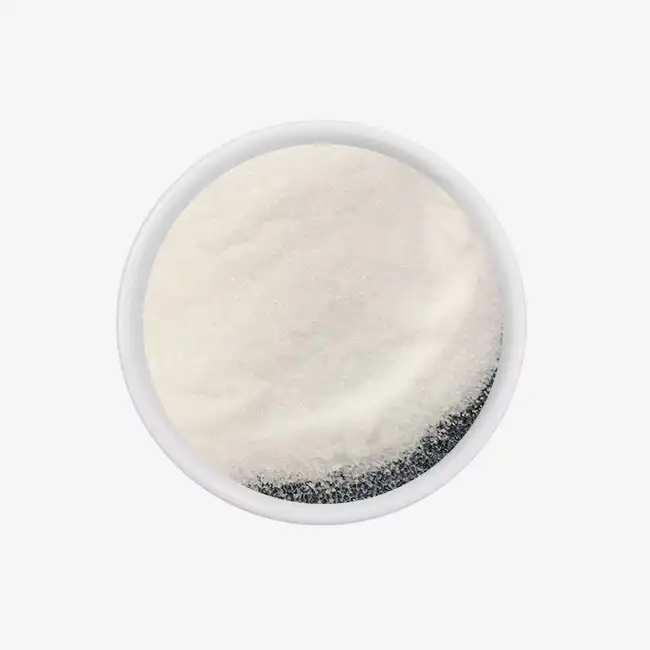
Airport runway solid potassium acetate (CH₃COOK, CAS 127-08-2) is a white crystalline chemical with a molecular weight of 98.14 g/mol. This organic salt dissolves easily in water, causing an exothermic process that destroys ice-pavement bonds. Product purity must be 99.0%, and chloride concentration must be below 0.2% for aviation facilities. Despite jet blast conditions, the 0.8-0.9 g/cm³ bulk density keeps granules on runway surfaces, minimizing material waste during application.
A 15% solution with a pH of 9.0–10.5 is compatible with concrete, asphalt, and runway lights. Potassium acetate is alkaline, unlike acidic alternatives that damage infrastructure over winter.
Mechanism of Ice Penetration and Removal
Hygroscopic absorption allows solid potassium acetate granules to penetrate 6mm ice layers on frozen runways. The chemical concentrates brine pockets under frozen formations by drawing moisture from the air and ice. Undercutting lowers ice adhesion while exothermic disintegration releases localized heat, speeding melting. Destabilized ice is removed by mechanical sweepers with less effort than on untreated surfaces.
Wind scatter during application is prevented by the adjusted particle size distribution, which speeds dissolution. Faster turnaround times between snowfall occurrences and operational preparedness help airports maintain flight schedules.
Environmental and Infrastructure Protection
Aviation-grade potassium acetate formulations biodegrade without producing ammonia or polluting ecosystems. The property has minimal BOD, reducing stormwater runoff and water pollution. This environmental profile meets EPA standards and addresses airport sustainability issues.
Non-corrosive properties safeguard aluminum fuselages, magnesium wheels, cadmium-plated components, and carbon braking systems. De-icer exposure does not degrade ground support equipment hydraulic lines and electrical systems during winter operations. While chloride-based alternatives spall and fracture, runway concrete and asphalt remain structurally sound.
Proper Handling and Storage Protocols
Airport runway solid potassium acetate is hygroscopic and must be stored in sealed, moisture-proof packaging in dry, ventilated warehouses. It comes in 25kg plastic woven bags or 1000kg ton-bags to minimize moisture absorption while handling. Facilities should keep storage rooms free from heat and incompatible compounds, especially oxidizers.
The compound lasts two years when treated according to the manufacturer's instructions. Transport methods stress cautious loading and unloading to avoid package damage that might undermine product quality before application.

Challenges of Traditional Runway Deicing and the Evolution Toward Potassium Acetate
Limitations of Conventional De-icing Compounds
Sodium chloride and calcium chloride alternatives increase temperature ranges but cause severe aircraft corrosion. Chloride compounds increase component replacement cycles, raising operating expenses beyond the de-icer purchase price, according to airport maintenance data. Regular infrastructure repairs are needed since these conventional materials destroy runway lights and painted markers.
Chemical Advantages Driving Industry Transition
Potassium acetate fixes the historical de-icing methods' main issues. The compound works at cold-climate flight temperatures. Chemical stability prevents performance loss throughout storage or application, unlike urea formulations that lose effectiveness with temperature.
The acetate ion structure melts ice faster per unit weight than formate alternatives, enabling airports to lower application volumes while maintaining results. This efficiency reduces logistical costs and environmental impact. Aviation facilities benefit from the product's interoperability with liquid de-icing systems, which streamlines winter maintenance operations.
Application Flexibility Through Product Forms
Modern airports use solid granular potassium acetate and liquid concentrations depending on operations. Solid formulations are ideal for curative de-icing when ice needs mechanical removal. Friction from granules improves ground vehicle and aircraft taxiing traction.
Pre-wet treatments reduce bounce and scatter in strong winds by mixing solid particles with liquid solutions. This maximizes anti-icing by adhering material to pavement before snow buildup. Solid coatings reduce toxicity surrounding ground people and equipment in passenger loading and apron areas.
Performance Documentation from Early Adopters
Scandinavian and northern Canadian aviation authorities reported significant gains after switching to potassium acetate runway treatments. Oslo Airport Gardermoen claimed 40% application quantity savings in winter 2019-2020 while retaining improved friction coefficients. The facility reduced airline maintenance conflicts by eliminating chloride-based de-icer-related aircraft corrosion concerns.
Toronto Pearson International Airport averaged 25 minutes from treatment beginning to operational clearance after snow occurrences. The quicker turnaround decreased weather-related delays by 18% during the experimental winter season, benefiting hub operations with tight connection times.
Comparative Analysis of Solid Potassium Acetate Versus Other Runway Deicers
Temperature Performance Characteristics
The effective temperature range is the most important runway de-icing chemical parameter. Airport runway solid potassium acetate works consistently below -60°C, surpassing urea's -7°C limit and sodium formate's -20°C limit. This prolonged operating window keeps airports open amid polar vortex and harsh winter weather.
Magnesium and calcium chlorides have wider temperature ranges than urea but are unsuitable for aircraft owing to corrosion. Acetate composition gives equal cold-weather performance without affecting aircraft integrity, giving procurement decision-makers a clear total cost of ownership value proposition.
Environmental Impact Assessment
As environmental regulators limit aircraft chemical discharge, de-icer selection becomes more regulated. Natural microbial activities biodegrade potassium acetate within weeks, unlike chloride accumulations that pollute groundwater for years. Low BOD reduces oxygen depletion in receiving waters, preserving aquatic habitats around airports.
Potassium acetate's environmental profile benefits LEED-certified airports. Sustainability reporting is supported while operating efficiency meets safety standards. This dual compliance capability streamlines procurement choices for buildings, balancing environmental and aviation safety.
Corrosion Testing Results
Standardized corrosion testing under SAE AMS 1431E shows potassium acetate's aircraft alloy compatibility. Carbon steel corrosion rates are below 0.03g/m²·h, making them suitable for ground equipment and infrastructure. Aluminum alloy samples lose little weight after 72 hours of immersion testing, proving aircraft interface compatibility.
Chloride-based alternatives degrade metal samples 15-20 times faster under equal circumstances. The aviation sector rejects road salt formulations despite their reduced procurement prices due to this difference. Acetate compounds preserve runway lighting, signs, and pavement reinforcement systems against costly premature replacements.
Total Cost of Ownership Calculations
Procurement experts considering de-icer alternatives must evaluate application frequency, equipment wear, infrastructure maintenance, and environmental compliance expenses beyond initial purchase. Potassium acetate melts ice 30-40% faster than urea, saving material. The increased infrastructure lifetime minimizes expensive emergency repairs during winter operations when contractor availability and price are high.
Acetate-based treatments minimize aircraft corrosion inspections, cutting turnaround maintenance costs for airlines serving airports. Airport operators and airline partners share operational savings, increasing the economic case for product adoption despite higher upfront material costs.
Procurement Best Practices for Solid Potassium Acetate in Airport Snow Removal
Supplier Qualification and Certification Verification
B2B procurement teams should check that airport runway solid potassium acetate providers have ISO 9001 and ISO 14001 certifications. Aviation-grade materials need vendors with an independent testing laboratory SAE AMS 1431E expertise. Request current manufacturing batch certificates of analysis to verify purity, chloride content, and particle size distribution.
KOSHER and HALAL-certified manufacturers display stringent quality control beyond aviation regulations. These extra validations ensure contamination-free manufacturing and batch-to-batch performance. Shanxi Zhaoyi Chemical Co., Ltd. operates 150,000-ton manufacturing facilities with these thorough certifications, guaranteeing stable supply chains for huge airport networks.
Technical Specification Evaluation
Beyond chemical composition, aviation procurement demands extensive product requirements. Measure bulk density to ensure granules withstand wind dispersion in jet blast zones. Review dissolving rate data showing quick ice penetration at different temperatures. Request corrosion testing on aviation-specific alloys to ensure compatibility with your facility's aircraft.
Spreading equipment calibration and application consistency depend on particle size dispersion. Supplier granulometry analysis should indicate a consistent size to minimize equipment clogging and ensure runway coverage. Compliance with pavement materials and drainage systems around treatment locations is verified by the pH range.
Logistics and Supply Chain Considerations
Procurement teams must contract ahead to meet winter weather demand. Build ties with airport runway solid potassium acetate producers that provide buffer stockpiles and assured allocation during peak demand. Shanxi Zhaoyi Chemical produces typical orders in 5-7 days with emergency response and backup raw material systems.
Packaging should match your facility's storage and application equipment. Ton-bag designs decrease handling labor at high-volume airports with bulk storage, whereas 25kg woven bags are flexible for smaller facilities or spread storage. Confirm suppliers work with worldwide chemical logistics shipping businesses to ensure timely delivery despite seasonal transportation issues.
Value-Added Services and Technical Support
Beyond product supply, consider producers that customize formulations for climatic or operating needs. Modified particle sizes, anti-caking additives, and tailored corrosion inhibitor packages for specific environmental variables assist certain facilities. OEM packaging programmes let airports leverage manufacturer knowledge and brand consistency across winter maintenance products.
Commodity suppliers and strategic partners differ in technical assistance. Manufacturers should provide 24/7 application advice, equipment calibration, and troubleshooting during cold weather occurrences. Shanxi Zhaoyi Chemical's sxzy@sxzhaoyi.com professionals provide timely technical support to procurement teams throughout installation and operations.
Optimizing Airport Snow Removal Efficiency with Solid Potassium Acetate
Application Rate Calibration and Timing Strategies
Accurate runway treatment requires spreading equipment calibration for appropriate application rates. Airport runway solid potassium acetate needs 50-100 grams per square meter for pre-precipitation anti-icing and 100-150 grams for curative de-icing. Annually calibrate spreaders utilizing collecting trays throughout application swaths to modify gate settings for uniform distribution.
Timing greatly affects material efficiency and operations. Pre-treatments 1-2 hours before anticipated snowfall prevent ice bonding, saving 60% more material than reactive treatments. Temperature sensors, precipitation predictions, and pavement temperature data let maintenance crews plan treatment windows for maximum efficacy and minimal environmental loading.
Equipment Coordination and Multi-Stage Processes
Combine spreading equipment with mechanical removal assets to use potassium acetate's ice-undercutting properties. Spread granules into remaining ice layers shortly after plowing while mechanical activity continues on neighboring runway segments. This integrated strategy cuts clearing time by 20-30% compared to sequential chemical and mechanical treatments.
Pre-wet treatment with solid granules and liquid potassium acetate solutions is needed in high winds. The liquid component sticks dry particles to pavement, limiting material loss during airplane movements or crosswinds. Pre-wetting equipment attachments work with ordinary spreaders, so no application vehicle investments are needed.
Performance Monitoring and Continuous Improvement
Establish friction testing techniques to measure coefficient values over treated runway surfaces regularly throughout winter operations. Continuous friction monitoring devices validate treatment efficacy and highlight locations needing further treatments in real time. For safe airplane operations, aim for friction coefficients over 0.40 and alter treatment procedures as measurements near minimums.
Operations are monitored for de-icer concentrations at stormwater discharge sites to ensure environmental compliance. Automatic sampling devices at drainage outfalls identify concentration spikes necessitating treatment process changes. Proactive monitoring avoids regulatory infractions and optimizes application rates to fit operational needs rather than cautious projections.
Keep track of application volumes, weather, aircraft movements, and friction during winter. Analyze historical data to find relationships between treatment methods and operational results, then refine processes yearly. Airports using data-driven optimization initiatives enhance efficiency by 15-25% over three years while preserving safety.
Conclusion
FAQ
Why is potassium acetate safer for airplanes than road salts?
Potassium acetate does not corrode aircraft aluminum, magnesium, or cadmium alloys. Electrochemical corrosion from chloride-based road salts degrades structures and landing gear. Aviation-grade acetate formulations matching SAE AMS 1431E safeguard carbon braking systems and avionics housings with corrosion inhibitors. This material compatibility reduces aircraft damage hazards that prohibit chloride compounds from airport runway treatments, notwithstanding their roadway efficacy.
How does storage humidity impact product performance?
Airport runway solid potassium acetate absorbs air moisture. Humidity cakes granules, lowering the spreading equipment flowability and application homogeneity. Sealing, moisture-proof packaging in climate-controlled warehouses preserves product integrity for two years. Before usage, facilities should check the packing for rips or moisture penetration and remove damaged materials that may clog machinery or provide irregular runway coverage.
Is potassium acetate compatible with other de-icers?
The chemical is compatible with liquid potassium acetate and propylene glycol-based airplane de-icing fluids. Pre-wetting solid granules with liquid acetate improves pavement adherence in strong winds and speeds melting. Acetate's corrosion-prevention properties are negated by combining with chloride-based chemicals. Before adding potassium acetate, facilities switching from older de-icers should rinse application equipment to avoid cross-contamination and performance issues.
Partner with a Trusted Airport Runway Solid Potassium Acetate Manufacturer
Zhaoyi Chemical brings over three decades of acetate production expertise to aviation facilities demanding reliable winter operations. Our airport runway solid potassium acetate meets SAE AMS 1431E standards with ≥99.0% purity and comprehensive quality certifications, including ISO 9001, KOSHER, and HALAL. We maintain substantial inventory reserves, ensuring a consistent supply during peak winter demand periods, supported by flexible packaging options and global logistics partnerships. Aviation procurement teams benefit from our technical specialists providing application guidance and customization services tailored to specific operational requirements. Contact our team at sxzy@sxzhaoyi.com to discuss your facility's winter maintenance needs and discover how our aviation-grade potassium acetate supplier capabilities support safe, efficient runway operations throughout severe weather conditions.
References
1. Society of Automotive Engineers. "Aircraft and Ground Vehicle Deicing/Anti-icing Processes." SAE Aerospace Standard AMS 1431E, 2018.
2. Federal Aviation Administration. "Guidelines and Procedures for Maintenance of Airport Pavement Anti-icing and Deicing Systems." Advisory Circular AC 150/5200-30D, 2020.
3. Environmental Protection Agency. "Airport Deicing Effluent Guidelines: Toxicity Reduction Evaluation and Identification." EPA-821-R-19-005, 2019.
4. International Civil Aviation Organization. "Manual of Aircraft Ground De-icing/Anti-icing Operations." ICAO Document 9640-AN/940, Fourth Edition, 2018.
5. Transportation Research Board. "Performance of Runway Deicing Chemicals: Comparative Analysis of Acetate and Formate Compounds." ACRP Research Report 148, National Academies Press, 2016.
6. Shi, X., Akin, M., Pan, T., Fay, L., Liu, Y., and Yang, Z. "Deicer Impacts on Pavement Materials: Introduction and Recent Developments." The Open Civil Engineering Journal, Volume 3, 2009.

USER EVALUATE
Here is the customer's evaluation of us