



Solid Potassium Acetate for Sustainable Ice Removal Solutions
Winter repair on infrastructure needs solutions that combine how well they work with how well they care for the environment. Deicing solid potassium acetate(CAS NO.: 127-08-2) is a big step forward in environmentally friendly ice management. It gives city governments, airport managers, and highway builders a tried-and-true alternative to chloride-based products. This white solid substance, which is made up of CH3COOK, solves important problems like rust in infrastructure, toxins in water, and poor temperature performance. As government regulations get stricter and companies are required to be more environmentally friendly, procurement professionals are becoming more aware that investing in deicing solid potassium acetate is a smart move that protects both assets and ecosystems while maintaining the highest safety standards during harsh winter conditions.

Understanding Solid Potassium Acetate and Its Deicing Mechanism
Deicing solid potassium acetate works by lowering the freezing point. This is done by ions dissolved in water interfering with the crystallization of water molecules, stopping ice from forming and breaking ice bonds that are already there. Normal rock salt doesn't work well below 15°F, but deicing solid potassium acetate works well up to -30°C (-22°F), so it can be used in places with harsh weather where regular goods don't work. The chemical formula CH3COOK shows that one potassium cation bonds with one acetate anion, making a compound that weighs 98.14 g/mol.
Chemical Properties Driving Performance
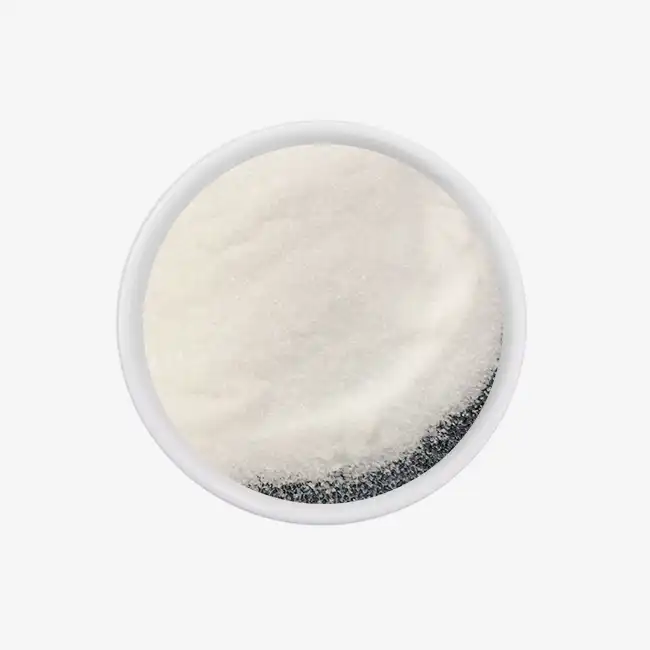
Different from chloride salts, which dissolve at a lower temperature, deicing solid potassium acetate dissolves at a higher temperature. When white crystals come into contact with water, the breakdown process gives off heat. This speeds up the melting of snow and ice without taking heat from other areas. This trait is especially useful on bridge decks and airplane landings, where fast ice entry keeps dangerous growth from happening. The substance dissolves easily in water, acid, and alcohol, so it works quickly when applied and is evenly spread over the area being treated.
Biodegradability and Environmental Safety
Studies that look at how the environment is changed show that deicing solid potassium acetate breaks down naturally in wastewater treatment systems and dirt into carbon dioxide and water. Deicing solid potassium acetate has a low biological oxygen demand (BOD), which means it protects aquatic ecosystems near treated roads. This is different from urea-based deicers, which release ammonia and contribute to eutrophication. Facilities close to watersheds, botanical preserves, or LEED-certified properties have an easier time following the rules because they don't have to monitor runoff as closely.
Safe Handling and Storage Protocols
For proper storage, warehouses must be dry, well-ventilated, and away from sources of heat and substances that don't go together. Because it is hygroscopic, deicing solid potassium acetate can soak up water from the air, which could lead to caking if the packaging fails. Standard packaging includes 25 kg plastic weave bags for easy handling and 1000 kg ton-bags for large industrial uses. Both are made to keep the quality of the product while it's being shipped. People who work with the substance should wear the right safety gear, but because it is not poisonous, the risks of contact are lower than with caustic chloride options.
Comparing Potassium Acetate with Other Deicing Agents
When procurement teams look at winter maintenance budgets, they have to think about more than just the cost of the initial purchase. True value is based on performance across a range of temperatures, effect on infrastructure, environmental compliance, and total lifetime costs. Deicing solid potassium acetate stands out because it has a neutral appearance that makes up for the problems with other choices.
Temperature Effectiveness Analysis
Rock salt, which is sodium chloride, stops working quickly below 20°F, making areas very slippery during very cold weather. Calcium chloride improves performance up to about -25°F, but it also makes acidic brine that hurts metal and concrete parts. Magnesium chloride has a moderate temperature range and is said to have less of an effect on the environment, but chloride runoff still poses a threat to plants and groundwater. When used for deicing, solid potassium acetate keeps melting at -30°C, which is better than chloride products in harsh conditions and completely gets rid of the harmful chloride ions.
Infrastructure Preservation Benefits
Chloride-based deicers speed up the corrosion of steel rebar in reinforced concrete, which leads to cracks and structural damage that needs pricey repairs. Every year, highway overpasses, parking garages, and airport facilities lose millions of dollars because they wear out too quickly. Deicing solid potassium acetate mixtures have special corrosion inhibitors that keep carbon brake systems, metal airplane parts, and cadmium-plated landing gear from rusting. SAE AMS 1431 approval proves that it can be used in aircraft applications that require maintaining material compatibility. Cities and towns that switched from chloride to deicing solid potassium acetate programs say that pavement lasts longer and costs less to maintain.
Environmental Compliance Advantages
More and more, federal and state rules make it harder for chloride to get into sensitive waterways. Organizations that use traditional salt products have to pay extra for things like monitoring compliance and possible remediation liabilities. Deicing solid potassium acetate is recyclable, as proven by independent lab tests. This makes environmental reporting easier and lowers regulatory risk. The alkaline pH range of 9–11 helps balance out acidic surfaces, which is another way that it protects concrete. Facilities that want to get green building certifications or corporate sustainability recognition find that using deicing solid potassium acetate(CAS NO.: 127-08-2) helps them meet documentation requirements and communicate with stakeholders.
Cost-Effectiveness Considerations
Even though the price per ton is higher than that of rock salt, a full cost study shows that the numbers are good. A positive return on investment is achieved through lower application rates due to better performance, no longer having to pay for corrosion repairs, avoiding environmental fines, and extending the service life of infrastructure. When you buy deicing solid potassium acetate in bulk from reputable makers, the prices are lower than when you buy it in small amounts. This is especially helpful for large-scale businesses or local activities.
Practical Guide to Using Solid Potassium Acetate for Deicing
To adopt something successfully, you need to know how to apply it, how to figure out the right dose, and what the best operating methods are for each setting. Procurement managers can get operational advice that helps them get the most out of deicing solid potassium acetate while also protecting the environment and following safety rules.
Application Rate Guidelines
The recommended spreading rates depend on the warmth of the ground, the amount of rain, and the desired result that is wanted. Before a storm, anti-icing usually needs 50 to 100 pounds per lane mile. This makes a chemical shield that stops ice from sticking together. Depending on the thickness of the ice and the temperature outside, deicing existing accumulations takes 100 to 300 pounds per lane mile. When you pre-wet solid granules with a deicing solid potassium acetate liquid solution, they don't bounce around as much during mechanical spreading, and they start melting as soon as they touch the surface. This makes them more effective in areas with a lot of traffic or high winds.
Target Environment Considerations
Because airports care about how slippery the track is and how well the materials on the planes work together, deicing solid potassium acetate is the standard for operations on the ground. Non-tracking formulas keep facilities clean and protect taxiways, aprons, and airport roads. Products that won't damage structural concrete or drainage systems are needed for bridge decks and elevated roadways. Historical landmarks and architecturally important buildings need solutions that won't stain or corrode and will keep their appearance. Deicing solid potassium acetate formulations are used in eco-sensitive industrial zones close to protected habitats to meet environmental permits and community relations obligations.
Safety Protocols for Personnel
Because airports care about how slippery the track is and how well the materials on the planes work together, deicing solid potassium acetate is the standard for operations on the ground. Non-tracking formulas keep facilities clean and protect taxiways, aprons, and airport roads. Products that won't damage structural concrete or drainage systems are needed for bridge decks and elevated roadways. Historical landmarks and architecturally important buildings need solutions that won't stain or corrode and will keep their appearance. Deicing solid potassium acetate formulations are used in eco-sensitive industrial zones close to protected habitats to meet environmental permits and community relations obligations.
Storage and Logistics Management
Because the material is hygroscopic, controlling moisture is the biggest problem when storing it. Keeping the deicing solid potassium acetate in climate-controlled warehouses or double-sealed packaging stops it from clumping together, which makes it harder to spread mechanically. Following the first-in, first-out rule for inventory rotation keeps products fresh, but properly stored items keep working for longer periods of time. When you buy in bulk through a trusted supply chain, you save money and make sure that you have access to products during times of high demand, when spot market prices go up, and supplies run out. Damage and delivery delays can be avoided by working with experienced carriers who know how to handle chemicals safely.
Procurement Insights and Choosing the Right Supplier
The choice of supplier has a big effect on how well products work, how reliably they are delivered, and on the long-term success of a business. For deicing solid potassium acetate, procurement professionals need a set of criteria for systematically evaluating manufacturing capabilities, quality assurance systems, certification credentials, and customer service infrastructure.
Quality Assurance and Certification Standards
Reputable manufacturers keep their ISO 9001 quality management certifications, which show that they are committed to controlling the production process and making improvements all the time. Validation of ISO 14001 environmental management proves environmentally friendly ways of making deicing solid potassium acetate that are in line with the buyer's sustainability goals. The ISO 45001 certification for occupational health and safety shows that protecting workers is a top priority, which is linked to operational excellence. For specific uses, food-grade and pharmaceutical-grade acetate sources have extra Kosher and Halal approvals. However, deicing products focus on quality standards to make sure they always work. A deicing solid potassium acetate content of at least 99% is needed to melt the ice, and low chloride levels (≤0.2%) and a low water-insoluble content (≤0.05%) keep contamination from happening.
Manufacturing Capacity and Scalability
Production capacity shows if providers can meet the needs of big cities or businesses with multiple locations without running out of deicing solid potassium acetate during the busy winter months. Zhaoyi Chemical can make up to 150,000 tons of chemicals every year, and its flexible production lines can meet the needs of customers who want unique formulations and packaging. Established manufacturers with decades of experience in the field show technical know-how and stable operations that newer companies can't match. Traceability systems that provide batch-specific documentation help with quality checks and audits of regulatory compliance.
Pricing Structures and Volume Purchasing
For deicing solid potassium acetate, transparent price models with clearly defined number tiers make it possible to make accurate budget predictions and compare costs. Seasonal price changes are caused by changes in the cost of raw materials and the schedule of production. Companies that place orders early in the season can save money on purchases. Long-term supply deals protect against market instability by keeping prices stable and guaranteeing priority placement during shortages. Payment terms that work with the budget cycles of cities or the buying processes of businesses make it easier for partnerships to grow.
Customer Service and Technical Support
Responsive technical support teams help optimize deicing solid potassium acetate applications, fix performance problems, and prepare regulatory documentation. Material Safety Data Sheets (MSDS) are important for making sure that everyone in the workplace follows safety rules because they contain a lot of information about hazards, how to handle them, and what to do in an emergency. Product sampling programs let you test the product in real-world settings before committing to buy a lot of deicing solid potassium acetate. Established transportation networks make sure that deliveries happen on time, which is very important for keeping operations ready during the winter.
Future Trends and Innovations in Sustainable Deicing Solutions
As regulations change, technology improves, and companies are required to be more responsible, it changes how they buy things for winter maintenance. When procurement professionals know about new trends in deicing solid potassium acetate, they can make decisions that are ahead of the curve and meet the needs of all stakeholders.
Regulatory Drivers and Compliance Pressures
As the federal Clean Water Act is changed, it becomes harder for chloride to enter impaired waterways. State and local governments then set even stricter limits. Total maximum daily load (TMDL) rules require cities and towns to keep records of how much deicing solid potassium acetate they use and how it affects runoff. This adds to their administrative work and could lead to fines. Green infrastructure projects encourage low-impact building methods that can't be used with normal salt application. Deicing solid potassium acetate products make compliance easier while showing environmental leadership to government agencies and concerned citizens.
Technological Enhancements and Product Innovation
Researchers are looking into better deicing solid potassium acetate mixtures that include performance enhancers, anti-caking agents, and visibility dyes that make application more precise. Controlled-release encapsulation technologies make melting last longer, which lowers the number of times it needs to be done and the cost of labor. When smart transportation systems are connected, data-driven applications can be used to make the best use of materials by monitoring the weather in real time and using pavement sensors. Pre-wetting technologies that use both solid and liquid deicing potassium acetate products work better and cause less damage to the environment.
Corporate Sustainability Integration
Environmental, social, and governance (ESG) reporting frameworks require businesses to keep track of how their actions affect the climate, how many resources they use, and how they stop pollution. When you switch to deicing solid potassium acetate solutions, you get measurable metrics that help with communicating about corporate responsibility and getting stakeholders involved. Green building standards like LEED recognize environmentally preferable buying, rewarding organizations adopting deicing solid potassium acetate programs. Supply chain openness efforts demand seller environmental performance documents, favoring makers with verified sustainable practices.
Long-Term Economic and Strategic Benefits
Avoiding infrastructure repair costs, reduced environmental risk exposure, and improved company image give returns going beyond deicing solid potassium acetate upkeep budgets. Risk management frameworks recognize environmental compliance as a material business consideration affecting operational continuity and regulatory standing. Brand differentiation in competitive markets increasingly relies on demonstrated sustainability leadership resonating with environmentally conscious customers and employees. Strategic buying choices combining lifetime cost analysis and deicing solid potassium acetate sustainability measures position organizations for success in changing regulation and market settings.
Conclusion
Deicing solid potassium acetate(CAS NO.: 127-08-2) delivers comprehensive advantages for organizations prioritizing performance, infrastructure protection, and environmental responsibility. Technical superiority across high temperature ranges, non-corrosive formulation protecting critical assets, and recyclable qualities meeting regulatory requirements establish deicing solid potassium acetate as a preferred alternative to traditional chloride products. Procurement workers considering winter maintenance strategies should consider total lifetime costs spanning application efficiency, avoiding repair expenses, and compliance simplicity. Partnering with experienced makers offering deicing solid potassium acetate quality approvals, technical support, and reliable supply chains ensures operating success throughout challenging winter conditions while advancing the company's environmental goals.
FAQ
What temperature range does deicing solid potassium acetate successfully work in?
Deicing solid potassium acetate keeps steady ice-melting performance down to -30°C (-22°F), significantly beating common rock salt that loses effectiveness around -7°C (20°F). The exothermic breakdown process produces heat upon contact with wetness, speeding passage through ice layers even in extreme cold temperatures.
How does deicing solid potassium acetate impact surrounding vegetation and water sources?
Microorganisms break down the biodegradable formula into carbon dioxide and water. It doesn't release harmful nitrogen compounds like urea-based alternatives do. Low deicing solid potassium acetate biological oxygen demand (BOD) reduces stress on aquatic ecosystems. This makes it a good choice for use near sensitive watersheds, protected habitats, and LEED-certified buildings that need to show proof of environmental compliance.
How long does the food usually last if it is kept dry?
Deicing solid potassium acetate stays fully effective for a long time if it is kept in dry, well-ventilated storage with its original, moisture-proof package still in place. Because it is hygroscopic, deicing solid potassium acetate needs to be kept away from atmospheric humidity to keep it from caking. However, if it is stored properly, its chemical properties and performance characteristics will not change.
Is it possible to mix deicing solid potassium acetate with other deicing products?
Adding liquid deicing solid potassium acetate to solid granules before spreading them makes it easier to spread because the particles don't bounce around as much, and the freezing process starts right away. But mixing with chloride-based items takes away from the perks of not corroding and being good for the earth. Before mixing different kinds of deicing solid potassium acetate, companies should talk to their technical support teams to make sure they won't cause any problems with how well the mixture works.
Partner with Zhaoyi Chemical for Premium Deicing Solid Potassium Acetate
Zhaoyi Chemical has been making acetate for more than 30 years and can help procurement professionals who are looking for reliable suppliers of deicing solid potassium acetate. Our ISO 9001, ISO 14001, and ISO 45001 certifications show that we are committed to quality management, protecting the environment, and operational safety across our 150,000-ton production capacity every year. We consistently deliver 99% pure, which meets SAE AMS 1431 flight standards, and our prices for large orders are still very low. Our technical team offers full application support, MSDS documentation, and deicing solid potassium acetate product samples so that you can make an informed decision about what to buy. Get in touch with us at sxzy@sxzhaoyi.com to talk about your winter maintenance needs and find out how our top deicing solid potassium acetate solutions can protect your infrastructure, make environmental compliance easier, and show your stakeholders that you are a leader in sustainability.
References
1. Highway Research Board. "Comparative Performance Analysis of Acetate and Chloride-Based Deicing Compounds in Transportation Infrastructure Applications." Transportation Research Record Series, 2022.
2. American Society for Testing and Materials. "Standard Specification for Non-Chloride Runway and Taxiway Deicing Formulations." ASTM International Standards, 2021.
3. Environmental Protection Agency. "Assessment of Chloride Impacts on Freshwater Ecosystems and Alternative Winter Maintenance Strategies." EPA Water Quality Technical Report, 2020.
4. Airport Cooperative Research Program. "Sustainable Airport Winter Operations: Evaluation of Environmentally Responsible Deicing Agents." Transportation Research Board Publication, 2023.
5. National Association of Corrosion Engineers. "Corrosion Prevention in Transportation Infrastructure: Comparative Study of Deicing Chemical Impacts." NACE International Technical Paper, 2021.
6. Society of Automotive Engineers. "Aircraft and Airfield Compatibility Testing for Potassium Acetate-Based Deicing Formulations." SAE Aerospace Standards Division Report, 2022.

USER EVALUATE
Here is the customer's evaluation of us