



Premium Solid Potassium Acetate for Environment-Friendly Deicing
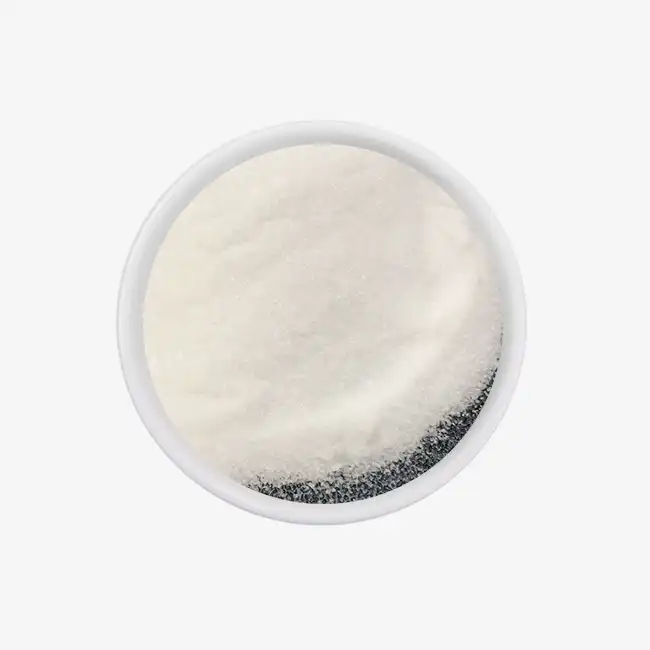
Managing infrastructure during the winter requires solutions that strike a balance between performance and environmental responsibility. Premium solid potassium acetate is a completely new way to melt ice, and it meets the urgent need for long-lasting alternatives to chloride-based salts. CH3COOK, a white crystalline compound, melts ice very well down to -30°C and protects ecosystems and infrastructure at the same time. More and more, city governments, airport owners, and building managers are looking for deicing products that are good for the environment without sacrificing efficiency. Our deicing solid potassium acetate(CAS NO.: 127-08-2) meets strict flight standards, protects metal and concrete surfaces, and breaks down naturally without hurting plants or waterways.

Understanding Solid Potassium Acetate as an Eco-Friendly Deicer
Chemical Composition and Ice-Melting Mechanism
The molecular formula for potassium acetate is CH3COOK, and its molecular weight is 98.14. By lowering the freezing point, this substance breaks up the network of hydrogen bonds inside ice crystals. Because it dissolves easily in water, it quickly melts on frozen surfaces and starts an exothermic process that makes heat when it comes into contact with water. This release of heat speeds up the melting process a lot more than endothermic options that take heat from their surroundings. The acetate ion stops molecules from forming ice, which stops refreezing and keeps the surface safe for long periods of time when it's cold.
Environmental Safety Profile
Infrastructure Protection Benefits
With standard deicing salts, corrosion is still a big problem that costs billions of dollars every year to fix. Products containing chlorine are very harmful to steel supports in concrete, aircraft metal components, and vehicle undercarriages. Our deicing solid potassium acetate contains rust inhibitors that meet SAE AMS 1431 aircraft standards. These inhibitors protect landing gear wires, carbon brakes, and cadmium-plated parts. Long-term immersion tests in the laboratory on aluminum alloy 7075-T6, structural steel, and magnesium show no signs of corrosion. When highway departments replace rock salt with acetate-based alternatives, concrete scaling is reduced, and bridge decks achieve a longer service life.
Comparing Potassium Acetate with Other Common Deicing Solids
Performance Metrics Across Temperature Ranges
When it gets below -9°C, rock salt (sodium chloride) stops working, making surfaces very slippery and dangerous. Calcium chloride increases the operating temperature to about -29°C, but it also makes the leftovers slippery by causing violent rusting and increasing the ability to hold water. Magnesium chloride works pretty well up to -15°C, but it hurts plants near where it's used. Even when temperatures drop to -30°C, premium potassium acetate keeps melting ice in the same way, so it works reliably even in the worst winter conditions. The eutectic point of the substance drops even lower, to -60°C, in the lab. However, in the field, it is mostly used below -30°C, where most industrial activities need reliable deicing.
Corrosion and Environmental Impact Comparison
Application Efficiency and Cost-Effectiveness Considerations
When working in certain situations, solid formulations are easier to handle. When applied for the first time, deicing solid potassium acetate products work much better on ice-covered surfaces than liquid ones, which can run off sloping areas before the freezing point drops. Solid forms are easier to store in places that don't have the heated bulk tanks that liquid concentrates need. Because potassium acetate is hygroscopic, it needs to be stored in a way that keeps moisture under control. However, standard dry storage rules keep it from caking as long as the packaging is still in one piece. Using pre-wetting techniques, which involve adding a liquid acetate solution to solid granules before spreading them, improves performance by starting melting reactions right away and lowering material bounce and scatter during mechanical application.
Procurement Guide: Sourcing Premium Solid Potassium Acetate for Your Business
Critical Supplier Evaluation Criteria
Quality Certifications and Compliance Standards
SAE AMS 1431 standards set strict purity levels and rust testing methods that must be followed for aviation uses. Our manufacturing methods result in the potassium acetate content being over 99%, the water-insoluble matter content being below 0.05%, the chloride content being below 0.2%, and the iron content being below 0.05%. These specifications go beyond the minimum requirements and include performance margins that take into account how things change in the real world. Food-grade and pharmaceutical-grade licenses, such as Kosher and Halal approvals, make the product more useful in situations where higher cleanliness standards are needed. Compliance is confirmed by a third-party laboratory, and each shipment comes with a certificate of analysis for quality assurance programs at the customer's request.
Volume Pricing and Logistics Flexibility
Implementing Potassium Acetate in Your Deicing Strategy for Maximum ROI
Airport Runway and Taxiway Applications
The most difficult deicing conditions are found in aviation, where safety, protecting against rust, and following environmental rules all come together. Major international airports have switched to acetate-based runway treatments, which have made the pavement last longer and cut down on aircraft corrosion incidents. Depending on the thickness of the ice and the temperature outside, application protocols usually say that spreading rates should be between 50 and 100 grams per square meter. For even coverage with no waste, mechanical spreaders calibrated for granular acetate are used. The exothermic dissolving process starts melting within minutes of application, which is visible proof that it is working. Post-treatment sweeping gets rid of loose ice and leftover product, keeping the friction coefficients at the best level for aircraft operations and recovering unused material that can be used again.
Highway Infrastructure and Bridge Deck Protection
Storage and Handling Safety Protocols
Material management that is done right makes products work better and keeps workers safe. Because potassium acetate absorbs water, it needs to be stored in climate-controlled stores or packaging that keeps moisture out in order to keep its free-flowing properties. We suggest keeping palletized bags on raised platforms with good air flow, away from substances that aren't suitable, as stated in the safety data sheet. Personal safety equipment, like gloves and eye protection, should be worn when handling the substance, even though it doesn't pose as many health risks as caustic chloride versions. Every year, the equipment that is used for application should be adjusted to make sure that the spreading rates are correct and that the best performance is achieved without using too much material. During the deicing season, keeping equipment mechanically sound by rinsing it with water after each use stops buildup.
Conclusion
Using deicing solid potassium acetate(CAS NO.: 127-08-2) instead of less environmentally friendly alternatives has real benefits for the environment, the economy, and operations. Traditional chloride salts can hurt infrastructure and the environment, but this acetate-based product doesn't do either. It also melts ice better at very low temperatures. We've set up production and quality processes that make sure there is a steady supply for demanding industrial, municipal, and aviation applications. As environmental regulations become stricter and infrastructure protection becomes more important, procurement professionals who are looking ahead recognize that acetate technology is the best choice for ensuring long-term operational excellence.
FAQ
How does the temperature change how well potassium acetate melts ice?
The best acetate formulations keep working even at -30°C, which is much better than rock salt, which stops working at -9°C. When the combination comes into contact with water, its exothermic breakdown creates heat, which speeds up freezing even when it is very cold. Because it can handle high temperatures, it's perfect for places in the north and at high elevations where other goods don't work.
What benefits does it have for the environment compared to regular road salt?
Potassium acetate breaks down totally in a few weeks thanks to microbes, but chloride salts stay in soil and groundwater forever. Acetate formulations are not very harmful to aquatic life and plants, so they don't damage plants along the roads or pollute watersheds as chloride deicers do. This compatibility helps meet goals for stormwater discharge compliance and environmental stewardship.
Do you need special tools to work with potassium acetate?
Standard grain spreaders that are used for road salt also work well with solid acetate products after being calibrated to account for changes in material density. Pre-wetting devices improve efficiency by starting the melting process right away. You don't need to buy any special equipment, but hygroscopic materials should be stored in places that keep moisture out to avoid caking.
Partner with Zhaoyi Chemical for Your Deicing Solid Potassium Acetate Supply
Zhaoyi Chemical brings over 35 years of acetate manufacturing expertise to help you implement sustainable deicing programs with confidence. Our ISO-certified production facility delivers consistent quality backed by SAE AMS 1431 compliance, ensuring your operations meet the strictest performance and safety standards. We offer flexible packaging from 25kg bags to ton containers, competitive volume pricing structures, and reliable international logistics to North American and European destinations. As a trusted deicing solid potassium acetate supplier, we provide technical support for application optimization, product samples for evaluation, and detailed specifications to streamline your procurement process. Connect with our team at sxzy@sxzhaoyi.com or visit zhaoyichemical.com to discuss your bulk requirements and discover how our premium acetate solutions protect your infrastructure while advancing environmental objectives.
References
1. Society of Automotive Engineers, "SAE AMS 1431: Compound, Solid Runway and Taxiway Deicing/Anti-icing," SAE International Standards, 2018.
2. Transportation Research Board, "Environmental Impact of Airport Deicing Operations," National Cooperative Highway Research Program Report, 2019.
3. American Concrete Institute, "Effects of Deicing Chemicals on Concrete Durability," ACI Materials Journal, Vol. 116, 2020.
4. Federal Aviation Administration, "Advisory Circular on Aircraft Deicing and Anti-icing Operations," U.S. Department of Transportation, 2021.
5. Environmental Protection Agency, "Aquatic Toxicity Assessment of Runway Deicing Compounds," EPA Environmental Engineering Laboratory Technical Report, 2020.
6. National Association of Corrosion Engineers, "Corrosion Cost Study for Transportation Infrastructure," NACE International Infrastructure Assessment, 2019.

USER EVALUATE
Here is the customer's evaluation of us