



Deicing Solid Potassium Acetate Provides Efficient Ice Control Solutions
Winter ice management demands solutions that deliver rapid results without compromising safety or environmental standards. Deicing solid potassium acetate (CAS NO.: 127-08-2)(CH3COOK) represents a breakthrough in winter maintenance technology, offering municipal authorities, airport operators, and highway contractors an acetate-based alternative to traditional rock salt. This white crystalline compound effectively melts ice at temperatures as low as -30°C while protecting infrastructure from corrosion and minimizing ecological impact. As B2B procurement professionals increasingly prioritize sustainability alongside performance, potassium acetate-based deicers have emerged as the preferred choice for critical infrastructure applications.
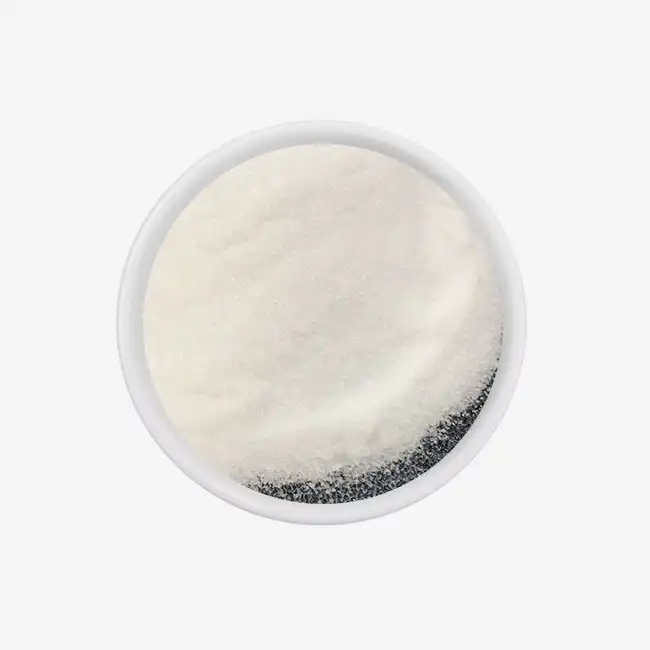
Understanding Solid Potassium Acetate as a Deicing Solution
The formula for potassium acetate is CH3COOK, and its molecular weight is 98.14. It is a potassium salt of acetic acid. When it comes to storage, shipping, and controlled application, the solid granular form is easier to handle than liquid versions. It works because it lowers the freezing point of water by a large amount. When dissolved in water, potassium acetate stops ice crystals from forming at the molecular level, which lets it work in very cold situations where sodium chloride fails.
Chemical Properties and Melting Mechanism
Potassium acetate is different from other deicing salts because it dissolves in a way that uses heat. When the white crystals come in touch with water or ice, they dissolve. This releases heat energy, which speeds up the melting process beyond just lowering the freezing point. This method works on two levels: chemical disruption and thermal energy. This makes it especially good at getting rid of stubborn black ice on bridge decks and runway surfaces. The substance remains completely soluble in water, acid, and alcohol, so it works the same way in all kinds of environments.
Comparative Advantages Over Traditional Agents
Sodium chloride (rock salt), calcium chloride, or magnesium chloride are not as useful as potassium acetate in many ways. Sodium chloride doesn't work below -9°C and eats away at steel reinforcements and car parts very badly. Calcium magnesium acetate (CMA) is less acidic, but it needs to be used at higher rates and is still too expensive for many uses. Potassium acetate fills in this gap, providing better performance at low temperatures with little damage from corrosion. Because it breaks down naturally, it also handles rising regulatory worries about chloride pollution in groundwater and surface water systems.
Benefits and Practical Applications of Solid Potassium Acetate in Winter Road Maintenance
Infrastructure managers are under more and more pressure to find a balance between environmental responsibility and operational safety. Both of these problems can be solved by acetate-based deicing products, which makes them perfect for sensitive situations where salt-based products pose too many risks.
Infrastructure Protection and Longevity
The non-corrosive formulation of deicing solid potassium acetate helps protect critical infrastructure from the severe damage associated with chloride-induced corrosion. The relatively mild chemistry of deicing solid potassium acetate makes it suitable for applications involving bridge steel, reinforced concrete, aluminum aircraft components, and carbon brake systems. Aviation authorities have conducted field testing indicating that properly formulated potassium acetate solutions meeting SAE AMS 1431 requirements have limited corrosive effects on cadmium-plated aircraft components, landing gear, and wiring harnesses. Using deicing solid potassium acetate in these environments can help reduce the inspection and replacement costs that may result from prolonged chloride exposure. For infrastructure and aviation applications where corrosion control is a priority, deicing solid potassium acetate (CAS NO.: 127-08-2)provides a practical alternative to conventional chloride-based deicing materials.
Scaling in concrete is a common failure mode that is caused by freeze-thaw cycles and deicing chemicals. Acetate products make this failure mode happen much less often. According to the ASTM C 672 testing guidelines, potassium acetate is better at mixing with concrete than chloride-based options. This means that the sidewalk will last longer and cost less to maintain over the course of its lifecycle.
Environmental Compliance and Sustainability
More and more, chloride concentration standards for release from municipal wastewater treatment plants are getting tight. Winter maintenance on roads is a major cause of chloride buildup in urban watersheds, which can harm aquatic ecosystems and drinking water quality over time. The biodegradable nature of potassium acetate takes away this worry, as bacteria in the environment easily break down acetate ions, stopping them from building up and becoming dangerous over time.
The compound has extra benefits for soil systems as well. Instead of sodium-based deicers, which make the earth saltier and put stress on plants, potassium is good for plants. Agricultural research shows that small amounts of potassium improve the structure of the soil and help plants grow well. This means that runoff from treated roads doesn't pose much of an environmental risk to the areas nearby.
Application Guidelines and Dosage Optimization
To use it correctly, you need to know how weather, ice thickness, and spreading speeds are related. For anti-icing operations that happen before they happen, 30 to 50 grams per square meter are usually used at temperatures between -5°C and -15°C. Depending on the thickness and bonding strength of the ice, deicing established ice formations may need between 70 and 120 grams per square meter. Pre-wetting solid grains with a liquid potassium acetate solution improves initial contact, lowers material scatter from wind or vehicle traffic, and speeds up the melting process by making the surface between the ice and the product better.
Timing is a very important part of being as efficient as possible. Anti-icing, which means treating surfaces before it rains, needs about 25–40% less material than reactive deicing of layers of bonded ice. Using weather monitoring systems and predictive analytics, maintenance teams can find the best time to apply materials, which cuts down on both material use and labor costs while keeping the surface in great shape.
Comparing Solid Potassium Acetate with Other Deicing Solids for Intelligent Procurement
Procurement decisions must weigh multiple factors including temperature performance, corrosion potential, environmental impact, handling characteristics, and total cost of ownership. A careful study shows why potassium acetate is becoming more and more popular for use in important infrastructure.
Performance Across Temperature Ranges
Urea-based deicers used to be popular for use at airports, but they only work well up to about -7°C. Below this point, melting rates drop very quickly, so urea can't be used during the very cold spells that cause the most problems for operations. Propylene glycol solutions work well at low temperatures, but they need special tools to be used and raise worries about biological oxygen demand in the water they enter. Because its eutectic point goes up to -60°C, potassium acetate keeps melting ice even when the temperature drops to -30°C. This means it works reliably in all kinds of winter situations across continental climates.
Corrosion Testing and Material Compatibility
Total immersion corrosion testing is required for aluminum alloys such as 7075-T6, carbon steel, magnesium alloys, and other critical aerospace materials under applicable industry standards. Properly inhibited deicing solid potassium acetate formulations can achieve very low corrosion rates across different test substrates, supporting their use in demanding aviation environments. Unlike chloride-based alternatives, deicing solid potassium acetate can provide effective deicing performance with substantially lower corrosion concerns when the formulation is properly designed and applied. The corrosion-control benefits of deicing solid potassium acetate also make acetate-based formulations suitable for parking structures, bridge decks, and loading docks, where reducing material deterioration can help extend service life. By choosing deicing solid potassium acetate for applications where infrastructure protection is important, operators can reduce corrosion-related maintenance requirements while maintaining effective winter safety performance.
Supply Chain Considerations for Bulk Procurement
To build trusting relationships with suppliers, you need to look at their production capacity, quality control systems, packaging options, and shipping and delivery services. Different makers can produce a wide range of amounts each year. For example, well-known companies can produce between 100,000 and 150,000 metric tons each year. Quality standards like ISO 9001 and ISO 14001, as well as industry-specific approvals like SAE AMS 1431, guaranty that performance will be the same from batch to batch.
Flexible packaging meets a wide range of practical needs. Standard 25 kg plastic woven bags are easier to handle by hand in smaller facilities or one-time situations. On the other hand, 1000 kg ton bags are better for large-scale storage and automatic filling systems at airports and highway repair sites. Potassium acetate is hygroscopic, which means that it reacts badly with moisture. If it comes into contact with air humidity, it can cause caking and material degradation, which can affect both how it works and how it can be handled.
How to Choose Reliable Solid Potassium Acetate Suppliers for Your Business Needs
Choosing a supplier has a direct effect on the continuity of operations, the performance of the product, and the management of long-term costs. A structured evaluation process helps procurement teams find partners who can help with complicated winter maintenance plans.
Certification and Quality Assurance
International certificates are a neutral way to check the quality of the producing process and the safety of the finished product. ISO 9001 approval shows that quality management systems have been put in place, along with written processes for checking raw materials, keeping an eye on the production process, and testing the finished product. Environmental management certifications, like ISO 14001, show that a company is committed to using sustainable manufacturing methods. This is becoming more and more important for companies that have to meet sustainability goals.
For pharmaceutical and food-grade uses that need higher cleanliness standards, you might need extra licenses like Kosher and Halal approval. Suppliers that work with more than one market segment usually keep their production lines separate to keep industrial-grade and higher-purity specialty products from getting contaminated.
Technical Support and Documentation
Complete technical paperwork helps people make smart choices about what to buy and makes it easier to set up the product. Each batch should come with a certificate of analysis (COA) that shows the exact amount of potassium acetate, chloride impurities, water-insoluble matter, and heavy metals present. Material Safety Data Sheets (MSDS) explain how to safely handle substances, what to do in an emergency, and how to make sure that you are following all the rules.
Technical support teams that are quick to respond help customers improve application parameters, fix performance problems, and change procedures to fit new operational conditions. Suppliers who know a lot about the application can suggest spreading rates, equipment tuning settings, and storage methods that work best in certain climates and with certain types of infrastructure.

Logistics and Delivery Reliability
Winter repair and maintenance operations cannot afford supply disruptions during severe storms, so reliable sourcing of deicing solid potassium acetate is essential. Evaluating a supplier's logistics capabilities should include warehouse locations, material handling procedures, inventory management, and transportation partnerships for deicing solid potassium acetate. Suppliers with strategically located distribution centers near major transportation hubs can provide shorter lead times and more flexible delivery schedules for deicing solid potassium acetate when winter conditions create urgent demand. Established relationships with multiple freight carriers also give suppliers alternative transportation options if weather-related disruptions affect normal routes. By working with a supplier that maintains dependable logistics and sufficient inventory of deicing solid potassium acetate, buyers can improve supply continuity and respond more effectively to unexpected winter maintenance requirements.
Planning how to buy things is affected by things like minimum order amounts, lead times, and seasonal trends of supply. Some manufacturers have priority allocation programs for contract customers that make sure they can get products during times of high demand, when spot market prices tend to go up.
Maximizing Efficiency and Risk Mitigation When Using Solid Potassium Acetate
The right way to handle, store, and use a product protects its purity and makes sure that workers are safe and that the business runs smoothly. Structured processes cut down on waste, improve efficiency, and lower the costs of doing business over its entire lifecycle.
Storage and Handling Best Practices
Because potassium acetate is hygroscopic, it needs to be stored with great care. The relative humidity should stay below 65% to keep things from absorbing water, which can cause caking and solidification. The best conditions are in temperature-controlled warehouses, but milder climate zones can also use well-ventilated, dry storage areas with packaging that doesn't let water in. Material should be stored on pallets instead of directly on concrete floors, and old stock should be moved to the front of the line to keep all of the new stock fresh.
Handling procedures must keep packages from getting damaged in a way that makes them less resistant to moisture. Care should be taken when using forklifts and pallet jacks so that they don't puncture bags or ton bags. Containers that have only been partially used should be resealed right away with outer covers that are secure and moisture-proof layers. If you store an unused product properly, it will stay useful for 12 months. However, materials that are exposed to high humidity or extreme temperatures should be tested before they are used.
Application Equipment and Calibration
Calibration of spreading equipment makes sure that the right amount of material is delivered at the right time, so there is no wasteful over-application or ineffective under-application. Granular potassium acetate can be spread with standard equipment made for solid deicers, but the way the particles are sized affects how they flow and how evenly they cover the surface. Manufacturers provide sieve analysis data that allows for exact spreader calibration that matches the properties of a particular product.
By covering dry pellets with a liquid solution before they are discharged, pre-wetting devices improve the efficiency of the application. This method cuts down on bounce and spread, improves the first touch with the ice, and speeds up the melting process. When compared to dry spreading, pre-wetted applications can cut the amount of solid material needed by 20–30% while still improving overall performance.
Performance Monitoring and Continuous Improvement
Winter care programs are always being improved by collecting and analyzing data. By keeping track of things like temperature, application rates, product performance, and surface condition results, you can use real-world evidence to support making operating processes better. Infrared temperature monitoring finds areas of pavement that are more likely to freeze than others. This lets targeted preventative treatments be used, which lowers the overall amount of material used. After a storm, reviews look at how well decisions about timing, application rates, and product choice worked. These reviews collect institutional knowledge that makes future responses better.
Conclusion
Acetate-based deicing technology is a big step forward in winter infrastructure upkeep. It improves performance, safety, and the environment in ways that chloride products can't. Deicing solid potassium acetate (CAS NO.: 127-08-2)solves the problems that airport operators, highway repair companies, and city governments face by working well at low temperatures, not corroding, and being biodegradable and safe for the environment. This advanced winter maintenance option is most valuable when it comes to strategic relationships with suppliers, following the right handling procedures, and using data-driven application strategies. Potassium acetate is an important part of comprehensive ice control programs for businesses that want to protect their investments in infrastructure while also following environmental rules.
FAQ
How does deicing solid potassium acetate compare to traditional rock salt in terms of infrastructure impact?
Traditional rock salt, which is sodium chloride, corrodes steel reinforcing, bridge parts, and vehicle undercarriages very badly. It also damages concrete thru freeze-thaw cycles. Potassium acetate mixtures that meet aircraft standards don't corrode aluminum, steel, or magnesium metals very much, which greatly increases the service life of infrastructure. Also, chloride buildup in topsoil and waterways causes long-term environmental problems, but biodegradable acetate stops long-term pollution problems.
What storage conditions are necessary to maintain product quality?
Because it absorbs water, potassium acetate needs to be kept in dry, well-ventilated places where the relative humidity stays below 65%. Moisture-proof packaging that is double-sealed stops the air from absorbing moisture, which leads to caking. Under the right conditions, a product that hasn't been opened stays useful for 12 months. Before being used in the field, materials that have been stored in damaged packages or places with a lot of humidity should be inspected and tested to make sure they will still work.
Can potassium acetate be safely used on airport runways and aircraft surfaces?
Properly made potassium acetate goods that meet SAE AMS 1431 standards are approved for direct touch with airplanes on runways, taxiways, aprons, and other areas where planes land and take off. The mixture has corrosion inhibitors that keep aluminum alloys, carbon brake systems, landing gear parts, and electrical wiring safe. This aviation-grade material works well to melt ice without the risks of damaging equipment that come with chloride-based deicers or the limited temperature range that comes with urea products.
Partner with SHANXI ZHAOYI CHEMICAL for Reliable Deicing Solid Potassium Acetate Supply
SHANXI ZHAOYI CHEMICAL has been making specialized acetates for more than 35 years and can help winter repair workers in the transportation, airline, and city infrastructure sectors. Our deicing solid potassium acetate is at least 99% pure and has been shown to work at temperatures as low as -30°C. It is backed by ISO 9001, ISO 14001, and ISO 45001 certifications that make sure consistency from batch to batch. With the ability to produce 150,000 metric tons per year, we can meet the needs of both local companies and national building projects. For deicing solid potassium acetate supplier agreements, our expert team can help with application advice, equipment calibration, and unique shipping solutions. You can email our team at sxzy@sxzhaoyi.com to get certificates of analysis, set up product samples, and talk to experienced application experts about your unique winter maintenance needs. Find out why major airports and highway authorities trust our acetate solutions for their most important ice control tasks.
References
1. Transportation Research Board. "Guidelines for the Selection of Snow and Ice Control Materials to Mitigate Environmental Impacts." National Cooperative Highway Research Program Report 577, 2007.
2. Fischel, M. "Evaluation of Selected Deicers Based on a Review of the Literature." Colorado Department of Transportation Applied Research and Innovation Branch Report CDOT-2001-1, 2001.
3. Shi, X., Fay, L., Peterson, M.M., and Yang, Z. "Freeze-Thaw Damage and Chemical Change of a Portland Cement Concrete in the Presence of Diluted Deicers." Materials and Structures, Vol. 43, 2010, pp. 933-946.
4. Levelton Consultants Ltd. "Guidelines for the Selection of Snow and Ice Control Materials to Mitigate Environmental Impacts." National Research Council Canada, Transportation Association of Canada, 2004.
5. Jackson, N.M. and Pitt, J. "Airport Winter Safety and Operations." Transportation Research Record: Journal of the Transportation Research Board, No. 2007, 2007, pp. 21-28.
6. Horner, R.R., Lim, H., and Burges, S.J. "Hydrologic Monitoring of the Seattle Ultra-Urban Stormwater Management Projects: Summary of the 2001-2006 Water Years." Department of Civil and Environmental Engineering, University of Washington, 2007.

USER EVALUATE
Here is the customer's evaluation of us