



What Factors Affect Deicing Solid Potassium Acetate Performance?
When evaluating winter maintenance solutions, understanding the performance variables of deicing solid potassium acetate (CAS NO.: 127-08-2)becomes essential. Multiple factors determine how effectively this acetate-based deicer performs under real-world conditions, including ambient temperature ranges, chemical purity levels, application methodology, surface type compatibility, and environmental conditions such as humidity and precipitation patterns. The molecular structure of potassium acetate (CH3COOK) enables exceptional freezing point depression while maintaining non-corrosive properties, making it particularly valuable for sensitive infrastructure. Recognizing these interdependent variables allows procurement teams to select optimal formulations that balance operational efficiency, environmental responsibility, and infrastructure protection.
Understanding Solid Potassium Acetate Deicing: Key Concepts and Benefits
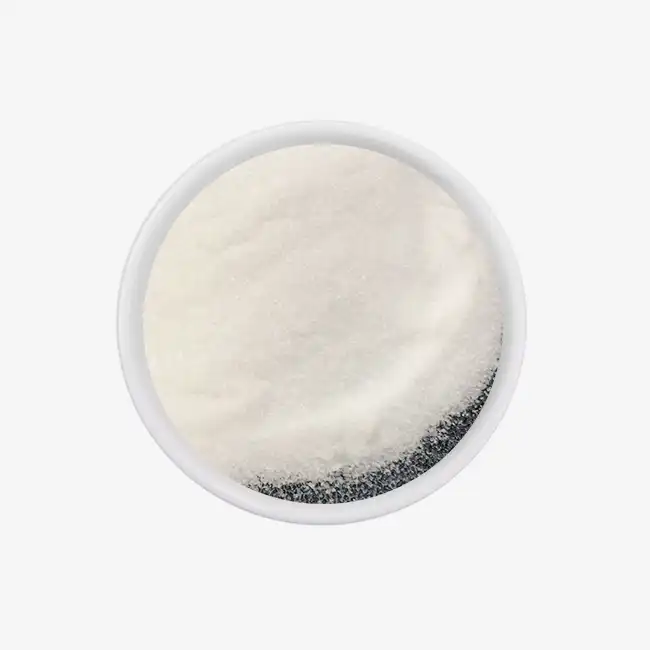
Because of its unique chemical and physical properties, deicing solid potassium acetate has changed how winter repair is done in the transportation, airline, and industry sectors. Unlike chloride-based salts, which weaken structures over time, this white crystalline substance dissolves quickly in water, acid, and alcohol. This makes an exothermic reaction that speeds up the melting of ice and the breaking of bonds between frozen layers and sidewalk surfaces.
The Science Behind Acetate-Based Ice Melting
The deicing system works by lowering the freezing point of water thru colliding qualities. When deicing solid potassium acetate is put on icy surfaces, it breaks up the network of hydrogen bonds inside the ice crystals and creates heat as it melts. This two-part method works especially well in temperatures as low as -30°C (-22°F), which is much lower than the temperature range where rock salt or calcium chloride normally work. Because acetate compounds break down naturally, runoff doesn't pose much of a danger to marine ecosystems, plants, or groundwater quality. This is very important for buildings that are close to protected waterways or are trying to get LEED certification.
Environmental and Infrastructure Advantages
Environmental responsibility and operational efficiency are becoming more and more important in modern procurement choices. In more than one way, deicing solid potassium acetate meets both needs. The lack of chloride ions stops the electrochemical corrosion that weakens the steel that supports concrete structures. This protects aircraft landing gear parts, makes bridge decks and parking lots last longer, and stops bridge decks and parking lots from rusting. Biochemical oxygen demand is typically much lower in environmental tests compared to glycol-based alternatives. This makes it easier for local wastewater treatment systems to handle waste water. Studies on plant tolerance show that the suggested amounts cause little harm to plants, so landscape investments around treated areas can be kept.
Common Application Methods and Equipment
To launch something successfully, you need to know how to distribute it correctly. Granular formulations can be precisely calibrated with standard spreading equipment that is used by workers who work on highways and at airports. Combining solid granules with liquid deicing solid potassium acetate solutions in pre-wetting strategies stops particles from bouncing and scattering during application and starts the melting reaction as soon as the particles touch the surface. Automated application systems with GPS direction make sure that coverage rates are the same everyplace. These rates are usually between 40 and 100 grams per square meter, but they rely on the thickness of the ice and the weather. For smaller areas, spreading by hand is still possible with broadcast spreaders that have been set up to give a uniform powder distribution.
Critical Factors Influencing Solid Potassium Acetate Deicing Performance
Performance optimization requires paying close attention to many variables that affect how well ice melts and how operations go.
Temperature Thresholds and Melting Point Depression
In a lab setting, the eutectic point of deicing solid potassium acetate liquids is around -60°C (-76°F). However, in the field, they can still work at temperatures as low as -30°C. This is a big plus compared to calcium chloride, which stops working around -25°C, and urea-based goods, which stop working below -7°C. Temperature directly affects how fast things dissolve and how quickly brine forms. When the temperature is within the acceptable range, it speeds up melting, but when it's very cold, higher application rates are needed to get the same effects. When procurement managers know about the patterns of the local climate, they can choose formulations that work best with the temperature profiles in the area.
Chemical Purity and Composition Standards
Product quality is directly linked to consistent performance and the safety of the infrastructure. High-purity mixtures with at least 99% deicing solid potassium acetate make sure that the melting process is predictable and that treated surfaces don't get too much residue. Chloride ions (which should stay below 0.2%) and other impurities can make acetate deicers less non-corrosive, which is what makes them different from regular salts. If the iron content is more than 0.05%, it could stain concrete or stone. Water-insoluble matter above certain levels is a sign of problems with the way the product was made that make it less effective. Aerospace Material Specification SAE AMS 1431 certification makes sure that goods meet strict aircraft industry standards for use on runways and taxiways.

Application Rate and Timing Considerations
Strategic application has a big effect on how well things work and how much they cost. If you clean the sidewalk before it rains or snows, the ice won't stick to it, which means you won't have to use as many chemicals to remove it. Spreading rates must take into account the thickness of the ice, the temperature of the surface, the amount of traffic, and how long the rain is expected to last. When you don't apply enough, ice hazards still exist, and when you apply too much, you waste resources without getting any performance gains. Real-time weather tracking tools that are built into application equipment let rates change on the fly as conditions change. The length of time between reapplications depends on how much rain falls and how the temperature changes during storms.
Environmental Variables and Surface Conditions
Because deicing solid potassium acetate naturally draws water from the air, humidity levels affect how hygroscopic it is. Higher humidity speeds up the formation of the brine, while conditions that are very dry may slow the process of dissolution. Different tactics are needed for different types of precipitation, like freezing rain and dry snow buildup. The ability of a surface to hold liquid changes how it does so. For example, porous asphalt takes salt water differently than thick concrete or polished stone. Soil, sand, or organic matter that gets into the chemicals weakens them and makes it harder for the ice to stick together. By making sure that chemicals react directly with ice, regular surface maintenance and good drainage design improve deicer performance.
Comparing Solid Potassium Acetate with Other Deicing Agents: What Do You Need to Know?
To choose the right deicing solutions, you need to know how the pros and cons of each option compare.
Performance Against Calcium Chloride and Traditional Salts
Calcium chloride makes a lot of heat when it dissolves, so even at low temperatures, it melts quickly at first. However, this exothermic reaction speeds up the breakdown of concrete thru thermal shock cycles and encourages the rusting of metal parts of infrastructure. The most affordable option is traditional rock salt, which is sodium chloride. However, it stops working at temperatures below -9°C and damages the environment by building up chloride in soils and water. Deicing solid potassium acetate gets rid of these problems while still being more effective at low temperatures and working with more systems. This makes it worth paying more for in high-value situations where long-term costs are more important than short-term savings on purchases.
Solid Versus Liquid Formulation Trade-offs
Active chemistry is the same in both forms, but how they are handled and how they are used are different. Liquid deicing solid potassium acetate solutions cover the surface right away and stop particles from bouncing around, which makes them perfect for preventing icing and deicing aircraft. For storage, temperature-controlled spaces are needed to keep things from freezing, and for application equipment, regular upkeep is needed to keep it from getting clogged. Solid granular products are easier to store in places that control moisture, stay stable for longer on the shelf, and work with standard mechanical spreading equipment. Hybrid methods use pre-wetting techniques to combine the best features of both types of formulations.
Evaluating Eco-friendly Alternative Deicers
While magnesium acetate has some of the same environmental benefits, it works a little differently and is effective down to about -28°C. Sodium acetate has similar non-corrosive qualities, but its molecular weight is different, which changes how the application rate is calculated. People who care about the environment like urea-based products, but they can't be used below -7°C and add nitrogen to streams, which could cause algae blooms and reduce the amount of oxygen in the water. In addition to easy per-ton cost comparisons, selection choices should be based on a full lifecycle study that looks at production impacts, application efficiency, infrastructure preservation, and the environmental fate.
Procurement Considerations: How to Source and Evaluate Solid Potassium Acetate Deicer
To find reliable supply lines that offer uniform quality, strategic sourcing involves balancing a lot of different factors.
Understanding Market Pricing and Order Requirements
Buying bulk deicing solid potassium acetate is affected by the way the commodity market works, which is affected by the prices of raw materials, how well production capacity is used, and changes in seasonal demand. Tiered pricing systems are usually unlocked by making a volume commitment. For example, yearly contracts that set shipping schedules that match expected usage trends can save a lot of money. To justify dedicated production runs and get the best shipping rates, minimum order quantities usually start at 20 to 25 metric tons. Options for packaging, like 25 kg braided bags or 1000 kg ton bags, change how easy it is to handle and store things. When you forward contract during slow production times, you can often get better terms than when you buy things quickly during winter storms when supplies are limited.
Verifying Supplier Credentials and Certifications
Building relationships with certified manufacturers protects against inconsistent quality and supply problems. ISO 9001 approval shows that the company uses organized quality control methods to make sure that each batch is the same. Getting ISO 14001 approval for environmental management shows that you are committed to using safe production methods. Approval by SAE AMS 1431 means that it can be used in aviation uses that need the best performance standards. For places that serve specific groups, extra qualifications like Kosher and Halal certification may be important. A company's history in manufacturing can tell you a lot about its production skills. For example, companies that have been in business for 30 years or more usually have refined processes and institutional knowledge that newer companies don't have. Verification of production ability makes sure that sellers can meet large orders during times of high demand without breaking their delivery promises.
Logistics, Storage, and Delivery Planning
Because deicing solid potassium acetate (CAS NO.: 127-08-2)absorbs water, it needs to be stored in climate-controlled, well-ventilated spaces where the relative humidity stays below 65%. When materials are exposed to water, they clump together, making them harder to work with and apply. Quality checks on the packaging keep it from getting damaged during shipping, and keeping it away from things that don't go with it keeps it from getting contaminated. For bulk sales, delivery wait times are usually between 15 and 30 days, so you need to plan ahead before seasonal demand spikes. Strategic partnerships with international shipping partners make it possible for Asian manufacturing hubs to reliably deliver goods to North American markets on time. Just-in-time supply planning cuts down on the amount of storage that needs to be done on-site while still making sure that materials are available during long winter weather events.
Maximizing Deicing Performance: Best Practices and Case Studies
Operational success turns chemistry specs into safety and efficiency results that can be measured.
Application Techniques and Equipment Calibration
Precision spreading equipment that is set up to deliver specific application rates at different speeds and in different weather conditions makes sure that resources are used in the best way possible. GPS-guided systems make application maps that show how chemicals are used and how much covering there is. These maps are used for performance analysis and regulatory compliance reports. Pre-wetting attachment systems mix solid granules with liquid brine to start melting reactions before the particles settle on the surface. This cuts down on waste from moving traffic. Temperature-compensated application algorithms change spreading rates automatically based on sensors that measure the temperature of the ground and weather forecasts. Operator training programs that cover things like the properties of materials, how to use tools, and safety rules make things more consistent between maintenance jobs and when employes leave or come back to the company.
Airport Runway Deicing Case Study
Maintaining runway access during long winter storms was always hard at a big international airport that serves 40 million people a year. Calcium chloride used in the past harmed lighting systems and ground support equipment by rusting them, and watershed runoff caused environmental problems. Over three winters, switching to deicing solid potassium acetate that was certified by SAE AMS 1431 and using automated spreading equipment cut maintenance costs related to corrosion by 60%. Anti-icing rules put in place before the storm cut the average length of time that runways had to be closed by 40%. This meant that flights were delayed less often, which was good for the economy of airline partners and improved regional connections. Monitoring after the storm showed that it had almost no effect on the wetland ecosystems nearby. This met environmental standards and supported the airport's efforts to be more environmentally friendly.
Environmental Compliance and Sustainability Metrics
Winter maintenance programs that are responsible combine the need for instant safety with long-term environmental care. Strategies for melting ice that use acetate help the government follow the Clean Water Act's rules that limit the amount of chloride that can enter surface waters. Biochemical oxygen demand tracking shows that it has a small effect on the ability of cities to treat wastewater compared to glycol options. A carbon footprint analysis that takes into account the energy used in production, transportation, and applications gives us a starting point for efforts to keep getting better. Lifecycle assessment frameworks that look at how infrastructure service life can be extended thru less corrosion quantify the long-term sustainability benefits that make premium positioning relative to common chloride salts worth it.
Conclusion
To get the most out of deicing solid potassium acetate(CAS NO.: 127-08-2), you need to know how its chemical qualities, the surroundings, the way it is used, and the infrastructure it needs to work together. The results of operations depend on things like temperature limits, chemical purity, strategic time, and making sure that all equipment is properly calibrated. When compared to other deicers, this one has clear benefits in how well it works at low temperatures, how well it works with infrastructure, and how environmentally friendly it is. To make sure there is a steady supply during the busy winter months, good buying combines quality certifications, seller dependability, and logistics planning. Using best practices by carefully applying them, teaching operators, and keeping an eye on their performance all the time will get the best return on investment and help reach sustainability goals in aviation, transportation, and industrial repair.
FAQ
What temperature range does potassium acetate deicer remain effective?
Deicing solid potassium acetate can still be used for deicing even at -30°C (-22°F), which is much lower than traditional rock salt, which stops working around -9°C, and calcium chloride, which stops working around -25°C. Under controlled settings, the eutectic point drops to about -60°C. However, in the field, it usually works at higher temperatures.
How does chemical purity affect deicing performance?
Formulations that are very pure and contain at least 99% deicing solid potassium acetate make sure that the melting and performance are always the same. More than 0.2% chloride pollution hurts the non-corrosive qualities, and too much matter that doesn't dissolve in water makes it less effective. SAE AMS 1431 certification shows that strict purity standards for the aviation industry have been met.
What application rate should be used for optimal results?
Rates of spreading vary from 40 to 100 grams per square meter, based on the type of precipitation, the thickness of the ice, and the temperature of the surface. Lower rates (20–40 g/m²) are used for anti-icing before a storm, while higher amounts may be needed for active deicing during heavy buildup. Calibrated tools and changes made in real time based on situations make the best use of resources.
Partner with SHANXI ZHAOYI CHEMICAL for Reliable Deicing Solid Potassium Acetate Supply
With over 35 years of experience and a production capacity of 150,000 tons per year, SHANXI ZHAOYI CHEMICAL is a reliable company that makes deicing solid potassium acetate. Our white crystalline CH3COOK formulations stay ≥99% pure and meet SAE AMS 1431 standards, so they work the same way even at -30°C. Our ISO 9001, ISO 14001, Kosher, and Halal standards show that we care about quality and the environment. We can package things in a variety of ways, including 25 kg woven bags and 1000 kg ton bags. We also have solid foreign shipping partnerships that help us get goods to North American markets on time. Get in touch with our purchasing experts at sxzy@sxzhaoyi.com to talk about your winter repair needs and get personalized solutions backed by technical support and low bulk prices.
References
1. Transportation Research Board. (2022). Guidelines for the Selection of Snow and Ice Control Materials to Mitigate Environmental Impacts. National Academies Press.
2. Federal Aviation Administration. (2021). Advisory Circular 150/5200-30D: Airport Winter Safety and Operations. U.S. Department of Transportation.
3. Society of Automotive Engineers. (2020). SAE AMS 1431: Compound, Solid Runway and Taxiway Deicing/Anti-icing. SAE International Standards.
4. American Society for Testing and Materials. (2023). ASTM D7233: Standard Test Method for Freezing Point Depression of Aqueous Airport Deicing/Anti-icing Fluids. ASTM International.
5. Environmental Protection Agency. (2022). Best Management Practices for Airport Deicing Stormwater. EPA Office of Water.
6. Canadian Strategic Highway Research Program. (2021). Synthesis of Best Practices: Road Salt Management. Transportation Association of Canada.

USER EVALUATE
Here is the customer's evaluation of us