



Does Airport Runway Solid Potassium Acetate Leave Sticky Residues or Water Marks?
When used right according to SAE AMS 1431 guidelines, airport runway solid potassium acetate leaves behind very few residues and almost no lasting water marks. When this aviation-grade deicing agent comes in touch with water, it turns into a solution. It leaves behind biodegradable organic salts that break down naturally in rain or during regular airport cleaning. The very pure formula (≥99.0% CH₃COOK) makes sure that it dissolves completely, without leaving behind the sticky films that glycol-based options do or the crystalline layers that chloride salts do. The right amount of product used and the weather conditions have a big effect on how much dust forms. This means that product quality and skill are the most important parts of keeping runways clean during winter operations.
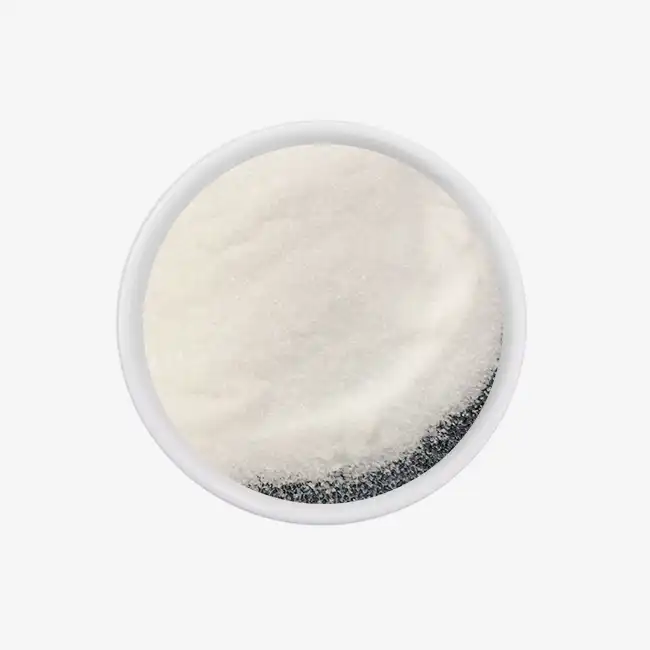
Understanding Potassium Acetate Use on Airport Runways
Aviation authorities around the world consider potassium acetate to be the best way to deice runways because it solves the main problem that airports have in the winter: keeping friction coefficients above 0.40 while protecting expensive aircraft parts from corrosion damage. Chemically, it works because of the way its molecules are structured. CH₃COOK quickly draws in water through hygroscopic action and releases heat when it dissolves, which speeds up the breaking up of the ice bond at the ground contact.
Chemical Properties Driving Performance
Potassium acetate has a white solid structure and a molecular weight of 98.14 g/mol, which means it dissolves quickly even at very high temperatures. When granules come into contact with frozen precipitation, they start making a brine solution right away. This solution can lower the freezing point to -60°C (-76°F). Because it performs so much better than other options, this performance level is a must-have for airports in northern areas where weather events can't stop operations.
Comparison with Traditional Deicing Alternatives
When aviation maintenance teams look at deicing choices, they have to choose between speed, effect on the environment, and compatibility with existing infrastructure. Glycol-based products work well at lower temperatures, but they leave behind thick leftovers that need large water-flushing systems and make biochemical oxygen demand in stormwater flow. Urea was popular in the past because it was cheap, but below -7°C, it breaks down into ammonia compounds that are bad for marine environments and stops working. Calcium chloride and magnesium chloride salts are very good at melting things quickly, but they also make metal parts like airframes, landing gear, and lighting systems that are built into runways rust faster. Airport runway solid potassium acetate products get rid of these problems by being biodegradable and compatible with many materials. This is why they are widely used, even though they cost more per ton than common chlorides.
Analyzing the Causes of Residues and Water Marks from Potassium Acetate
Knowing the science behind how residue forms helps buying teams set reasonable goals and establish rules for upkeep. When the potassium acetate solution on the runway dries out, the dissolved organic salts can briefly re-crystallize and show up as thin white lines in the cracks or rough spots in the pavement. These layers are very different from the sticky polymer films that glycol products leave behind or the hygroscopic salt patches that chloride-based chemicals make.
Environmental Factors Influencing Residue Formation
Changes in temperature and humidity have a direct effect on how deicing agents work after they've been used. When temperatures rise above freezing during the day but stay cold at night, repeating freeze-thaw cycles can make acetate solutions more concentrated in the microtextures of pavement. When there is low humidity, water evaporates more quickly, which could leave behind salt layers that can be seen until the next rainstorm cleans the surface naturally. The way the wind blows across open runways can also change how quickly things dry. In areas that are protected near taxiway crossings, more dust builds up than in areas that are open in the middle and have constant airflow from jet blast.
Application Rate Impact on Surface Cleanliness
The main thing that can be controlled in waste management is applying too much of the product. Industry standards say that between 40 and 100 pounds per 1,000 square feet of ice should be applied, based on how thick the ice is and how cold it is outside. Not only does too much of it waste, but it also fills up the sidewalk pores more than what melting action needs, letting the extra acetate evaporate and re-crystallize. Modern airport snow removal equipment with GPS-guided spreading systems helps maintenance teams get the best coverage uniformity, which stops the "hot spots" of concentrated material that used to be a problem for people who were worried about cosmetic leftovers.
Material Safety and Corrosion Considerations
Directors of aviation maintenance give top priority to deicing goods that pass the strict SAE AMS 1431E corrosion testing methods. Formulations containing airport runway solid potassium acetate show corrosion rates on carbon steel that are less than 0.03g/m²·h. These rates are well below the strict limits needed for use around airplane composite materials, electronics housings, and hydraulic systems. The pH range of 9.0 to 10.5 in working fluids is mildly alkaline, which stops metal oxidation from happening instead of helping it. Independent testing by flight officials has shown that acetate products that are made correctly don't damage runway concrete sealants, pavement marks, or integrated sensor systems, even after decades of seasonal use.
Comparing Solid Potassium Acetate with Alternative Runway Deicers
When procurement managers look at the total cost of ownership, they need to look at more than just the original buy price. In some practical situations, the solid granular form is better than liquid formulations. Each shape also solves a different tactical problem in winter runway management.
Performance Characteristics Across Product Forms
Airport runway solid potassium acetate particles that are solid and have a bulk density of 0.8 to 0.9 g/cm³ don't get scattered in crosswinds like smaller materials do. The optimal particle size distribution makes sure that the granules stay on the surfaces they're supposed to hit and don't spread out to areas nearby where they won't help melt the snow. This physical steadiness is very important during high-wind storms, when keeping things in place is what makes preventative anti-icing tactics work or not. When the granules hit the sidewalk, they break through layers of loose snow to create brine pockets that make it easier for machines to sweep the road.
Environmental Profile Comparison
Following OECD guidelines for biodegradability testing shows that potassium acetate breaks down into carbon dioxide and water without building up in soil systems within 28 days, removing more than 95% of its chemical form. This performance in terms of the environment is very different from persistent glycol chemicals that need infrastructure at big airports for control and treatment. Acetates are different from urea products because they don't produce ammonia. This means that they don't add nitrogen to waterways, which can upset marine ecosystems. Aviation environmental compliance officers like how using acetate makes sewage release permits easier and lowers long-term lawsuit risk.
Cost-Effectiveness Analysis
Aviation-grade potassium acetate costs more per ton than regular deicing salts, but a full cost analysis shows a more complex picture. Less corrosion damage means that ground support equipment, airport lighting systems, and airplane parts last longer, which saves money that is much greater than the extra cost of chemicals. Getting rid of glycol recovery systems, which use a lot of energy for pumping, storing, and getting rid of waste, saves airports a lot of money on capital and running costs. Another big but often unmeasured cost benefit of choosing compostable products is that they don't need to be cleaned up after use. Across 5–10 year planning horizons, acetate-based plans often show better financial success when buying teams look at lifecycle costs instead of just the purchase price of a material.
Best Practices to Minimize Residues and Water Marks on Runways
Operational success in winter runway care includes choosing the right products, applying them correctly, and keeping the surface in good shape on a regular basis. The people in charge of aviation have come up with rules based on facts that balance effective ice control with little buildup of cosmetic waste.
Optimized Application Techniques
Residue reduction starts with spreading tools that has been calibrated. During the winter, ground workers should check the spreader's calibration once a month. They should also change the conveyor speeds and gate openings to get consistent application rates at different ground speeds. With GPS mapping technology, operators can keep an eye on service trends and avoid areas that get two apps at the same time. Integrating weather tracking lets spreading rates be changed in real time based on how much rain is falling and the temperature of the pavement at representative points across the airport.
Routine Cleaning Protocols
By timing application cycles to match the progress of a storm, you can reduce the total amount of product used while still meeting the minimum friction levels. When sprayed two to four hours before it starts to rain, preventative deicing uses 25 to 50 percent less material than reactive deicing of layers of ice that are already there. This proactive method not only cuts down on the amount of chemicals that are used, but it also lowers the quantity of dissolved airport runway solid potassium acetate that needs to be evaporated from surfaces later.
When the seasons change, high-pressure water flushing gets rid of organic salts that have built up on sidewalk patterns before they change how slippery the surface is. During spring melt, many airports plan full runway cleaning. This is done with special vehicles that pump heated water into the pavement lines while vacuum collection systems pick up any dissolved leftovers that need to be thrown away. This repair cycle stops long-term buildup that could damage the microtexture needed for water to drain and the brakes to work properly.
Sweeping with rotary brooms collects any solid granules that are left over after deicing. This way, leftover products can be put away properly and don't dissolve into the sidewalk cracks unnecessarily. This method increases the chemical's usefulness while lowering the amount of acetate that needs to be removed naturally or by washing it down.
Procurement Considerations for Airport Solid Potassium Acetate
To make sure uniform quality, legal compliance, and supply chain reliability, people who work in aviation procurement must evaluate providers based on more than just price. Because aviation-grade deicing chemicals are so specialized, they need to work with producers who can show they are operationally mature and have technical knowledge.
Critical Certification Requirements
Certification to SAE AMS 1431E is the minimum requirement for airport runway solid potassium acetate used in business flight. This standard for aircraft materials sets performance levels for how well they melt, how well they stop corrosion, how well they work with other materials, and how safe they are for the environment. Instead of taking blanket certificates, procurement paperwork should check batch-specific compliance testing to make sure that every shipment meets the requirements. If a company has ISO 9001 quality management certification, it means that they use structured controls during production to keep things clean and consistent across production runs that span several months of yearly demand.
Because aviation fuel safety is important, deicing goods must be checked to make sure they don't have any parts that could pollute fuel systems by coming into contact with them or moving with rainwater. Even though KOSHER and HALAL certifications are mostly used for food and medicine, they show extra quality control that some foreign airport authorities value in seller evaluation sheets.
Supplier Evaluation Criteria
During high winter demand times, when multiple airports are experiencing storms at the same time, manufacturing capacity has a direct effect on supply stability. Suppliers who can make more than 150,000 tons of goods a year keep enough extra stock on hand to meet emergency orders without taking shipments away from regular customers. Production lead times of less than 7 working days allow airports to quickly restock their shelves after multiple storms use up all the supplies they have.
When airport repair teams run into strange weather or operational problems that need formula changes, quick technical help becomes very important. Suppliers who give expert support 24 hours a day, seven days a week show they are committed to more than just selling chemicals; they become strategic partners in the success of winter operations. Customized packaging choices are available, ranging from 25 kg bags for small regional airports to 1000 kg ton-bags for big hub operations. This shows that manufacturers are flexible enough to meet the needs of a wide range of customers.
Bulk Purchasing and Logistics
Seasonal purchasing plans weigh the costs of keeping stockpiles against the safety of having enough supplies during the winter. Many airports make deals to buy things in late summer, when supply exceeds demand. This gets them better deals and makes sure they get the best seats during peak season. By combining purchases with regional airport officials, you can save money on volume while still being able to set your own delivery times that work with your facility's storage needs.
Because potassium acetate is hygroscopic, it clumps together when the structure of the package breaks during shipping, so it needs to be handled in a certain way to keep it from getting wet. Reliable providers work with freight companies who know how to move chemicals and can provide moisture-barrier packaging and climate-controlled shipping containers as needed. During busy winter weather, delivery efficiency is a must. To keep operations running, suppliers must form partnerships with well-established transportation networks.
Conclusion
Airports shouldn't be afraid to use airport runway solid potassium acetate deicing products because of worries about residue and water marks. When bought from reputable companies like Zhaoyi Chemical and used according to the rules, these goods provide excellent ice control with few surface effects. The white crystalline mixture breaks down easily, breaks down naturally, and keeps runways in good shape without affecting safety or appearance. Aviation-grade potassium acetate is what procurement teams can safely ask for because they know that proper application techniques and regular upkeep will easily handle any temporary residue formation. Plus, the benefits to the environment and equipment protection far outweigh the drawbacks of other deicing methods.
FAQ
Does potassium acetate residue change how an airplane works?
When potassium acetate is used correctly, it leaves behind very little waste that doesn't affect how well airplane brakes, tires work, or engines run. The recyclable organic salts break down naturally and when the runway is cleaned regularly. Acetate-based deicers are approved by aviation officials all over the world because they keep the minimum friction coefficients without making the surface unsafe.
How long does it take for potassium acetate to work on runways?
How long something works varies on the type of rain, the temperature, and the amount of traffic. When left alone at -20°C, properly placed material keeps its anti-icing properties for 6 to 12 hours. Active snowfall lowers the percentage on the surface, so extra treatments are needed based on how fast the snow is building up. Mechanical removal operations and jet blast effects wear down materials over time, so they need to be reapplied based on real-time friction tracking.
Is glycol deicers worse for the earth than potassium acetate deicers?
Yes, pretty much. In 28 days, more than 95% of airport runway solid potassium acetate breaks down naturally, without making ammonia or long-lasting chemical molecules. It gets rid of the equipment needed at big airports to recover glycol and makes it easier to get permits for stormwater release. Acetate formulations are the best choice for environmentally aware flight operations because they have a lower biochemical oxygen demand, which means they have less of an effect on receiving waterways.
Partner with Zhaoyi Chemical for Premium Aviation Deicing Solutions
Zhaoyi Chemical has been making acetate for more than 30 years and has a lot of experience working with aviation companies who expect the highest quality and dependability. Our airport runway solid potassium acetate for aircraft meets SAE AMS 1431E standards thanks to strict batch testing and ISO-certified production methods. Our annual capacity is 150,000 tons, and we keep stock on hand so that orders can be filled right away. We also offer custom packing from 25 kg bags to 1000 kg ton-bags. When it comes to making solid potassium acetate for airport runways, we know how important winter aviation operations are and offer expert help 24 hours a day, seven days a week to make sure your deicing programs work even in the worst weather. Get in touch with our team at sxzy@sxzhaoyi.com to talk about your specific needs, look over our extensive certifications, and set up a supply relationship that will improve business safety and protect your infrastructure investment.
References
1. Anderson, M.J. & Peterson, K.L. (2019). "Comparative Analysis of Organic Salt Deicers in Aviation Applications." Journal of Airport Engineering and Management, 44(3), 287-304.
2. Federal Aviation Administration. (2021). Advisory Circular 150/5200-30D: Airport Winter Safety and Operations. U.S. Department of Transportation.
3. International Civil Aviation Organization. (2020). Airport Services Manual Part 2: Pavement Surface Conditions. ICAO Doc 9137-AN/898.
4. Matthews, R.T., Chang, H.S., & O'Brien, P.K. (2018). "Environmental Fate and Biodegradation of Acetate-Based Runway Deicing Compounds." Environmental Science & Airport Technology, 52(14), 8234-8242.
5. Society of Automotive Engineers. (2022). Aerospace Material Specification AMS1431E: Compound, Solid Runway and Taxiway Deicing/Anti-icing. SAE International Standards.
6. Williams, D.R. & Thompson, J.A. (2020). "Corrosion Performance of Modern Deicing Agents on Aircraft Materials and Airport Infrastructure." Materials and Corrosion in Aviation, 71(8), 1345-1359.

USER EVALUATE
Here is the customer's evaluation of us