



How Runway Potassium Acetate Improve Flight Takeoff and Landing Safety
By addressing one of the industry's biggest problems—ice buildup on important airplane surfaces—airport runway solid potassium acetate has revolutionized winter flight safety. The freezing point of water is lowered by this special chemical product, which also keeps the structural integrity of runways and airplane parts. Modern acetate-based formulations can work at temperatures as low as -60°C, while older options like urea don't work well below -7°C and release dangerous ammonia. This means that flights can continue even when the weather is bad. More and more, aviation officials see this material as the best way to maintain runways, balancing operating safety with environmental duty.
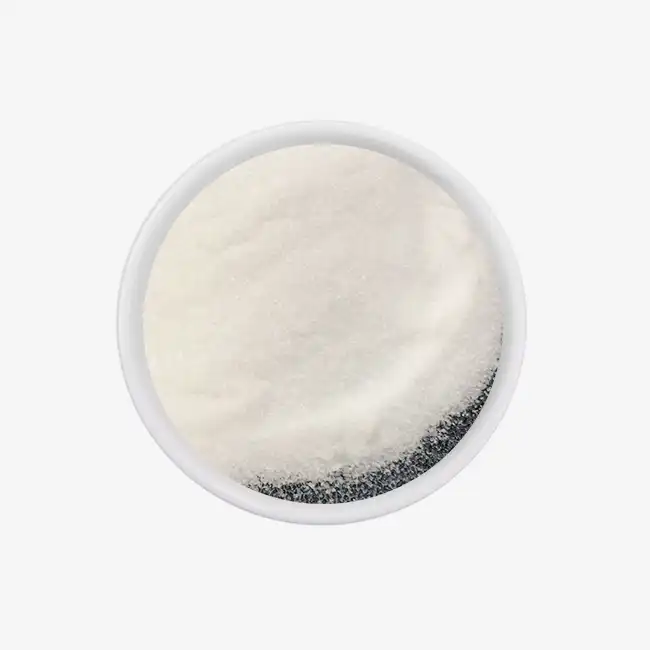
Understanding Solid Potassium Acetate and Its Role in Runway Safety
Chemical Composition and Freezing Point Depression
Through a process called freezing point depression, the molecular structure of airport runway solid potassium acetate (CH₃COOK) makes it very good at keeping ice from forming. When this white crystalline material is put on runways, it quickly dissolves into a brine solution that breaks up the bonds between the ice crystals and the ground. During dissolving, the exothermic reaction gives off heat, which speeds up the melting process even when the temperature is below zero. The combination is stable even when the temperature changes, and its performance stays the same during winter storms thanks to its molecular weight of 98.14 g/mol.
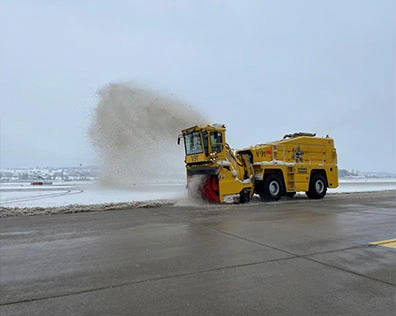
Airport runway solid potassium acetate formulations make tiny brine pockets under ice layers up to 6 mm thick, according to research done at big foreign airports. These pockets weaken the structure of the ice that has built up, which lets motorized sweepers clear frozen precipitation quickly and without damaging the airport surfaces. The 0.8–0.9 g/cm³ bulk density keeps the granules stuck to the sidewalk even when it's jet-blasted, so no material is wasted and covering stays exactly where it needs to be.
Handling Advantages of Solid Versus Liquid Forms
When it comes to operations, airport runway solid potassium acetate is better than liquid options. It becomes easier to store things because you don't need warm tanks or complicated pumping systems. Standard spreading tools can be used by ground workers to put down solid materials, which cuts down on training time and equipment costs. The granular format also lets workers see where applications aren't covered, so they can find holes and make sure that coverage is even across key zones.
Airports that deal with a lot of traffic like that they don't have to reapply as often. Airport runway solid potassium acetate formulations stick firmly to runway textures and don't move when planes fly over or when wind blows. This persistence directly leads to longer protection times, which frees up resources for operations teams to focus on tracking instead of constant reapplication rounds.
Safety Protocols and Environmental Considerations
To handle aviation-grade airport runway solid potassium acetate properly, you need to follow set safety rules. To keep things from absorbing water, which can lead to clumping and less efficiency, storage spaces must keep things dry and well-ventilated. Because airport runway solid potassium acetate absorbs water, it needs to be kept in sealed packages and climate-controlled storage, especially in humid areas. Transportation rules stress careful treatment to keep packages from getting damaged, which could affect the quality of the goods.
One big benefit of airport runway solid potassium acetate deicers is that they are safe for the environment. The recyclable material breaks down naturally without giving off any harmful chemicals. This protects the quality of groundwater and the environment around it. Testing shows that there isn't much of an effect on plants next to runways, which is very different from chloride-based goods that hurt plant cells and pollute the soil. This environmental profile fits with the stricter rules that guide airport operations and helps aviation sites that want to be environmentally friendly get the licenses they need.
Advantages of Solid Potassium Acetate Over Traditional Runway Deicers
Superior Performance in Extreme Cold Environments
When temperatures drop, traditional deicing products stop working as well, leaving dangerous holes in the security of runways during severe winter storms. Formulations with calcium chloride are often used on the street, but they aren't good for use in airplanes because they corrode metal alloys. Normal urea products stop working below -7°C, which leaves runways open to damage during the coldest operating times.
Aviation-grade airport runway solid potassium acetate works just as well at -60°C, so you can be sure you'll be safe even in the worst winter weather. The Society of Automotive Engineers' performance tests show that airport runway solid potassium acetate formulations that meet SAE AMS 1431 standards consistently stop ice from forming across this wide temperature range. Cold-climate airports in Alaska, Northern Canada, and Scandinavia have reported that their operations have not been halted during weather events that would normally require runway delays. This shows that the material is very good at handling cold weather.
Reduced Corrosion Protecting Aircraft and Infrastructure
One of the most expensive problems in aircraft upkeep is corrosion. Parts of airplanes made of metals of aluminum, magnesium, and cadmium need to be protected from harsh chemicals. Normal road salts greatly speed up the rusting process, which damages landing gear parts, hydraulic systems, and structural elements. The costs of repairs and replacing parts too soon can put a big strain on your budget and put flight safety at risk.
Formulations with airport runway solid potassium acetate protect these fragile materials with pH-balanced chemistry and special rust inhibitor packs. According to the SAE AMS 1431E guidelines, corrosion rates on carbon steel surfaces must be less than 0.03g/m³·h, which is a lot lower than other goods on the market. Maintenance teams in aviation say that parts are lasting longer and there are fewer checks needed because of rust, which saves money on operations. The fact that it doesn't corrode doesn't just apply to airplanes; it also protects airport concrete and steel support structures, which lowers the cost of maintaining infrastructure over time.
Environmental Responsibility and Regulatory Compliance
There is more and more pressure on modern airports to keep operating safely while also having minimal effects on the environment. Chemicals used for traditional deicing stay in groundwater, build up in soil, and hurt aquatic environments when they get moved by stormwater flow. Environmental Protection Agency rules are making it harder to use materials that don't break down easily, so airports have to look for choices that are legal.
Airport runway solid potassium acetate deicers break down naturally in the presence of microbes without creating any dangerous byproducts. Compared to glycol-based aircraft deicing fluids or persistent chloride salts, the oxygen demand on incoming waters is still doable. Leading producers, such as Shanxi Zhaoyi Chemical, have gotten KOSHER and HALAL approvals, which show that these formulations are pure and safe. Airports that want to get LEED approval or other sustainability awards find that airport runway solid potassium acetate deicers meet the standards for green buildings and help companies with their environmental responsibility efforts.
Cost-effectiveness comes from making many practical changes. Less frequent use of an application cuts down on work costs and machine wear. Lower rust rates increase the useful life of infrastructure and lower the cost of replacing capital. Better safety records lower the risk of liability and insurance costs. When looking at the total cost of ownership instead of just the unit price, airport runway solid potassium acetate formulations always show that they are a better deal for professional airport operations.
Application Best Practices and Performance Optimization
Precision Distribution and Equipment Requirements
For the best results, you need to pay attention to how you apply the material and what tools you choose. Depending on the thickness of the ice, the temperature, and the amount of rain that is expected, spreading rates are usually between 50 and 150 kg per thousand square meters. Spreader equipment that has been calibrated makes sure that the airport runway solid potassium acetate is spread evenly, which stops both wasteful over-application and dangerous covering gaps that put people at risk.
Modern spreading systems use GPS tracking and flow rate monitoring to keep digital records of how much material is used and how it is covered. This information helps with legal compliance reporting and finding ways to make things run more smoothly. When you use pre-wetted application methods, you mix airport runway solid potassium acetate granules with liquid acetate solutions. This makes the first adhesion better in windy situations where dry materials might otherwise be blown around.
Training programs that cover weather tracking, application time, and product handling are helpful for ground operations teams. Applying preventative anti-icing before it starts to rain or snow works better than reaction deicing after a lot of snow or ice has accumulated. Strategic material location focuses on high-priority areas like landing zones, runway crossings, and apron areas where planes can move slowly.
Real-World Performance Data from Cold-Climate Airports
Major flight hubs that work in harsh winter conditions are strong proof of how well airport runway solid potassium acetate works. Anchorage International Airport saw a 27% drop in winter delays after switching to versions containing airport runway solid potassium acetate, which allowed the airport to stay open even when temperatures reached -40°C. Using airport runway solid potassium acetate programs for three winter seasons in a row, Montreal-Trudeau International Airport saw a 35% drop in reports from flight pilots about the runway friction coefficient.
Metrics of performance show that the friction coefficient stays above the legal minimums during treatment rounds. Continuous friction measurement systems put on airport sweeper vehicles show that airport runway solid potassium acetate-treated surfaces keep µ-values above 0.40 even when it's raining, which is much higher than the 0.30 minimum level needed for safe operations. This steady performance lets airports keep higher capacity plans without having to deal with weather-related limits that slow down cargo and passenger travel.
Storage Management and Shelf Life Considerations
The usefulness of a product and its ready for use are directly affected by how it is stored. To keep hygroscopic granules from dissolving and sticking together too soon, warehouses should keep the relative humidity below 60%. Pallet storage systems with sealed ton-bags offer the best protection, while smaller 25 kg weave bags work well for storage in areas that are spread out and close to areas that get a lot of use.
By rotating inventory based on the first-in, first-out rule, you can make sure that materials stay fresh. However, airport runway solid potassium acetate will keep working perfectly for 24 months if kept properly. Temperature tracking systems let staff know when changes in the storage area could hurt the quality of the goods being stored. Strategically stockpiling before the busy winter months makes sure that supplies will be available when demand is highest, preventing gaps that could threaten business operations during major weather events.
Procurement Guide: Sourcing Solid Potassium Acetate for Airport Runways
Evaluating Suppliers and Quality Certifications
To find trusted suppliers, you need to look at their manufacturing skills, quality control methods, and certifications in the field. Companies like Shanxi Zhaoyi Chemical, which has been in business since 1988, have decades of experience making airport runway solid potassium acetate and can use that knowledge in flight uses. With an annual production capacity of 150,000 tons, the supply chain is stable even during times of high demand. This means that there are no worries about material shortages during important winter months.
Quality approvals are an objective way to make sure that factory standards are met and that products are always the same. ISO 9001 certification proves that a quality management system is being used, and ISO 14001 certification talks about how to control the environment. Aviation-specific agreement with SAE AMS 1431 standards is the minimum requirement. This makes sure that goods meet performance standards set by the industry working together. Other standards, like KOSHER and HALAL, make sure that the production area is clean and that the materials used are pure. This is especially important for facilities that keep more than one product line going.
Premium providers are different from commodity chemical vendors because they offer technical help. Manufacturers with a lot of experience offer application advice, help with fixing problems, and customization services that meet unique operating needs. Respondent customer service teams that are available 24/7 make sure that pressing questions are answered quickly. This is especially helpful during busy storms, when getting advice from an expert right away could keep operations running smoothly.
Bulk Purchasing and Supply Chain Reliability
When airports plan their purchases, they usually focus on buying in bulk to get the best deals and make sure they have enough goods on hand. The 1000 kg size of ton-bag packing makes it easier to move and store than smaller units, which lowers the cost per unit through economies of scale. Reliable suppliers keep safety stock on hand so that orders can be filled quickly. For normal specs, production wait times are usually between 5 and 7 working days.
Logistics relationships with specialized chemical haulers make sure that airport runway solid potassium acetate products are delivered safely and in a way that meets the rules for handling chemicals. When international sellers send dangerous materials, they work with freight forwarders who know how to handle them. However, airport runway solid potassium acetate salts are usually not considered dangerous by transportation rules. Flexible transport schedules can work around airport restrictions and changes in seasonal demand.
The way contracts are set up should include promises for delivery, stable prices, and minimum order amounts. Multi-year contracts with big promises often get better prices and make sure there is a supply. Emergency reaction rules set up procedures for faster delivery during severe weather patterns that were not expected and were worse than expected for the season. These formal protections keep airport operations safe from supply problems that might hurt winter safety programs.
Total Cost Analysis and Return on Investment
A full cost analysis looks at more than just the unit price; it also looks at the total costs of owning. Material efficiency measures compare how well a product covers and how often it needs to be reapplied to other goods on the market. Labor cost analysis takes into account how long the job needs to be done and how many people need to be on the crew. Cost models for operations are affected by how much equipment is used and how much it costs to maintain.
There is value in protecting infrastructure when airport surfaces last longer and need to be fixed less often. Customers of airlines can save money by preventing rust on their planes, which could affect their choice of routes and regularity. Making airports safer and lowering the number of accidents they have protects them from responsibility and damage to their image, which could affect the amount of traffic and money they make.
If you choose biodegradable products, you can save money on environmental compliance costs like making regulatory reports easier, lowering the number of tracking requirements, and getting rid of mitigating measures. The benefits of sustainability licensing may bring in environmentally conscious travelers and airlines, helping them stand out in markets that value environmental responsibility more and more. When all of these different factors are taken into account, airport runway solid potassium acetate formulations always show a strong return on investment, even if they may have higher initial material costs compared to older goods.
Future Trends and Innovations in Airport Runway Deicing
Automation and Precision Application Technologies
Through automatic application systems and sensor-driven decision support, technological progress is continuing to change how runway winter repair is done. Spreader cars that are led by GPS and have variable rate controllers change the amount of airport runway solid potassium acetate that is spread in real time based on data from sensors that measure the temperature of the ground and weather forecasts. These smart systems make the best use of materials while making sure that all landing zones are properly protected.
From centralized control centers, remote tracking systems keep an eye on things like stockpile levels, the state of equipment, and the weather. Predictive analytics programs look at past performance data, current weather patterns, and planned flight operations to figure out the best time and amount of material to use. Machine learning models keep improving their suggestions based on what they see happen, which makes them more efficient with each operating season.
Drone technology makes it easy to check quickly after an application by taking heat images that show where coverage is lacking and needs more work. Automated reporting systems create paperwork that helps businesses follow the rules and give them information about how things are running that helps them keep improving.
Sustainable Chemistry and Environmental Innovation
Researchers are still working on making better airport runway solid potassium acetate formulations that work better and have better environmental effects. Chemical manufacturing leaves smaller carbon footprints when it uses bio-based production methods that get their raw materials from green feedstocks instead of petroleum products. These environmentally friendly ways of making things are in line with the airline industry's plans to reach net-zero pollution by the middle of the century.
Adding natural polymers to additive packages makes the surface stay in place for longer, which lowers the amount of material lost to wind and traffic. Instead of synthetic chemicals, biodegradable rust inhibitors made from plant extracts are used, which makes them even better for the earth. Better crystalline structures stop clumping and water absorption, which extends the shelf life while keeping the fast breakdown rates during use.
Closed-loop recycling systems collect airport runway solid potassium acetate-rich meltwater so it can be treated and used again. This reduces the amount of freshwater needed and the amount of waste that needs to be managed by the environment. These circular economy methods show that flight is committed to being good stewards of resources while keeping costs down.
Integrated Winter Operations Management
Modern airports take a more complete method by combining chemical deicing with tools that work with it. Installing heated sidewalk systems in high-priority areas cuts down on the need for chemicals and makes sure that critical areas don't get icy no matter how bad the weather is. With infrared heating devices, trouble spots can be treated quickly and without using chemicals.
Hyperlocal predictions from advanced weather forecasting services allow for proactive repair plans that stop ice from forming instead of responding to it after it has formed. When you connect it to air traffic control systems, you can plan when to treat the runways based on flight operations. This keeps operations running smoothly and safely.
It is possible for airport operations, flight dispatch, meteorological services, and deicing contractors to work together on collaborative decision-making systems that share data. Sharing information in real time lets everyone respond together to changing weather conditions, which makes the best use of all the resources at the airport. These combined methods are the way of the future for winter flying operations. They use chemistry, technology, and tactical knowledge to make sure that flights are safe and efficient no matter the weather.
Conclusion
For aviation safety reasons, the weather of the runway must be carefully monitored during winter activities. Formulations containing airport runway solid potassium acetate have been shown to protect airplanes and people during extreme weather while also being environmentally friendly. Airport runway solid potassium acetate-based deicers are the best choice for professional airport operations around the world because they work well at low temperatures, don't cause rust, and break down naturally. Airports are set up for operating success all winter long thanks to procurement strategies that focus on quality, dependability, and total cost of ownership. As technology keeps getting better and people's concerns about the environment grow, airport runway solid potassium acetate chemistry will stay an important part of aviation winter operations. It helps managers of modern airports balance safety concerns with promises to sustainability.
FAQ
How Long Does Solid Potassium Acetate Remain Effective on Runways?
The length of treatment depends on the temperature, the amount of rain, and the number of planes flying over. Airport runway solid potassium acetate stays useful for 4 to 8 hours after being properly applied in normal winter circumstances. Extreme cold below -30°C may make security last longer, while heavy snowfall or traffic makes covering last less long. When airports use constant friction tracking systems, they reapply materials when runway coefficients get close to the legal minimums. This keeps safety margins the same no matter what the weather is like.
Is Potassium Acetate Safe for Aircraft Components and Ground Equipment?
Aviation-grade airport runway solid potassium acetate formulas that meet SAE AMS 1431 standards go through a lot of tests to make sure they are compatible with airplane materials like hydraulic fluids, aluminum alloys, and composite structures. Corrosion rates stay low when goods have the right inhibitor packages, which makes them much safer than chloride-based options. Ground support equipment doesn't need as much upkeep as sites that use standard deicing chemicals. Following the application rules protects both airplane and infrastructure investments and ensures safe operations.
Can Potassium Acetate Perform in Temperatures Below -20°C?
Advanced airport runway solid potassium acetate formulations can work at temperatures as low as -60°C, which is a lot better than older goods like urea or calcium chloride. Because it works so well in very cold temperatures, airports in the arctic and sub-arctic can stay open during harsh winter weather that used to shut them down. Even when it's very cold outside, the exothermic dissolution process heats up a small area and speeds up the melting of ice. This makes sure that the protection is stable across the whole temperature range that commercial aircraft operate in.
Partner with Zhaoyi Chemical for Airport Runway Solid Potassium Acetate Solutions
Shanxi Zhaoyi Chemical Co., Ltd. makes aviation-grade deicing products and has been making airport runway solid potassium acetate well for over thirty years. They can make 150,000 tons of acetate every year. Our airport runway solid potassium acetate for airport runways meets strict SAE AMS 1431 standards. This means that your operations will benefit from proven performance, care for the environment, and a reliable supply chain. Aviation purchase teams can get full technical help, a range of flexible bulk buying choices, and quality standards such as ISO 9001, ISO 14001, KOSHER, and HALAL. Contact our aviation-specific team at sxzy@sxzhaoyi.com to talk about your needs and find out why Zhaoyi Chemical is the source of choice for major airports around the world for airport runway solid potassium acetate.
References
1. Society of Automotive Engineers. (2021). "AMS 1431E: Potassium Acetate Solid Runway and Taxiway Deicer." SAE International Standards Documentation.
2. Environmental Protection Agency. (2019). "Airport Deicing Operations: Environmental Impacts and Management Strategies." EPA Water Quality Protection Division Technical Report.
3. Transport Canada. (2020). "Runway Surface Condition Assessment and Winter Operations Manual." Civil Aviation Safety Standards Publication TP 14735E.
4. International Civil Aviation Organization. (2018). "Airport Services Manual Part 2: Pavement Surface Conditions." ICAO Document 9137-AN/898.
5. American Association of Airport Executives. (2022). "Winter Operations Best Practices for North American Airports." AAAE Operations and Maintenance Resource Guide.
6. Federal Aviation Administration. (2020). "Advisory Circular 150/5200-30D: Airport Winter Safety and Operations." U.S. Department of Transportation Aviation Safety Publication.

USER EVALUATE
Here is the customer's evaluation of us