



Snow Melting Solid Potassium Acetate vs Traditional Chloride Snow Melt Agents
Procurement managers are faced with a difficult choice when winter storms threaten important infrastructure: continue using chloride deicers, which damage equipment and are bad for the environment, or switch to snow melting solid potassium acetate, a biodegradable substitute that safeguards assets and performs better in temperatures as low as -35°C. The choice has a huge effect on upkeep funds, environmental compliance, and the dependability of operations at airports, highways, and factories all over the United States.
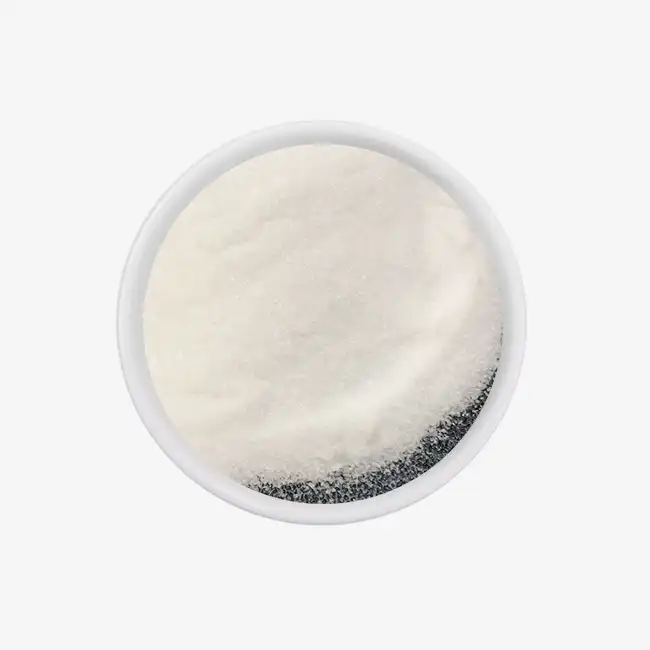
Understanding Solid Potassium Acetate as a Snow Melting Agent
Chemical Properties and Performance Characteristics
Because of the way its molecules are structured, snow melting solid potassium acetate (CH₃COOK) is a very good deicing substance. This white solid material breaks down quickly in water, acid, and alcohol. Its molecular weight is 98.14 g/mol and its CAS number is 127-08-2. The acetate formula melts ice much more effectively at much lower temperatures than many chloride options. In concentrated uses, it can still work at -35°C.
Environmental Benefits and Sustainability Credentials
Biodegradability is what sets acetate-based deicers apart from chloride chemicals that stay in the ground. Potassium acetate breaks down naturally in water and dirt, leaving behind no harmful chemicals. This trait deals with the fact that chloride discharge into sensitive rivers and protected ecosystems is coming under more and more governmental pressure. As acetate molecules are easily incorporated into biological treatment processes, they make it easier for municipal wastewater facilities to handle treatment.
Industrial Applications and Proven Performance
There are a lot of places where material fit is important, and aviation sites are one of them. Formulations with potassium acetate meet strict Boeing and Airbus standards for airplane surface compatibility. This keeps composite materials, sensitive electronics, and hydraulic systems from getting damaged. Acetate-based deicers are used to keep runways and taxiways in good shape at major international airports, which put safety at work and environmental responsibility first.
Infrastructure protection includes protecting ancient bridges and other historically important buildings where preserving them is more important than saving money. Transportation offices define solid potassium acetate compounds for concrete buildings that are breaking down because of chloride. These compounds stop further damage and keep winter safety standards in place. Radar installations, railroad switches, and hospital emergency access routes are all examples of industrial sites that need non-corrosive mixtures that keep surfaces from slipping without damaging sensitive instruments.
Limitations of Traditional Chloride Snow Melt Agents
Chemical Properties and Operational Drawbacks
Calcium chloride, sodium chloride, and magnesium chloride are the most popular deicing chemicals, but not because they work better, but because they are cheaper. Calcium chloride causes exothermic processes when it dissolves, which melts the substance temporarily but also attracts water, which causes it to freeze and melt again. Common rock salt, sodium chloride, stops working below 15°F (-9°C), which can be dangerous during strong cold snaps when deicing is needed the most.
Environmental Impact and Regulatory Challenges
Corrosive action on infrastructure represents the most significant economic liability. Through capillary action, chloride ions get into concrete, reach steel support, and start electrolytic corrosion. This process breaks down structures and causes concrete to crumble and rebar to expand, which costs a lot to fix. Transportation agencies all over the US spend a lot of money to fix bridge damage caused by chloride. Some figures say that for every dollar spent on rock salt, five dollars will be needed for future upkeep.
Performance Limitations in Extreme Conditions
Different chlorine chemicals work very differently at different temperatures. In ideal conditions, magnesium chloride can keep working at about 0°F (-18°C), while calcium chloride can keep working at -25°F (-32°C). These restrictions make it hard to do business during polar vortices and long cold spells that happen a lot in northern states. Having residue build up on cars and infrastructure objects leads to other issues. Chloride salts leave visible white deposits that track into buildings, damage flooring materials, and rust mechanical systems.
Comparative Analysis: Solid Potassium Acetate vs Traditional Chloride Snow Melt Agents
Performance Metrics Across Temperature Ranges
When it comes to phase change dynamics, acetate molecules are better than chloride options. Testing in the lab by separate transportation research institutes shows that snow melting solid potassium acetate consistently melts ice at temperatures 10 to 15°F lower than calcium chloride at the same concentrations. During severe weather events, this performance edge directly leads to lower application rates and more covering per unit volume.
Infrastructure Protection and Asset Preservation
Corrosion testing gives us a way to measure differences in how well two materials work together. Under the same conditions, ASTM standard corrosion tests show that potassium acetate has less than 5% of the destructive power of calcium chloride. When highway departments stop using chloride-based deicers on bridge decks that are deteriorating, they see big changes in the scores of structural inspections. This proves that acetate alternatives are a good way to protect assets and increase equipment service intervals.
Economic Analysis and Total Cost Evaluation
Pricing at the point of sale is only one part of a full cost study. Potassium acetate costs more per ton than raw rock salt, but when looking at the whole picture, you need to think about how well it works, how much it costs to maintain infrastructure, and how much it costs to follow environmental rules. To get the same surface friction coefficients, acetate chemicals need to be used at 25–40% lower rates than chloride products. Gains in distribution efficiency add up over big facility networks, providing measurable practical savings.
How to Choose and Procure the Right Snow Melting Agent for Your Business Needs?
Essential Procurement Criteria for Industrial Buyers
Purity standards have a direct effect on how well deicing works and how consistently it is used. Specifications for high-quality snow melting solid potassium acetate aim for an active content of at least 99.0% and little to no water-insoluble materials (≤0.05%) or chloride pollution (≤0.2%). These quality factors make sure that melting will happen in an expected way and keep equipment from getting clogged. ASTM standards should be clearly mentioned in the procurement specs.
Product Format Selection and Handling Considerations
Granular forms are better for motorized spreading tools in clear ways. Crystalline products that don't stick together in hoppers don't bridge, and they spread out evenly through spinners, making covering patterns that are consistent. Medium-sized grains (1-4 mm) are a good compromise between quick activation and controlled spread patterns. Packaging choices like 1000 kg ton-bags are useful for facilities with forklifts, while 25 kg woven bags suit smaller operations requiring manual distribution.
Logistics Planning and Supply Chain Management
When you buy something from another country, you have to carefully coordinate shipping terms (FOB, CIF, DAP), customs clearing, and arrival schedules. Planned lead times must take into account production schedules and shipping times. Reliable providers keep output windows of 5–7 working days for normal requirements. It usually takes 25 to 35 days for ocean freight from Asian production hubs to get to the U.S. West Coast ports. Strategic sellers place advance orders in the late summer.

Why Solid Potassium Acetate is the Preferred Choice in Modern Snow Melting Solutions?
Regulatory Trends and Compliance Drivers
Environmental groups are continuing to make it harder for salt to get into waterways. Chloride reduction laws have been passed in several states, including Minnesota, Wisconsin, and New Hampshire. Because of these rules, sites have strong reasons to switch to snow melting solid potassium acetate as a low-impact option that meets environmental requirements without lowering winter safety performance. Industry groups recommend these deicers as a good way to protect the environment while still meeting practical standards.
Innovation in Formulation Technology
As manufacturing techniques get better, acetate products keep improving. Enhanced crystallization processes make particles with a regular shape that improves how quickly they dissolve and how they spread. Anti-caking treatments make storage more stable in places with changing humidity, which cuts down on material waste. Operators can get the best material placement based on real-time weather data and sensors with precision spreading equipment that has GPS direction and variable rate controls.
Verified Performance Data and Industry Adoption
Case studies from airports strongly support the success of acetate in tough operational circumstances. Major hub sites say that constant care of runway friction during the winter months has cut down on ground delays and improved safety records since adoption. Data on infrastructure protection strengthens business value propositions, as transportation departments see big drops in the rate at which concrete breaks down. These real-world results show that protecting assets has benefits that are worth the extra investment.
Conclusion
The switch to snow melting solid potassium acetate from conventional chloride deicers is a smart investment in the long-term health of the infrastructure, care for the environment, and high-quality operations. Acetate formulations offer measured benefits in three important performance areas: better performance at low temperatures, significantly lower corrosion effects, and proven harmony with the environment. Procurement workers looking for long-lasting, high-performance deicing options will find that acetate specs meet stricter government rules while protecting expensive infrastructure investments from breaking down faster.
FAQ
Is potassium acetate safe for vegetation and water systems?
Potassium acetate is very good at getting along with both humans and animals. The chemical breaks down naturally and doesn't stay in the water or dirt. Potassium serves as a beneficial plant nutrient rather than a toxic contaminant. Unlike chloride salts that sterilize roadside environments, acetate formulations minimize vegetation stress and support healthy landscape recovery following winter applications.
How does potassium acetate perform in extreme cold compared to calcium chloride?
The ability of potassium acetate to melt ice stays the same up to -35°C, which is much lower than the realistic limit for calcium chloride, which is around -25°C. This wider temperature range is very important during polar vortex events and long periods of cold weather, making sure that deicing can continue even when regular chloride products stop working and make the surface dangerous.
What are typical delivery timelines and minimum order volumes?
Standard wait times for production are between 5 and 7 working days. Depending on the location, foreign shipping can add an extra 25 to 45 days. For sample evaluations, the minimum order quantity is usually one metric ton. Full container loads (20–25 metric tons) offer the best price. Suppliers that have been around for a while keep safety stock on hand in case of a disaster.
Partner with Zhaoyi Chemical for Premium Snow Melting Solid Potassium Acetate
Zhaoyi Chemical can help you with your winter maintenance problems because they have been making acetate for more than 30 years. Our factory is ISO-certified and can make 150,000 tons of high-purity snow melting solid potassium acetate (≥99.0% content) every year. We have reasonable bulk prices, a variety of packaging choices, and full expert support, which includes application help and advice on how to get the best performance. Our KOSHER and HALAL approvals show that we are dedicated to high standards that meet the needs of a wide range of customers. Contact our team at sxzy@sxzhaoyi.com to discuss your unique business needs, ask for certificates of analysis, or get personalized quotes. We can help you make the switch to environmentally friendly, high-performing deicing products as a seasoned provider.
References
1. Transportation Research Board. Sustainable Winter Road Operations: Environmental and Performance Considerations for Deicing Chemicals. National Academies Press, 2020.
2. Airport Cooperative Research Program. Aircraft and Airfield Deicing and Anti-icing: Guidance for Airport Operators. Transportation Research Board Synthesis, 2019.
3. American Public Works Association. Best Practices for Winter Maintenance: Snow and Ice Control Technologies and Operations. Technical Standards Series, 2021.
4. Environmental Protection Agency. Chloride Management for Winter Maintenance Operations: Technical Guidance Document. Office of Water, 2018.
5. ASTM International. Standard Practice for Accelerated Testing of Deicing Chemicals for Relative Corrosivity. ASTM G123-15, 2021.
6. National Cooperative Highway Research Program. Low-Impact Winter Roadway Maintenance Strategies: Material Performance and Environmental Effects. NCHRP Research Report Series, 2022.

USER EVALUATE
Here is the customer's evaluation of us