



Snow Melting Solid Potassium Acetate Performance at Ultra-Low Temperatures
When winter storms threaten important transportation and infrastructure networks, city officials and facility managers have to make quick choices about deicing options that work well, are good for the environment, and don't cost too much. Snow melting solid potassium acetate has become the best option for working in very cold conditions. It can reliably melt ice at temperatures as low as -35°C and doesn't have the corrosion risks or environmental concerns that come with chloride-based alternatives. This in-depth guide looks at the thermal qualities, comparative benefits, and practical uses of potassium acetate that make it the best deicing agent for airports, roads, and other important infrastructure where operations must not be interrupted.
Understanding Potassium Acetate's Melting Behavior and Thermal Properties
The science behind deicing products that work is that they can change the structure of ice and make water less likely to freeze. When buying managers know about these temperature properties, they can make better decisions about which products to buy and how to use them.
The Science Behind Potassium Acetate's Phase Transition
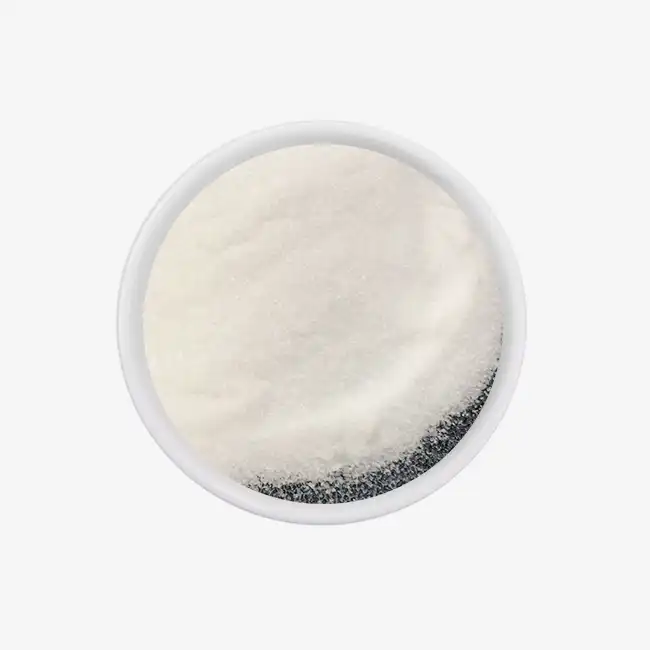
Potassium acetate (CH₃COOK) has unique temperature qualities that set it apart from other deicing chemicals. This white, solid material has a molecular weight of 98.14 g/mol and dissolves very easily in water, acid, and alcohol. The compound's phase transition behavior is based on its fast dissolution when it comes in touch with ice. This creates an exothermic reaction that melts the ice faster, even when it is very cold. Potassium acetate's deicing effect is different from simple melting, in which a solid changes into a liquid at a set temperature. This is because the dissolved acetate ions stop ice crystals from forming and lower the freezing point of the solution that forms.
Molecular Factors Influencing Temperature Response
The shape of the acetate anion has a big effect on how well it works at high temperatures. The substance dissolves quickly because it is very soluble, so the deicing agent can get to the ice surfaces right away. According to research released by the Transportation Research Board, acetate-based deicers work much better at much lower temperatures than standard sodium chloride solutions. For example, potassium acetate can keep working in the lab at -76°F (-60°C). The potassium cation improves performance even more by lowering surface tension, making it easier to get through layers of ice, and keeping the solution mobile in cold places where other deicers tend to become thick or crystallize.
Laboratory Measurement Standards for Quality Verification
For industrial uses, strict quality control is needed to make sure that the performance stays the same across shipping and storage circumstances. Differential scanning calorimetry (DSC) is used to check the places at which temperatures change, and high-performance liquid chromatography (HPLC) is used for purity research. ASTM E793 says that high-purity potassium acetate should have a content level of at least 99.0% potassium acetate, with no more than 0.05% water-insoluble solids and no more than 0.2% chloride pollution. These requirements make sure that the product keeps working the way it's supposed to and doesn't mess up building materials or natural systems too much.
Comparing Potassium Acetate with Other Common Melting Agents for Snow Removal
Knowing how different agents work in different working situations is important for choosing the best deicing compound. This comparison looks at some important performance measures that affect operational efficiency and total cost of ownership.
Performance Benchmarking Against Traditional Alternatives
Calcium chloride has been the main ingredient used by cities for a long time because it is cheap, but over time, its acidic qualities do a lot of damage to infrastructure. The Federal Highway Administration did studies that showed chloride-based deicers break down concrete 300% faster than acetate-based options. When temperatures drop below 15°F (-9°C), sodium chloride stops working. This makes extreme weather events, when deicing is most needed, dangerous. Even though magnesium chloride works well at mild temperatures, it is still corrosive and can damage metal buildings, cars, and concrete.
On the other hand, potassium acetate keeps its freezing point even when temperatures drop to -35°C. This means it works reliably during polar vortices and extreme cold snaps when chloride-based goods don't work. The chemical makeup of the substance keeps sensitive airport equipment, bridge infrastructure, and historical buildings safe from chloride damage, which would require expensive repairs. Environmental tests show that solid potassium acetate solutions break down naturally and don't build up in soil or groundwater systems. This eases regulatory worries about chloride pollution in waterways.
Environmental Impact and Regulatory Compliance Considerations
More and more, people are putting pressure on municipalities to find a mix between winter safety rules and environmental duties. The Environmental Protection Agency has found that chloride is polluting a lot of groundwater systems. In cities with a lot of deicing work, chloride levels are higher than what is considered aquatic harmful. An option to chloride-based deicers that builds up over the winter is acetate-based deicers, which break down naturally through bacteria processes within weeks of being used.
The fact that potassium acetate doesn't react badly with airplane materials and composite structures is very important to airport managers. The chemical doesn't break down aluminum alloys, titanium parts, or carbon fiber materials that are used to build current airplanes. This compatibility gets rid of the secret costs that come with chloride exposure, like having to do more upkeep and replacing parts before they're supposed to be replaced. When infrastructure security and environmental compliance are properly valued, the aviation industry's use of acetate-based deicing fluids shows that starting product costs are only a small part of total operational costs.
Procurement Insights for High-Purity Potassium Acetate with Guaranteed Melting Properties
Decisions about strategic sourcing have a big effect on business dependability and the total cost of ownership. Understanding what suppliers can do and how they check for quality helps procurement managers make sure that products always work well and that budgets are used efficiently.
Supplier Selection Criteria and Quality Assurance Systems
When procurement managers look at possible providers, they should give more weight to companies that have well-established quality management systems and proof of their production skills. Leading standards are set by Shanxi Zhaoyi Chemical Co., Ltd., which has ISO 9001, ISO 14001, and ISO 45001 approvals that show it manages quality, the environment, and safety in a complete way. The company was founded in 1988 and has been making acetate for more than 30 years. It has a 27,000-square-meter production plant that can make 150,000 tons of acetate every year, which keeps the supply chain stable for large-scale corporate and municipal contracts.
Certificate of Analysis (COA) paperwork should be sent with every package to make sure that the product meets the terms of the contract. For infrastructure uses, high-purity grades should have chloride content below 0.2% and iron pollution below 0.05% to avoid problems with rust or discoloration that weren't meant to happen. KOSHER and HALAL approvals show that there are extra quality controls in place that go beyond simple chemical purity. These extra controls show that there are thorough process management and contamination prevention measures in place.
Differentiating Technical and High-Purity Grades
The choice of product type relies on the needs of the application and the available budget. Technical-grade potassium acetate is usually 97-98% pure, which means it can be used for many industry deicing tasks where small flaws don't have a big effect on performance. High-purity types that are at least 99.0% pure are used in specific situations at airports, drug plants, and food processing plants where the risk of contamination needs to be kept to a minimum. Knowing the differences between these grades helps buying teams make the best specs, which keeps premium costs to a minimum while still ensuring the right performance for the job.
MSDS Review and Safety Compliance Verification
Information on Material Safety Data Sheets is very important for knowing how to handle things, store them, and what to do in a situation. Potassium acetate is safer than toxic options, but it is still important to handle it correctly to keep it from getting contaminated and to keep it working well. Facilities for storing things should keep them dry, well-ventilated, and away from sources of heat and wetness that could cause them to harden or break down. Transportation rules should keep potassium acetate away from things that don't go with it and use careful handling methods to keep packages from getting damaged while they're being loaded and unloaded.
Industrial Applications and Case Studies of Potassium Acetate at Ultra-Low Temperatures
Quantitative information from real-life situations shows that potassium acetate is useful in a range of situations and climates. These case studies show how practical factors affect distribution tactics and estimates of cost-effectiveness.
Aviation Sector Performance Outcomes
When safety rules, environmental laws, and the need to keep activities going all come together at an airport, they create special problems. Major international airports have switched to runway deicers based on potassium acetate after a lot of tests in the field showed that they worked better in very cold weather. During the polar storm in January 2019, which brought -30°F temperatures to airports in the Midwest, potassium acetate versions kept their ability to melt ice, while sodium chloride-based options crystallized and lost their ability to do so. Runway friction coefficient tests showed that surfaces treated with acetate reached the FAA-recommended level of friction 40% faster than surfaces treated with chloride. This cut down on ground delays and increased operational output during weather events.
Because the substance doesn't react with airplane materials, it stops the expensive corrosion damage that chloride exposure does to the landing gear, structural parts, and electronics systems. An analysis of maintenance costs across several airport systems showed that switching to an acetate-based runway treatment cut down on corrosion-related maintenance for aircraft by 65% over three-year testing periods. This was more than made up for by the lower cost of maintenance and longer component service life.

Infrastructure Protection Applications
Deicing methods that get rid of ice without speeding up structural damage are needed for historic bridges and urban infrastructure that is getting old. Municipalities that are in charge of maintaining steel-reinforced concrete bridges have shown that chloride leakage leads to rebar rust, which weakens the structure and requires pricey repairs. Solid potassium acetate's non-corrosive chemistry removes ice effectively without adding chloride ions, which break through concrete and damage steel support. Studies in bridge engineering show that using acetate-based deicing techniques instead of chloride-based methods increases the service life of infrastructure by decades. This turns maintenance costs into investments that protect capital.
Handling and Storage Best Practices
To keep the quality of a product high throughout the supply chain, care must be taken with how it is stored and handled. Because potassium acetate is hygroscopic, it takes moisture from the air when it comes into contact with damp conditions. This could lead to caking, which makes application harder and lowers the compound's usefulness. Warehouses should keep the relative humidity below 60% and keep goods in sealed cases or other secure packages until they are used. The chemical safety of the substance keeps it from breaking down while it is being stored, but the way it is handled has a big effect on how easy it is to use and how well it works. 1000-kg ton-bags are better for facilities that use bulk delivery systems than smaller box forms because they need to be handled less often and are less likely to get wet.
Optimizing Performance: How to Use Potassium Acetate Effectively in Snow Melting
To make deicing work as well as possible, you need to know the basic factors that affect performance results. These useful directions assist facility managers in creating rules that make the best use of products while keeping costs low.
Application Rate Optimization and Dosage Calculations
The right application rates combine the need to get rid of ice right away with concerns about product use and the environment. As a general rule, 30-70 grams per square meter should be used for light ice buildup, and 100-150 grams per square meter should be used for heavy ice or very cold weather. Anti-icing products used before it rains need lower rates than reactive deicing products used after ice forms. This means that proactive tactics can be used to lower overall product consumption. Calibrating spreading equipment makes sure that the right amount of product is applied at the right time. This stops under-application, which is unsafe, and over-application, which loses product and costs more.
Monitoring tools for the weather help operations teams plan for rain and use preventative measures at the best times. When potassium acetate is applied before freezing rain or snow falls, it forms a chemical layer that keeps ice from sticking to the ground. This makes it easier to remove the snow and protects the roads from damage. When compared to reactive deicing methods, this proactive technique usually saves 30 to 40 percent of the product used and makes the surface safer.
Environmental Condition Considerations
Temperature, humidity, and traffic trends all affect how well deicing works and how long the process lasts. When applied to surfaces at temperatures above -35°C, potassium acetate works best. However, as temperatures get closer to this point, it loses its usefulness gradually instead of all at once. High-traffic areas benefit from the compound's ability to resist mechanical shift, which means that the surface coverage stays the same even when vehicles move around and spread out less stable options. When it rains or snows affects the choice of treatment. For example, applying something to a dry concrete surface makes it stick better than applying something during busy snowfall, which could reduce the concentrations before ice prevention happens.
When applying, wind factors should be taken into account, especially in open areas like airport runways or highway overpasses. Granular versions are less likely to blow away in the wind than powdered ones, which makes application more accurate and cuts down on waste. Planning applications for times when it's quieter or changing the settings on the spreader to work with the wind can help keep costs down while still meeting safety goals.
Troubleshooting Common Application Challenges
Operations teams sometimes have problems with speed that are caused by how the product is handled, the surroundings, or the way it is used. Most clumping issues are caused by moisture being present during storage, which means that warehouse conditions need to be better or packing needs to be protected. Spreader accuracy problems or differences in how operators work can often be fixed with training and regular equipment maintenance. Because it doesn't work as well in very cold weather, you might need to use more of it or look into mixed formulas that combine potassium acetate with chemicals that work better in cold weather.
Using portable testing tools to keep an eye on surface friction coefficients gives reliable performance data that helps make changes to the application and proves that the treatment works. This real-time feedback helps operations teams make changes to processes based on how things really are, instead of just using application rate rules that were made for different situations. Recording weather conditions, application rates, and performance results produces institutional knowledge that helps people make better decisions over many winter seasons.
Conclusion
Snow melting solid potassium acetate has been used for a long time to solve problems with winter maintenance tasks that need to work reliably in very cold temperatures, without the harmful effects on the environment and corrosion that come with chloride-based deicers. Concerns about practical, regulation, and infrastructure security are all taken into account by the compound's superior thermal qualities, non-corrosive chemistry, and biodegradable environmental profile when procurement managers plan winter maintenance strategies. To have a successful implementation, you need to carefully choose your suppliers, pay close attention to the product specifications, and make sure that the operating routines are tailored to the needs of your building and the weather. Companies that care about both short-term safety needs and long-term infrastructure protection find that acetate-based deicing programs have a good total cost of ownership, even though the products are more expensive to buy. This is because they avoid corrosion damage and are better for the environment.
FAQ
What temperature range does potassium acetate remain effective for snow melting?
Potassium acetate can keep deicing working at normal field temperatures as low as -35°C (-31°F), and tests in the lab have shown that it can work at temperatures as low as -60°C. This performance is much better than sodium chloride, which stops working around -9°C. This makes acetate formulas perfect for use in very cold climates and polar vortices.
How does potassium acetate compare environmentally to calcium chloride?
Within weeks of being used, potassium acetate breaks down naturally through bacteria processes, leaving no long-lasting pollution in the environment. Calcium chloride builds up in soil and water systems, polluting watersheds in a way that hurts marine ecosystems and goes over the EPA's limits for toxins in many cities with heavy deicing programs in the winter.
What storage conditions are required to maintain product quality?
Keep potassium acetate in areas that are dry, well-ventilated, and have a relative humidity below 60% to keep it from absorbing water and solidifying. Keep packages closed until they are needed, keep them away from things that won't work with them, and keep them away from heat sources. If you store something properly, the quality will last forever because the compound's chemical stability keeps it from breaking down over time when it's kept away from moisture in the air.
Partner with Zhaoyi Chemical for Premium Snow Melting Solid Potassium Acetate
Shanxi Zhaoyi Chemical Co., Ltd. has been making acetate for more than 30 years and is experienced in protecting infrastructure that needs high quality and reliable supply. Our very pure potassium acetate meets the requirements for ≥99.0% content and works perfectly at very low temperatures. It is backed by ISO 9001, ISO 14001, and ISO 45001 standards that show it has complete quality management systems. As a top producer of snow melting solid potassium acetate with an annual production capacity of 150,000 tons, we keep safety stock to ensure quick completion and offer flexible packing options such as 25-kg bags and 1000-kg ton-bags that are best for your needs. Our technical support team is available 24 hours a day, seven days a week, and they respond to messages within two hours. They can help with application questions, make unique formulations, and provide full paperwork such as MSDS, COA, and regulatory compliance certificates. Get in touch with our purchasing agents at sxzy@sxzhaoyi.com to talk about your winter repair needs and find out how our premium acetate solutions can help protect important assets and support environmental responsibility goals.
References
1. Transportation Research Board. "Acetate-Based Deicing Chemicals: Performance Characteristics and Environmental Impacts." National Cooperative Highway Research Program Synthesis 577, 2021.
2. Federal Highway Administration. "Corrosion Costs and Preventive Strategies in Highway Infrastructure." Publication FHWA-RD-01-156, U.S. Department of Transportation, 2020.
3. Environmental Protection Agency. "Chloride Contamination in Freshwater Ecosystems: Sources, Impacts, and Management Strategies." EPA Report 820-R-19-001, 2019.
4. American Society for Testing and Materials. "Standard Test Method for Enthalpies of Fusion and Crystallization by Differential Scanning Calorimetry." ASTM E793-06, 2018.
5. Airport Cooperative Research Program. "Aircraft and Airfield Deicing and Anti-icing: Technologies and Performance Evaluation." ACRP Report 175, Transportation Research Board, 2017.
6. Journal of Cold Regions Engineering. "Comparative Performance Analysis of Acetate and Chloride-Based Deicing Compounds at Extreme Temperatures." Vol. 34, Issue 2, American Society of Civil Engineers, 2020.

USER EVALUATE
Here is the customer's evaluation of us