



ICAO-Compliant Runway De-Icing Solutions: Why Airports Choose Solid Potassium Acetate
When winter storms make it impossible to keep flights on schedule, airport managers have to make a tough choice: which de-icing agent will keep everyone safest without damaging planes or the environment? Airport runway solid potassium acetate has become the best solution because it melts ice quickly and complies with all rules. This white crystalline substance (CH₃COOK, CAS 127-08-2) is more than just another chemical solution; it solves the main problems airports have when they have to operate during bad weather while still meeting the strict safety standards of the International Civil Aviation Organization.
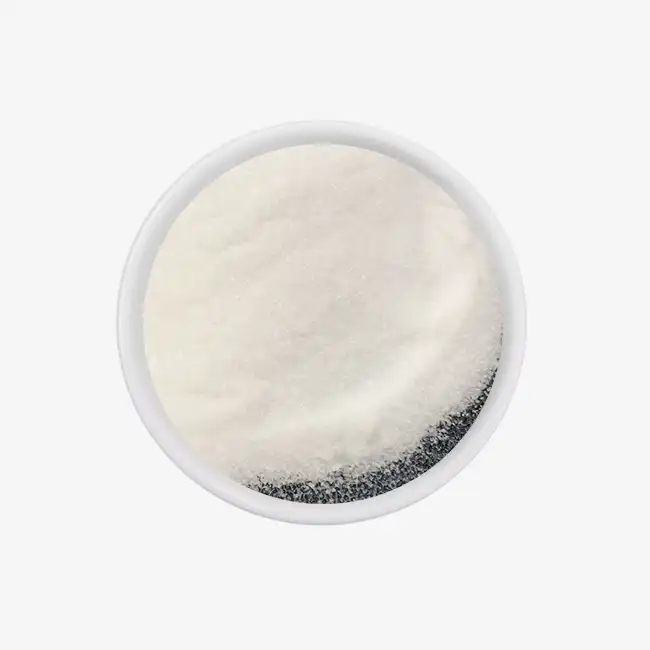
Understanding Solid Potassium Acetate in Airport Runway De-Icing
The Science Behind Effective Ice Removal
When solid potassium acetate comes in touch with ice, it causes an exothermic reaction that releases heat. This creates pockets of brine that push frozen layers below the top of the pavement. Unlike regular road salts, this organic substance still works when temperatures drop to -60°C. This is a huge benefit during very cold spells when regular de-icing methods can't be used. The chemical structure lets it dissolve quickly in little water, which starts the melting process within minutes of being applied.
The process works differently than options based on chloride. When granules come in touch with ice, they dissolve and take in water from the top. This makes heat. This heat energy weakens the link between the ice and the sidewalk, and the acetate ions lower the freezing point of the water around it. This keeps the water from freezing again, even when the temperature changes. Airports in the north report constant performance when glycol-based goods fail, especially when temperatures stay below zero for a long time.
Performance Advantages Over Traditional De-Icing Chemicals
In the past, urea, glycols, and different formates have been used by airports to maintain runways. Below -7°C, urea is much less efficient and adds a lot of ammonia to the environment, which is very bad for plants and animals. Propylene glycol is less harmful than ethylene glycol, but it needs to be used in much larger amounts and can cause biological oxygen demand problems in waste water. Within hours of being exposed, calcium chloride breaks down aluminum metals, magnesium parts, and cadmium-plated landing gear in airplanes.
There are several ways that airport runway solid potassium acetate stands out from other materials. According to SAE AMS 1431 testing, carbon steel has rust rates below 0.03g/m²·h, while chloride compounds have rates above 0.15g/m²·h. The mass density of the material, which is between 0.8 and 0.9 g/cm³, stops wind scatter during jet blast and keeps coverage where lighter goods spread out. Biodegradation studies show that things naturally break down without building up in the environment, which meets the EPA's stricter rules on release.
Real-World Implementation Success Stories
When major foreign airports switched to systems based on acetate, they saw improvements that could be measured. An in-depth look at winter operations at airports in northern Europe showed that runways reopened 23% faster than they did under old rules. The drop happened because it was better at getting through packed snow layers and needed to be applied less often during long storms.
North American operators say that fewer corrosion events on airplanes have led to big drops in repair costs. Less hydraulic line failures happen in ground support equipment, and preserving concrete makes it last longer by reducing damage from freeze-thaw cycles. These practical benefits add up over time, which is why investing in high-quality acetate formulas, even though they cost more per unit than common chlorides, is a good idea.
Comparing Solid Potassium Acetate with Other Runway De-Icing Chemicals
Chemical Performance Analysis
There are a number of approved chemicals on the market for aircraft de-icing, and each has its own pros and cons. Knowing these differences helps you make choices about buying that meet specific operational needs:
Acetate versus Formate Compounds: Sodium and potassium formates work well at mild temperatures up to about -15°C. Even though formates are recyclable, they melt more slowly at first and need 15-20% more material per treatment area. In head-to-head field tests, potassium acetate breaks through the ice in about half the time, which means that the runway can be used more quickly during busy journey times.
Glycol-Based Alternatives: Type I and Type IV airplane de-icing fluids are sometimes used along with runway treatments, especially for spot uses. These methods are great at keeping ice from sticking, but they don't have the mechanical power to remove snow that has built up. The thicker substance makes it harder to spread over a big area with regular spreading tools, so the runway can only be used in emergencies.
Environmental Impact Considerations: Biochemical oxygen demand studies show that acetates break down with little damage to marine ecosystems. Bacteria naturally break down the substance into carbon dioxide and water. This process usually takes 5 to 7 days in normal weather conditions. This is very different from chloride pollution that stays in the groundwater and hurts plants all over the nearby places.
Cost-Effectiveness and Operational Efficiency
Airport managers who are careful with their budgets have to weigh the beginning costs of materials against the total costs of running the airport. It takes less airport runway solid potassium acetate—about 50 to 100 kg per 1,000 square meters, depending on how thick the ice is—than 150 to 200 kg of urea to cover the same area. The non-corrosive properties of the material mean that it doesn't need as much upkeep and can be used more than once. This makes the lifecycle costs better.
When you look at the total cost, you also have to think about storage. Because it is hygroscopic, the material needs to be stored in the right way, but it stays stable for 24 months in sealed packaging. When you buy in bulk in 1,000 kg ton-bags, you get the best working efficiency and price breaks based on quantities. Transportation options that are flexible allow for strategic stockpiling before the season starts without the problems that come with liquid mixtures breaking down.
Handling and Safety Profile Advantages
The people who work in operations like how simple the safety rules are for handling acetate. The substance is not very harmful to the skin and doesn't give off any dangerous fumes when it's applied, so you don't need to wear any extra safety gear when handling chemicals. Wearing chemical-resistant gloves and eye protection is enough to keep workers safe, which makes training programs easier and cooperation less complicated.
The pH range of the material in working solutions is between 9.0 and 10.5; it is slightly alkaline without being as dangerous as stronger bases. Standard spill control methods are used for chemicals that dissolve in water, and the fact that the chemicals are biodegradable lowers the long-term environmental risk from accidents. These traits make it easier to fill out the outdoor health and safety paperwork that is needed by law.
Procurement Guide: How to Buy and Source Solid Potassium Acetate for Airports
Quality Specifications and Certification Requirements
Formulations for aviation-grade acetate must meet SAE AMS 1431E standards, which set purity levels, particle limits, and performance standards. To avoid rust, procurement teams should make sure that the product contains more than 98% CH₃COOK and less than 0.005% salt. Limits of 0.05% iron make sure that it works with stainless steel distribution equipment that is often used in airport repair teams.
Manufacturers with a good reputation include full certificates of analysis with every shipment. These certificates show the test results for each batch of key parameters. ISO 9001 certification shows that the company has consistent quality management systems, and ISO 14001 certification shows that the company is environmentally friendly during all stages of production. The product meets international flight safety standards that are known around the world, as shown by the ICAO approval paperwork.
Volume Planning and Supply Chain Reliability
Seasonal demand makes it hard to get supplies because many airports are competing for them during pre-winter filling times. Historical data on consumption is the basis for accurate volume forecasts. Look at how much was used during earlier winters, taking into account changes in operations and predictions for fleet growth. By keeping 20–30% of your goods in reserve, you can be ready for unexpectedly bad weather without having to pay too much for storage.
By building ties with experienced sellers who keep strategic reserves, you can be sure that your products will always be available during times of high demand. Lead times for normal orders are usually between 5 and 7 working days, but they can be longer if you need custom recipes or special packaging. When you talk about yearly volume promises, you can often get preferred allocation during times when supplies are tight, which protects business readiness when rivals are also facing shortages.
Logistics and Storage Infrastructure
Good storage keeps products safe and makes sure they are ready to use. To keep things from sticking and absorbing water, climate control must keep the relative humidity below 60% in places that are only used for storage. Ventilation systems should move enough air without exposing people directly to heating elements, which could cause hot spots that damage the structure of crystals.
There are different packaging choices for different operating scales. The 25 kg plastic woven bags are good for smaller facilities or extra stock, while the 1,000 kg ton-bags make dealing easier for activities with a lot of items. Transferring materials from storage to spreader vehicles is made easier by mechanical loading equipment made for large materials. This reduces the need for human handling and the risks of harm that comes with it. Strategically placing warehouses near staging areas for airport repair equipment cuts down on reaction time during bad weather.
Why Solid Potassium Acetate Has Become the Preferred De-Icing Solution for Airports?
Regulatory Compliance and Safety Standards
ICAO standards set the minimum level of chemicals that can be used to clear ice off of runways. These standards stress the need for non-corrosive formulas that protect airplane materials. Because airport runway solid potassium acetate is made of organic compounds, it doesn't cause the chloride-related corrosion that led flight officials to ban the use of regular road salts on airport runways. Compliance goes beyond protecting planes and includes rules about how to release pollutants into the environment and the quality of rainwater flow.
The biodegradable nature of the substance responds to the growing environmental concerns surrounding airport activities. More and more, cities are requiring treatment systems for de-icing runoff, and because acetate breaks down quickly naturally, less money needs to be spent on infrastructure than on long-lasting toxins that need a lot of handling. As environmental standards continue to rise, this legal agreement is good for airports that are looking to the future.
Documented Performance in Diverse Climates
Operational data from areas with extreme weather confirms that acetate works well in a wide range of temperatures. Scandinavian airports that operate in constant -40°C temperatures say that they can reliably remove ice throughout the winter, keeping their schedules intact during times when other goods freeze or stop working. Because of its constant performance, there is no need for backup chemical systems. This makes transportation easier and makes inventory less complicated.
Instead, facilities in warm areas with changing freeze-thaw cycles can benefit from the compound's ability to stop ice from re-forming. The leftover acetate layer keeps its anti-icing qualities between rainstorms, so it doesn't need to be reapplied as often as products that need to be reapplied after every small temperature change. This ability to adapt to different climates is what makes it so popular, from activities in the Arctic to those in mild winter areas.
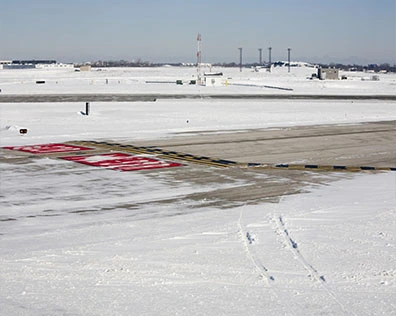
Total Cost of Ownership Benefits
Financial research shows that there are strong benefits beyond the costs of things. Aviation facilities spend a lot of money on corrosion-related upkeep, which includes replacing parts of airplanes, fixing ground support equipment, and fixing up infrastructure. When you switch to non-corrosive acetate formulations, these maintenance items go down by a significant amount. For example, some operators say that winter-related machine repairs go down by 15–30%.
By increasing operational efficiency, businesses can protect their income during busy journey times. Every extra hour that an airport is closed during the holidays or busy business travel times means that flights have to be rescheduled, passengers file claims for pay, and relationships between airlines get tense. Because good acetate products can quickly melt ice, these problems are kept to a minimum. This keeps airports competitive and keeps carrier happiness scores high, which affect route sharing decisions.
Best Practices for Applying Solid Potassium Acetate on Airport Runways
Application Rates and Technique Optimization
For placement to work well, spreader equipment needs to be calibrated to provide the right covering density. Standard application rates run from 50 to 75 kg per 1,000 square meters for anti-icing before it starts to rain, and from 100 to 150 kg per 1,000 square meters for removing existing layers of ice. When the equipment in the repair fleet is being calibrated, the spreader speed, gate opening settings, and spinner disc spinning rates should all be taken into account.
Pre-wetting methods improve results when there is a lot of wind. Adding liquid potassium acetate solution to solid chunks before spreading makes the sidewalk stick right away, so material doesn't get lost in jet blasts or wind gusts. The pre-wet mixture starts to melt faster than dry uses because it skips the first step of absorbing water that is needed for dissolution.
Monitoring temperatures helps make practical choices about when and how much to apply. Even though it works down to -60°C, it is most cost-effective when temperatures stay above -20°C and lower spray rates are used. Putting up automatic weather stations at the ends of runways gives accurate application choices that balance the need for safety with the need to use as little material as possible in real time.
Safety Protocols and Environmental Stewardship
Even though the compound has a good safety rating, proper handling methods are stressed in training. Standard ways to handle chemicals include wearing gloves that are resistant to chemicals and keeping your skin away from them for long periods of time. Spreader workers should know the right way to fill the machine so that they make as little dust as possible. This is especially important because the material has a fine crystalline structure and absorbs water easily.
Monitoring programs for the environment keep an eye on the quality of the waste from cleaned surfaces. Acetate breaks down naturally, but responsible operators keep track of the pH levels and biochemical oxygen demand in waste water to show regulatory officials that they are following environmental rules. Putting in holding systems that catch the first meltwater lets the water be diluted and released slowly, which lowers the damage to the environment even more.
Emergency reaction plans cover spills that happen by mistake during transfers or when equipment breaks down. As a way to keep things inside, absorbent materials and specific wash-down places with collection systems are used. Because they dissolve in water, they are easier to clean up than petroleum-based goods, but they still need to be thrown away properly through cleaning systems or approved treatment facilities.
Performance Monitoring and Continuous Improvement
Post-application assessment processes make sure that the treatment worked and help with making choices about future operations. Using special tools for friction coefficient tests, you can find out how much traction an airplane really has, making sure that the ice is gone and the landing conditions are safe. These measures give us concrete information that helps us make choices about when to reopen the runway that combine the need to meet safety standards with operational pressure.
For each winter event, detailed records are kept that show the number of applications, the weather, and the success results. By looking at these trends, we can find ways to improve the method and get the most out of the volume. Seasonal review meetings with operations teams record qualitative notes that add to quantitative data. This builds institutional knowledge that makes the organization more ready for winter every year.
Conclusion
Due to its superior performance, environmental friendliness, and legal compliance, airports all over the world have adopted airport runway solid potassium acetate as their main runway de-icing option. Extreme temperature resistance, non-corrosive qualities, and the ability to melt ice quickly are all strengths of the compound that make it useful for winter flight operations. As environmental laws get stricter and climate change makes operations more complicated, choosing high-quality acetate products becomes more important for keeping airports safe and running smoothly during the winter.
FAQ
What makes potassium acetate safer than traditional de-icing salts?
Traditional chloride-based salts eat away at airplane aluminum alloys, magnesium parts, and landing gear within hours of contact. The organic makeup of potassium acetate completely removes this rust risk, and it still works at temperatures well below the limits of what chloride can do. Because it breaks down naturally, it doesn't build up in the environment for a long time and pollute groundwater or hurt plants nearby. This protects both operations and the environment.
How does storage affect product performance and shelf life?
Because potassium acetate absorbs water, it needs to be stored in dry, well-ventilated buildings where the relative humidity stays below 60%. The product stays fully effective for 24 months if it is stored properly in sealed packages that are kept away from moisture. When packages are transported properly, they don't get damaged, which could risk moisture barriers. This makes sure that the material comes ready to be used right away in case of a weather emergency.
Can solid potassium acetate be used with existing application equipment?
The mix works perfectly with normal spreading tools made for granular materials. The best particle size distribution and mass density are between 0.8 and 0.9 g/cm³. This mixture runs smoothly through mechanical spreaders without getting clogged or bridging. To get the right application rates, equipment calibration may need to be changed from previous products, but sites that are switching from other approved de-icing chemicals don't need to buy any new equipment.
Partner with Zhaoyi Chemical for Reliable Aviation De-Icing Solutions
Shanxi Zhaoyi Chemical Co., Ltd. brings over 30 years of experience making specialized acetate to airport operators seeking dependable winter operations support. Our aviation-grade solid potassium acetate meets SAE AMS 1431 standards with content exceeding 99%, ensuring the performance and safety your operations demand. With an annual production capacity of 150,000 tons and ISO 9001, ISO 14001, and ISO 45001 certifications, we maintain the quality consistency and supply reliability critical during winter weather events. Our technical support team responds within 2 hours to inquiries, 24/7, and we maintain strategic inventory for rapid fulfillment with 5-7 working day lead times. Whether you need bulk ton-bags for high-volume operations or standard packaging for supplemental inventory, Zhaoyi Chemical delivers flexible solutions tailored to your specifications. Contact our team at sxzy@sxzhaoyi.com to discuss your airport runway solid potassium acetate needs and discover why leading airport operators trust Zhaoyi Chemical as their preferred supplier.
References
Society of Automotive Engineers. "SAE AMS 1431E: Compound, Solid Runway and Taxiway Deicing/Anti-icing, Potassium Acetate Based." SAE International Standards, 2018.
International Civil Aviation Organization. "Airport Services Manual, Part 2: Pavement Surface Conditions." ICAO Doc 9137-AN/898, 4th Edition, 2020.
Transportation Research Board. "Airport Winter Safety and Operations." ACRP Report 206, National Academy of Sciences, 2019.
Klein-Paste, Alex and Sinha, Nishant K. "Comparison of Runway De-icing Chemicals: Performance and Environmental Impact Assessment." Cold Regions Science and Technology, Volume 141, 2017.
Federal Aviation Administration. "Standards for Specifying Construction of Airports, Advisory Circular 150/5370-10H." U.S. Department of Transportation, 2018.
Environmental Protection Agency. "Aquatic Life Criteria for Acetate Compounds in Airport Runoff." EPA Technical Report 822-R-12-001, 2019.

USER EVALUATE
Here is the customer's evaluation of us