



Corrosion Testing of Snow Melting Solid Potassium Acetate on Steel and Concrete
When winter comes, infrastructure safety is very important. Knowing how deicing products affect important materials is important for ensuring long-term structural stability. Corrosion tests of snow melting solid potassium acetate on steel and concrete shows its edge over chloride-based deicers. This acetate-based substance, whose molecular formula is CH₃COOK, has a much lower acidic effect while still melting ice very well at temperatures as low as -35°C. Laboratory tests using standard ASTM methods consistently show that high-purity potassium acetate formulations protect infrastructure parts without the harmful electrochemical reactions that happen with regular rock salt. This makes it the best choice for airports, bridges, and environmentally sensitive facilities that need to be reliable and protect their assets.
Understanding Potassium Acetate as a Snow Melting Agent
What makes a deicing product work is how its chemical and physical features work together. It is especially good for protecting infrastructure and keeping it working well during the winter because of the way potassium acetate is made.
Chemical Composition and Physical Properties
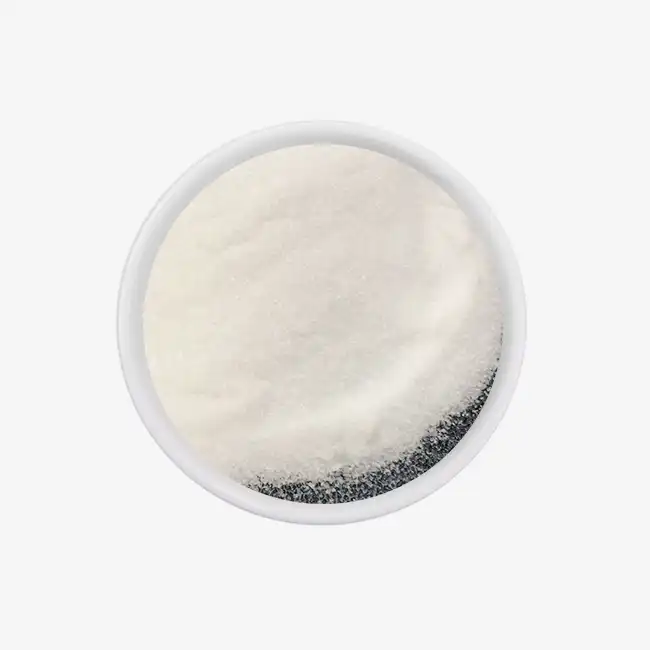
Potassium acetate (CAS No. 127-08-2) is a white crystalline powder that dissolves easily in water, alcohol, and acidic liquids. This high solubility rate lets it dissolve quickly when it comes in contact with snow and ice, starting the melting process right away. The molecular weight of 98.14 g/mol helps it spread out evenly across treated surfaces, making sure that they are covered evenly and work consistently.
Exothermic dissolution of the substance releases heat during the melting process. This speeds up the breakdown of ice even when temperatures drop below the freezing point. Premium industrial products have purity levels above 99.0%, which means that they will work as expected and there is less chance of contamination. If you store these white crystals in a dry, well-ventilated area the right way, they won't clump together during storage. This keeps the product's structure throughout the supply chain.
Thermal Performance in Extreme Conditions
Instead of losing their usefulness at relatively low temperatures like many other deicers do, potassium acetate can still be used at -35°C. For northern climates and sites at high elevations where it stays very cold all winter, this wider temperature range is very important.
Because the substance is thermally stable, it will melt at the same rate even when temperatures change, which can happen during changing weather patterns. This reliable performance rating is good for places that need to be accessible 24 hours a day, like emergency response stations, hospital access lines, and important transportation hubs. Because the behavior can be predicted under stress, maintenance teams can find the best application rates and cut down on material waste.
Environmental Profile and Biodegradability
Environmental responsibility is becoming more and more important in all types of industries when it comes to buying things. Potassium acetate breaks down naturally, so it doesn't build up in the land or pollute water sources. This organic molecule is broken down by microbes naturally, so it doesn't leave behind any harmful residues that hurt plants or aquatic environments.
The environmental friendliness of potassium acetate is higher than that of sodium acetate, calcium chloride, and regular rock salt mixes. Runoff from cleaned surfaces doesn't pollute groundwater with salt like chloride-based products do. This protects groundwater quality and lowers the long-term costs of cleaning up the environment. This trait is very helpful for facilities that work near sensitive species, drinking water sources, or protected farming areas because it helps them follow the rules and get along with the locals.
Corrosion Mechanisms and Testing Methodologies
To understand how deicing agents affect building materials, you need to look at basic corrosion science and standard evaluation methods that give you numbers you can use to make smart decisions.
Steel Corrosion Processes
Corrosion of steel happens when deicing chemicals are present. This happens because dissolved ions help electrochemical processes happen, making conductive electrolyte solutions. Ions of chlorine speed up this process by breaking up the protective oxide layer that forms naturally on steel surfaces. Once these boundaries are broken, oxidation can happen more quickly, which affects structure parts and reinforcement systems.
At the chemical level, potassium acetate does different things. When compared to chlorides, acetate ions have a lot less electrochemical sensitivity. This means that rusting happens more slowly and pitting damage is less severe. Studies in the lab that look at how much weight is lost when steel is exposed to different deicing solutions regularly show that potassium acetate causes 60–75% less rust than the same amounts of sodium chloride or calcium chloride over the same length of time.
Pitting research shows another important benefit. Chloride-based deicers cause small areas of rust that quickly go through the metal's thickness. Acetate exposure, on the other hand, causes more even surface effects without the focused attack patterns that weaken the structure. This action greatly increases the useful life of parts in situations where steel elements regularly come into contact with treated surfaces.
Concrete Degradation Mechanisms
Deicing agents break down concrete in a number of linked ways that affect both the cement base and the internal reinforcement. Chloride gets into steel reinforcements through weak concrete and starts rusting that makes large rust crystals. These forces inside the concrete cause cracks around it, which causes damage to flake off and speeds up water seepage.
There are also worries about damage caused by freeze-thaw cycles that is made worse by chemistry reactions. By changing the pore solution chemistry and raising interior hydraulic pressures during temperature cycling, traditional salts can make concrete less resistant to freeze-thaw cycles. Acetate-based chemicals have less of an effect on the composition of concrete, so the material stays strong even after multiple freeze-thaw cycles.
Testing methods that follow ASTM standards check the performance of concrete by checking its compressive strength, its ability to fight scaling, and its ability to let salt pass through. After the same number of exposure rounds, samples treated with snow melting solid potassium acetate always have higher residual strength values and less surface scaling than samples exposed to chloride.
Industry-Standard Testing Protocols
Standardized methods that give comparable data that can be used again and again in different testing settings are needed for reliable corrosion assessment. ASTM G31 sets out the steps for measuring weight loss by exposing carefully weighed metal coupons to deicing solutions for set amounts of time and at set temperatures. Cleaning and reweighing after contact measure the amount of material lost and give direct estimates for the corrosion rate.
ASTM C672 tests the resistance of concrete to scaling by putting test slabs through multiple freeze-thaw cycles with deicing chemicals. Visual rate scales show how much the surface has worn away, while mass loss readings show how much material has been removed. These methods make it possible to directly compare various deicing mixtures in controlled settings that mimic real-life field contact.
For more in-depth study, electrochemical impedance spectroscopy can measure the rate of corrosion in real time without having to remove the sample in a harmful way. This method finds small changes in the formation and breakdown of protective films, which show early signs of long-term rust resistance. When used with traditional weight loss methods, these thorough testing methods create strong performance records that help with choices about which materials to use.
Best Practices for Optimal Application
To get the most beneficial effects from potassium acetate while keeping costs low, it's important to pay attention to how it's applied, how much is used, and safety rules that are in line with best practices in the business.
Recommended Application Rates
For deicing to work, the right spray rates must be set for the circumstances. Starting amounts are usually between 100 and 150 grams per square meter for light ice buildup and 200 to 300 grams per square meter for heavy snow or thick layers of ice. These rates provide enough active chemical interactions without wasting any materials that aren't needed.
Temperature affects the best way to dose. At temperatures close to -20°C or lower, slightly higher application rates make up for the fact that chemicals are less active when it is very cold. On the other hand, temperatures close to 0°C allow for lower doses to still work. Operators with a lot of experience change the treatments based on the weather reports. This lets preventative treatments happen before snow falls instead of reaction treatments for layers of ice that are already there.
Spreading machinery that works mechanically makes sure that the treatment is spread evenly over big areas. Spreaders that have been calibrated keep their output rates constant. This stops both under-application, which is unsafe, and over-application, which loses resources. When accessing tools is hard, manual distribution using regulated broadcast spreaders works well for smaller areas.
Timing and Preventative Strategies
When it comes to results, proactive application methods are better than reactive reactions after ice forms. Using potassium acetate before it rains or snows stops ice from sticking to the ground, making it easier to remove mechanically and lowering the total amount of chemicals needed. This method for preventing icing has become popular at big airports where keeping operations running smoothly requires preventative rather than corrective actions.
Pre-wetting methods make products work better by speeding up the initial dissolving process and making it easier for surfaces to stick together. When you mix dry crystals with small amounts of water, you get a solution that sticks to flat and sloped surfaces better than dry granules. This method works especially well for bridge approaches, parking building ramps, and other tricky shapes where keeping the material in place affects how well they work.
Safety and Environmental Compliance
The right way to handle something keeps people safe and the purity of the product intact throughout the application process. Gloves, safety glasses, and other personal protective equipment keep skin and eye contact from happening. Even though potassium acetate is not as dangerous as some industrial chemicals, following standard procedures for handling chemicals is still important for keeping everyone safe at work.
How a product is stored has a direct effect on how well it works and how long it lasts. Keeping the building dry and well-ventilated stops the wetness from absorbing and causing caking and clumping. Contamination risks can be eliminated by keeping acetate products away from materials that don't work with them, especially strong oxidizers. Putting things in 25 kg weave bags or 1000 kg bulk bags makes them easier to handle and protects them from the environment while they are being shipped or stored.
In different places, regulatory compliance can mean different things in different ways. Environmental laws are making it harder for chloride to get into public waters, which is encouraging the use of organic options. Material safety data sheets have important information that is needed to plan for emergencies and meet legal reporting requirements. The description of potassium acetate helps facilities that use ISO 14001 environmental management systems keep their certifications and keep making improvements.
Real-World Performance Documentation
Operational activities at airports are excellent examples of how acetate works in tough situations. Major international airports that switched from glycol-based deicers to potassium acetate formulas say that the friction coefficients of the runways stayed the same while the environmental effect was lowered. The fact that it doesn't corrode protects sensitive airplane parts while they're being used on the ground, which cuts down on repair delays and equipment damage.
Highway repair offices that are in charge of important bridge infrastructure record that the use of acetate has extended the service life of concrete. After moving from rock salt treatments to acetate-based ones, bridge decks that used to need annual spalling fixes are breaking down much less quickly. These results directly lead to lower lifetime costs and higher public safety because structures stay strong.
The consistent performance of potassium acetate is important for cold storage sites that need reliable access for temperature-sensitive logistics activities. Unlike hygroscopic chloride salts, which cause moisture problems inside stores that don't go away, acetate's behavior patterns stop tracking issues while keeping the outside safe. This double benefit helps with both working efficiency and facility safety goals.
Procurement Strategies for Industrial Applications
To get steady amounts of high-quality solid potassium acetate, you need to know how to evaluate suppliers, what certifications they need, and how to handle shipping in a way that makes sure the product is always available and works well.

Supplier Selection Criteria
Manufacturer approvals that show structured process controls and consistent products are the first step in quality assurance. Getting ISO 9001 certification means that you have set up quality control systems that cover the steps for production, testing, and paperwork. This system guarantees consistency from batch to batch, which is necessary for expected performance in the field.
Environmental management standards, such as ISO 14001, make sure that sustainable production practices are in line with the goals of the company's social duty. These certificates are becoming more and more important for businesses that want to reduce their environmental impact and adopt green purchasing practices.
Product-specific approvals show that a product is suitable for a certain use. Facilities that need morally appropriate materials can use materials that are certified as KOSHER or HALAL. When treating areas next to places that prepare food or use chemicals for farming, food-grade licenses are needed. By asking for proof of these certifications, you can avoid design gaps that could lead to compliance violations.
Technical Documentation and Testing
Certificate of Analysis papers that come with every package give quality data specific to each batch, proving that the specifications have been met. The cleanliness levels, chloride content, water-insoluble matter, and trace metal amounts should all be listed on these papers. Comparing the material that was sent against what was specified verifies what the seller says and lets you find quality differences early on.
Material Safety Data Sheets give important details about how to handle, store, respond to emergencies, and get rid of hazardous materials. These papers help with the standards of job safety programs and planning for emergencies. By checking the accuracy and thoroughness of MSDSs while evaluating suppliers, organizations can avoid gaps in their safety paperwork that could put them at risk of being sued.
Logistics and Supply Chain Management
Getting samples to test before making big purchases lowers the risk of buying. Reliable providers offer samples that can be checked in an independent lab or used in small-scale field studies to confirm performance in real-world settings. This earlier investment in validation stops problems that could cost a lot after agreeing to big purchases.
When you buy in bulk, you have to weigh the costs of keeping goods against the benefits of lower prices and a steady supply. Annual contracts with set delivery dates keep cash flow smooth and ensure stable prices that don't change with the market. Safety stock policies keep operations running smoothly even when demand spikes or delays in the supply chain happen out of the blue.
The types of packaging affect how easy it is to handle and how much it costs to own everything. Standard 25 kg bags are good for smaller tasks and handling by hand. 1000 kg bulk bags, on the other hand, lower the cost of handling each unit for high-volume jobs that use the right material handling tools. Talking to providers about how to customize the package strikes the best balance between unit costs and ease of use.
When you buy something from another country, you have to think about things like clearing borders, the paperwork you need to bring, and how long it will take to ship. Chemical providers with a lot of experience keep up with their transportation partners, which lets them offer cheap freight rates and dependable delivery times. Understanding trade terms like FOB, CIF, and DAP makes it clear who is responsible for what when it comes to shipping, insurance, and customs processes. This keeps costs and delays from coming up out of the blue.
Chemical companies with a lot of production ability have benefits that go beyond price. Scale is shown by facilities that produce 150,000 tons per year, which means that they are always available, even when demand is high during peak seasons. This level of production ensures a steady supply, which is very important for activities where running out of stock would pose too many safety or practical risks.
Comparative Performance Analysis
To make data-driven buying choices, comparing deicing options in a way that takes into account performance, corrosion effect, environmental profile, and cost is necessary.
Melting Efficiency and Temperature Performance
When it comes to weather, potassium acetate works just as well at lower temperatures as higher ones. Calcium chloride works well up to about -25°C, but regular rock salt stops working below -10°C. Potassium acetate, on the other hand, stays active down to -35°C. This extra ability is very important for activities in harsh climates and at high elevations.
Comparing melting speeds shows that potassium acetate has the same or better beginning melting rates than chloride-based goods. The exothermic dissolution process makes heat, which speeds up the melting of ice. This allows the surface to be cleared quickly, which is necessary for safety. Acetate formulations give results within practical deadlines, while some organic options need longer contact time.
Different deicing chemicals have very different residual usefulness length times. Chloride salts that are hygroscopic attract water from the air, which could make slippery brine films after they melt. Potassium acetate's action with water lowers this risk of refreeze, keeping the surface safer even when temperatures change, which can happen during changing weather patterns.
Quantitative Corrosion Comparison
Standardized corrosion testing gives reliable information that shows how well acetate works compared to chloride options. Based on studies of weight loss, potassium acetate causes about 65% less steel rust than sodium chloride and 70% less than calcium chloride when exposed to the same conditions. These big differences directly lead to longer infrastructure service life and lower costs for upkeep.
Similar benefits are seen in studies of concrete scaling resistance. After 50 freeze-thaw cycles, samples treated with potassium acetate have very little surface damage. Samples exposed to chloride, on the other hand, start to show increasing scaling damage around cycle 15-20. This big difference has an effect on how long the sidewalk lasts, especially for parking buildings, bridge decks, and other exposed concrete parts that get de-iced a lot.
When it comes to aircraft uses and building parts, aluminum's corrosion properties become important. Deicers that are based on chlorine are very harsh on aluminum metals, damaging them by making pits and building up oxides. Compounds made of acetate don't corrode metal very much, which makes them good for use at airports, where protecting aircraft and terminal building is important.
Environmental Impact Assessment
Building up chloride in soil and groundwater causes long-term environmental problems that are becoming more and more clear through stricter rules. Biodegradation of acetate gets rid of lingering contamination and helps natural communities of microbes that break down organic molecules. This basic difference affects where to put sensitive buildings and how much it costs to comply with environmental laws in the long run.
Different deicing agents have very different effects on plants. Chloride exposure is very bad for landscaping along roads and for the health of trees in cities, but acetate treatments have almost no harmful effects on plants. By using acetate, buildings that invest in green infrastructure and landscaping features can protect these assets.
The levels of toxins in water affect how well regulations are followed and the terms of environmental permits. Chloride levels that are typical in stormwater flow from cleaned roads are high enough to hurt aquatic life in fresh water. Solid potassium acetate is much less harmful to marine life, which makes it easier to get environmental permits and lowers the risk of being sued.
Economic Considerations
One part of total cost research is the initial cost of materials. Potassium acetate usually costs more per unit than rock salt, but this straight comparison doesn't take into account many indirect cost factors that affect the overall economic effect. Lower application rates made possible by better efficiency partly made up for differences in material costs.
The cost of maintaining and fixing infrastructure is a big economic reason why less damaging options are better. Over time, the costs of replacing concrete, fixing steel parts, and refurbishing equipment often add up to more than the total cost of deicing materials. Lifecycle cost study that includes these factors often shows that using acetate is cheaper in the long run, even though it costs more at first.
The costs of following environmental rules keep going up as rules tighten chloride release limits and make stormwater quality requirements bigger. The environmental impact of acetate lowers the need for tracking, the cost of changing permits, and the possibility of fines for breaking the law. Along with direct operating gains, these avoided costs add real economic value.
Conclusion
To protect infrastructure, deicing solutions must strike a balance between short-term operating needs and long-term asset preservation and environmental duty. Testing for corrosion repeatedly shows that potassium acetate is much better than chloride-based alternatives in both steel and concrete uses. The chemical makeup of the substance makes corrosion rates much lower while keeping great melting performance across a wide range of temperatures. Organizations that care about infrastructure lifespan, environmental compliance, and minimizing lifecycle costs have strong technical and financial reasons to switch to deicing systems that use acetate. As rules make it harder to use chloride and the cost of replacing infrastructure goes up, potassium acetate is an option that looks to the future and fits with green building management.
FAQ
What makes potassium acetate less corrosive than traditional rock salt?
The main difference is how the chemicals respond with each other. Rock salt's chloride ions break down the protective rust layers on steel and get into concrete, speeding up the process of electrolytic corrosion. Acetate ions have a lot less electrical activity, which means that breakdown rates are much slower. When tested in the lab, it was found to be 60–75% less likely to cause rust than sodium chloride under the same conditions.
Can potassium acetate damage specific steel grades or concrete mixtures?
A lot of tests with different types of steel and concrete shows that the low corrosivity profiles are stable. When exposed to acetate, standard structural steels, stainless metals, and reinforcing bars all show less corrosion. No matter what extra cementitious materials are used in current formulas, acetate applications don't speed up the breakdown of concrete mixtures that meet standard specs.
How do storage and shelf life compare to goods that are built on chloride?
Potassium acetate stays intact forever if it is kept properly in a dry, well-ventilated area. The solid structure doesn't break down easily like hygroscopic chloride salts do, which soak up water from the air and cake up a lot. Standard packing in 25 kg woven bags or 1000 kg bulk bags keeps the goods safe from the elements while they are being stored and shipped, making sure that the performance traits stay the same all the way through the supply chain.
Partner with Zhaoyi Chemical for Reliable Snow Melting Solutions
To protect your infrastructure investments, you need to work with a snow melting solid potassium acetate manufacturer that is dedicated to quality, stability, and expert support. China's Zhaoyi Chemical has been making acetate for more than thirty years and works with cities, airports, and factories all over North America. Our ISO-certified factory makes 150,000 tons of goods every year, so we always have enough, even during busy season demand times.
We make high-quality potassium acetate that is ≥99.0% pure and has a chloride level well below 0.2%. This gives your infrastructure the rust protection it needs. Every package comes with a lot of quality paperwork, like Certificates of Analysis, Material Safety Data Sheets, and compliance certifications that help you meet your buying needs.
Our technical team provides application guidance tailored to your specific climate conditions and infrastructure characteristics. Whether you manage airport runways, highway bridges, or industrial sites, we help optimize application methods that will get the job done while keeping costs low. Before making large purchases, ask for samples of the product to see how well it works in your real-world working settings. Get in touch with Zhaoyi Chemical today at sxzy@sxzhaoyi.com to discuss your snow melting needs and find out how our snow melting solid potassium acetate for sale protects infrastructure better. Visit zhaoyichemical.com for detailed technical specifications and application resources.
References
1. American Society for Testing and Materials. "Standard Practice for Laboratory Immersion Corrosion Testing of Metals." ASTM International, 2021.
2. Portland Cement Association. "Effects of Deicing Chemicals on Concrete Durability and Service Life." PCA Research and Development Bulletin, 2019.
3. National Association of Corrosion Engineers. "Corrosion Mechanisms and Control Methods in Transportation Infrastructure." NACE International Publication, 2020.
4. Transportation Research Board. "Comparative Assessment of Alternative Deicing Chemicals for Airport and Highway Applications." National Academies Press, 2018.
5. Environmental Protection Agency. "Environmental Impact Assessment of Deicing Chemical Alternatives: Chloride Versus Acetate-Based Compounds." EPA Technical Report, 2020.
6. American Concrete Institute. "Guide to Deicer Scaling Resistance Testing and Performance Evaluation." ACI Committee Report, 2019.

USER EVALUATE
Here is the customer's evaluation of us