



Is Deicing Solid Potassium Acetate More Cost-Effective Than Other Deicers?
When looking at deicing options for important assets, it's more important to know the total cost of ownership than just the price. Deicing solid potassium acetate has great long-term value because it protects infrastructure, lowers the number of times it needs to be applied, and is better for the environment. Even though it costs more per ton than regular rock salt at first, facilities that manage airports, bridges, and environmentally sensitive areas consistently get a better return on their investment by avoiding expensive repairs and meeting stricter environmental rules that protect their operating licenses.
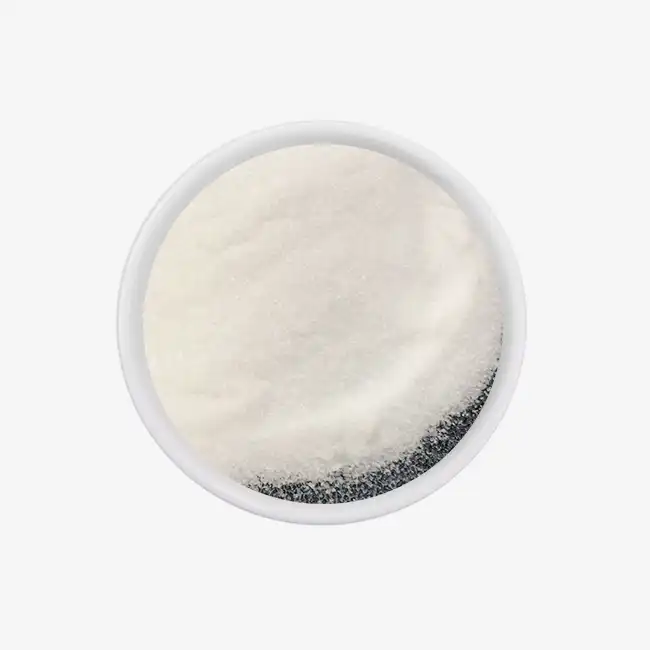
Understanding Potassium Acetate as a Deicing Solid
Chemical Composition and Physical Properties
In contrast to regular mineral salts, deicing solid potassium acetate (CH3COOK, CAS 127-08-2) is a completely different way to deal with ice. This white crystalline substance has a molecular weight of 98.14 and dissolves very easily in water. When it comes into touch with water, it forms a strong brine that melts ice. The exothermic breakdown process gives off heat during the phase change, which speeds up the melting of ice and breaks the bonds between frozen layers and sidewalk surfaces. Unlike endothermic chloride salts, which soak up heat and slow down at very low temperatures, this heat-releasing property keeps working at -30°C (-22°F), filling in the gaps left by rock salt that stops working almost completely below -9°C (15°F).
Mechanism of Action in Ice Crystallization
It is better for the deicing solid potassium acetate ion to mess up hydrogen bonding networks inside ice crystal structures than chloride options. When put on frozen surfaces, the substance quickly lowers the freezing point of the water that comes into contact with it. This makes a layer of liquid that breaks through the ice ties that are already there. This undercutting action makes it easier for mechanical cleaning tools to clean surfaces with less work and fuel use. Aviation professionals really like this feature—SAE AMS 1431 approval proves it can break through runway ice bonds without the aggressive corrosion that damages aluminum landing gear parts and cadmium-plated brake systems.
Environmental Profile and Biodegradability
The fact that deicing solid potassium acetate breaks down naturally is a big plus for environmental officials and site managers who work near sensitive watersheds. Microbes naturally break down the chemical into carbon dioxide and water, so it doesn't build up in the soil or groundwater. Biological oxygen demand (BOD) is still a lot lower than urea-based goods, which cause damaging algal blooms and marine dead zones. Studies on plant tolerance show that phytotoxicity is not as bad as chloride salts, which kill off ecosystems along roads and pollute drinking water sources. Facilities that want to get LEED recognition or work under National Pollutant Discharge Elimination System (NPDES) permits can use deicing solid potassium acetate formulas that meet the stormwater management rules that are putting more limits on chloride loading.
Cost-Effectiveness Analysis: Potassium Acetate vs Other Deicers
Direct Price Comparison and Bulk Procurement Economics
To do a transparent cost analysis, you need to look at a number of different buying situations at different operating levels. The initial cost per ton for rock salt is usually the lowest. Calcium chloride and magnesium chloride are in the middle of the price range. Because it is made in a special way and has better performance properties, deicing solid potassium acetate is considered an expensive product. When you buy in bulk from well-known companies like Zhaoyi Chemical, whose yearly production capacity of 150,000 tons, you can take advantage of volume savings that make the price difference much smaller. When facilities buy 1000 kg ton bags instead of smaller 25 kg units, they get economies of scale and save money on labor costs and packaging trash.
Besides unit price, transportation costs have a big impact on delivered costs. Hygroscopic goods need special storage conditions to keep the moisture level low. This comes with secret costs like product degradation and caking. When you work with dependable companies for transportation, you can avoid shipping delays caused by bad weather during times of high demand when spot market rates rise without warning.
Performance Metrics and Application Rate Economics
If you want to really compare costs, you need to look at the price per ton bought instead of the price per lane mile handled or per square meter of effective coverage. Because different types of products melt at different rates, the application rate needs are very different. Calcium chloride usually needs to be used at higher rates to get the same level of ice penetration as deicing solid potassium acetate, which lowers the freezing point more effectively. Transportation departments have done field tests that show deicing solid potassium acetate formulations often work just as well at 30–40% lower application rates than chloride options when the temperature is the same.
Lower application rates save money on operations: fewer passes by spreading equipment mean less fuel use, fewer hours of work, and less traffic jams. Fewer uses mean that equipment can be serviced more often and delivery gear doesn't wear out as quickly. When smaller amounts of products are needed to cover the same amount of seasons, storage needs go down proportionally. This frees up important store space for other operational needs.
Infrastructure Preservation and Lifecycle Cost Benefits
The biggest cost saves come from protecting infrastructure instead of saving money on products right away. Chloride-based deicers speed up the breaking down of concrete, the rusting of steel rebar, and structural damage that requires costly repairs decades before the structure's intended service life. It costs hundreds of thousands of dollars to repair a bridge deck, but it costs millions of dollars to resurface a runway at a business airport. Pavement experts write about how chloride entry speeds up the alkali-silica reaction in concrete, which makes expansion cracks that make damage from freeze-thaw cycles worse.
The non-corrosive nature of deicing solid potassium acetate protects the value of assets over many decades. When transportation agencies don't have a lot of money for major projects, they protect current infrastructure instead of spending money on aggressive deicing chemicals that speed up the breakdown process. Operators of parking structures try to avoid costly problems like post-tension cable rust and sealing membrane failures that weaken the structure. For risk-averse site managers, the legal risk reduction alone—preventing collapse events or claims of airplane damage—is reason enough to spend more on a premium product.
Environmental Compliance and Regulatory Cost Avoidance
Environmental laws are making it more and more expensive to pollute with chlorine. Facilities must build retention ponds, install filter systems, or pay discharge fees based on the amount of pollution in order to meet stormwater treatment standards. Watershed protection zones might not let salt be used at all, which would mean that traditional goods would not be considered, even if they were cheaper. Penalties for not following the rules, orders to fix problems, and the chance of losing a permit all pose serious threats to operations.
Deicing solid potassium acetate options give regulators peace of mind because they meet environmental standards without needing expensive infrastructure to reduce damage. The biodegradable recipe gets rid of long-term legal risks from accusations of polluting groundwater or harming ecosystems. Facilities that show environmental responsibility to stakeholders, like airports that want to get sustainability certifications or cities that listen to public concerns, gain social value that goes beyond simple cost accounting.
Comparing Potassium Acetate with Alternative Deicers: Which Is Safer and More Effective?
Temperature Performance Thresholds
Operational temperature ranges set the limits of what products can be used. Below -9°C, rock salt quickly loses its usefulness, so businesses have to keep extra goods on hand or deal with poor performance during very cold spells. Calcium chloride increases the working range to about -26°C, but it also makes handling more difficult because it absorbs water. When compared to calcium formulas, magnesium chloride works down to about -15°C and is slightly less corrosive. Urea-based goods can work down to -7°C, but they don't work very well and there are worries about ammonia release. To -30°C, deicing solid potassium acetate keeps working the same way, so it can be used during long periods of cold weather without having to switch products.
Material Compatibility and Asset Protection
Aviation repair experts choose deicing solid potassium acetate formulations because chloride options damage materials in airplanes. Chloride exposure leads to corrosion of aluminum, paint wear, and damage to hydraulic seals. This raises upkeep costs and raises safety issues. Bridge engineers are also aware of how chloride can get into concrete buildings and damage steel reinforcement and prestressed cables, leading to catastrophic breakdowns in the worst cases. Fleet managers of vehicles report that working in chloride-treated settings speeds up the rusting of the wheels and the brake system. Formulations with deicing solid potassium acetate keep pH levels and chemical profiles that work with metal, steel, concrete, and elastomeric materials. This protects financial assets for as long as they are supposed to last.
Environmental Impact and Ecological Safety
Testing for aquatic toxicity shows big differences between types of deicers. Chloride salts stay in groundwater and surface water for a long time, building up to amounts that hurt aquatic life and pollute public water sources. Urea changes into ammonia chemicals that cause eutrophication, which takes away air and kills fish. Deicing solid potassium acetate compounds break down naturally in the presence of microbes, usually finishing the process within a few weeks in a regular setting. The potassium cation gives nutrients that plants can use instead of building up and becoming poisonous. It can also help the soil in some areas where it is used.
Handling Safety and Workforce Protection
Chemical handling practices have a big effect on running costs and the risk of being sued. Because calcium chloride is an active hygroscopic substance, it can cause skin irritation, equipment to stick together, and slips. This means that you need to wear better personal protection equipment. Concerns about magnesium chloride are similar, but it can also irritate the lungs. Deicing solid potassium acetate is much safer to handle, which means fewer worker's compensation claims and less need for safety training. The stable crystalline form of the compound keeps it from caking when kept correctly in dry, well-ventilated warehouses, as required by standard procedures. This keeps the compound from solidifying into rock-hard forms that make chloride goods useless and make disposal difficult.
Best Practices for Applying Potassium Acetate Deicing Solid
Application Rate Guidelines for Commercial Operations
For the best product performance, application equipment needs to be calibrated according to the manufacturer's instructions and then adjusted for the variables in the area. Base rates of 40 to 90 grams per square meter are recommended by standard guidelines. These rates depend on the thickness of the ice, the temperature of the ground, and the amount of rain. Anti-icing treatments that are used before a storm need much lower rates than deicing treatments that are used to get rid of ice that has already formed. Calibration testing with spreading tools makes sure that the material is spread out evenly, so there is no waste from too much application or performance gaps from not enough covering.
Temperature tracking helps make smart choices about when to apply the product. For example, applying the product as the temperature of the pavement gets close to freezing point gets the best preventative results while using the least amount of product overall. When weather tracking is used, it's possible to make proactive treatment plans that stop ice bonds from forming instead of reaction removal efforts that need higher application rates.

Equipment Compatibility and Distribution Technology
Modern spreading equipment can handle a variety of product formulas. For deicing solid potassium acetate compounds, however, stainless steel or polymer-coated parts are best because they don't react with contaminants and can't rust. Depending on how the building is set up and what the operations need, rotary spreaders, drop spreaders, and liquid spray systems can all be useful. Granular goods work best in places with a lot of wind, where liquids tend to drift around randomly. Spreading consistency is affected by the distribution of particle sizes. Products that meet standards, like those from Zhaoyi Chemical, make sure that the flow is always the same by using metering gates and spinner mechanisms.
As part of routine maintenance, equipment should be washed after use to get rid of product residue and wetness that could cause hoppers or distribution devices to clog. By checking the equipment's settings at the beginning of the season, costly over-application can be avoided.
Storage and Handling Protocols
Protecting the purity of the product during storage keeps its performance qualities and stops the loss of money due to materials that break down. Because deicing solid potassium acetate absorbs water easily, it needs to be stored in dry places with relative humidity below 65% to keep it from sticking. In order for warehouses to be safe, they should have enough air flow and not let rain or rainwater get inside. Putting boxed goods on pallets that are placed on moisture shields keeps them off of concrete floors that absorb water through capillary action.
Following the first-in, first-out rule for inventory rotation keeps things fresh, but deicing solid potassium acetate stays stable for 12 months when kept properly and the packaging stays intact. If you want to keep the free-flowing properties of opened bags, you need to either reseal them or move them to containers that won't get wet. Keeping things away from materials that don't work well together, like strong oxidizers and acidic substances, lowers the risk of pollution and keeps safety standards high in the workplace.
Seasonal Planning and Procurement Timing
Strategic ordering of purchases helps keep supplies steady during times of high demand, when companies divide their limited production capacity among many customers. When you place your order early during the off-season, which is usually late summer to early fall, you get better prices and sure delivery times before winter weather problems make it hard for transport networks to handle. Supply chain security can't be found in the spot market, but it can be found with established ties with suppliers like Zhaoyi Chemical, which has been in business since 1988 and has a history of reliable service.
The right amount of inventory is based on demand forecasting using past weather trends, plans for building growth, and service level promises. Carrying costs and stock-out risks need to be weighed against each other by looking at local temperature data and an organization's risk tolerance. When it comes to operations and image, not having enough deicing equipment during critical weather events makes conservative stocking tactics useful.
Procuring Potassium Acetate for Industrial and Commercial Use
Supplier Qualification and Quality Assurance
To find qualified manufacturers, you need to check their output skills, quality control systems, and certifications in the field. ISO 9001 certification shows that a company is committed to consistent quality control methods, and ISO 14001 certification shows that the company is committed to environmental management standards that are becoming more and more important to their sustainability goals. For aviation uses, SAE AMS 1431 compliance is needed to make sure that goods meet the material standards of the aircraft business. For certain use cases, food-grade apps need extra Kosher and Halal approvals.
Scale in manufacturing is important. Suppliers with large yearly production volumes, like Zhaoyi Chemical's 150,000-ton production volume, show that they are stable and can complete large contracts without distribution problems. The age and experience of the facility give you trust in the technical know-how and process improvement. Businesses that have been around for decades have been able to handle changes in the market and build up a supply chain that younger companies don't have.
Technical Documentation and Product Specifications
As part of doing your research before buying something, you need to look over a lot of detailed information that describes the product and how well it works. Material Safety Data Sheets (SDS) list how to handle dangerous materials safely, what to do in an emergency, and how to follow the rules. Certificates of Analysis (COA) for particular production runs check the levels of purity, the amounts of contaminants, and how well the product meets established standards. Manufacturers with a good reputation give thorough scientific specs about their products, such as the deicing solid potassium acetate content (≥99%), water insoluble matter content (≤0.05%), chloride content (≤0.2%), and iron content (≤0.05%). These specs show how good the product is.
The testing procedures should include how the particle size affects spreading, how the moisture content affects storage stability, and how well the corrosion prevention works to protect key assets. Third-party laboratory verification gives maker promises more weight, especially when looking for new suppliers or making sure that other sources are reliable.
Logistics Coordination and Delivery Management
Successful buying includes more than just choosing the right products. It also includes managing supplies and making sure deliveries go smoothly. Lead time planning takes into account when to start production, how to package the goods, and how long it will take to ship them. For large orders that need to be placed in the factory line, this usually takes 15 days. When choosing between 25 kg bags and 1000 kg ton bags for packaging, the unit economy, handling work, and storage density are all affected. Ton bags cut down on packing waste and handling touches, but they need to be moved around with a forklift.
Transportation partnerships with companies who know how to handle chemicals safely and on time are important for making sure that they are delivered on time. Dedicated logistics relationships keep allocation gaps from happening when spot market capacity runs out during high season demand. Getting in touch with the maker directly, like by emailing sxzy@sxzhaoyi.com, sets up ways to talk about tracking orders, getting technical help, and solving problems throughout the whole buying process.
Contract Structuring and Pricing Models
Strategic buyers work out multi-year supply deals that keep prices stable while letting buyers change the amount they buy. Fixed-price plans make budgeting easier, but if market prices drop, you might lose money. Price-adjustment formulas that are linked to raw material indices spread the risk between the customer and the seller. When you make a volume commitment, you get better pricing, but when you make a minimum buy promise, you have to be able to accurately predict demand.
Payment terms affect the amount of working capital that is needed. Terms like net 30 or net 60 give businesses more freedom, and early payment rates may allow them to pay faster when their cash flow allows it. For international deals to go smoothly, the Incoterms that spell out where responsibility shifts, how much transportation costs, and who is responsible for paying import duties must be clear. When buying things from makers that serve global markets, the exchange rate comes into play when the money is denominated in USD instead of the local currency.
Conclusion
When deicing, cost-effectiveness is more than just comparing prices. It also includes things like how long the infrastructure lasts, how well it protects the environment, how reliable the operations are, and how well the risks are managed. For facilities in charge of high-value infrastructure or working within stringent environmental limits, deicing solid potassium acetate offers quantifiable benefits in all of these areas. Even though the original cost is higher than that of regular chloride salts, the total cost of ownership figure, which includes lower application rates, no corrosion damage, no fines from the government, and longer asset lifecycles, shows strong economic value. More and more, procurement workers who work with airports, important bridges, eco-sensitive areas, and quality-focused operations see deicing solid potassium acetate formulations as long-term investments rather than routine costs. The choice depends on the organization's priorities. Places that want to save money right away may be okay with chloride products and the problems they cause later on, but places that care about long-term asset management and being good to the environment see a clear case for deicing solid potassium acetate solutions.
FAQ
Does potassium acetate harm vegetation or contaminate groundwater?
Deicing solid potassium acetate deicers have a much smaller effect on the environment than chloride-based ones. The chemical breaks down naturally in microbes into carbon dioxide and water, so it doesn't stay in the soil or groundwater for a long time. The potassium part actually gives plants nutrients that they can use instead of being poisonous, though high amounts near application zones may temporarily hurt sensitive species. When used correctly and at the suggested rates, the product doesn't pose much of a threat to water environments or gardening. This makes it suitable for environmentally sensitive areas where chloride use is limited or banned.
What shelf life can facilities expect from stored potassium acetate?
Deicing solid potassium acetate that has not been opened can be kept in dry, well-ventilated storage with a relative humidity below 65% for a year while following the manufacturer's instructions. Because it is hygroscopic, it needs to be kept dry during storage. Humidity makes it clump together and loses its free-flowing qualities, which are needed for spreading tools to work. Once the box is opened, it should be resealed or moved to cases that won't get wet. Before being used in important applications, material that has passed its expiration date should be re-inspected to make sure it is still in compliance with the specs.
Can existing spreading equipment handle potassium acetate products?
While most industrial spreading equipment can handle deicing solid potassium acetate formulations without any changes, equipment made for solid chemical distribution will give you the best results. Specifications for particle size make sure that the flow through counting gates and spinner devices is always the same. Components made of stainless steel or polymer coating are better at resisting corrosion than steel areas that are left bare. Because it has a different density than rock salt, calibration testing makes sure that the right amount of salt is being used. To keep hoppers from caking up from moisture, equipment should be cleaned after each use. For liquid application systems to work, they need different formulas that are made for spray spread.
Partner with Zhaoyi Chemical for Premium Deicing Solutions
Zhaoyi Chemical can help you with your winter business problems because they have been making acetate for more than 30 years. As a committed provider of deicing solid potassium acetate, we uphold strict quality standards that are backed by ISO 9001, ISO 14001, and ISO 45001 certification. We make sure that every batch meets or exceeds SAE AMS 1431 aviation specs and environmental compliance requirements. Our yearly production capacity of 150,000 tons ensures a steady flow of bulk materials for the toughest building projects in the airport, municipal, and industry sectors. You can email our technical team at sxzy@sxzhaoyi.com to talk about your specific business needs, get detailed product specs, and get personalized purchase offers that fit your budget and performance goals.
References
1. Highway Research Board. "Comparative Effectiveness of Deicing Chemicals on Highway Infrastructure." Transportation Research Record Series, National Academy of Sciences, 2019.
2. Airport Cooperative Research Program. "Aircraft and Airfield Deicing Fluid Specifications and Environmental Impacts." ACRP Report 148, Transportation Research Board, 2020.
3. Environmental Protection Agency. "Best Management Practices for Winter Road Salt and Deicer Applications." EPA 832-F-18-009, Office of Water, 2018.
4. American Concrete Institute. "Guide to Deicer Scaling Resistance of Concrete Surfaces." ACI 201.2R-16, Farmington Hills, Michigan, 2016.
5. Cold Regions Research and Engineering Laboratory. "Performance Assessment of Environmentally Friendly Deicing Materials." ERDC/CRREL Technical Report, U.S. Army Corps of Engineers, 2021.
6. Transportation Association of Canada. "Synthesis of Best Practices: Road Salt Management." TAC Climate Change and Adaptation Committee, Ottawa, 2017.

USER EVALUATE
Here is the customer's evaluation of us