



Standard Application Rates for Deicing Solid Potassium Acetate Explained
Finding the right amounts of deicing solid potassium acetate to use is still an important but often misunderstood part of planning winter care. Depending on the type of surface, the temperature, and the thickness of the ice, the best dose is usually between 15 and 45 grams per square meter (0.003 to 0.009 pounds per square foot). By using the right amounts of this biodegradable, SAE AMS 1431-certified substance, you can melt ice down to -30°C (-22°F) without creating waste and keep critical infrastructure safe from corrosion. This complete guide gives procurement managers, airport owners, highway contractors, and city governments the detailed information they need to set up deicing programs that are both cost-effective and good for the environment.
Understanding Deicing Solid Potassium Acetate and Its Role in Winter Maintenance
Chemical Composition and Ice-Melting Mechanism
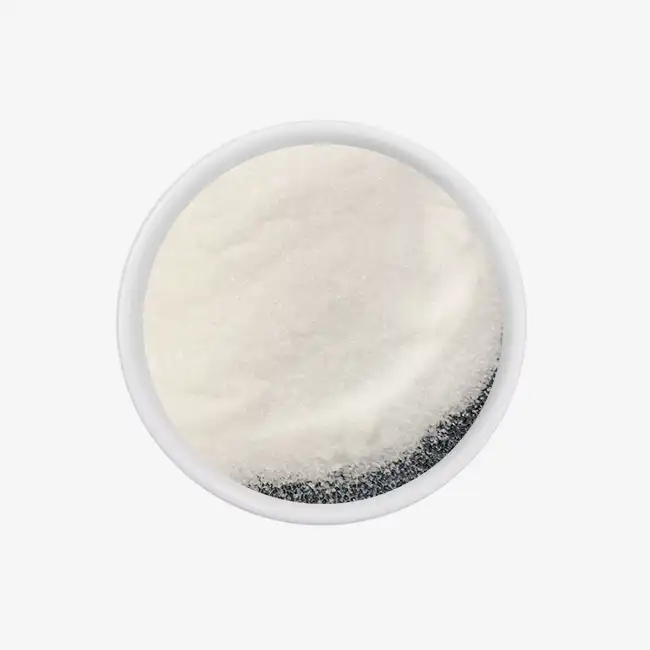
As a result of breaking down hydrogen bonds in ice crystals and dropping the freezing point of water, potassium acetate (CH3COOK, CAS 127-08-2) works. When this white crystalline substance comes in touch with ice or snow, it dissolves exothermically, giving off heat that speeds up the melting process much more than endothermic options like regular rock salt. The molecular weight of potassium acetate is 98.14, and it dissolves easily in water, acid, and alcohol. This makes it a good choice for breaking the bond between sidewalk and frozen snow.
When made at Zhaoyi Chemical, our product stays at least 99% pure, which means it works the same way in all kinds of environments. The refined crystalline structure breaks down evenly, making steady brine amounts that get the job done best while keeping it from freezing again.
Environmental and Safety Advantages
Acetate-based deicers are being used because of rising environmental concerns and government regulations. Potassium acetate is very biodegradable and doesn't need much organic oxygen, unlike chloride compounds that pollute waterways and hurt plants. Environmental testing shows that potassium acetate-based runoff is much less harmful to marine ecosystems than urea- or glycol-based options.
The non-corrosive recipe keeps important things safe for as long as they are in use. This quality is very important to aviation officials because it doesn't affect aluminum metals, cadmium-plated parts, or carbon braking systems even after being exposed to it many times. In the same way, highway departments keep steel-reinforced concrete bridges and parking structures strong by preventing chloride-induced rust, which breaks down rebar and causes spalling.
Temperature Range and Performance Parameters
To effectively melt ice, you need to know the temperature ranges where certain chemicals will continue to work. The usefulness of potassium acetate is tested at temperatures as low as -30°C (-22°F), and its eutectic performance is tested in the lab up to -60°C (-76°F). This low temperature ability is much better than calcium chloride's (effective to about -26°C) and much better than rock salt's (effective only to -9°C).
The harshness of the weather directly affects the rates that need to be applied. When there is light snow, smaller doses are needed, but when there is heavy ice buildup, higher amounts are needed. When the temperature is close to freezing, less of the material needs to be used because it uses the heat from the air to melt faster.
Standard Application Rates for Critical Deicing Scenarios
Airport Runway and Taxiway Applications
To balance safety with working economy, aviation operations need precise dosing. The FAA and other foreign flight officials use the SAE AMS 1431 specifications to help them decide how to apply the rules for runways, taxiways, and aprons.
Standard dose for airport surfaces is as follows: 15 to 25 grams per square meter are needed for preventative anti-icing solutions before it rains to create a protective layer that stops the surfaces from sticking together. Active deicing when snow is falling usually needs 25 to 35 grams per square meter, but this can change depending on how much snow is falling. Heavy ice removal from frozen layers may need 35 to 45 grams per square meter, and mechanical cleaning is often used along with this to get the best results.
When airport managers use standardized spreading equipment, they get the best results by testing the equipment to make sure the distribution is even. When calibration is done correctly, overdosing is avoided, which loses material, and covering is enough for wide runway areas where safety gaps don't allow any compromise.
Highway Bridge and Infrastructure Deicing
Because air moves beneath the surface, bridge decks, overpasses, and high roads freeze more quickly than ground-level pavement. This makes it harder for transportation departments to keep these structures safe.
20 to 30 grams per square meter is a recommended application rate for highway infrastructure for deicing bridge decks before storms. This creates a buffer that keeps ice from sticking and stops it from forming. During busy winter weather, 30 to 40 grams per square meter stops snow and ice from forming. Surfaces that haven't been taken care of or that are heavily icy may need 40 to 50 grams per square meter, along with shoveling.
When maintenance workers try to get the most out of their materials, they often put higher concentrations on areas that need it most, like bridge approaches, steep grades, and shaded areas where black ice is likely to form, and lower rates on parts that are more straight and don't cause as much trouble. This targeted method cuts down on overall consumption while still providing full safety covering.
Parking Structures and Commercial Properties
Managers of commercial buildings have to balance the safety of pedestrians with the need to stay within budget and care for the environment. Solid potassium acetate's non-scaling recipe works well on parking decks made of concrete or asphalt and passes the ASTM C 672 concrete scaling resistance test.
It is common for business properties to use between 15 and 25 grams per square meter for regular maintenance in mild winter weather. Higher-traffic areas like parking zones, entrance ramps, and walks for pedestrians may need 25 to 35 grams per square meter to make up for the extra snow that gets packed down and polished by vehicles.
Property management companies that take care of LEED-certified buildings or buildings close to sensitive water features really like potassium acetate's environmental profile. The biodegradable recipe meets green building standards and provides consistent performance that lowers the risk of harm.
Factors Influencing Dosage Adjustments
For a number of changing factors, operators need to change the base application rates. The thickness of the ice is the most important thing to think about. For every millimeter of extra ice, you need to use a bigger dose to fully enter and cut through the frozen layer. The amount of traffic affects both the density of the ice that is compacted and the mechanical disruption that helps chemicals work. This means that places with a lot of traffic can usually get good results with only a reasonable amount of chemical application.
The density of the substrate affects how well it absorbs and holds water. When compared to thick concrete surfaces, porous asphalt may need slightly higher rates because some product goes into the cracks instead of staying on the top where ice meets it. Real-time changes are based on readings of the surface temperature. For example, colder substrates need higher doses to make up for the extra thermal loss.
The amount and length of precipitation are more than just overall accumulations. Long-lasting light snow allows for lower application rates with multiple treatments, but heavy snowfall that lasts only a short time may require focused doses to keep the snow from building up too quickly. Conditions of the wind are also important because places that are open to them lose product and evaporate faster, so they need to be treated more often or at higher rates.
Comparing Performance Against Alternative Deicing Compounds
Sodium Acetate Versus Potassium Acetate
Both acetate chemicals are good for the climate and don't corrode, but there are important differences that affect product choice. Potassium acetate's eutectic temperature is only -30°C, while sodium acetate's is around -20°C. This makes sodium acetate less useful in very cold places. Potassium acetate is also better at dissolving, which means it makes more concentrated brines that don't get watered down by rain or road spray.
One more difference is agricultural sensitivity. Potassium is good for plants when it's present in reasonable amounts, but too much sodium in the soil hurts plants over time and makes it less likely for water to pass through. Potassium-based formulations are preferred by facilities that are close to landscaped areas, sports fields, or farming land to reduce their impact on the environment.
Traditional Rock Salt and Calcium Chloride Benchmarking
People who want to save money often compare acetates to common chloride chemicals. Even though rock salt costs less per ton, a total cost study shows that there are other costs that aren't being counted. Damage to infrastructure caused by chloride speeds up the repair processes for things like concrete, rebar, and vehicle undercarriages. Application tools, plows, and storage facilities all have shorter useful lives when they are corroded.
Calcium chloride works better at lower temperatures than rock salt, but it is just as toxic and is bad for the climate. The loss of vegetation along roads treated with chlorides is unsightly and increases the risk of flooding. Groundwater pollution lasts for years after application.
Aviation facilities always reject chlorine compounds because they pose a huge risk of damaging aircraft parts through rusting. Potassium acetate is still the standard in industries that need strict material specs for safety-critical uses.
Urea and Glycol-Based Alternatives
At first, urea became common because it was thought to be better for the environment, but later study showed that it had very bad effects on the environment. Ammonia is released when things break down, and it helps eutrophication happen in the water that they enter, which causes plant blooms and oxygen loss. Many places now limit or ban the use of urea near marine areas that are sensitive.
Glycol-based fluids, which are often used to keep airplanes from freezing, are hard to collect and get rid of because they need a lot of molecular oxygen. While glycols work well in some situations, they are too expensive and hard to control environmentally to be used to clear ice off of big areas of pavement.
Potassium acetate has a wide range of excellent properties, including working well at low temperatures, not corroding, biodegradability, and regulatory acceptance. This makes it the best material for demanding applications where protecting the environment and infrastructure is worth spending more on high-quality materials.
Procurement Strategies for Securing Reliable Supply
Supplier Qualification and Quality Assurance
Choosing makers with strong quality control systems guarantees consistency from batch to batch, which is important for planning operations. Zhaoyi Chemical has ISO 9001, ISO 14001, and ISO 45001 standards, which show that they are dedicated to quality, protecting the environment, and keeping workers safe. Our Kosher and Halal approvals add to the credibility of our food-grade and pharmaceutical-grade product lines for specific uses.
Third-party testing and proof adds to the trust. Ask for records of analysis that show the amount of solid potassium acetate (at least 99%), chloride (up to 0.2%), water-insoluble matter (up to 0.05%), and iron (up to 0.05%). For aviation purposes, SAE AMS 1431 approval must be confirmed by tests in a separate lab.
When demand is high in the winter, manufacturing capacity affects how reliable the supply is. Our yearly production capacity of 150,000 tons serves large orders, and we keep extra stock on hand to avoid gaps during extreme weather events or when demand goes up without warning.
Packaging and Logistics Considerations
The total supplied prices are affected by how well materials are handled. Standard 25 kg plastic braided bags make it easier to move by hand for smaller businesses, while 1000 kg ton-bags are best for large businesses that need to store a lot of stuff. The right package keeps the hygroscopic material from absorbing water while it's being shipped and stored, which stops it from caking and making it harder to use in applications and on equipment.
Minimum order amounts depend on the seller and the place where the goods are going. By building ties with makers that offer flexible order volumes, you can avoid having to pay too much for inventory while still making sure you have enough supplies on hand. Lead times are usually between two and six weeks, based on the shipping method and distance. This means that you need to plan ahead before the winter season starts.
Shipping in containers is a cheap way to move large amounts of goods, especially when you need to coordinate with other products that you need, like sodium acetate for wastewater treatment or other acetate compounds that meet the needs of more than one building. Freight efficiency is best achieved by combining purchases made by different operating groups.
Market Dynamics and Negotiation Approaches
The price of acetate depends on the cost of raw materials, the price of energy, and changes in yearly demand. When it's not season, when manufacturers are trying to secure production promises, buyers who want to get the best deal discuss long-term supply agreements. Multi-year contracts that agree to a certain amount of output usually have good terms and make sure that there is a supply when the market is tight.
Global buying methods find a balance between lower costs and the complexity of the supply chain. For big orders, foreign sources may offer more competitive prices, while domestic providers offer shorter lead times and easier logistics. Having a variety of supplier ties lowers the risk that one maker will have problems with production, quality, or capacity.
Application Best Practices for Optimal Results
Surface Preparation and Pre-Treatment Protocols
Deicing that works starts before it starts to rain. When sprayed to clean, dry concrete, anti-icing treatments create a chemical barrier that keeps ice from sticking. Putting down potassium acetate 12 to 24 hours before a storm is expected to happen lets the material spread out widely and stick to the surface, making it work better when it starts to freeze.
Getting rid of loose snow by hand before applying chemicals makes the process much more effective. Getting rid of the snow lets the deicer come into direct touch with the layer of ice below, which lowers the amount needed and speeds up the melting process. When mechanical and chemical tactics are used together, the results are better than when either method is used alone.
Equipment Selection and Calibration
Using the right spreading tools will make sure that the treatment is spread evenly across all areas. Broadcast spreaders with measured flow controls can make exact rate changes to match the surface and weather conditions. Walk-behind units are good for areas with a lot of people or limited room, while truck-mounted systems are better for big parking lots and roads.
Costly application mistakes can be avoided by regularly checking the setting. Do catch tests by spreading the material out on tarps or collection pans that are placed across the width of the equipment and then weighing the material to make sure that the real application rates match the goal rates. Calibration drift happens slowly as equipment wears down, so it needs to be checked again and again throughout the season.
Spreader settings need to be changed based on the features of the product. Granular potassium acetate moves differently than prilled formulations, and the amount of moisture in the formulations also affects how well they flow. Instead of using general equipment settings, testing with real batches of the product being used makes sure that the results are accurate.
Safety Protocols and Handling Requirements
Even though potassium acetate is not as dangerous as some other options, it is still important to follow the right safety steps when dealing and using it. Wearing gloves, safety glasses, and a dust mask can keep you from coming into touch with crystalline dust on your skin, in your eyes, or in your lungs while handling bags and packing spreaders.
Material containment and collection should be part of the spill reaction processes. Concentrated acetate solutions change the pH of the area and should be cleaned up right away, but they are safer for the environment than chlorides. Spilled product can be cleaned up and used again or thrown away properly with absorbent materials or dry cleaning.
Storage room design guards the quality of materials and the safety of workers. Separated areas from chemicals that don't mix, with moisture barriers and enough air flow, stop degradation and keep the quality of the air in the workplace. Having the right stacking height limits lowers the risk of falls while managing goods.
Monitoring and Adjustment During Operations
Monitoring the weather in real time lets you change the application rate before it's too late. Unexpected drops in temperature may require extra treatments, while moderation lets doses be lowered. Instead of just using numbers from ambient air thermometers, measuring surface temperatures with infrared thermometers gives more exact information that can be used to make decisions.
Visual success reviews help decide when to reapply. Checking places that have been treated for refreezing, ice breakthrough, or partial melting shows that more applications are needed. Traffic patterns concentrate snow and ice in certain areas, so it takes extra care to keep the safety of the whole facility the same.
Recording the amount of application, the weather, and the performance that was seen builds institutional knowledge that helps with ongoing growth. By looking at seasonal data, trends can be found that allow for better practices that make the best use of materials while still meeting safety standards.
Conclusion
Learning the normal application rates for deicing solid potassium acetate gives site managers the power to balance the needs of safety, cost control, and environmental responsibility. It is possible to precisely apply materials when you know that the best dose usually falls between 15 and 45 grams per square meter and depends on factors like surface type, weather, ice thickness, and traffic patterns. One of the best things about potassium acetate is that it works well at -30°C, doesn't damage infrastructure, and breaks down naturally. This makes it the best choice for aviation, critical infrastructure, and applications that care about the environment. Strategic buying from qualified makers guarantees a steady supply, and using the right methods for application gets the best return on investment.
FAQ
What application rate should I use for highway bridge deicing?
For preventative anti-icing treatments that are put on before storms, bridge deck deicing usually needs 20 to 30 grams per square meter. Rates should be raised to 30 to 40 grams per square meter when winter weather is busy. Surfaces that have been ignored or heavily iced over may need 40 to 50 grams per square meter. Because air moves under elevated structures, they freeze faster than pavement at ground level. This means that they often need to be treated earlier and more often than regular road parts.
How does potassium acetate compare environmentally to rock salt?
When it comes to protecting the earth, potassium acetate works much better than rock salt. The biodegradable mixture breaks down on its own, so it doesn't get stuck in the ground or dirt. In small amounts, potassium is good for plants, but too much sodium chloride from rock salt hurts plants and stops water from moving through the soil. Tests of aquatic toxins show that it has a much smaller effect on fish and animals. Chloride pollution lasts for a long time, but acetate breaks down totally.
Can I use potassium acetate near sensitive water bodies?
Potassium acetate is one of the best ways to melt snow and ice next to lakes, rivers, marshes, and watersheds. The low biological oxygen demand and fast biodegradation keep the effects on marine ecosystems to a minimum. Acetate-based deicers are required by many LEED-certified buildings and environmentally protected places instead of chloride-based ones. Compared to salt-based goods, runoff that contains potassium acetate doesn't pose as much of a threat to fish populations and water plants.
Partner With Zhaoyi Chemical for Superior Deicing Solutions
Zhaoyi Chemical has been making acetate for more than 35 years and can help you with your winter maintenance problems. They make high-quality deicing solid potassium acetate that meets SAE AMS 1431 standards and goes above and beyond industry quality standards. Our ISO-certified factory keeps the minimum purity level at 99% across its 150,000-ton yearly production capacity. This guarantees a steady supply for demanding business, aviation, and infrastructure uses. We offer flexible packaging in 25 kg bags and 1000 kg ton-bags, and our global transport partnerships help us get low shipping costs to you. As a reliable company that makes deicing solid potassium acetate, we offer expert application support, the ability to make custom formulations, and price models that make the most of your total cost of ownership. You can reach our team at sxzy@sxzhaoyi.com or go to zhaoyichemical.com to see full product details, ask for samples, and talk to our application engineers about your special deicing needs.
References
1. Society of Automotive Engineers. "Aerospace Material Specification 1431: Potassium Acetate Solid Runway and Taxiway Deicer." SAE International Standards, 2019.
2. Transportation Research Board. "Comparative Performance of Acetate and Chloride-Based Deicing Chemicals." National Cooperative Highway Research Program Report 577, 2018.
3. American Concrete Institute. "Guide to Deicer Scaling Resistance Testing and Chemical Selection for Concrete Infrastructure." ACI Committee 201 Report, 2020.
4. Environmental Protection Agency. "Aquatic Toxicity Assessment of Snow and Ice Control Chemicals." EPA Water Quality Protection Division, 2017.
5. Airport Cooperative Research Program. "Best Practices for Airport Winter Operations: Chemical Selection and Application Protocols." ACRP Synthesis 84, 2019.
6. American Society of Civil Engineers. "Cold Weather Concrete Construction and Chemical Deicer Interaction Studies." ASCE Journal of Materials in Civil Engineering, Volume 32, 2021.

USER EVALUATE
Here is the customer's evaluation of us