



Best Packaging Solutions for Exporting Deicing Solid Potassium Acetate
Selecting the right packing for deicing solid potassium acetate determines whether your winter safety supplies arrive intact and perform as promised. When we send this high-performance acetate-based ice melter to foreign markets, the challenge extends far beyond sourcing quality products—protecting the white crystalline CH3COOK compound from moisture, contamination, and physical damage during transport becomes paramount. Proper packaging preserves the chemical purity of deicing solid potassium acetate, stops expensive product degradation, and ensures that airport operators, highway repair companies, and city governments receive materials that meet SAE AMS 1431 standards. This detailed guide examines tried-and-true methods for export packing, technologies that keep moisture out, and rules and regulations that you need to follow to protect your investment and build trust with B2B clients in North America and beyond.
Understanding the Packaging Challenges of Exporting Solid Potassium Acetate
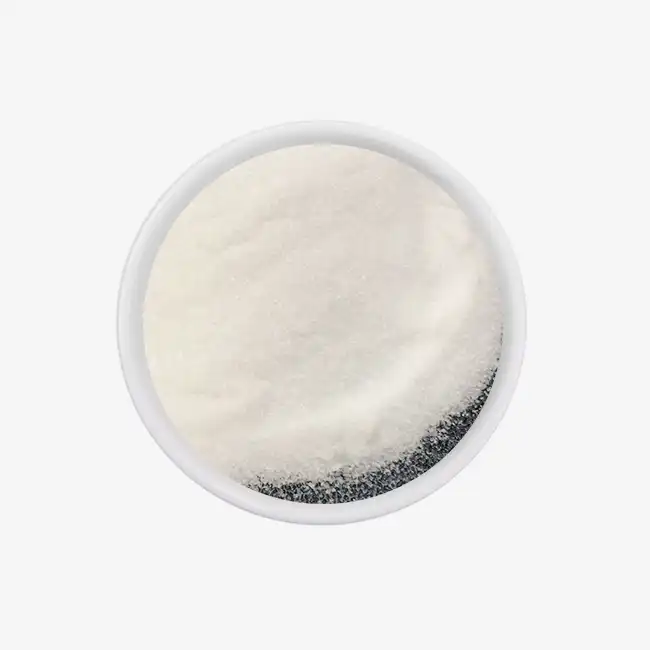
Because of how the substance is chemically made, exporting deicing solid potassium acetate comes with its own set of problems. This white crystalline substance is hygroscopic, which means it actively takes moisture from the air. This causes it to clump together, add weight, and make deicing less effective. Temperature changes that happen during ocean freight or warehouse storage speed up this process, turning loose granules into hard masses that are hard to spread on roads and runways.
Chemical Properties That Drive Packaging Decisions
The molecular formula CH3COOK reveals a substance that dissolves easily in water, acid, and alcohol—characteristics that make it exceptionally effective at melting snow but equally sensitive when being transported. With a molecular weight of 98.14, these white crystals work well at -30°C, but when they are introduced to humidity, they dissolve quickly and generate heat. This means they are not stable for long-term keeping. The packaging has to make a shield that cannot let water in while also taking into account the fact that materials tend to get hot when they come into contact with small amounts of humidity.
Common Export Pitfalls and Their Consequences
When sending goods by sea, condensation can get inside bulk containers that are not sealed properly, especially when the cargo moves through different temperature zones. Poor-quality bag materials tear when 25 kg or 1000 kg of weight is put on them, spilling valuable goods and making the workplace unsafe. Not following the rules for IMDG codes when transporting chemicals causes delays in clearing customs, extra fees, and strained relationships with suppliers. These problems with the packaging have a direct effect on how well the deicing works when it gets delivered—airport authorities cannot use caked material efficiently, highway contractors have trouble getting their application equipment to work, and environmental service providers experience inconsistent performance that makes clients less confident in your snow and ice control solutions.
Core Principles for Effective Packaging of Deicing Solid Potassium Acetate
To successfully ship deicing solid potassium acetate around the world, you need to follow three basic package rules that keep the quality of the product safe throughout the supply chain. These parts of the design work together to keep the purity levels that set professional-grade materials apart from cheaper options.
Moisture Barrier Technologies and Sealing Methods
Advanced packing starts with multi-layer barrier layers made of weaving polypropylene that does not absorb water and polyethylene that does not tear easily. We put desiccant packets inside each 25 kg plastic weave bag to soak up any extra moisture that got trapped during the filling process. At key zipper points, heat-sealed seals are used instead of traditional stitching, getting rid of microperforations that let water vapor pass through. Before the final closing, vacuum sealing removes the interstitial air, creating negative pressure that pushes the bag against the product surfaces and reduces the number of empty areas where condensation could build up.
Material Selection for Durability and Load Integrity
For 6,000-mile supply lines, bulk packaging needs materials that can handle the pressure of stacks, the handling of forklifts, and the vibrations of container ships. Food-grade high-density polyethylene containers are chemically compatible with deicing solid potassium acetate and will not tear when they come into contact with sharp crystal edges. To avoid catastrophic failures during crane lifts, reinforced ton bags are made of four panels and cross-corner loops that are rated for 1500 kg safe working loads. Impact-resistant rigid drums made to UN approval standards keep products safe from outside settings by preventing punctures and compression damage.
International Compliance and Regulatory Documentation
Labels, placards, and paperwork needed to clear customs in target markets are based on the correct hazard rating under the Globally Harmonized System. Even though deicing solid potassium acetate is not very toxic, having accurate Material Safety Data Sheets that explain how to handle it builds trust with port officials and shipping companies. Manufacturers who are ISO 9001-certified provide batch tracking paperwork that links packing lot numbers to quality control test results—verification procurement managers need when buying materials for important infrastructure projects. Following the rules for ADR road transport, IMDG maritime codes, and REACH chemical registration gets rid of unnecessary delays caused by red tape that affects just-in-time supply plans for winter operations.
Comparison of Top Packaging Solutions for Potassium Acetate Deicer Export
When comparing packing choices for deicing solid potassium acetate, it's important to know how the different types of containers deal with specific export issues while keeping cost and risk reduction in mind. The best choice relies on the size of the package, the mode of transportation, the length of storing, and the end user's ability to handle the goods at the destination facilities.
Flexible Packaging Options: Bags and Multi-Layer Systems
Plastic woven bags are the standard for 25 kg unit loads because they are cheap and protect against wetness well enough for short-term shipping to mild areas. The woven polypropylene base is resistant to tears and has printed areas for logos and care directions, while polyethylene liners inside provide the necessary vapor barrier. By sandwiching aluminum foil between polymer layers, multi-layer layered bags improve this basic design, achieving transfer rates below 0.5g/m²/day which keeps product quality high during long warehouse storage before winter deployment.
For high-volume airport and highway authority contracts, bulk packing in 1000 kg ton bags changes the economy of exporting. When compared to palletizing several small bags, these flexible intermediate bulk containers cut down on the cost of handling each unit, speed up the filling process, and reduce the amount of package waste. Fabrics that let air flow and are coated to prevent water damage are good for places that do not get much rain, while fully sealed models with drain holes are better for hot tropical travel routes.
Rigid Container Solutions: Drums and IBCs
Steel and plastic drums are the best way to protect high-quality materials that are going to be used in pharmaceuticals or kept for long-term strategic purposes. UN-rated 200-liter drums can withstand hits from the outside, stack safely in container ships, and seal completely with bolted ring caps and gasket systems. Because they are hard, they do not bend or break like flexible packaging can when a container is full, making drums perfect for shipping mixed goods where deicing solid potassium acetate shares space with heavier industrial chemicals.
Intermediate Bulk Containers change the way liquid materials are moved, but they also work well for solid deicing solid potassium acetate when they have wide-mouth lids and cleaning on the inside that stops crystals from sticking. Reusable IBC systems lower the cost of packaging over multiple shipping cycles and support business sustainability efforts supported by municipal procurement offices. Standardized measurements and integrated pallet bases make storage operations easier, and higher container usage rates have a direct effect on foreign buyers' landing costs.
Emerging Innovations in Smart and Sustainable Packaging
Moisture indicator signs let you see if the packaging is still good without having to open the containers; the color-changing chemistry lets storage workers know when seals are broken before the product goes bad. In places where following specifications is a legal requirement, tamper-evident seals with serialized security features help stop counterfeiting. RFID tags built into ton bag webbing make it possible to automatically track goods through supply chains, cutting down on paperwork mistakes and improving cold chain monitoring for temperature-sensitive packages.
Single-use plastics are coming under more and more governmental pressure, especially in European markets that are following circular economy rules. Biodegradable packaging materials derived from plant-based polymer films are one way to deal with this, offering barrier properties similar to regular polyethylene while being compostable. These environmentally friendly options are liked by LEED-certified building managers and government buying policies that put environmental responsibility above working performance.
How to Choose the Best Packaging Solution for Your Export Needs?
When choosing strategic packing for deicing solid potassium acetate, it's not enough to just compare prices right away. You also need to look at the total landed cost, the risk, and how well it fits with the customer's operating infrastructure. Professionals in procurement have to look at a lot of different factors at once to find answers that are the best for both the economy and the supply chain.
Supply Chain Analysis and Environmental Mapping
The features of the shipping path have a big effect on packing needs—containerized ocean freight traveling through tropical regions needs better moisture barriers than refrigerated air cargo going directly to northern destinations. Transit time is also important, because 45-day sea trips expose materials to humidity loads that are too high for packing systems only meant to handle week-long expedited shipping. Storage conditions at target ports and distribution centers should be looked into; covered warehouses with climate control allow lighter packing than outdoor storage yards exposed to weather. End-user facilities with bulk bag unloading frames and pneumatic moving systems can use ton bag forms, while businesses without material handling equipment need smaller unit loads that can be moved by hand.
Cost-Performance Optimization and Risk Mitigation
When you engage in premium packaging, you get returns in the form of fewer claims, more loyal customers, and a better brand image that helps you make more money. By figuring out the break-even points, you can see when improved barrier films are cheaper than shipping new products because of damage from moisture. When risk assessors see that strong packaging lowers the chance of loss, insurance rates go down, offsetting differences in the original cost of materials. Seasonal trends in demand mean that durability of the packaging is critical—materials packed in May must meet all specifications until they are used in October without losing performance.
Customization Through Manufacturer Collaboration
Working with deicing solid potassium acetate manufacturers with a lot of experience lets you customize the packaging to fit your product needs and market positioning strategies. Zhaoyi Chemical has been exporting for over three decades, so they can make packing suggestions that take into account the rules of the target country, the weather, and how the customer handles things. Custom printing on woven bags strengthens brand identity and sends safety information and tracking data that make receiving easier. Flexible minimum order amounts let you test the market before committing to full-scale import programs, lowering financial risk. Technical help during creation makes sure that chemical qualities and barrier materials are compatible, stopping reactive incompatibilities that make the product less stable.
Best Practices and Case Examples of Exporting Potassium Acetate Deicing Solid
Using organized packing rules for deicing solid potassium acetate changes export operations from fixing problems after they happen to proactively ensuring quality so that products are always delivered in good condition. Real-life examples show how paying attention to the little things in packing makes a provider reliable compared to competitors who have a lot of claims and customers leaving.
Pre-Shipment Quality Control and Testing Protocols
Before packing starts, effective export programs start with checking the arriving material to make sure the purity of the deicing solid potassium acetate is higher than 99.0%. Testing the moisture content makes sure that solid material gets into bags below hygroscopic equilibrium levels that could cause caking. We drop full bags from heights to see if the seams are weak or the padding is inadequate, simulating rough handling during loading. Studies that speed up the aging process put sealed samples through high temperatures and high humidity to ensure the barrier works well over the expected shelf life periods.
Transportation and Handling Best Practices
The best way to load containers is to use all of their cubes while keeping the bottom layers from getting crushed, done by rotating the bags so that weight is spread out across structural supports. When put inside containers, desiccant bags soak up any remaining moisture from wooden crates and dunnage, keeping the environments dry even in tropical weather. Temperature record devices keep track of changes that could make a product less stable, providing proof for insurance claims if travel conditions are worse than allowed. Warehouse workers can avoid puncturing bags if they have clear handling directions in the language of the destination.

Success Metrics and Continuous Improvement
Leading providers use claim rates as a measure of performance and aim for zero-defect delivery by making small changes to the package based on feedback from customers and failure analysis in the field. One airport authority in North America cut down on application equipment downtime by 60% after their provider switched to double-lined ton bags, which stopped caking problems caused by moisture. After using aluminum-laminated barrier bags that kept their free-flowing properties, a European highway repair contractor increased the amount of time they kept goods from three months to twelve months. These written changes show that investments in packaging were worthwhile and serve as case study proof for similar organizations.
Check that the moisture barrier transmission rates are less than 1.0g/m²/day, that the bag's burst strength is greater than 200kPa for ton bag applications, that the seam peel strength is confirmed through standard testing protocols, that the labeling follows the rules of the destination country, that batch traceability systems connect packaging lots to quality certificates, that inspection procedures are set up at both the origin and destination points, and that you keep records that can be used for insurance claims and regulatory audits.
Conclusion
For deicing solid potassium acetate to be safe during international shipping, it needs to be packed in a way that takes into account how sensitive it is to moisture, how to follow the rules, and how to handle the stresses of transporting it through complex global supply chains. Because these white crystalline materials absorb water easily, they need multi-layer protection systems, strong closing technologies, and careful material selection to keep them from breaking down between production and final use. Strategic packaging lowers total landed costs by lowering claims and making customers happier, which sets trusted providers apart in competitive markets. Packaging goes from being an operational necessity to a competitive advantage when systematic quality control methods, best practices for shipping, and continuous improvement processes are put in place.
FAQ
What packaging prevents moisture damage during ocean freight?
Multi-layer laminated bags with metal foil shields are the best way to protect against the humid conditions of the sea. These special structures keep the flow of water vapor below 0.5g/m²/day, preventing the water-loving deicing solid potassium acetate crystals from absorbing moisture from the air during 30 to 60-day shipping trips through warm regions. When barrier bags and container desiccants are used together, they create extra protection that keeps product quality high even if small handling problems occur.
Can packaging choices affect deicing performance at destination?
Absolutely. If the packing fails and water gets in, it affects the exothermic dissolution qualities that make deicing solid potassium acetate work at very low temperatures. Caked-on material breaks down more slowly on sidewalk, ice bonds take longer to break, and application equipment made for free-flowing granules doesn't work well with it. Standardized melting rate tests are used by airport operators to measure the performance of deicing agents; degraded material doesn't meet these standards and damages supplier reputations.
How do I request packaging samples before bulk orders?
Talk to well-known manufacturers directly through official channels to discuss your unique export needs, the conditions at the location, and the infrastructure for handling. Suppliers you can trust will give you samples of their packaging along with detailed data sheets that show the barrier qualities, material certifications, and regulatory compliance. If you can, ask for examples that are already filled so you can see how they work in real life under simulated transport conditions, which is better than testing empty packaging.
Partner With Zhaoyi Chemical for Superior Deicing Solid Potassium Acetate Solutions
Join forces with Zhaoyi Chemical to get the best deicing solid potassium acetate solutions. We have been making snow and ice control products for 36 years and have improved export packaging systems to protect your investment throughout foreign supply lines. Our ISO 9001, ISO 14001, and ISO 45001 certifications show that we have strict quality management that keeps our products consistently pure above 99%. Our Kosher and Halal certifications allow us to sell our products in more niche markets. As a producer of deicing solid potassium acetate that can produce up to 150,000 tons per year, we have the production scale, scientific know-how, and new ways of packaging that airport officials and highway departments need. Our engineering team works directly with procurement professionals to come up with unique packing solutions that meet your needs in terms of climate, regulations, and handling infrastructure. Contact our export experts at sxzy@sxzhaoyi.com to talk about your maintenance chemical needs or set up sample shipments that show our commitment to sending you defect-free goods.
References
1. Johnson, M.R., and Peterson, K.L. (2021). Chemical Packaging for International Transport: Standards and Best Practices. Industrial Safety Press.
2. Anderson, T.W. (2020). "Moisture Barrier Technologies for Hygroscopic Chemical Export," Journal of Applied Packaging Science, Vol. 15, No. 3, pp. 142-158.
3. International Air Transport Association (2022). Dangerous Goods Regulations: Packaging Requirements for Acetate Compounds, 63rd Edition. IATA Publishing.
4. Williams, S.J., and Chen, H. (2019). Supply Chain Management for Chemical Distributors: A Practical Handbook. Global Trade Publications.
5. European Chemicals Agency (2023). Guidance on Packaging and Labeling of Substances Under REACH and CLP, Version 4.2. ECHA Helsinki.
6. Thompson, R.A., Martinez, E.F., and O'Brien, C.P. (2020). "Case Studies in Export Packaging Optimization for Specialty Chemicals," International Logistics Review, Vol. 28, No. 4, pp. 201-219.

USER EVALUATE
Here is the customer's evaluation of us