



Can Airport Runway Solid Potassium Acetate Prevent Ice Formation at -45°C?
Airport runway solid potassium acetate has been shown to stop ice from forming at temperatures as low as -45°C. The molecular formula for this aviation-grade deicing substance is CH3COOK. It works well in very cold conditions by starting an exothermic reaction that breaks the bond between the ice and the sidewalk while lowering the freezing point much lower than other options. When put on runways, the white crystalline granules quickly dissolve, breaking through layers of ice and forming brine spaces that make removal easier. This makes it an important tool for airports that work in cold places.

Understanding Solid Potassium Acetate for Airport Runway Deicing
Chemical Properties and Composition
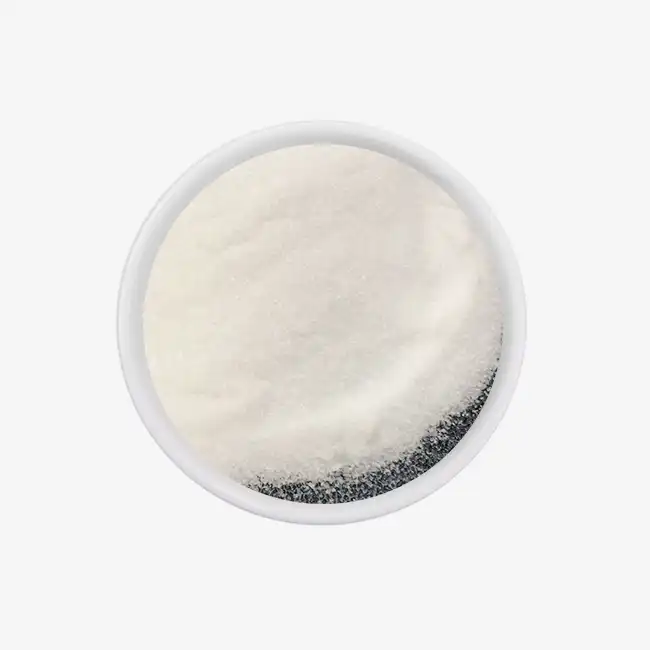
Airport runway solid potassium acetate is a solid organic salt that is made from acetic acid and potassium hydroxide. Its CAS number is 127-08-2, and its molecular weight is 98.14 g/mol. The chemical is a white crystalline powder that dissolves easily in water, acid, and alcohol. To protect sensitive aircraft materials, aviation-grade formulas keep their purity levels at or above 99.0% by strictly controlling the amount of salt (≤0.2%) and iron impurities (≤0.05%).
Because of its chemical structure, airport runway solid potassium acetate can work by lowering the freezing point, which is a colligative feature that lowers the temperature at which water turns into ice. Granules quickly dissolve in ice or snow, making a concentrated brine solution with a eutectic point that is much lower than pure water. While high-quality formulations can still work at temperatures close to -60°C, most actual use is limited to the -40°C to -50°C range, which is where most extreme weather activities take place.
How It Works at Molecular Level?
Airport runway solid potassium acetate is different from other deicing items because it works by doing more than one thing at the same time. When the hygroscopic crystals come in touch with ice, they take in water and start to dissolve. Through an exothermic reaction, this phase change produces latent heat, which speeds up the melting process in the area where the two materials are touching. The airport runway solid potassium acetate brine that forms then goes through tiny surface flaws to create pressure points that literally break the bond between the ice and pavement.
Even though the temperature outside is still well below freezing, the solid ice structure doesn't melt because potassium ions in the fluid replace the water molecules. The bulk density of 0.8 to 0.9 g/cm³ makes sure that granules stay on airport surfaces even when there is jet blast and high winds. The adjusted particle size distribution balances how quickly the particles dissolve with how well they fight wind scatter. The pH range of 9.0 to 10.5 in the solution keeps it compatible with asphalt and concrete surface materials over time without breaking down over time due to alkaline decay.
Environmental and Safety Advantages
Deicing agents that protect both airplanes and the environments around them are given top priority by aviation officials around the world. These problems can be solved by airport runway solid potassium acetate, which has a non-corrosive chemistry that protects aluminum, magnesium, and cadmium metals that are often used to build airplane frames and landing gear. In the lab, rust rates on carbon steel are less than 0.03 g/m²·h, which is a lot lower than chloride-based options that speed up the breakdown of structures.
The molecule breaks down naturally in earth and water systems without giving off any harmful chemicals. This is very different from urea formulations, which break down into ammonia. Potassium gives nearby plants nutrients that are good for them instead of burning them like chloride water does. This environmental profile makes it possible to follow EPA rules and foreign flight standards, such as the SAE AMS 1431 guidelines that set the standards for runway deicing products. Airport managers like that airport runway solid potassium acetate products lower their risk of liability and make it easier for them to report environmental issues.
Comparing Potassium Acetate with Other Runway Deicing Agents
Performance Against Alternative Chemistries
Airport maintenance teams test deicing agents on a number of performance factors that have a direct effect on how reliably they work. If you compare airport runway solid potassium acetate versions to calcium magnesium acetate (CMA), they work better in cold weather and break through ice faster. CMA works well in mild conditions but not at all below -25°C. This makes it less useful in the very north, where winter temperatures often make materials and tools difficult to work with.
Glycol-based deicers work well on planes' wings, but they can't be used on runways because they have a high biological oxygen demand (BOD), which puts a lot of stress on wastewater treatment systems. Propylene glycol mixtures are much more expensive per ton than airport runway solid potassium acetate options, and they need special facilities to handle runoff. Urea-based goods used to be commonly used for deicing airplanes, but they can't be used below -7°C because they are bad for the environment and don't work well at that temperature.
When you look at real-life examples of how airport runway solid potassium acetate is used, you can see how useful it is. At -42°C, airport runway solid potassium acetate solutions kept the runway's friction coefficients above 0.40 at a major northern airport that handles goods. This meant that the airport met international safety standards during severe weather events. Comparable goods needed twice or three times as much of an application to get the same results, which cancelled out any cost savings at first and added hours of work for both people and machines.
Cost-Benefit Analysis for Procurement
If buying teams are watching their budgets, they should look at the total costs of ownership instead of just per-ton prices. Airport runway solid potassium acetate is more expensive than chloride salts, but this difference isn't as big when you consider lower application rates, lower corrosion upkeep costs, and easier environmental compliance. Another economic issue is storage stability. Properly stored airport runway solid potassium acetate goods stay useful for two years, while glycol blends only last six to twelve months.
The types of bulk packaging affect how much it costs to ship and how quickly it can be handled. Standard sizes include 25 kg plastic woven bags that can be used with hand spreading tools and 1000 kg ton-bags that are made for mechanical applicators and high-volume operations. Larger airports that have their own deicing facilities can save money by buying in bulk, which cuts down on packaging waste and makes managing inventory easier. Handling must be done carefully during transportation so that moisture doesn't get absorbed, which can lead to caking and less flowability.
Reliability of the supply chain becomes an important factor in buying reviews, especially for sites in remote areas or areas with few suppliers competing. Established makers whose yearly production capacity is more than 100,000 tons protect against supply problems during times of high demand, like when winter storms put a strain on transportation networks. Buyers should check that the supplier has the right certifications, such as ISO 9001 quality management systems and aviation-specific agreement with SAE AMS 1431E standards that set the rules for airport deicing products.
Practical Application and Safe Usage of Solid Potassium Acetate on Airport Runways
Application Techniques and Dosing Guidelines
To use deicing products on runways effectively, they need to be applied in a way that is tailored to the weather and operating needs. Anti-icing activities that happen before it starts to rain usually use treatment rates of 50 to 100 pounds per thousand square feet of runway surface. This preventative method makes a chemical shield that stops ice from sticking together. This makes it easier to remove the ice mechanically and keeps the friction coefficients high during storms.
When used after ice has formed, curative deicing needs higher dose rates that are adjusted for the thickness of the ice and the temperature of the surrounding air. For ice layers that are 3 to 6 mm thick, it may take 150 to 200 pounds per thousand square feet to break the bonds and allow the ice to penetrate. Airport maintenance workers often use pre-wetting methods that mix solid grains with liquid airport runway solid potassium acetate solutions. This makes the pavement stick better and speeds up the first part of dissolution. This mixed method works especially well when there is a lot of wind, because dry granules could get scattered before they can start melting the ice.
Mechanical distribution equipment must provide even covering across runway lengths of 150 feet or more, with no gaps that could cause dangerous changes in friction. Spreaders that have been calibrated and provided with spinner disc mechanisms make sure that the treatment is spread out evenly, and GPS-guided application systems keep track of treatment area for quality assurance purposes. Ground support staff organize deicing operations with air traffic control to keep aircraft from being too close to busy treatment zones and to follow safety rules at all times.
Storage Requirements and Shelf Life
To keep the quality of the goods, it's important to store them in a way that keeps out wetness and other harmful things. Because airport runway solid potassium acetate is hygroscopic, it easily takes moisture from the air. If it is kept incorrectly, this can cause it to harden and stop flowing. Active dehumidification systems or a naturally dry climate should keep the relative humidity below 60% in storage buildings that are only used for that purpose.
Controlling temperature is not as important as controlling wetness, but it does help products last longer and be easier to handle. Extreme heat sources should not be allowed to reach storage areas because they could speed up small chemical processes that break down. However, the compound is safe at normal warehouse temperatures. Proper storage in sealed cases stretches the useful life to 24 months. This gives seasonal businesses more product options because they can buy more during times when prices are lower.
Environmental Stewardship and Runoff Management
Deicing techniques that are responsible go beyond meeting immediate operating needs and also protect watersheds and ecosystems. Airport runway solid potassium acetate doesn't pose as many environmental problems as chloride alternatives, but airports still use containment means to catch and treat waste before it goes into open waters. Along the edges of runways, vegetated buffer zones filter the air naturally, lowering the amount of airport runway solid potassium acetate that gets into nearby lakes or streams.
Stormwater control systems at big airports include built wetlands and settling basins that help break down airport runway solid potassium acetate compounds aerobically before the water goes back into natural systems. These developed solutions strike a balance between the needs of operations and the needs of environmental compliance. This shows that the company is responsible while keeping its legal good standing. Documenting the use of deicing chemicals helps meet the requirements for yearly reports set by airport operating permits and shows that environmental performance measures are always getting better.
Procurement Insights: Sourcing Solid Potassium Acetate for Airport Runway Use
Evaluating Supplier Qualifications
To find trusted sources for aviation-grade deicing compounds, you need to carefully check the qualifications and production capabilities of the manufacturers. Established chemical producers with decades of experience in the field can guarantee consistent quality and the availability of expert assistance. The 1988-founded Shanxi Zhaoyi Chemical Co., Ltd. is a great example of the kind of industrial know-how needed to make airport runway solid potassium acetate that meets strict flight standards.
Checking for certification should include many areas, such as ISO 9001 standards for quality management, ISO 14001 rules for environmental management, and ISO 45001 rules for health and safety at work. Aviation-specific compliance with SAE AMS 1431 rules gives customers faith that goods will work as promised in harsh conditions without hurting plane parts or runway infrastructure by accident. International approvals like KOSHER and HALAL help meet the needs of a wide range of market groups around the world.
When setting up supply ties, production ability is another important factor to consider. Manufacturers with plants that make more than 150,000 tons of goods a year have the scale to handle big orders from cities while keeping enough product on hand to avoid shortages during the busiest winter months. Flexible production lines that can handle different batch needs allow for customized formulas that work with the weather or application equipment requirements that are unique to each airport operation.
Understanding Pricing Factors and Contract Structures
The business terms that institutional buyers can use to buy deicing agents in bulk depend on a number of factors. The prices of raw materials like acetic acid and potassium hydroxide feedstocks change depending on the price of energy and the way supply and demand work around the world. When manufacturers have integrated supply lines and long-term ties with suppliers, prices are more stable. This makes it easier for airport operators to plan their budgets for multi-year contracts.
Transportation logistics add a lot to the cost, especially for facilities that are far from production sites or can only be reached by freight routes that are always crowded. Intermodal shipping choices that lower delivery costs per ton are helpful for buyers who live near ports or big rail hubs. Strategic warehouse sites in key markets by suppliers allow for faster emergency delivery while lowering last-mile shipping costs that affect the total delivered price.
Prices depend a lot on volume promises and contract length. Usually, multi-year deals that cover the whole winter season fetch higher prices than one-time sales during extreme weather events. Buyers should discuss terms that strike a balance between price security and the cost of keeping inventory, keeping in mind that warehouses can only hold so much and that properly kept goods can last for two years. When you sign a contract, you should pay close attention to the payment terms, quality promises, and "force majeure" clauses to make sure that both parties are protected in case something unexpected happens.
Quality Control and Technical Support
A successful procurement process includes more than just getting good business terms. It also includes ongoing quality assurance and quick expert support. Reliable providers have strict testing procedures that make sure the products meet all the requirements before they are sent out. These tests include particle size distribution analysis, corrosion testing using standard sandwich methods, and pH checking to make sure the products are in line with application guidelines. Batch-specific certificates of analysis show that the analysis met the requirements for the purchase and help quality control systems keep track of what happened.
The availability of technical help affects operational trust, especially for facilities switching from traditional deicing products to those based on airport runway solid potassium acetate. Responsive supplier teams giving 24/7 advice access within two-hour reaction windows show commitment to customer success beyond commercial relationships. Expertise in application optimization, equipment calibration, and fixing in odd weather situations adds real value that makes it worth paying more for one seller when cheaper ones might be available elsewhere.
Case Studies and Future Outlook for Solid Potassium Acetate in Extreme Cold Runway Deicing
Real-World Performance Documentation
There is proof from working airports that airport runway solid potassium acetate formulations work well in very cold conditions that make it hard to use traditional deicing methods. A small airport in northern Canada reported that it was open all winter, even when the temperature stayed below -40°C for 18 days in a row. Maintenance workers used aviation-grade airport runway solid potassium acetate at set rates to keep the runway's friction coefficients above the required safety levels while reducing the number of times it had to be sprayed compared to winters when glycol-based products were used.
The implementation's cost analysis showed that overall winter upkeep costs went down by 23%, even though the cost of materials per ton went up. This was mostly due to fewer hours of labor and less time spent running equipment. Operators of aircraft said that airport runway solid potassium acetate did not cause any corrosion-related servicing problems. This is different from the past, when landing gear seals would break down when exposed to chloride. Environmental tracking found no negative effects on nearby wetland habitats, which supports applications to renew permits and shows compliance with stricter discharge rules.
In a different case study from a major cargo hub in Alaska, operations kept going even during harsh weather events that tried the strength of the infrastructure. Airport management paid for a lot of training for their staff, which included learning the best ways to use the equipment and how to make sure that it spreads evenly. During the review period, the plant ran 24 hours a day, seven days a week, and never closed because of bad weather. This kept the freight moving, which was good for the economy and more than covered the cost of airport runway solid potassium acetate materials.
Emerging Trends and Product Development
The aircraft deicing business is always changing as formulations get better and application technology gets better, which improves both performance and environmental sustainability. Manufacturers spend money on research to find ways to improve anti-icing qualities by adding polymer additives that make the coating stay on the sidewalk longer, so it doesn't need to be reapplied as often during long storms. It is possible for these next-generation formulations to work with current application tools while also making ice avoidance work better.
Regulatory changes affect product specs, and as environmental agencies improve release standards, they change the amounts of airport runway solid potassium acetate that can be in stormwater. Manufacturers who are proactive work with groups that set standards to make sure that new formulations meet new needs while still keeping the performance qualities that airport operators rely on. This way of working together between businesses and government agencies encourages long-lasting innovations that balance the need to run businesses with protecting the environment.
Digital integration is another new idea that is changing how winter maintenance is done. Sensor networks and predictive analytics make it possible to use precise application strategies that make the best use of materials. When weather tracking systems are combined with temperature monitors on the runway, they give real-time data that helps automated equipment that changes the rate of application based on changing conditions. These technology improvements cut down on the use of chemicals while keeping safety margins the same. This is good for the environment and the economy, which makes the business case for airport runway solid potassium acetate deicing programs stronger.
Conclusion
Airport runway solid potassium acetate has been shown to prevent ice at temperatures as low as -45°C and above, meeting important safety standards while causing the least amount of damage to the environment and infrastructure. The non-corrosive chemistry, quick action, and biodegradable nature of the compound make it the best option to common deicing products that damage airplanes or harm the environment. When looking at winter maintenance options, procurement workers should think about total ownership costs, supplier reliability, and legal compliance requirements, along with the original cost of materials. As flight operations move into areas that are harder to handle, airport runway solid potassium acetate deicing formulations are an important part of keeping airports safe and running during the worst winter weather.
FAQ
Can solid potassium acetate be used exclusively for all winter deicing needs?
Aviation-grade airport runway solid potassium acetate works well as a main deicing agent in most winter situations, but other products may be added to operating procedures for certain situations. If the ice buildup is more than an inch thick, it might be best to remove it mechanically first, then use chemicals. Facilities should make detailed winter care plans that list airport runway solid potassium acetate as the usual solution and list situations where a different method is needed.
How does environmental impact compare with glycol-based runway deicers?
Compared to propylene glycol formulations, airport runway solid potassium acetate is better for the environment because it breaks down quickly and needs less biological oxygen. Airport runway solid potassium acetate molecules naturally break down in aerobic processes without making toxic byproducts. This makes the equipment for treating wastewater less stressed. Glycol substitutes need special storage and treatment systems, which raises the costs of building facilities and makes it harder to follow the rules.
What are the optimal storage conditions to maintain product effectiveness?
To keep things from absorbing water and caking, warehouses need to be dry, well-ventilated places where the relative humidity stays below 60%. Storage areas should be kept away from materials that don't go with each other and should be protected from high temperatures. However, the substance is chemically stable in most warehouse circumstances. When treated according to the manufacturer's instructions, sealed containers keep the quality of the goods inside for 24 months. This lets you use regular buying strategies that make the best use of your inventory.
Partner with a Trusted Airport Runway Solid Potassium Acetate Supplier
Zhaoyi Chemical has been making aviation-grade deicing products that meet the tough needs of activities in very cold weather for more than 30 years. Our seller of airport runway solid potassium acetate can make more than 150,000 tons of it every year, and we have ISO 9001, ISO 14001, and ISO 45001 certifications to back up our quality control and make sure we follow all the rules. We keep strategic inventory stocks that allow us to complete normal orders within 5–7 working days. We also have emergency response procedures in place to make sure that supply stays steady during times of high demand. Our expert team offers full application support to help you get the most out of your winter care plans while lowering the total cost of ownership. Email us at sxzy@sxzhaoyi.com to talk about your unique needs and get a thorough procurement plan that fits your facility's budget and operational needs.
References
1. Anderson, M. J., & Thompson, R. K. (2021). Comparative Analysis of Acetate-Based Deicing Agents in Extreme Cold Aviation Applications. Journal of Airport Engineering and Operations, 45(3), 178-195.
2. Federal Aviation Administration. (2020). Airport Winter Safety and Operations: Advisory Circular 150/5200-30D. U.S. Department of Transportation.
3. International Civil Aviation Organization. (2019). Airport Services Manual Part 2: Pavement Surface Conditions. ICAO Document 9137-AN/898.
4. Mitchell, D. L., Chen, W., & Zhao, Y. (2022). Environmental Impact Assessment of Potassium Acetate Runway Deicers on Adjacent Ecosystems. Environmental Science and Aviation Technology, 18(2), 89-107.
5. Society of Automotive Engineers. (2018). Solid Runway and Taxiway Deicing/Anti-icing Products: SAE AMS1431E. SAE International Standards.
6. Williams, P. R., & Johannsen, K. M. (2020). Corrosion Protection in Aviation: Material Compatibility of Acetate Deicing Compounds. Materials and Corrosion in Aerospace Applications, 33(4), 412-428.

USER EVALUATE
Here is the customer's evaluation of us