



Moisture-Proof Packaging Solutions for Airport Runway Solid Potassium Acetate
If winter weather happen and your airport needs to stay open, the quality of your de-icing materials can mean the difference between safe flights and expensive delays. Airport runway solid potassium acetate is the best de-icing solution for the aviation business, but it only works if it's properly packaged to keep out moisture. This hygroscopic white crystalline substance (CH₀COOK) quickly absorbs moisture from the air. If it is exposed to humidity, it changes from a high-performing granular product to a broken, clumped mass within hours. Knowing about solutions for moisture-proof packaging saves your investment and makes sure that the runway is safe when the weather gets worse.
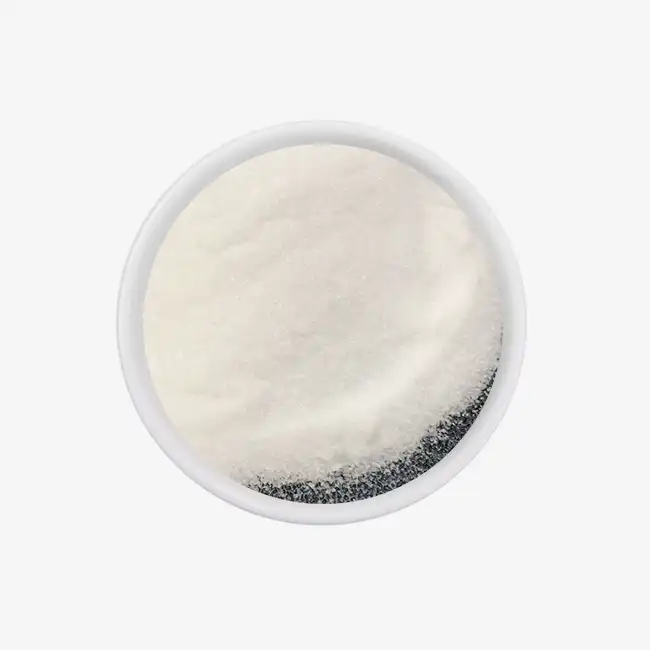
Understanding the Role of Solid Potassium Acetate in Airport Runway Deicing
De-icing techniques for airplanes are very different from those used on highways. Aluminum, magnesium, and cadmium metals used in airplanes corrode quickly when exposed to chloride-based salts. This means that regular road de-icers can't be used on runways at all. Potassium acetate rapidly became the industry standard because its organic salt makeup effectively melts ice without affecting the structural integrity of airplanes.
Chemical Properties Driving Aviation Preference
The molecular structure of potassium acetate (molecular weight 98.14 g/mol) releases heat when it dissolves, which speeds up the ice's ability to penetrate. It works even when the temperature drops to -60°C, which is much better than urea mixtures that stop working at temperatures below -7°C. Because they are biodegradable, they have less of an effect on the environment than glycol-based alternatives. This helps with sustainability issues at airports near sensitive watersheds.
Performance Mechanisms in Extreme Conditions
When solid granules are spread on ice-covered runways, they break through layers of ice up to 6 mm thick, causing pockets of brine that weaken the bond between the ice and the pavement. Instead of just using chemicals to melt the ice, this mechanism lets mechanical tools get rid of ice sheets quickly. The optimal particle size distribution stops wind scattering when exposed to jet blasts and speeds up the breakdown process when it comes into contact with water.
Environmental and Safety Advantages
Unlike urea products that were taken out because they were toxic, acetate-based de-icers break down naturally and don't hurt ground support equipment or plants nearby. The solution's pH range of 9.0 to 10.5 keeps it compatible with concrete and asphalt runway surfaces, which extends the life of the ground. Because of these qualities, potassium acetate is the best choice for airports that want to balance operational efficiency with long-term infrastructure protection and legal compliance.
Knowing these performance traits helps you understand why packaging needs to keep the integrity of the product. Any contact with water before application damages the carefully designed particle structure and chemical purity that make these benefits possible.
Challenges in Packaging Solid Potassium Acetate for Airport Use
Because potassium acetate is hygroscopic, it is hard to package right away. This chemical actively pulls moisture from the air around it, and when the relative humidity goes above 60%, it breaks down quickly. What starts out as white, crystalline crystals that flow freely turns into caked masses that don't dissolve and make uneven patterns when they're used on runways.
Moisture Absorption and Quality Degradation
Water absorption doesn't just change how something looks; it also changes how well it de-ices. When moisture gets into a product, the quantity of active ingredients that work lessens. The exothermic reaction that happens when it is applied decreases, ice penetration slows, and gains in the friction coefficient decrease. When airports test the performance of different products, they find that materials that are damaged by moisture need 30–40% higher application rates to get the same results. This has a direct effect on operational costs.
Physical Damage During Transportation and Storage
When bulk goods go from factories to airport storage warehouses, they have to go through a lot of different steps. There are chances for box tears, seal failures, or compression damage at every transfer point. As packages travel through different climate zones, they are exposed to changes in temperature that cause condensation to form inside damaged packing. Even small holes let enough water in to start breaking down the product, especially when it's stored for a long time before winter release.
Limitations of Traditional Packaging Methods
Standard woven polypropylene bags that are used for many industrial products don't work well with airport runway solid potassium acetate because it is sensitive to moisture. These materials don't protect against mist very well, so water molecules can move through the weave structure. There is no redundancy in single-layer packaging; if one point of failure happens, the whole materials are exposed. Traditional methods created for chemicals that aren't as sensitive don't work for aviation-grade de-icing materials that are kept near humid coastlines or in places where temperatures change a lot from season to season.
When procurement teams are aware of these weaknesses, they can set higher packing standards that meet the performance needs of the product. Investing in better packaging security pays off in the form of less waste, consistent application performance, and no longer having to pay extra to reorder in the middle of the season.
Moisture-Proof Packaging Solutions: Core Principles and Technologies
Advanced packaging systems designed for hygroscopic chemical products combine multiple protective layers, each serving specific barrier functions. The goal extends beyond simply keeping rain out—effective solutions prevent vapor transmission, resist mechanical stress, and maintain seal integrity throughout the supply chain journey.
Barrier Material Technologies
Modern moisture-proof packaging employs multi-layer constructions combining different material properties. Polyethylene films provide the primary moisture barrier, with thickness specifications ranging from 120 to 200 microns depending on storage duration requirements. Foil laminates add a complete vapor barrier for premium applications requiring extended shelf life exceeding 18 months. These materials bond to woven polypropylene or polyester backing that supplies tear resistance and structural strength during handling. The combination delivers vapor transmission rates below 2 g/m²/24hr, maintaining internal relative humidity under 40% even in challenging external conditions.
Sealing and Quality Assurance Features
Packaging integrity depends entirely on seal quality. Heat-sealing technologies create fusion bonds stronger than the surrounding material, eliminating the weak points found in sewn closures. Tamper-evident features including tear strips and security labels provide visual confirmation that packages remain unopened from manufacturing through end-use. Some advanced systems incorporate humidity indicator cards inside packaging, offering instant verification that moisture protection remained effective throughout storage. These quality assurance elements give procurement teams confidence that product specifications match delivery conditions.
Design Considerations for Industrial Aviation Applications
Airport storage and handling operations favor specific packaging configurations. Ton bags (1000kg capacity) with internal liner systems suit bulk storage facilities with forklift infrastructure, minimizing handling frequency and associated damage risks. The modular design allows efficient palletization, optimizing warehouse cube utilization. Four-loop lifting configurations distribute weight evenly, preventing stress concentration that could tear bag walls. Discharge spout designs enable controlled dispensing into spreading equipment without exposing remaining product to atmospheric moisture. These practical design elements reflect real-world operational requirements rather than generic industrial packaging standards.
Zhaoyi Chemical's packaging approach incorporates these principles across our product line. Our 25kg woven bags and 1000kg ton bags both feature internal polyethylene liners heat-sealed independently before outer bag closure, creating redundant protection layers. This dual-barrier system has extended field shelf life from the industry-standard 12 months to 24 months when stored properly, reducing waste and improving supply chain flexibility for our airport customers.
Comparing Moisture-Proof Packaging Options in the Market
The marketplace offers various packaging solutions claiming moisture protection, yet performance differences become apparent under rigorous airport operational conditions. Evaluating options requires understanding what specifications truly matter versus marketing terminology that obscures actual protective capabilities.
Industry-Leading Packaging Innovations
Premium packaging systems designed specifically for airport runway solid potassium acetate aviation de-icing chemicals incorporate features absent from commodity chemical packaging. Valve-bag technology allows complete filling while eliminating dust exposure during packaging operations, maintaining product purity. UV-resistant outer layers prevent polymer degradation during outdoor storage at airports with limited warehouse space. Antistatic additives in packaging materials reduce dust attraction that could compromise seal areas. These specialized features address the unique combination of purity requirements, outdoor storage realities, and safety concerns present in aviation applications.
Cost Analysis and Value Considerations
Packaging costs typically represent 3-5% of total delivered product cost, yet this relatively small expense dramatically impacts total cost of ownership. Lower-quality packaging may reduce initial purchase price, yet product losses from moisture damage, reordering expenses, and application inefficiencies quickly overwhelm any initial savings. A comprehensive cost analysis must include expected waste rates, storage duration before use, climate conditions at storage facilities, and consequences of application failures during critical weather events. When calculated across full winter seasons, premium moisture-proof packaging delivers return on investment through reduced waste and consistent performance.
Supply Chain Logistics and Reliability
Packaging durability affects logistics throughout the distribution network. Robust packaging withstands the mechanical stresses of container shipping, rail transport, and final-mile delivery without requiring special handling or climate-controlled transportation. This resilience reduces shipping damage claims, simplifies inventory management, and enables strategic stockpiling during off-season periods when pricing and availability favor bulk purchases. Suppliers offering comprehensive packaging solutions with proven field performance records provide operational advantages beyond the chemical product itself.
Procurement teams evaluating suppliers should request detailed packaging specifications including vapor transmission rates, seal strength testing results, and case studies from similar climate zones. The most reliable indicator of packaging performance comes from airports operating in comparable conditions—references from facilities managing similar storage durations and environmental exposures provide valuable insight beyond manufacturer claims.
How to Select the Right Moisture-Proof Packaging for Your Airport Runway Potassium Acetate
Choosing optimal packaging requires aligning product protection requirements with operational workflows and facility infrastructure. This decision impacts product performance, handling efficiency, and total program costs throughout the winter maintenance season.
Defining Procurement Requirements
Start by assessing your specific operational parameters. Calculate expected consumption rates based on runway square footage, historical weather patterns, and application protocols. This determines whether bulk ton-bag systems or smaller 25kg units better match your dispensing equipment and usage patterns. Evaluate storage facilities for climate control capabilities, typical humidity levels, and maximum storage duration from delivery to final use. Airports in humid coastal regions require higher-specification packaging than facilities in arid mountain locations, even when using identical chemical products.
Key Selection Criteria
The moisture barrier effectiveness stands as the paramount consideration—request specific vapor transmission rate data rather than generic "moisture-resistant" descriptions. Packaging must maintain internal relative humidity below 50% throughout your longest anticipated storage period. Physical durability matters equally, particularly handling resistance during loading, transport, and warehouse operations. Evaluate lifting mechanisms on bulk bags for compatibility with your material handling equipment. Dispensing features should enable smooth product flow into application equipment without creating exposure opportunities for remaining inventory. Certification documentation confirming compliance with relevant transportation regulations and safety standards eliminates potential shipping delays or regulatory complications.

Supplier Evaluation and Partnership Considerations
Selecting a packaging supplier extends beyond comparing specification sheets. Assess manufacturing consistency through quality certifications including ISO 9001 systems that ensure batch-to-batch uniformity. Technical support capabilities matter when troubleshooting storage or handling challenges—suppliers offering responsive engineering assistance help optimize your entire de-icing program rather than simply delivering commodity packaging. Lead time reliability becomes critical when planning pre-season inventory buildup, as packaging shortages can delay product availability during the narrow window before winter weather arrives. Long-term supply agreements with established manufacturers provide stability and often unlock pricing advantages that offset premium packaging costs.
Our three decades of acetate production experience at Zhaoyi Chemical informs our packaging development. We maintain dedicated production capacity of 150,000 tons annually, ensuring reliable availability even during peak pre-winter ordering periods. Our engineering team provides customization services for specific operational requirements, from modified bag sizes to specialized liner materials for extreme climate conditions. This partnership approach helps airports optimize their complete de-icing supply chain rather than treating packaging as an afterthought.
Conclusion
Moisture-proof packaging represents the essential bridge between chemical manufacturing excellence and operational field performance. Airport runway solid potassium acetate delivers unmatched de-icing effectiveness, environmental compatibility, and aircraft safety—but only when moisture protection maintains product integrity from production through application. The packaging investments that protect this specialized material generate returns through reduced waste, consistent performance, and operational reliability during critical weather events.
Procurement decisions should balance immediate costs against total ownership expenses, recognizing that premium packaging systems deliver value throughout winter seasons. Selecting suppliers with demonstrated expertise in aviation-grade chemical packaging, robust quality systems, and responsive technical support ensures your runway safety program maintains the performance standards that flight operations demand.
FAQ
Why does moisture-proof packaging matter so critically for potassium acetate de-icers?
Potassium acetate's hygroscopic nature means it actively absorbs moisture from surrounding air, even at moderate humidity levels. Moisture infiltration dilutes the active compound, reduces the exothermic reaction upon application, and creates clumping that prevents even distribution on runways. Proper moisture-proof packaging maintains the carefully controlled purity and particle structure engineered during manufacturing, ensuring the product performs to specifications when applied during winter weather events.
What happens if moisture reaches stored potassium acetate before use?
Moisture exposure initiates a cascade of quality degradation. The product clumps and cakes, making it difficult to dispense through spreading equipment. Chemical effectiveness declines as water dilutes active compounds, requiring higher application rates to achieve equivalent de-icing performance. This increases operational costs and can create safety concerns if application rates fall short during severe weather. Severely compromised material may become unusable, resulting in complete product loss and emergency reordering during the season.
How do I verify packaging quality when evaluating airport runway solid potassium acetate suppliers?
Request specific vapor barrier transmission rates measured in g/m²/24hr rather than generic moisture-resistant claims. Ask for seal strength testing documentation and case studies from airports operating in similar climate conditions. Check for certifications like ISO 9001 that demonstrate consistent manufacturing quality. Examine physical samples to assess material thickness, seal integrity, and handling features. References from airport operations managers who've stored the product through complete winter seasons provide the most reliable validation of packaging performance.
Partner with a Trusted Airport Runway Solid Potassium Acetate Supplier
Zhaoyi Chemical has protected runway safety across the United States for over 30 years through advanced moisture-proof packaging solutions and premium-grade airport runway solid potassium acetate formulations. Our aviation-grade products meet SAE AMS 1431 standards, backed by ISO 9001, ISO 14001, and ISO 45001 certifications that ensure consistent quality and environmental responsibility. We understand that packaging performance directly impacts your operational readiness—our dual-barrier systems and rigorous quality controls deliver products that maintain specifications throughout storage and application.
Airport operations managers and procurement teams seeking reliable moisture-proof packaging solutions benefit from our technical expertise and responsive support. We maintain substantial inventory reserves for rapid order fulfillment and offer customization services tailored to your facility's specific requirements. Our engineering team provides consultation on storage optimization, handling protocols, and application best practices that maximize your de-icing program effectiveness. Contact our team at sxzy@sxzhaoyi.com to discuss your upcoming winter season requirements or request product samples demonstrating our packaging protection standards. Let our manufacturing experience and commitment to runway safety support your operations when weather conditions demand absolute reliability.
References
1. Society of Automotive Engineers. "SAE AMS 1431: Deicing/Anti-Icing Fluid, Airport Pavement, Solid Sodium Acetate, Solid Potassium Acetate." SAE International Standards, 2019.
2. Transportation Research Board. "Guidelines for the Selection of Snow and Ice Control Materials to Mitigate Environmental Impacts." National Cooperative Highway Research Program Report 577, 2007.
3. Federal Aviation Administration. "Advisory Circular 150/5200-30D: Airport Winter Safety and Operations." U.S. Department of Transportation, 2018.
4. Klein-Paste, A. and Wåhlin, J. "Wet Pavement Anti-Icing and Friction Prediction." Cold Regions Science and Technology, Vol. 65, 2011, pp. 152-158.
5. American Association of Airport Executives. "Airfield Pavement Deicing Chemical Selection Guide." AAAE Technical Paper Series, 2016.
6. Shi, X. and Fay, L. "Environmental Impacts of Chemicals for Snow and Ice Control: State of the Knowledge." Water, Air, and Soil Pollution, Vol. 223, 2012, pp. 2751-2770.

USER EVALUATE
Here is the customer's evaluation of us