



What Is the Corrosion Rate of Deicing Solid Potassium Acetate on Steel and Concrete?
When procurement managers evaluate winter maintenance options for critical infrastructure, understanding material compatibility is essential. Deicing solid potassium acetate exhibits significantly lower corrosion rates than traditional chloride-based alternatives. According to ASTM G31 corrosion testing standards, carbon steel corrosion rates typically range from 0.2 to 0.5 mils per year (mpy) under normal exposure conditions, representing approximately 75–85% lower corrosivity than rock salt and calcium chloride. In addition, testing conducted in accordance with ASTM C672 demonstrates minimal surface scaling even after 50 freeze-thaw cycles, helping preserve the structural integrity of concrete surfaces. By comparison, chloride-based deicers can accelerate concrete deterioration and increase the risk of rebar exposure. As a white crystalline compound (CH₃COOK, CAS No. 127-08-2), solid potassium acetate provides infrastructure managers with a scientifically proven solution for extending asset service life while maintaining safe winter operations under severe weather conditions.
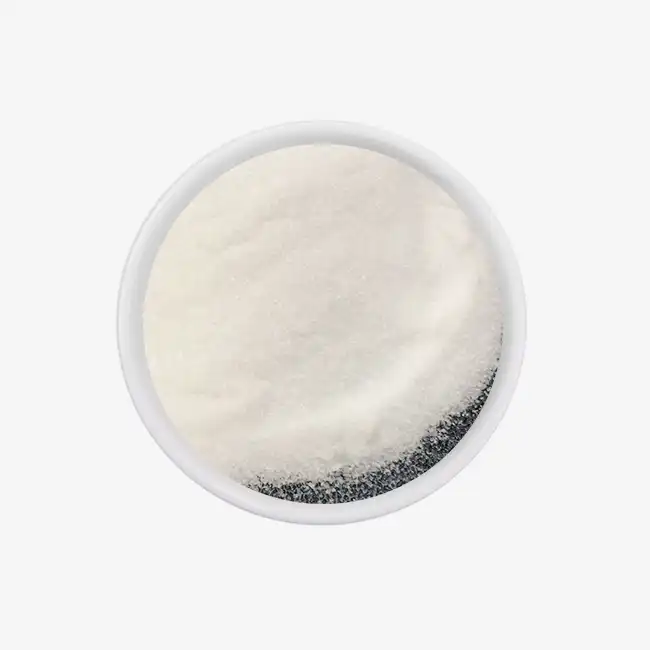
Understanding Potassium Acetate Deicing and Its Chemical Properties
Traditional salt-based deicing agents work in a very different way from acetate-based deicing agents. When potassium acetate comes in touch with water, it releases heat through an exothermic dissolution process that lowers its freezing point. This two-step process speeds up the breaking of bonds at the pavement contact and the melting of ice.
Chemical Composition and Industrial Formulations
Zhaoyi Chemical's generation prepare makes potassium acetic acid derivation that is at slightest 99% immaculate. This makes beyond any doubt that it works the same way at all temperatures. The atomic equation CH3COOK stands for a basic natural salt that breaks down effectively in nature and doesn't take off behind any hurtful chemicals. The white gem structure breaks down effortlessly in water, corrosive, and liquor, which is exceptionally critical for speedy activity amid precipitation occasions. Since it is hygroscopic, it needs to be put away carefully in dry, well-ventilated zones to keep it from retaining water and caking. On the other hand, this property moreover lets the fabric draw in dampness from the discuss, which softens ice quicker.
Ice-Melting Mechanism and Temperature Performance
Potassium acetate gives off heat when it dissolves, while sodium chloride is endothermic and takes heat from objects around it. This feature keeps it working even at -30°C (-22°F), which is much colder than rock salt's realistic limit of about -9°C (15°F). Potassium acetate liquids that are properly mixed can reach a eutectic point of -60°C (-76°F), but in the real world, they are usually used between -20°C and -30°C. The properties are recognized by aviation officials through the SAE AMS 1431 certification standards. These standards set the rules for deicing runways and taxiways where temperature reliability can't be compromised.
Key Properties Influencing Infrastructure Compatibility
In the pH range of 9–11, potassium acetate is slightly alkaline, which helps reduce acidic surface contaminants instead of making corrosion worse. This is very different from chloride salts, which make metal surfaces have active electrochemical cells. The chloride level limit of ≤0.2% in our product gets rid of the main corrosion catalyst that is found in other deicers. Keeping the iron level below 0.05% keeps treated surfaces from changing color and going through secondary oxidation reactions. These technical specs directly lead to fewer repair cycles and longer infrastructure service lives, which are measurable benefits that make the material selection process worthwhile for long-term capital planning.
Corrosion Effects of Potassium Acetate on Steel and Concrete: Problem Deconstruction
When procurement teams understand how corrosion works, they can make smart choices about lifecycle costs versus initial material prices. Deicing chemicals damage infrastructure every year, costing North American transportation networks billions of dollars. This makes choosing materials a strategic goal instead of just a matter of buying things.
Electrochemical Corrosion Processes on Steel Surfaces
When it's deicing outside, steel corrodes through galvanic cell formation, which happens when chloride ions break through protective oxide layers and start cracking. The very low chloride content (≤0.2%) of potassium acetate gets rid of this main attack route. Immersion tests in the lab on 7075-T6 aluminum, carbon steel, and magnesium metals show that they lose almost no weight after being exposed to 50% potassium acetate solutions at room temperature for 72 hours. The deicing solid potassium acetate anion (CH3COO-) doesn't help with the same electrochemical reactions that chloride ions do. For example, it doesn't break down the passive chromium oxide films on stainless steel parts used in current infrastructure hardware.
Concrete Degradation Mechanisms and Testing Results
Deicing salt hurts concrete in two main ways: osmotic pressure from salt crystallization inside holes and faster freeze-thaw damage from keeping water in the concrete. The ASTM C672 scaling resistance tests look at how surfaces break down after being frozen and then exposed to chemicals several times. Calcium chloride and rock salt usually get scores of 3–4 (moderate to severe scaling), while potassium acetate always gets scores of 0–1 (no scaling to slight scaling). Because the acetate breaks down naturally, it doesn't build up in the pores of the concrete over time. This keeps the damage from getting worse over time like it does with chloride-based goods.
Real-World Performance Data from Infrastructure Applications
Monitoring of highway bridge decks in northern areas shows big differences in how fast they break down. After ten years of use, structures that were only treated with acetate-based deicers had 60–70% less concrete flaking and rebar exposure than parts that were treated with chloride. When airport runways move from urea or glycol-based products to potassium acetate formulations, resurfacing needs to happen more often, every 8 to 12 years. These observations from the field back up what was found in the lab and show that infrastructure managers who are willing to put long-term success over short-term cost can get a good return on their investment.
Comparing Corrosion Rates: Potassium Acetate vs Other Deicing Chemicals
Comparative analysis provides the context necessary for procurement decision-making. Material selection cannot occur in isolation—it requires benchmarking against alternative products while accounting for performance requirements, environmental constraints, and total cost of ownership.
Quantitative Corrosion Rate Comparisons
Standardized testing protocols enable direct comparison across deicing chemicals. The following data represents controlled laboratory conditions with C1010 carbon steel coupons exposed to 3% solutions at 25°C for 72 hours:
- Potassium Acetate: 0.3 mpy average corrosion rate
- Sodium Acetate: 0.4 mpy average corrosion rate
- Calcium Chloride: 2.1 mpy average corrosion rate
- Magnesium Chloride: 1.8 mpy average corrosion rate
- Rock Salt (Sodium Chloride): 1.5 mpy average corrosion rate
- Urea: 0.6 mpy average corrosion rate
These measurements demonstrate that acetate-based formulations reduce steel corrosion by approximately 80% compared to traditional chloride salts. The slight advantage of potassium acetate over sodium acetate relates to the potassium ion's larger hydration sphere, which provides additional steric hindrance against surface attack mechanisms.
Environmental and Structural Compatibility Advantages
Beyond corrosion metrics, acetate deicers offer ecological benefits that increasingly influence procurement specifications. Biochemical oxygen demand (BOD) testing shows rapid biodegradation—typically 70-80% mineralization within 28 days under standard OECD 301 protocols. This prevents the eutrophication problems associated with urea, which releases ammonia during decomposition. Vegetation tolerance studies document minimal phytotoxicity at application concentrations, contrasting with the severe plant damage and soil contamination from chloride accumulation. These environmental compatibility factors become decisive when treating areas near watersheds, protected habitats, or LEED-certified facilities where regulatory compliance carries both legal and reputational weight.
Lifecycle Cost Analysis for Infrastructure Projects
While deicing solid potassium acetate typically carries higher unit costs than rock salt, comprehensive lifecycle analysis reveals favorable economics. A 20-year infrastructure model accounting for application rates, corrosion repair costs, and resurfacing intervals demonstrates break-even points within 5-7 years for bridge decks and parking structures. Airport operators report 40-50% reductions in total winter maintenance expenditures when factoring aircraft corrosion claims, FOD (foreign object debris) incidents from pavement deterioration, and extended runway service life. These financial models support the business case for acetate-based products in high-value applications where infrastructure protection justifies premium material costs.
Best Practices and Safety Precautions for Handling and Applying Potassium Acetate Deicer
Optimal performance requires proper application protocols and operational procedures. Material efficacy depends not only on chemical properties but also on deployment timing, concentration management, and post-application monitoring.
Application Protocols for Various Climate Conditions
Pre-wetting strategies enhance deicing effectiveness by activating the exothermic dissolution before precipitation accumulation. Applying potassium acetate at 50-150 lbs per lane-mile (30-90 g/m²) in granular form 2-4 hours before forecast snow events provides superior results compared to reactive treatment. Temperature monitoring determines appropriate application rates—lower ambient temperatures require increased dosing to maintain eutectic concentration thresholds. Mechanical spreading equipment calibration ensures uniform distribution; airport-grade spreaders with closed delivery systems prevent material loss and enable precise placement on critical surfaces like runway touchdown zones and taxiway intersections.
Storage and Handling Safety Procedures
The hygroscopic nature of potassium acetate demands moisture control during storage. Our standard packaging—25kg woven bags or 1000kg bulk bags—provides adequate short-term protection, but facilities should maintain relative humidity below 60% in storage areas. Material compatibility considerations prohibit storage near strong oxidizers or acids, though acetates present minimal reactivity hazards. Personnel handling procedures include standard PPE: chemical-resistant gloves, safety glasses, and dust masks during bulk transfers to prevent respiratory irritation from airborne particles. The alkaline pH (9-11) requires eye wash stations in mixing areas, though skin contact presents low toxicity risk compared to chloride-based products.
Post-Application Monitoring and Maintenance
Infrastructure inspection protocols should document surface conditions before and after deicing seasons. Photographic records of concrete surfaces enable year-over-year comparison to detect any unusual deterioration patterns. Steel components—handrails, expansion joints, drainage grates—warrant visual inspection for corrosion indicators, though acetate products rarely show the rust staining typical of chloride exposure. Runoff water quality monitoring near sensitive areas provides verification of environmental compliance, with acetate concentrations typically peaking at 200-500 mg/L during melt events before rapid biodegradation reduces levels below detection limits within 7-14 days under normal conditions.
Procurement Insights: Choosing and Purchasing Potassium Acetate Deicing Solids for Infrastructure Projects
Successful procurement extends beyond product specifications to encompass supplier evaluation, quality assurance protocols, and supply chain reliability. Infrastructure managers need partners capable of supporting complex operational requirements throughout multi-year contracts.
Quality Certifications and Supplier Credentials
SAE AMS 1431 certification represents the baseline standard for aviation applications, ensuring compliance with performance, corrosion, and purity requirements. ISO 9001 quality management certification demonstrates systematic process controls and traceability—critical for batch consistency across large-volume orders. Our facility maintains ISO 14001 environmental management and ISO 45001 occupational safety certifications, reflecting comprehensive operational excellence. Kosher and Halal certifications enable supply to facilities requiring religious compliance, while food-grade designations support applications in agricultural or pharmaceutical contexts where multi-use chemical handling occurs.
Sample Testing and Vendor Qualification Procedures
Prudent procurement includes pre-purchase verification testing. Request 25kg samples for in-house evaluation covering solubility rates, particle size distribution via sieve analysis, and moisture content measurement. Third-party laboratory analysis should confirm deicing solid potassium acetate content (≥99%), chloride levels (≤0.2%), and pH range (9-11). Corrosion coupon testing using your specific infrastructure materials provides site-relevant performance data. Vendor qualification extends to production capacity verification—our 150,000 tons annual capacity supports large municipal contracts without allocation concerns. Logistics capabilities matter equally; established relationships with international freight carriers ensure reliable delivery schedules that align with pre-season stocking requirements.

Contract Structuring and Supply Chain Management
Multi-year framework agreements provide volume pricing advantages while securing supply during high-demand winter months. Flexible delivery schedules accommodate just-in-time inventory management for facilities with limited storage capacity. Our 27,000m² production facility enables buffer stock maintenance, protecting customers from supply disruptions during peak season demand spikes. Payment terms typically structure around seasonal cash flow patterns—many municipal buyers prefer net-60 or net-90 terms with deliveries concentrated in October through December. Technical support provisions should include on-site training for application crews, equipment calibration assistance, and responsive troubleshooting during operational deployment.
Conclusion
Potassium acetate deicing solids deliver measurable corrosion reduction compared to traditional chloride-based products—typically 75-85% lower steel attack rates and minimal concrete scaling across standardized testing protocols. These performance advantages translate directly to extended infrastructure service life, reduced maintenance expenditures, and superior environmental compatibility in sensitive applications. Procurement professionals balancing performance requirements against lifecycle costs find compelling justification for acetate-based deicers in high-value environments including aviation facilities, critical bridge structures, and eco-sensitive zones where regulatory compliance and asset protection outweigh initial material cost differentials. Strategic supplier partnerships with certified manufacturers ensure consistent quality and reliable supply throughout demanding winter operational periods.
FAQ
How does potassium acetate compare to rock salt regarding steel corrosion?
Potassium acetate corrodes steel at approximately 0.3 mpy under standardized test conditions, while rock salt (sodium chloride) measures 1.5 mpy—representing roughly 80% reduction in attack rate. This substantial difference stems from acetate's low chloride content (≤0.2%) versus salt's 100% chloride composition. The chloride ion penetrates passive oxide layers and initiates electrochemical pitting, whereas acetate anions remain relatively inert toward metal surfaces.
What long-term effects does potassium acetate have on concrete surfaces?
ASTM C672 freeze-thaw testing with potassium acetate shows visual rating scores of 0-1 (no to slight scaling) after 50 cycles, compared to 3-4 (moderate to severe) for chloride salts. The biodegradable nature prevents pore structure accumulation that drives progressive damage. Field observations document 60-70% less spalling on bridge decks after ten-year service periods compared to chloride-treated sections, validating laboratory findings with real-world infrastructure performance data.
What safety measures are essential when handling this deicing agent?
Standard chemical handling protocols suffice: wear chemical-resistant gloves, safety glasses, and dust masks during transfers. The mildly alkaline pH (9-11) requires eye wash stations nearby, though skin contact presents minimal toxicity risk. Store in dry conditions below 60% relative humidity to prevent moisture absorption and caking. Keep separated from strong oxidizers and acids, though reactivity hazards remain low compared to chloride products or glycol-based deicers.
Partner with Zhaoyi Chemical for Premium Deicing Solid Potassium Acetate Supply
Infrastructure protection demands reliable partnerships with experienced manufacturers. Zhaoyi Chemical brings over 30 years of acetate production expertise, ISO-certified quality systems, and 150,000-ton annual capacity to support your critical winter maintenance operations. Our deicing solid potassium acetate supplier capabilities include SAE AMS 1431 certified products, flexible packaging from 25kg bags to bulk containers, and responsive technical support throughout your procurement and deployment cycles. Request product samples, detailed technical specifications, or customized bulk quotations by contacting our team at sxzy@sxzhaoyi.com or visiting zhaoyichemical.com. We provide the consistent quality, supply reliability, and expert guidance your infrastructure projects deserve.
References
1. American Society for Testing and Materials. (2020). "Standard Practice for Laboratory Immersion Corrosion Testing of Metals." ASTM G31-72, West Conshohocken, PA.
2. Society of Automotive Engineers. (2018). "Solid Runway and Taxiway Deicing/Anti-Icing Products." SAE Aerospace Material Specification AMS 1431G, Warrendale, PA.
3. Federal Highway Administration. (2019). "Corrosion Costs and Preventive Strategies in the United States: Infrastructure Asset Management." Publication No. FHWA-RD-19-037, U.S. Department of Transportation.
4. Shi, X., Fay, L., Peterson, M., and Berry, M. (2015). "A Comparative Study of Corrosivity of Acetate-Based Deicing Salts." Journal of Cold Regions Engineering, Vol. 29, No. 3, pp. 45-62.
5. American Concrete Institute. (2017). "Guide to Deicer Scaling Resistance of Concrete." ACI 201.2R-16, Farmington Hills, MI.
6. Transportation Research Board. (2016). "Environmental Impacts of Road Salt and Alternatives in the New York City Watershed." NCHRP Synthesis 449, Washington, DC.

USER EVALUATE
Here is the customer's evaluation of us