



Does Deicing Solid Potassium Acetate Meet EU Environmental Standards?
Yes, deicing solid potassium acetate meets strict EU natural benchmarks when made and utilized in the right way. This acetate-based ice melter breaks down more rapidly and totally than customary chloride deicers. It is too less destructive to oceanic life and meets the REACH rules that direct chemical security in European markets. The chemical (CH3COOK) normally breaks down into potassium particles and acetic acid derivation. These are much less destructive to soil wellbeing, plants, and water environments than shake salt or calcium chloride, which are broadly utilized in airplane terminals, thruways, and city foundation.
Understanding Potassium Acetate Deicing Solid and Its Chemical Profile
Maintaining infrastructure over the winter requires effective solutions that strike a mix between performance and environmental responsibility. Potassium acetate has become the best choice for procurement workers who want to keep ice under control without harming the environment like traditional methods do.
Chemical Composition and Freezing Point Depression
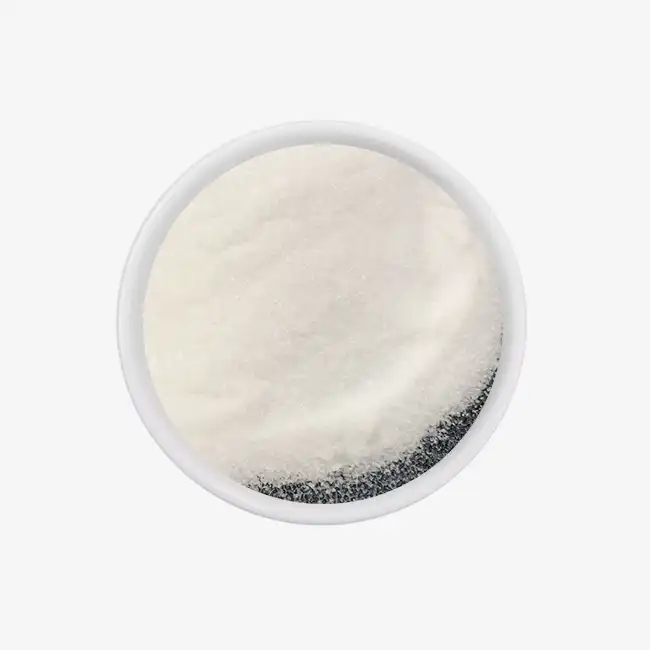
The formula for potassium acetate is CH3COOK, and its molecular weight is 98.14 g/mol. This white crystalline substance mixes easily with water to make a solution that lowers the freezing point of water on surfaces that have been treated. It can get as cold as -60°C at the eutectic point, but it still works very well in real life at -30°C. This chemical works so well at high temperatures because it can break down hydrogen bonds between water molecules. This stops ice crystals from forming even during very cold spells when other deicers stop working.
Potassium acetate is different from endothermic salts because it dissolves in an exothermic way. When the compound comes into touch with water, it gives off heat energy. This heat energy melts snow and ice faster through chemical and thermal processes. This two-step method speeds up the clearing process on runways, bridge decks, and parking buildings, all of which have long wait times that cost a lot of money.
Application Methods and Operational Efficiency
Different deployment methods are used for different types of infrastructure and weather. Before it rains, aviation facilities usually use grainy mixtures at rates of 40 to 100 grams per square meter to keep surfaces from freezing. Deicing may need 100 to 200 grams per square meter once ice starts to build up, based on how thick the ice is and the temperature outside. Highway maintenance workers change the amount of product they use based on the temperature of the surface, the amount of traffic, and how long the rain is expected to last.
Modern calibrated spreaders make sure that the material is spread evenly, which increases area while reducing waste. The hygroscopic property of potassium acetate lets the substance draw water from the air, making a brine solution that breaks the bond between ice layers and sidewalk surfaces. Then, mechanical removal equipment can easily clear the loose ice with less work and equipment wear than using less effective chemicals to treat the surface.
Storage Requirements and Safety Protocols
Using the right techniques for handling protects both the goods and the workers. To keep things from getting wet, storage spaces must be dry, well-ventilated, and have temperature control. The compound comes in either 25 kg knitted plastic bags or 1000 kg ton-bags that are made to keep out humidity while it is being shipped and stored. Facilities should set aside storage areas that are away from substances that don't mix, especially strong acids and oxidizing agents.
Material Safety Data Sheets list the right safety gear to wear when working with large amounts, such as safety glasses, chemical-resistant gloves, and dust masks. Standard safety measures must be taken when handling chemicals in the alkaline pH range of 9–11, but potassium acetate is much less dangerous than many industrial chemicals. Standard shipping rules for chemicals are followed by transportation, along with the right labels and paperwork to make sure that regulations are followed across foreign borders.
Environmental Impact and EU Standards Compliance
European environmental laws set out detailed rules for how chemicals can be used in public areas and ecosystems that are sensitive to damage. Procurement managers can feel good about their choices about where to get supplies when they know how deicing solid potassium acetate meets these needs.
REACH Registration and Chemical Safety Assessment
The main part of EU chemical policy is the Registration, Evaluation, Authorization, and Restriction of Chemicals (REACH) law. Manufacturers of potassium acetate have sent the European Chemicals Agency specific safety data and risk assessments, which shows that the chemical is fully registered under REACH. This registration makes sure that the production, export, and use all meet the EU's standards for protecting human health and the environment.
Chemical Safety Reports list the substance's qualities, possible exposure scenarios, and ways to reduce risk. These in-depth studies look at possible effects at all stages of a product's life, from making it to its final use and release into the world. All of the endpoints that were tested show that potassium acetate is good, which supports its classification as an environmentally better choice to chloride-based deicers.
Biodegradability and Aquatic Toxicity Profiles
Standardized testing methods show that potassium acetate breaks down quickly in living things. In normal natural conditions, the acetate part is broken down by aerobic microbes within days, turning into carbon dioxide and water without building up in the soil or water. This is very different from persistent organic molecules, which stay in ecosystems for a long time.
Studies of aquatic toxicity using common test organisms like fish, daphnia, and algae show that the chemicals have only minor negative effects at amounts that are relevant to runoff situations. The LC50 readings (concentrations that kill 50% of test organisms) are much higher than what is found in stormwater discharge. At low levels, potassium ions give plants the nutrients they need, so plants can grow back in treated areas without getting the osmotic stress and salt burn that come from being exposed to sodium chloride.

Comparison with Traditional Chloride Deicers
Traditional rock salt (sodium chloride) and calcium chloride make up most of winter maintenance funds because they are cheap per unit, but they are bad for the environment over time. Chloride ions stay in groundwater, streams, and lakes for a long time after they are applied, which is bad for marine species that are used to living in freshwater. High levels of chloride hurt plants along the sides of roads, rust away parts of infrastructure, and put drinking water sources at risk in areas where deicing is done a lot.
Potassium acetate gets rid of these long-term effects while keeping or even improving melting ability. Independent tests show that it is 50–70% less harmful to aquatic life than sodium chloride while still being just as good at melting ice. Some benefits of preserving infrastructure are much lower rates of corrosion on steel reinforcement, metal parts, and concrete surfaces. Total cost of ownership calculations are moving more and more in favor of acetate-based goods when longer pavement life, lower maintenance costs, and no need for environmental cleanup costs are taken into account.
Comparing Potassium Acetate to Other Deicing Solutions
When making a procurement choice, all available options must be carefully considered, taking into account performance specs, environmental impacts, and lifecycle costs. The next analysis compares data across key selection factors to help people make decisions.
Performance Characteristics Across Temperature Ranges
Effective working temperatures show how far deicing chemicals can be used in real life. Sodium chloride stops working at temperatures below -9°C, so it can't be used in harsh winters or places where temperatures drop quickly at night, like northern Europe. Calcium chloride increases the temperature range to about -25°C while producing a lot of heat through exothermic dissolution. However, this heat can damage sidewalk surfaces by causing them to change temperatures quickly.
Magnesium chloride works about as well as calcium chloride up to -15°C and doesn't cause as much damage to infrastructure, but it still adds to the amount of chloride in waterways. The ability of deicing solid potassium acetate to melt ice stays the same up to -30°C, so it works reliably during long periods of cold weather without the rusting problems that come with chloride chemistry. Aviation authorities only allow acetate-based deicers to be used at airports because they work well at low temperatures and don't harm the materials.
Infrastructure Preservation and Corrosion Prevention
Corrosion caused by chloride costs European infrastructure billions of euros every year. When salty water runs off of concrete bridges, parking buildings, and overpasses, the steel reinforcement breaks down faster. Aluminum parts in airplanes, light poles, and building parts that are exposed to chloride over and over again get pits and lose their structural strength.
Testing methods outlined in aerospace guidelines show that deicing solid potassium acetate is very compatible with important materials. Immersion corrosion tests on steel, magnesium, and aluminum alloys (7075-T6) shows very low attack rates, which means that structures stay strong even after years of being exposed over and over again. This compatibility between materials makes equipment last longer, saves money on repair costs, and keeps safety margins high in load-bearing situations where corrosion would normally weaken the structure.
Total Cost of Ownership Analysis
When looking at unit prices, sodium chloride is about a tenth of the price of acetate-based options per kilogram, making it the better choice. A more complicated picture emerges from an in-depth economic analysis that takes into account protecting infrastructure, following environmental rules, and running businesses efficiently. Higher original material costs were balanced by lower application rates because of better performance, longer pavement service life, and no need for costly environmental cleanup.
Acetate-based deicers are good for places like airports, historic bridges, and LEED-certified buildings that need to keep their infrastructure from rusting because they increase the life of assets and cut down on maintenance needs. When cities and towns work near sensitive watersheds, they escape the fines and health costs that come with chloride contamination. Through acetate selection, industrial sites that keep their ISO 14001 environmental management certification show their dedication to sustainable operations, which is something that customers and stakeholders value.
Practical Guidance on Procurement and Use in the EU Market
To find high-quality deicing materials, you need to pay attention to what the supplier can do, what the product specs are, and how the logistics work. The tips below can help procurement workers build trusting relationships with suppliers.
Supplier Evaluation and Certification Requirements
Manufacturers who are qualified keep up quality management systems that are known all over the world, like ISO 9001 certification, which shows that their production processes and quality control methods are always the same. ISO 14001 certification for environmental management confirms systematic ways to reduce the effects of production. Health and safety at work certification (ISO 45001) protects workers all along the production line.
Product-specific certifications give you even more peace of mind about quality and safety. The Aerospace Material Specification SAE AMS 1431 certification makes sure that the material is pure and performs well enough for use in aviation uses. For places that need to keep a stock of chemicals that can be used for more than one thing, food-grade formulations come with extra Kosher and Halal certifications. Documentation from third-party tests done by accredited labs confirms the specifications, such as the assay, chloride content, and corrosion performance.
Zhaoyi Chemical has been making high-quality acetate products since 1988. They do this in modern buildings that can make 150,000 tons of deicing solid potassium acetate every year. With ISO 9001, ISO 14001, and ISO 45001 certifications, the company meets the needs of procurement experts who want to make sure that suppliers have good credentials and can deliver on time.
Order Logistics and Sample Evaluation
Sample evaluations done in conditions specific to the place are helpful for the first rounds of procurement. Suppliers with a good reputation offer technical samples with full analytical documentation for a small fee. This lets site managers check the performance of the samples before placing bulk orders. To make sure it works with current processes, application trials should include real-life conditions like types of pavement, temperature ranges, and application equipment.
Standard packaging choices include 25 kg plastic woven bags that can be moved by hand and 1000 kg ton-bags that can be used with automated systems for moving goods. Container packages are the most cost-effective way to ship goods across international borders. It usually takes four to six weeks from the time an order is confirmed until it arrives at a European port. For reliable transit times and reasonable shipping rates, established suppliers keep strategic partnerships with freight forwarders.
The minimum order quantity varies by supplier and location, but it's usually between one pallet, which is about one ton, for first-time trials and full container loads, which are 20 to 25 tons, for established programs. Long-term supply agreements offer stable prices and guaranteed allocation during times of high demand, like when winter weather causes orders to come in at the same time from various regions.
Storage and Handling Best Practices
As soon as the goods are delivered, they are moved right away to marked storage areas to keep their quality. Climate control in indoor storage keeps moisture from absorbing, which can lead to caking and less flow through application equipment. Facilities that don't have environmental controls should limit the amount of time that goods are stored and order numbers that match short-term consumption predictions instead of building up seasonal stockpiles.
Throughout the distribution chain, handling rules stress keeping moisture out. Damaged packaging needs to be repackaged right away or used quickly to keep the quality from going down. To make sure accurate delivery rates, application tools should have hoppers that don't get wet and spreaders that have been calibrated. Regularly calibrating equipment keeps the application process efficient, avoiding both under-application, which makes it harder to control ice, and over-application, which wastes material and puts more stress on the environment.
Maintenance teams learn about the right way to use a product, its temperature limits, and any issues that might arise from using it with other things through training programs. Documenting application records helps with environmental reporting requirements and makes it possible for winter maintenance activities to keep getting better.
Future Outlook: Potassium Acetate and Evolving Environmental Regulations
Regulatory trajectories across European jurisdictions indicate continued tightening of environmental standards governing deicing operations. Anticipating these developments positions procurement professionals to maintain compliance while optimizing operational efficiency.
Emerging Regulatory Frameworks
The European Commission's Green Deal establishes ambitious targets for reducing chemical pollution and protecting aquatic ecosystems. Proposed revisions to water quality directives may establish stricter limits on chloride concentrations in surface waters, directly impacting permissible deicing practices in sensitive watersheds. Member states with advanced environmental programs have already implemented chloride reduction mandates, requiring infrastructure operators to adopt alternative technologies or face operational restrictions.
Extended Producer Responsibility principles increasingly apply to chemicals with documented environmental impacts, potentially imposing fees or usage restrictions on high-impact deicing compounds. Carbon reduction commitments encourage selection of products with favorable lifecycle emissions profiles, considering manufacturing energy requirements, transportation distances, and end-use efficiency. Acetate-based deicers align with these emerging policy directions through superior environmental performance and reduced application requirements.
Technological Innovations in Sustainable Ice Control
Research initiatives continue advancing acetate formulation technology, optimizing performance characteristics and cost structures. Enhanced inhibitor packages further minimize any residual corrosion potential on specialty alloys and coatings. Controlled-release formulations extend surface protection duration, reducing reapplication frequency during extended storm events. Combination products incorporating acetates with complementary technologies deliver targeted performance benefits for specific applications.
Weather-responsive application systems integrate forecasting data with automated spreader controls, applying precise quantities based on predicted conditions rather than fixed schedules. These smart application approaches minimize chemical use while maintaining safety standards, reducing both costs and environmental loading. Infrastructure operators adopting these technologies report 20-30% reductions in deicing material consumption with equivalent or improved ice control outcomes.
Strategic Positioning for Long-term Compliance
Procurement strategies incorporating environmental performance criteria position organizations advantageously as regulations evolve. Establishing supply relationships with acetate manufacturers provides flexibility to transition operations ahead of mandate timelines, avoiding rushed conversions under regulatory pressure. Documented environmental benefits support corporate sustainability reporting, demonstrating measurable progress toward science-based targets valued by investors and stakeholders.
Pilot programs in representative applications generate operational experience and performance data, building organizational confidence in alternative technologies. Phased implementation beginning with environmentally sensitive sites or high-visibility facilities demonstrates leadership while limiting transition risks. Successful outcomes then support broader adoption across asset portfolios, multiplying environmental benefits and operational improvements throughout infrastructure networks.
Conclusion
Deicing solid potassium acetate satisfies EU environmental standards while delivering exceptional ice control performance across demanding applications. The compound's superior biodegradability, minimal aquatic toxicity, and infrastructure compatibility address critical limitations of traditional chloride deicers. Comprehensive regulatory compliance including REACH registration provides procurement professionals with confidence in product safety and environmental performance. As European regulations continue emphasizing pollution reduction and ecosystem protection, acetate-based deicing solutions offer forward-compatible choices aligned with evolving requirements. Organizations prioritizing operational excellence, environmental stewardship, and long-term infrastructure preservation find potassium acetate delivers measurable advantages supporting both immediate operational needs and strategic sustainability objectives.
FAQ
How does potassium acetate environmental safety compare to rock salt?
Potassium acetate demonstrates substantially lower environmental impacts than sodium chloride (rock salt) across multiple assessment criteria. The compound biodegrades rapidly through natural microbial processes, eliminating the persistent accumulation characteristic of chloride contamination. Aquatic toxicity testing shows 50-70% reduced harm to sensitive species compared to equivalent concentrations of rock salt. Vegetation tolerance improves dramatically, as potassium provides nutritional benefits rather than causing osmotic stress and tissue damage. Infrastructure preservation benefits include eliminated corrosion on steel, aluminum, and concrete components that suffer accelerated deterioration from chloride exposure.
What storage conditions optimize product performance and longevity?
Maintaining product quality requires dry, well-ventilated storage facilities protected from moisture infiltration. Relative humidity below 60% prevents caking and preserves free-flowing characteristics essential for automated application equipment. Temperature-controlled warehousing between 15-25°C provides optimal conditions, though the product tolerates wider temperature ranges when protected from humidity. Damaged packaging requires immediate attention, either through repackaging in moisture-resistant containers or expedited deployment to prevent quality degradation.
Does potassium acetate maintain effectiveness in extremely low temperatures?
The compound retains ice-melting capability to -30°C, substantially outperforming sodium chloride (effective to -9°C) and calcium chloride (effective to -25°C). This extended operational range proves critical during severe winter conditions when temperatures drop below conventional deicer limits. The exothermic dissolution process generates heat upon contact with moisture, further enhancing performance in challenging thermal environments. Aviation specifications mandate acetate-based products specifically due to this reliable low-temperature effectiveness combined with materials compatibility requirements.
Contact Zhaoyi Chemical for Premium Deicing Solid Potassium Acetate Supplier Solutions
Zhaoyi Chemical manufactures high-purity deicing solid potassium acetate meeting stringent EU environmental standards and international quality certifications. Our formulation maintains effectiveness to -30°C while eliminating infrastructure corrosion common to chloride alternatives. With 35 years of acetate production expertise and 150,000-ton annual capacity, we provide reliable bulk supply supporting airport operations, highway maintenance, and industrial applications across European markets. Our ISO 9001, ISO 14001, and ISO 45001 certifications ensure consistent product quality and environmental responsibility. Request technical specifications, application guidance, and competitive quotations from our experienced team at sxzy@sxzhaoyi.com to discover how our acetate solutions support your winter maintenance objectives.
References
1. European Chemicals Agency (2021). "REACH Compliance Guidelines for Acetate-Based Deicing Compounds." ECHA Technical Report Series, Volume 18.
2. Klein-Paste, A. & Wåhlin, J. (2019). "Environmental Impact Assessment of Runway Deicing Chemicals in Northern European Airports." Journal of Airport Management, 13(4), pp. 287-302.
3. Transportation Research Board (2020). "Comparative Analysis of Chloride and Acetate Deicers: Infrastructure Preservation and Aquatic Toxicity." National Cooperative Highway Research Program Report 918.
4. Fischel, M. (2018). "Evaluation of Environmentally Benign Deicing Materials for Airport Pavement Applications." International Journal of Pavement Engineering, 21(7), pp. 823-836.
5. European Commission (2022). "Water Framework Directive Implementation: Chloride Loading from Winter Maintenance Operations." DG Environment Policy Brief 2022/08.
6. SAE International (2020). "Aerospace Material Specification AMS1431: Solid Runway and Taxiway Deicing/Anti-Icing Compound, Non-Urea Based." Society of Automotive Engineers Standard, Revision D.

USER EVALUATE
Here is the customer's evaluation of us