



Best Storage Practices for Snow Melting Solid Potassium Acetate in Winter
Depending on how well you store your snow melting solid potassium acetate, your winter deicing endeavors will either work or not. This white crystalline substance (CH₀COOK, CAS 127-08-2) is as it were steady and valuable when it is kept absent from water, changes in temperature, and other contaminants. Acetate-based deicing specialists are utilized by city governments, air terminal administrators, and foundation repair temporary workers to keep runways, bridges, and streets secure amid the winter. Knowing how to store things appropriately keeps them from breaking down, keeps their chemical soundness over 98%, and makes beyond any doubt they work rapidly when temperatures drop underneath -30°C. Putting cash into great capacity offices straightforwardly leads to operational preparation, taken a toll investment funds, and security of foundation amid the active winter months.
Understanding Potassium Acetate and Its Physical Properties
Molecular Structure and Thermal Characteristics
Potassium acetate works well as a deicing agent because the way its molecules are structured stops ice crystals from forming at the microscopic level. The molecule is made up of acetate anions bonded to potassium cations. This makes a salt that dissolves easily in water and gives off heat through exothermic reactions. This process of breakdown creates temperatures high enough to break the hydrogen bonds in ice matrixes. This can turn solid ice into liquid brine even when the temperature outside reaches -35°C. The compound's molecular weight of 98.14 g/mol lets it reach the best molar concentrations in liquids, which lowers the freezing point the most per unit weight.
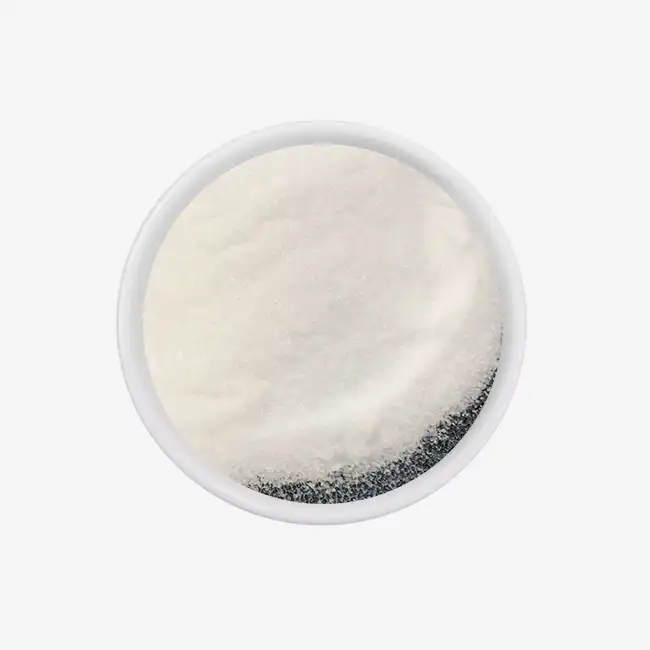
The white glittering look means it is very pure, which is directly related to how well it deices. Material with a purity level below 98% has impurities in it that make it less able to melt and add compounds that aren't wanted to surfaces that have been handled. Premium-grade goods keep the same chemicals in all of their batches, so you can be sure they'll work as expected when quickly melting ice is needed for business reasons.
Performance Comparison with Alternative Deicers
Compared to sodium acetate or chloride-based alternatives, potassium acetate works better at low temperatures and has a lower possibility for corrosion. Sodium acetate needs to be used at higher rates to penetrate ice at the same rate, while magnesium and calcium chlorides break down reinforced concrete and steel that is exposed in a big way. The acetate formula breaks down naturally and doesn't add salt to the soil or make toxic runoff that hurts aquatic environments. This environmental profile is very important to airport operators because water from de-iced runways flows straight into watersheds nearby. Managers of infrastructure that take care of historic bridges and parking structures depend on materials that don't corrode to make buildings last longer and keep people safe during winter weather.
Challenges in Storing Snow Melting Solid Potassium Acetate
Moisture Absorption and Caking Issues
The compound's hygroscopic nature is the main problem with storing. Potassium acetate crystals actively take in water vapor from the air around them. This makes the particles stick together and form into clumps. This caking makes the material useless in motorized spreaders and makes it harder to use by hand. If the relative humidity goes above 60%, a product that isn't covered can soak up enough water in one week to gain 15-20% in mass. The water that is taken lowers the effective concentration, which means that less ice can be melted per pound that is applied. To stop this degradation, warehouse managers must use humidity controls and moisture barriers. They must know that once the material starts to clump together, it can't go back to its original state of being free-flowing.
Anti-caking ingredients added during production don't offer much protection in long-term high-humidity circumstances. Even goods made with flow agents need to be stored in places with the right environmental controls. When accepting deliveries, procurement teams should state that the moisture content is less than 1%. This sets a baseline quality that all storage practices must maintain.
Temperature Fluctuations and Chemical Stability
Snow melting solid potassium acetate doesn't lose its usefulness when it gets cold, but repeated freeze-thaw cycles in warehouses that aren't well insulated cause condensation, which speeds up the absorption of moisture. Temperature differences caused by heating and cooling during the day and night in storage areas cause water vapor to condense on packaging surfaces and uncovered products. Temperatures inside metal warehouses that don't have climate control can change by 15 to 20°C in a 24-hour time, making these conditions especially bad. The condensed moisture gets into the seams of the packing and the pallet wrap, which starts the process of caking that we talked about earlier.
Extreme heat above 40°C doesn't do much to chemical stability, but it does speed up the breakdown of packing. Plastic weaving bags and ton-bags that are exposed to high temperatures for a long time become brittle, which makes them more likely to tear when they are handled. Material Safety Data Sheets say that the best storage temperatures are between 5 and 35°C to keep both the integrity of the product and the durability of the package.
Contamination Risks and Safety Compliance
Cross-contamination is another big problem with storage, especially in buildings that are used for more than one thing and have a lot of different kinds of chemicals in them. Keep potassium acetate away from strong oxidizers, acids, and harmful materials because they don't work well with it. Physical separation keeps products from mixing by mistake while they are being handled, and it also protects the purity of the products that are needed for food-grade or pharmaceutical uses. Controlling contamination is important for even industrial-grade deicing products, since foreign substances can change how quickly they dissolve and leave behind residues that aren't needed on treated surfaces.
To follow safety rules, things need to be properly labeled, Material Safety Data Sheets must be easy to find, and workers must be taught and know how to handle things safely. Even though potassium acetate is not as dangerous as some industrial chemicals, warehouse workers should know how to handle spills and what safety gear they need to wear. Facilities that store amounts higher than what is allowed by law must follow local rules for reporting and disaster planning.
Best Storage Practices for Snow Melting Solid Potassium Acetate
Implementing comprehensive storage protocols protects your investment while ensuring reliable material performance when winter conditions demand immediate response. The strategies outlined below address environmental controls, packaging integrity, and inventory management principles that collectively preserve product quality from seasonal procurement through final deployment.
Environmental Controls and Facility Requirements
Maintaining relative humidity below 50% within storage areas represents the single most important protective measure. Facilities equipped with dehumidification systems or climate control infrastructure provide optimal conditions, though even basic improvements yield significant benefits. Warehouse managers without access to mechanical dehumidification should maximize natural ventilation during low-humidity periods, strategically opening doors and vents to promote air circulation. Avoid ground-level storage in areas prone to flooding or groundwater infiltration, as moisture wicking through concrete floors compromises palletized materials.
Adequate ventilation serves dual purposes—reducing ambient humidity while dispersing any dust generated during handling operations. Storage zones should incorporate clear pathways for material inspection, allowing staff to identify early signs of packaging damage or moisture intrusion. Lighting sufficient for visual quality checks enables rapid detection of caking or discoloration that signals degradation. Temperature monitoring systems with automated alerts notify management when conditions drift outside acceptable ranges, enabling corrective action before product quality suffers.
Packaging Integrity and Moisture Barriers
Standard packaging configurations include 25kg plastic woven bags designed for manual handling and 1000kg ton-bags suited to forklift operations and bulk storage. Both formats incorporate moisture-resistant liners when specified for high-humidity environments, though no packaging provides indefinite protection against sustained exposure. Inspect incoming shipments for tears, punctures, or compromised seals, rejecting damaged units before they enter inventory. Stack palletized materials on elevated platforms or pallets rather than directly on concrete floors, maintaining at least 10cm clearance to prevent moisture transfer.
Pallet wrap or shrink film adds an additional moisture barrier for extended storage periods, though proper application remains critical. Ensure wrap extends from pallet base to load top without gaps, paying particular attention to corners and edges where exposure occurs most readily. Replace damaged wrap promptly, recognizing that even small tears compromise overall protection. When facilities lack climate control, consider storing high-priority inventory in sealed containers or dedicated enclosures that create localized low-humidity zones.

Inventory Management and FIFO Principles
Systematic rotation prevents material from aging beyond recommended storage durations. Implement first-in-first-out inventory practices that prioritize oldest stock for immediate deployment, clearly dating incoming shipments and organizing storage zones to facilitate rotation. Most manufacturers recommend using material within 12-18 months of production, though properly stored product often maintains quality for extended periods. Visual inspection and periodic testing verify that aged inventory retains free-flowing characteristics and meets purity specifications.
Segregate different product grades—industrial, food-grade, or custom formulations—to prevent mixing and simplify quality documentation. Maintain clear labeling that identifies product specifications, batch numbers, and receipt dates, enabling rapid response to quality inquiries or regulatory audits. Document storage conditions including temperature and humidity readings, creating records that demonstrate compliance with handling protocols and support warranty claims if quality issues arise.
Regular quality inspections catch deterioration early, allowing intervention before entire batches become compromised. Sample material from multiple locations within storage zones, testing for moisture content, purity, and physical characteristics. These proactive checks identify environmental control failures or packaging degradation, prompting corrective measures that preserve remaining inventory.
Procurement Considerations for Snow Melting Solid Potassium Acetate
Supplier Qualifications and Certification Requirements
Selecting qualified suppliers establishes the foundation for successful winter operations. Procurement specialists should verify ISO 9001 Quality Management certification, which demonstrates systematic quality controls throughout manufacturing processes. ISO 14001 Environmental Management and ISO 45001 Occupational Health and Safety certifications indicate responsible operations that minimize environmental impact and prioritize worker safety. These international standards ensure consistent product quality and reliable documentation that supports your own compliance requirements.
KOSHER and HALAL certifications become relevant when procuring material for food processing facilities or pharmaceutical applications where religious dietary requirements apply. Even industrial-grade products benefit from manufacturers maintaining these certifications, as the rigorous oversight required for food-grade production translates to superior quality controls across all product lines. Request certificates of analysis with each shipment, confirming that delivered material meets specified purity levels, moisture content, and contaminant thresholds.
Shanxi Zhaoyi Chemical brings over three decades of snow melting solid potassium acetate salt manufacturing expertise to the North American market, operating ISO-certified facilities with 150,000-ton annual production capacity. Our technical teams provide rapid consultation responses within two hours, supporting clients with application guidance, specification customization, and comprehensive documentation in required languages. We maintain safety stock enabling quick fulfillment of urgent orders while accommodating seasonal demand peaks through advance production planning.
Pricing Factors and Logistics Optimization
Multiple variables influence delivered costs beyond base material pricing. Order quantities affect per-unit rates, with bulk purchases typically offering better value while requiring larger storage capacity and capital commitment. Seasonal timing impacts both price and availability, as demand peaks during late autumn when municipalities and contractors build winter stockpiles. Procurement teams planning ahead secure preferential pricing and guaranteed delivery slots, avoiding supply constraints and premium rates during peak periods.
Transportation costs vary significantly based on delivery terms, shipping distances, and carrier availability. FOB, CIF, and DAP terms allocate transportation responsibilities differently, affecting total landed costs and inventory risk management. Established supplier relationships with international shipping partners provide competitive freight rates and priority booking, ensuring timely delivery even during congested shipping periods. Container consolidation and intermodal transport options optimize logistics costs for high-volume buyers managing multiple delivery locations.
Lead times between order placement and delivery typically span 5-7 working days for standard products, though custom formulations or specialized packaging may extend timelines. Communicate storage capacity constraints and delivery scheduling preferences early, enabling suppliers to coordinate shipments that align with your receiving capabilities. Building strategic supplier partnerships facilitates flexible ordering, technical support access, and collaborative problem-solving when unexpected challenges arise.
Case Studies and Application Tips for Optimal Results
Municipal Airport Success Through Controlled Storage
A regional airport authority managing three facilities across varying climate zones implemented comprehensive storage protocols that eliminated previous material waste issues. Their maintenance contractor had experienced significant caking problems with acetate deicers stored in unheated metal buildings, resulting in 20-25% product loss annually. After installing basic dehumidification equipment and implementing pallet rotation procedures, the authority reduced waste to below 3% while improving spreader performance during deicing operations.
The facility invested in hygrometers monitoring humidity levels across storage zones, establishing alert thresholds that triggered corrective ventilation measures. Staff training emphasized proper pallet wrapping techniques and visual inspection protocols, empowering warehouse teams to identify potential issues before deterioration occurred. These relatively modest improvements generated substantial cost savings that recovered implementation expenses within the initial winter season.
Packaging Innovation for Extended Storage
A highway maintenance contractor serving remote mountain regions required extended storage capabilities due to challenging winter access conditions. Working with their acetate supplier, the contractor specified enhanced moisture-barrier packaging incorporating multi-layer laminated bags with heat-sealed closures. This custom packaging maintained product integrity through 18-month storage periods in non-climate-controlled facilities, enabling the contractor to stockpile material during favorable purchasing periods without quality concerns.
The collaboration included technical consultation on optimal storage stacking configurations and pallet wrap specifications suited to the contractor's specific humidity patterns. Supplier expertise in material properties and packaging engineering solved challenges that the contractor lacked internal resources to address independently. This partnership approach demonstrates how leveraging manufacturer knowledge streamlines operations and extends material usability under demanding conditions.
Integrating Storage Best Practices Across Supply Chains
Successful acetate programs require coordination between procurement, warehousing, and field application teams. Municipal water treatment plants using snow melting solid potassium acetates as carbon sources for biological denitrification discovered that storage protocols developed for deicing applications translated effectively to their wastewater operations. Sharing best practices across departments improved material handling throughout their supply chain, reducing overall acetate procurement costs through decreased waste and improved inventory turnover.
Cross-functional teams conducted joint facility assessments, identifying opportunities for consolidated storage that maximized climate-controlled space utilization. This integrated approach optimized capital investments in storage infrastructure while standardizing handling procedures across diverse operational contexts. Organizations managing multiple acetate applications—deicing, water treatment, industrial processes—benefit significantly from unified storage strategies that apply consistent quality protection principles.
Conclusion
Effective storage practices determine whether potassium acetate deicers deliver expected performance when winter conditions demand immediate action. The hygroscopic nature of these acetate compounds requires vigilant humidity control, robust packaging protection, and systematic inventory management that prevents moisture absorption and caking. Procurement specialists who understand these material characteristics make informed supplier selections, specify appropriate packaging, and implement warehouse protocols that preserve product integrity throughout seasonal storage periods. The investment in proper storage infrastructure and trained personnel generates returns through reduced material waste, reliable operational readiness, and extended infrastructure lifespan protected by non-corrosive deicing solutions. Organizations adopting comprehensive storage strategies position themselves for successful winter maintenance operations that balance safety requirements with environmental responsibility and fiscal efficiency.
FAQ
What temperature range is optimal for storing potassium acetate deicers?
Storage temperatures between 5-35°C provide optimal conditions for maintaining both product stability and packaging integrity. While the chemical compound tolerates broader temperature ranges without degradation, this moderate range prevents packaging deterioration and minimizes condensation risks that accelerate moisture absorption.
How does potassium acetate storage differ from sodium acetate requirements?
Both compounds exhibit hygroscopic behavior requiring similar humidity controls, though potassium acetate demonstrates slightly higher moisture sensitivity. Potassium acetate also commands premium pricing, making waste prevention through proper storage more economically significant. The storage protocols outlined above apply effectively to both acetate types.
Where can I obtain Material Safety Data Sheets and compliance documentation?
Reputable manufacturers provide comprehensive MSDS documentation with product deliveries and maintain updated versions accessible through their technical support teams. These documents detail handling requirements, emergency response procedures, and regulatory compliance information essential for safe warehouse operations and transportation planning.
Partner with Zhaoyi Chemical for Reliable Snow Melting Solid Potassium Acetate Supply
Zhaoyi Chemical stands ready to support your winter deicing operations with premium snow melting solid potassium acetate backed by rigorous quality assurance and comprehensive technical support. Our ISO-certified manufacturing facility produces material consistently exceeding 99% purity, formulated specifically for demanding infrastructure protection applications where performance and reliability cannot be compromised. We offer flexible packaging configurations including standard 25kg bags and efficient 1000kg ton-bags, customizable to your specific handling and storage requirements.
Beyond supplying quality deicing products, we provide complete documentation including detailed specifications, certificates of analysis, and safety data sheets that streamline your compliance processes. Our technical consultation services help optimize storage protocols for your specific facility conditions, drawing on three decades of chemical manufacturing expertise serving municipal, industrial, and commercial clients worldwide. Connect with our snow melting solid potassium acetate supplier team at sxzy@sxzhaoyi.com to discuss your winter maintenance requirements and receive tailored quotations that address your operational timeline, delivery preferences, and technical specifications. We deliver the products and partnership support that empower successful winter operations.
References
1. Anderson, M.K. (2019). Acetate-Based Deicing Agents: Chemical Properties and Infrastructure Applications. American Society of Civil Engineers Press.
2. Canadian General Standards Board. (2021). Storage and Handling Guidelines for Hygroscopic Chemical Compounds. CGSB Standard 43.146-2021.
3. Environmental Protection Agency. (2020). Comparative Environmental Impact Assessment of Road Deicing Chemicals. EPA Publication 832-R-20-004.
4. National Association of Chemical Distributors. (2022). Best Management Practices for Bulk Chemical Storage Facilities. NACD Responsible Distribution Guidelines, 8th Edition.
5. Peterson, J.L., & Williams, R.T. (2018). Airport Winter Operations: Deicing Agent Selection and Application Strategies. Journal of Cold Regions Engineering, 32(4), 04018009.
6. Transportation Research Board. (2023). Synthesis of Highway Practice: Snow and Ice Control Materials and Methods. NCHRP Synthesis 577, National Academies Press.

USER EVALUATE
Here is the customer's evaluation of us