



Eco-Friendly Deicing Solutions for Airport Runways
Winter operations at airports demand rigorous safety protocols, and the choice of deicing agents significantly influences both operational efficiency and environmental stewardship. Airport runway solid potassium acetate has emerged as the leading eco-friendly solution, replacing older chemical formulations that posed corrosion risks and environmental harm. This white crystalline compound (CH₃COOK) delivers exceptional ice-melting performance at temperatures plummeting to -60°C while maintaining biodegradability and protecting aircraft components from corrosive damage. Aviation authorities increasingly recognize potassium acetate-based deicers as the optimal balance between operational safety and sustainability commitments.
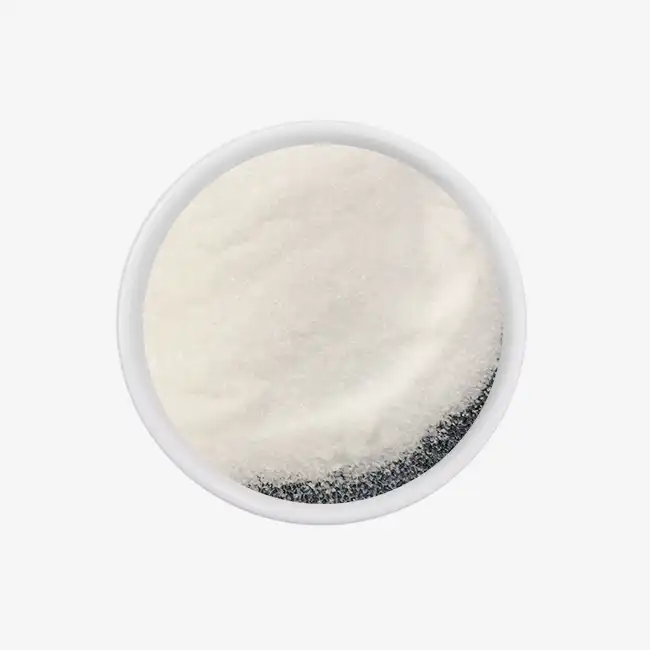
Understanding Potassium Acetate for Airport Runway Deicing
The people who work in aviation who are responsible for keeping runways safe in the winter have a lot of difficult tasks to do that go beyond just melting ice. The chemicals that make up deicing agents and how well they work have a direct effect on the safety of passengers, the soundness of airplanes, and the environment.
Chemical Composition and Mechanism
The chemical potassium acetate (CAS No. 127-08-2) works in two ways to stop ice from forming at the molecular level. This organic salt quickly dissolves in ice, making a eutectic solution that breaks up the crystal structure of frozen water. Its molecular weight is 98.14 g/mol. Because the substance is hygroscopic, it can take water from the air as soon as it is applied. This starts an exothermic reaction that makes heat during the melting process. This ability to speed up on its own makes it different from mechanical methods of removal that only scrape off the top layer of ice without addressing the connecting forces between the ground and frozen layers.
The pH range of 9.0 to 10.5 in a 15% solution makes it safe to use on concrete, asphalt, and airport lighting systems. It also stops the alkaline breakdown that happens with stronger chemicals. Specifications for bulk density between 0.8 and 0.9 g/cm³ give the best spreading properties, preventing wind displacement even in jet blast situations and making sure there is enough covering across wide runway areas.

Advantages Over Traditional Deicing Agents
Calcium chloride or magnesium chloride are commonly used for deicing. These chemicals release corrosive chloride ions that damage airplane metal alloys, landing gear parts, and ground support equipment over time. Aviation repair records show that planes that are regularly exposed to chloride-based deicers experience faster rusting rates. This means that more inspections are needed and parts need to be replaced before they should be.
Urea was once widely used at airports, but it only worked down to -7°C and released ammonia compounds that were harmful to marine environments that received runoff from runways. Environmental protection agencies all over North America have made it harder to release chemicals, which means that urea-based formulas will no longer be used at big airports.
Potassium acetate completely gets rid of these problems. Its biological structure breaks down naturally in soil and water systems, so it doesn't leave behind any toxic waste. The lack of ammonia emissions saves groundwater and watersheds close. Non-corrosive qualities make aircraft last longer and save money on upkeep costs that come with fixing corrosion-related problems. Aviation-grade potassium acetate formulations are especially covered by SAE AMS 1431 certification standards. These set purity limits and performance goals that make sure results are uniform across a wide range of operational conditions.
Safety and Environmental Profile
Throughout the supply chain, handling procedures for airport runway solid potassium acetate put worker safety and environmental protection first. The substance is not very toxic when used right away, so there aren't many risks during storage, shipping, or use. Protective gear needs to be kept as low as possible compared to options like caustic chloride. This makes operations simpler for ground workers working in time-sensitive situations.
Environmental effect studies show that potassium acetate breaks down naturally in soil within weeks of being applied, using natural biological processes. Biological Oxygen Demand (BOD) readings are still much lower than those for glycol-based fluids. This makes it easier for local wastewater treatment systems to handle runoff from airports. Studies on aquatic toxins show that airport facilities have little effect on fish populations and benthic creatures that live in waterways that flow downstream.
Comparing Potassium Acetate to Other Runway Deicing Solutions
When making a procurement choice, it's important to look at performance metrics, the total cost of ownership, and regulatory compliance factors that go beyond the original buy price. When airport managers know their comparative benefits, they can find answers that meet both their operational needs and their environmental goals.
Performance Metrics Analysis
Temperature efficiency tells the difference between good deicing methods and average ones. Potassium acetate keeps melting ice at -60°C, so it stays useful during polar vortices and other extreme cold spells that would shut down airports that use less durable formulas. Measuring the melting speed shows that it quickly melts through layers of ice up to 6 mm thick, which makes mechanical removal possible in a reasonable amount of time.
Liquid potassium acetate mixtures are better for anti-icing jobs because they make walls that stop precipitation before it happens. When ice is already there and needs to be removed right away, solid granular goods work best for therapeutic deicing. A lot of airports keep both types of equipment on hand and use each one depending on the weather and the time of day.
Friction coefficient repair is an important safety factor that isn't talked about much in product material but is needed for planes to fly. When potassium acetate solutions are used to clean surfaces, they keep the friction levels high. This keeps the surfaces from hydroplaning during takeoff and landing. When competing goods leave behind slippery residues that need extra cleaning steps, it can make operations more difficult during stormy times.
Procurement Considerations for Aviation Operations
Quality assurance rules say that SAE AMS 1431E guidelines must be followed to the letter. These are the rules that the aerospace industry uses to decide how to make airport deicing mixtures. To make sure that a supplier's licenses are correct, procurement teams should have their products tested by a third-party lab to make sure that the levels of purity, particle size distribution, and corrosion inhibitor amounts are all within the acceptable ranges.
Manufacturers with a good reputation keep up with ISO 9001 quality management systems, ISO 14001 environmental approvals, and ISO 45001 workplace health standards. This shows that they are committed to excellence in all areas of their business. KOSHER and HALAL certifications may not seem related to buying chemicals, but they show that strict process controls and documentation are used, which is linked to total production reliability.
The types of packaging affect how well they store things and how precisely they can be used. Standard 25 kg weaved bags work well for smaller regional airports that don't have a lot of store space, while 1000 kg ton-bags are better for big hub airports that handle a lot of traffic during the long winter months. When hygroscopic pellets don't get wet too soon, moisture-resistant packaging keeps them from going bad. This means that the product stays useful for up to two years if stored properly.
When planning logistics, it's important to keep just-in-time delivery needs in mind while also leaving room in the store to avoid running out of items during unplanned weather events. Operational agility is provided by suppliers with fluid production plans and lead times of 5–7 working days. Suppliers that keep safety stock show that they understand aviation's zero-tolerance policy for supply chain disruptions.
Implementing Potassium Acetate Solutions at Airports
Standardized processes, the right choice of tools, and ongoing performance tracking that takes into account the conditions at the spot are all important for a successful rollout.
Application Techniques and Equipment Standards
Calibrated spreading equipment makes sure that the material is spread evenly across the runway surfaces, so there are no safety gaps or wasteful over-application. Rotating spreaders with variable flow rates can handle changing storm levels and pavement temperatures, so workers can change the application density as conditions change.
Pre-wetting methods mix solid pellets with liquid airport runway solid potassium acetate right before they are dumped. This makes the pavement stick better in high-wind situations where dry materials would normally be blown around. By using the combined thermal effects of solid dissolution and liquid entry, this method speeds up the initial melting action and lowers the amount of product that is lost.
Dosage recommendations are usually between 40 and 100 grams per square meter, but this depends on the thickness of the ice, the temperature of the area, and the treatment goals. When applying anti-icing before it snows, coverage rates need to be lower than when applying therapeutic deicing to remove existing ice layers. When weather tracking systems are connected to application tools, they make the best use of materials by changing doses based on real-time weather conditions.
Case Studies and Measurable Outcomes
When major airports in North America switch from urea to potassium acetate formulations, airplane corrosion-related maintenance tasks drop by 30 to 40 percent within three operating seasons. European flight officials say that facilities that use acetate-based deicing programs get better environmental compliance scores. Data from watershed tracking shows that airport drainage systems are less harmful to water.
Metrics for operational effectiveness show that airports that use coordinated solid-liquid potassium acetate methods can get rid of snow faster. When you use pre-storm anti-icing shields along with responding curative treatments, the ice's bonding strength is weakened. This lets mechanical equipment clear surfaces faster than places that only use mechanical removal along with traditional chemical products.
Total ownership economics are positive when you look at how much money you save on airplane repair, how easy it is to comply with environmental laws, and how reliable operations are during bad weather. Even though the initial costs of potassium acetate may be higher than those of commodity options, thorough financial modeling that takes these secondary benefits into account consistently proves the substance's value offer for flight operations.
Addressing Common Challenges
Extreme cold performance can be a problem for people who aren't familiar with potassium acetate's low-temperature properties. Field data from airports in the Arctic and sub-Arctic shows that it works at temperatures where other goods either crystallize or stop melting. When and how much to use are more important than exact temperature limits. This shows how important it is to have training programs for operators.
When people think of options to glycol, they sometimes mix up airplane anti-icing fluids (Type I–IV glycol-based products) with deicing agents for the runway. These are different types of applications that have different chemistry needs and performance goals. On the runway, treatments focus on restoring friction and getting rid of ice. On the other hand, aircraft fluids form shields that keep ice from building up on airframe surfaces during ground operations and the first few minutes of takeoff.
Procurement Guide for Airport Runway Solid Potassium Acetate
To use strategic sourcing, you need to carefully look at your suppliers' skills, make sure the quality of the products they sell, and make sure that the contracts you sign will support your long-term needs throughout several winter seasons.
Identifying Reliable Manufacturers
A big part of the decision process is manufacturing experience. Well-known manufacturers have decades of experience in chemical synthesis and the aviation business. Shanxi Zhaoyi Chemical Co., Ltd., which was established in 1988, has been making acetate salt for 35 years and serves the world aircraft, infrastructure, and industrial markets. With an annual production capacity of more than 150,000 tons, the supply can be scaled up or down to meet the needs of both big hub airports and regional sites.
Premium suppliers are different from commodity chemical sellers because they offer technical help. Technical teams that are quick to respond and offer application advice, fixing help, and site-specific improvement suggestions add a lot of value beyond just delivering products. As part of emergency reaction measures, backup supply routes are set up to protect against disruptions during key winter operational times, when delays have a domino effect on safety and the economy.
Being open about quality control builds trust in the regularity of the result. Manufacturers who write down batch testing methods that include particle size distribution analysis, rust sandwich testing, pH verification, and heavy metal content screening show that they are serious about meeting aviation-grade standards. Third-party laboratory approvals back up claims of internal quality, giving procurement workers who are concerned about risk an independent check they can rely on.
Ordering Strategies and Logistics Optimization
Minimum order numbers are usually set by the cost of shipping and the amount of space available in storage. For foreign purchases, container-load shipments get the best per-unit logistics costs. On the other hand, local sellers can usually handle smaller amounts to help regional airports with limited storage facilities.
When planning deliveries, it's best to plan ahead for seasonal demand peaks well before the first snowfall. This way, you can avoid the supply chain congestion that happens when many facilities are trying to restock at the same time. Forward contracting with set prices protects budget stability and makes sure there is enough production capacity during busy times.
Storage requirements emphasize moisture control due to airport runway solid potassium acetate's hygroscopic characteristics. Dry, well-ventilated stores with controlled temperatures keep products from clumping and dissolving too quickly, which lowers their effectiveness. Material integrity is kept during storage times that last longer than the winter months between operating seasons by keeping sealed containers away from substances that don't work with the material.
Transportation handling rules keep packages from getting damaged in ways that break down moisture barriers. Careful handling and damage inspection procedures find goods that aren't up to par before they get to storage facilities, where they could affect larger amounts of inventory.
Conclusion
More and more, aviation sites that want to be the best at what they do are realizing that the choice of deicing agent has a big effect on safety, the environment, and the economy in the long run. Potassium acetate-based solutions have been shown to work well in these important areas, protecting the structure of airplanes while also meeting strict environmental standards. When looking at deicing strategies, procurement professionals should give more weight to suppliers that can show they have the manufacturing skills, quality certifications, and supply chain dependability that are necessary for aviation's strict operating needs. The switch to environmentally friendly runway care is both required by law and a good business chance for forward-thinking airports. It will make them environmental leaders in the aviation community around the world.
FAQ
What makes potassium acetate superior to urea for runway deicing?
Potassium acetate works well at temperatures as low as -60°C, but urea stops working at temperatures below -7°C. The environmental benefits are just as strong. Urea gives off ammonia compounds that are dangerous to aquatic environments, but potassium acetate breaks down naturally without giving off any harmful chemicals. Across North America, regulatory agencies have limited the use of urea at airports. For operations that are better for the environment, potassium acetate is the legal option.
Does potassium acetate damage runway infrastructure or aircraft components?
Potassium acetate that is properly made and meets SAE AMS 1431 standards protects aluminum, magnesium, and cadmium airplane parts from corrosion. Acetate versions don't damage runway materials, lighting systems, or ground support equipment like chloride-based salts do. Instead, they keep them working with ease. Using aviation-grade potassium acetate materials on infrastructure for decades has proven to make it last longer.
How should airports keep solid potassium acetate so that the quality of the product doesn't change?
Because potassium acetate absorbs water, it needs to be stored in dry, well-ventilated stores in packaging that keeps out wetness. Sealed cases keep things from getting too wet too quickly, which lowers their usefulness. When kept properly, away from heat sources and chemicals that don't mix, the shelf life can last up to two years. This means that airports can keep strategic reserves for multiple working seasons without worrying about the product going bad.
Partner with Zhaoyi Chemical for Reliable Aviation Deicing Solutions
Aviation operations need quality and dependability that can only be met by makers with a lot of experience. Zhaoyi Chemical has been making acetate for more than 30 years and provides aviation-grade deicing solutions to airports and infrastructure owners in North America, Europe, and Asia. Our airport runway solid potassium acetate is certified by ISO 9001, ISO 14001, and ISO 45001, which means it meets strict SAE AMS 1431 standards for quality, environmental, and safety management. We keep large amounts of goods on hand to make sure that we can send quickly, even during busy winter months. Get in touch with our technical team at sxzy@sxzhaoyi.com to talk about your unique operational needs and find out why flight workers all over the world choose Zhaoyi Chemical as their first choice for critical runway safety uses.
References
1. Society of Automotive Engineers. "AMS1431: Solid Runway and Taxiway Deicing/Anti-Icing Compound, Potassium Acetate Based." SAE International Standards, 2019.
2. Federal Aviation Administration. "Airport Winter Safety and Operations." Advisory Circular AC 150/5200-30D, U.S. Department of Transportation, 2018.
3. Environmental Protection Agency. "Airport Deicing Effluent Guidelines and Standards." 40 CFR Part 449, EPA Office of Water, 2012.
4. Transportation Research Board. "Guidelines for Airport Winter Safety and Operations in Cold Climates." Airport Cooperative Research Program Report 104, National Academies Press, 2014.
5. European Union Aviation Safety Agency. "Certification Specifications and Acceptable Means of Compliance for Aerodromes Design." CS-ADR-DSN Issue 4, EASA, 2020.
6. International Civil Aviation Organization. "Annex 14 to the Convention on International Civil Aviation: Aerodromes, Volume I - Aerodrome Design and Operations." ICAO Standards and Recommended Practices, Seventh Edition, 2016.

USER EVALUATE
Here is the customer's evaluation of us