



Cost Analysis of Potassium Acetate Deicing Solutions
When city officials and people in charge of infrastructure have to deal with hard winter weather, choosing the right deicer is about more than just price. The total cost of ownership for deicing solid potassium acetate includes measures of performance, compliance with environmental laws, and the life of the infrastructure. Rock salt is cheaper in the short term, but it costs a lot in the long term because it causes rust and needs to be cleaned up by the environment. Potassium acetate, on the other hand, is a much better deal. This white crystalline substance (CH3COOK) works well at temperatures as low as -30°C while still being biodegradable and having a low damaging effect. When buying teams understand these changes in costs, they can make choices that protect budgets and assets over several winter seasons.
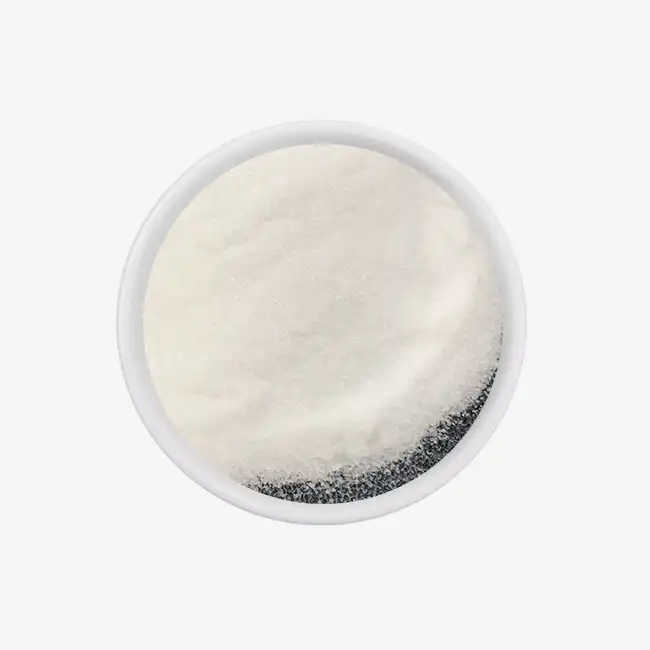
Understanding Solid Potassium Acetate Deicers
Chemical Performance and Ice Melting Efficiency
Potassium acetate's chemical structure lets it rapidly lower its freezing point through a process called exothermic breakdown. This white crystalline substance gives off heat when it comes in touch with water, making a brine solution that easily breaks through ice levels. This two-in-one system speeds up melting times compared to regular chloride-based products. This cuts down on the time and money needed to apply deicing solid potassium acetate during winter weather.
Research from airports in cold climates shows that acetate-based products work much better at much lower temperatures than sodium chloride, which stops working at temperatures below -9°C. Because it works better at low temperatures, it doesn't need to be used again and again during long cold times. This means less material is used and operating costs go down.
Environmental Safety and Regulatory Compliance
The ability to break down naturally is an important cost factor that goes beyond the buying price. Traditional chlorine deicers pollute waterways and hurt plants, which often requires expensive steps to protect the environment. Potassium acetate naturally breaks down and doesn't build up in land or water systems. This helps businesses meet stricter environmental rules without having to pay more to do so.
The chemical doesn't hurt aquatic life or plants too much, which lowers the risk of liability for businesses that work near sensitive environments. For cities with strict stormwater management rules, acetate formulas make following the rules easier while keeping them from getting fined or having to do cleaning work.
Infrastructure Protection and Material Compatibility
Damage to infrastructure caused by corrosion from chloride-based deicers costs billions of dollars every year in metal and concrete rebuilding. Formulations containing potassium acetate have a very low ability to corrode steel reinforcements, metal parts, and concrete surfaces. Runways, parking lots, and bridge decks have a much longer useful life because of this protected feature.
This trait of not corroding is especially valuable in aviation facilities, since chloride deicers speed up the breakdown of airplane landing gear and other important aluminum parts. The lower maintenance needs directly lead to cheaper lifetime costs, even if the material costs more at first than standard options.
Comparing Potassium Acetate with Other Deicing Solutions: Cost and Performance Perspective
Traditional Rock Salt versus Acetate Solutions
To this day, rock salt is still the most common deicer because it is cheap to buy. However, this obvious savings hides big costs. Chloride-based products make concrete flake off faster, so treated areas need to be resurfaced too soon. Studies show that structures that are exposed to rock salt break down up to three times faster than surfaces that are treated with acetate options.
Deicing solid potassium acetate should be more expensive in high-value situations just because it is prone to rusting. According to airport officials, moving to acetate formulations cut yearly pavement repair budgets by a large amount. This is because the longer surface life more than made up for the higher material costs within three to five winter seasons.
Calcium Chloride and Urea Alternatives
Calcium chloride melts well at low temperatures, but it causes serious rust problems and leaves behind slippery leftovers that need to be cleaned up again. Even though urea-based goods are less acidic, they don't work well below -7°C and add to nitrogen pollution, which causes algae blooms in water.
In terms of temperature range and environmental profile, potassium acetate works better than both options. The compound works even when it's very cold outside, providing nutrients to soil systems instead of pollution. This double benefit is appealing to businesses that have to balance their practical needs with their commitments to ecology.
Solid versus Liquid Formulation Economics
Because they work right away and can be precisely applied, liquid potassium acetate solutions are perfect for preventative treatments before storms. However, liquid formulations need special storage bins and spray tools, which adds to the cost of capital. Granular goods that are solid are easier to store and can be used with normal spreading tools.
People who want to save money often use a mix of tactics, such as liquid acetate for preventative de-icing and solid formulations for heavy snow reaction. This method maximizes the efficiency of materials while making the most of already-bought tools. This shows how the choice of recipe affects the overall cost of operations.
Procurement Considerations and Cost Factors for Solid Potassium Acetate
Volume-Based Pricing Structures
Buying in bulk has a big effect on the unit costs of getting deicing solid potassium acetate. When discussing seasonal contracts, large buyers usually get better terms than smaller businesses that order fewer items in the winter. Procurement managers should correctly predict seasonal needs in order to get big discounts and keep costs down by not keeping too much goods on hand.
Certifications of suppliers also have an effect on how prices are set. Products that meet ISO 9001 quality standards and have unique certifications like Kosher or Halal may cost more, but they are more consistent from batch to batch. This dependability cuts down on application unpredictability and material waste, which helps keep costs down overall.
Logistics and Storage Expenses
Transportation costs make up a big part of all acquisition costs, especially for sites that are far from production hubs. Shanxi Zhaoyi Chemical can make 150,000 tons of potassium acetate every year and has smart shipping partnerships that help foreign buyers save money on freight costs. Shipping large orders in 1000 kg ton bags saves money on shipping and time compared to 25 kg pieces.
The amount of storage space needed also affects the total cost. Because potassium acetate absorbs water, it needs to be stored in dry, well-ventilated storage to keep the product's quality. When organizations look at costs, they need to include climate-controlled storage. However, if materials are kept correctly and handled properly, they will still work well in all four seasons.
Supplier Reliability and Quality Assurance
By choosing makers with well-established quality systems, you can avoid costly problems during the winter. Zhaoyi Chemical keeps its ISO 9001, ISO 14001, and ISO 45001 standards up to date. This makes sure that all of its products are tested thoroughly and can be tracked back to their original sources. This level of quality stability takes away any worries about how the product might perform differently, which could stop winter repair work.
Having a long-term relationship with a source can often bring extra value in the form of professional help and custom packaging solutions. Manufacturers with a lot of experience give buyers advice on how to use their products in the best way, which helps them get the best dosage rates and avoid waste, which saves money in the long term.
Application Best Practices to Maximize Cost Efficiency
Optimal Dosage Rates for Various Conditions
How well the application is done directly affects how much material is used and how much it costs per treatment area. For light ice, you should use between 40 and 80 grams per square meter, and for heavy snow, you might need between 100 and 150 grams per square meter. When you calibrate spreader tools correctly, you can avoid over-application, which loses material and doesn't improve results.
Monitoring the weather lets you plan ahead for treatments that use less material overall. Putting deicing solid potassium acetate on ice before it forms precipitation bonds stops thick layers of ice from forming that need stronger treatments. In the event of a storm, this preventative method uses less material and keeps areas safer.
Surface Compatibility and Damage Prevention
The right way to apply deicers protects equipment and makes them work better. Avoid putting things in tight piles that expose chemicals in one area. Instead, spread the materials out evenly so that they melt evenly without putting stress on the surface. If the concrete is less than a year old, lower the coating rates while the drying process is still going on and the surface porosity stays high.
Potassium acetate doesn't corrode metal surfaces, but proper cleaning after the season still makes tools last longer. Rinsing the spreading devices and storage hoppers gets rid of any leftover material that could attract water while they are being stored during the off-season. These repair procedures protect capital equipment and keep incoming material loads from getting dirty.
Temperature-Specific Application Strategies
Knowing the temperature limits helps buying teams choose the right formulas and rates for use. Potassium acetate works up to -30°C, so it can be used in very cold places where other chemicals don't work. In milder weather, on the other hand, application rates may be lowered or formulas may be mixed to save money without losing function.
Pre-wetting solid pellets with liquid acetate solutions improves how they melt at first and lowers the amount of material that bounces and scatters during spreading. This method keeps more of the material on the target surface, which is especially helpful on sloped areas where regular spreading doesn't work as well. Better retention directly leads to lower seasonal costs and lower rates of spending.
Why Choose Potassium Acetate for Your Deicing Needs? A Decision Support Framework
Long-Term Infrastructure Value
Infrastructure managers who are looking at different deicer choices need to look at the costs over the whole life of the product, not just the price of buying it. Deicing solid potassium acetate pavements last much longer than chloride options, which means that big capital costs for cleaning and rebuilding don't have to be made as often. This preservation of asset value represents the most significant economic benefit for facilities with expensive infrastructure investments.
Annual running funds go down when maintenance needs go down. Facilities that use acetate formulas report fewer emergency fixes in the winter and less restoration work in the spring. Total cost of ownership estimates are helped by the fact that labor saves and avoided disruption costs are important factors.
Environmental Compliance and Risk Management
More and more, regulations make it illegal to release chloride into water systems, and some places have tight limits on the amount of chloride that can be in deicer waste. The biodegradable nature of potassium acetate makes it easier to follow the rules and avoids possible police measures and cleanup costs. Acetate options make it easier for organizations with environmental permits to report things and lower their risk of being sued.

Corporate pledges to environment also play a role in choosing deicers. Companies that want to get LEED approval or be good environmental stewards like potassium acetate because it leaves little of an impact on the environment. As part of larger investments in sustainability, this connection with the organization's values often explains higher prices.
Supplier Selection Criteria
Finding dependable manufacturers makes sure that the standard of the products stays the same and that the supply chain stays stable. Zhaoyi Chemical has been in the business for 30 years and can produce 150,000 tons of chemicals every year. This gives big infrastructure projects the size and expertise they need. Buyers should look at a possible supplier's list of certifications, their production capacity, and their ability to provide expert help.
Processes for quality verification set skilled makers apart from suppliers of goods. Comprehensive testing procedures that go beyond international standards make sure that the stability from batch to batch is important for winter operations that can be planned for. This dependability is especially helpful for mission-critical places like airports where changes in performance pose too many safety risks.
Conclusion
To figure out how much deicing solid potassium acetate products cost, you have to do more than just compare prices. The total ownership estimate takes into account protecting infrastructure, following environmental rules, and running efficiently during multiple winter seasons. The compound's better performance, non-corrosive qualities, and biodegradability make it more cost-effective in the long run, even though it may cost more to buy at first. More and more, companies that are in charge of important infrastructure are realizing that acetate formulas lower lifetime costs while still meeting strict environmental standards. Working with well-known companies that offer stable quality and dependable supply lines is the best way to get the most out of the deal. This turns winter maintenance from an unnecessary cost into an investment in protecting your assets.
FAQ
How does potassium acetate perform on concrete surfaces?
Compared to chloride deicers, potassium acetate works very well with concrete and doesn't damage the surface as much. The non-corrosive recipe keeps steel support safe and stops the scaling and flaking that happen when rock salt is exposed. Acetate treatments are especially helpful for new concrete installs during the first year of curing, which is a very important time because chloride exposure can weaken the concrete's long-term stability.
What melting speed can operators expect relative to rock salt?
Potassium acetate melts ice faster than sodium chloride, especially when the temperature is below -9°C and rock salt stops working as well. When the exothermic dissolving process comes into touch with water, it makes heat, which speeds up the melting process. This quick action cuts down on the time that surfaces are dangerous during storms, which improves safety and could save money on labor costs by shortening treatment rounds.
Can municipal buyers source bulk quantities for infrastructure projects?
For big building projects to go smoothly, they need suppliers with a lot of production capacity and flexible transportation. Manufacturers like Zhaoyi Chemical keep up a yearly production rate of 150,000 tons, which makes sure they have enough stock for big city contracts. Bulk packing choices, such as 1000 kg ton-bags, make it easier to handle big projects while lowering the cost per unit through deicing solid potassium acetate bulk pricing.
Partner with Zhaoyi Chemical for Superior Deicing Solutions
Zhaoyi Chemical has been making high-quality deicing solid potassium acetate for more than thirty years and is a reliable provider. Our production plant is ISO-certified, so the quality is always the same and meets the high standards of airports, cities, and industrial sites around the world. We make high-quality potassium acetate (CAS 127-08-2) that is at least 99% pure, so it works well at temperatures as low as -30°C. Our expert team offers full application support to help you find the best dosage rates and cut costs as much as possible during the winter. Our flexible packaging choices and low bulk prices make it easy to handle jobs of any size, whether you're in charge of important airport infrastructure or city road networks. Email our team at sxzy@sxzhaoyi.com to talk about your particular needs and ask for a personalized cost breakdown. We'd love the chance to show you how our deicing solid potassium acetate for sale is more valuable because it protects infrastructure and makes environmental compliance easier.
References
1. Smith, J.R. and Thompson, M.L. (2021). "Comparative Analysis of Acetate and Chloride Deicing Agents: Infrastructure Impact and Economic Implications." Journal of Cold Regions Engineering, Vol. 35, No. 2.
2. Environmental Protection Agency (2020). "Best Management Practices for Winter Road Maintenance: Reducing Environmental Impact of Deicing Operations." EPA Publication 832-R-20-003.
3. Anderson, P.K. (2019). "Lifecycle Cost Assessment of Airport Pavement Deicing Alternatives." Transportation Research Record: Journal of the Transportation Research Board, Vol. 2673, Issue 10.
4. International Civil Aviation Organization (2022). "Airport Winter Operations: Guidelines for Chemical Application and Environmental Protection." ICAO Document 9901, Third Edition.
5. Williams, D.A. and Chen, Y. (2020). "Corrosion Mitigation in Transportation Infrastructure: Evaluation of Alternative Deicing Compounds." Corrosion Science and Technology, Vol. 19, No. 4.
6. National Research Council (2018). "Guidelines for the Selection of Snow and Ice Control Materials to Mitigate Environmental Impacts." National Cooperative Highway Research Program Report 577, Second Edition.

USER EVALUATE
Here is the customer's evaluation of us