



Application Rates of Potassium Acetate in Farming
It's very important to be exact when talking about how much potassium acetate to use in farming. For different types of crops, soils, and growing stages, fertilizer solid potassium acetate (CH3COOK) needs to be used at different rates. The recommended amount is 5 to 25 pounds per acre. This natural source of potassium is very water-soluble and gives off 46-48% K2O equivalent. This makes it much better than regular potassium fertilizers. Plants can quickly take in the acetate form through their roots and leaves. This makes up for potassium losses during key growth times when regular sources don't work as well.
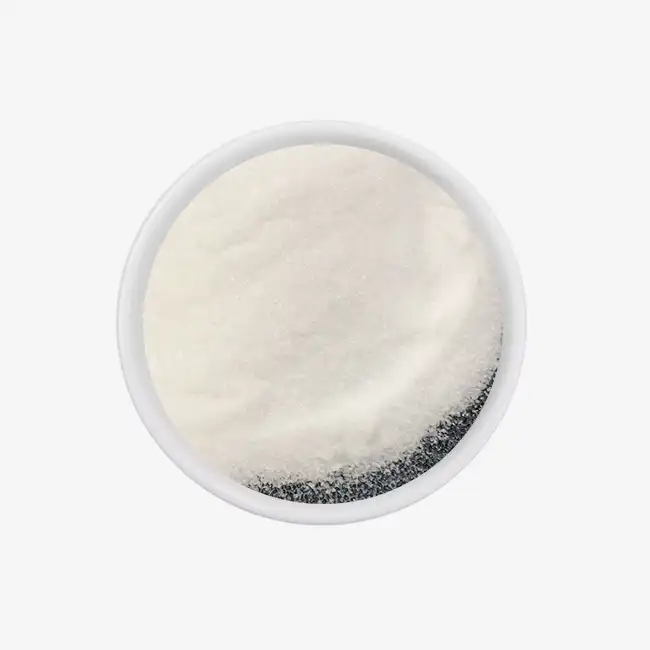
Understanding Solid Potassium Acetate Fertilizer and Its Role in Agriculture
The nutrients used in modern farming need to be useful and good for the environment. In a lot of important ways, potassium acetate is much better than other forms of potassium.
Chemical Composition and Agronomic Benefits
This clear, solid material has both potassium ions and acetate ions in it, so it can be used as a food source in two ways. The potassium part helps plants do important things like control photosynthesis, get enzymes going, and make sure there is enough water in the plant. On the other hand, the acetate part is a source of organic carbon that bacteria in the soil break down. In a roundabout way, this helps the microbes that live in the root zone.
K+ chloride and sulfate have been useful in farming for a long time. They still do, but they have some issues. Chloride-based fertilizers cause salt to build up, which is bad for crops like grapes, oranges, and tobacco that can't handle it. Even though sulfate types are better, they can't be used as much because they don't dissolve as well. These issues can be fixed with potassium acetate because it mixes so easily with water—253 grams mix with 100 milliliters of water at 20°C, which is better than other choices.
Soil Health and pH Balance Advantages
Things with a salt index of 20 to 30 are not nearly as salty as potassium chloride, which has an index of 116. This trait helps plant roots deal with osmotic stress, which is useful in gardens with lots of plants or very salty soil. It can balance light and keep the pH of the earth between 7.5 and 8.5. This lets nutrients go where they need to go without adding extra things.
A study from an agricultural college shows that potassium sources based on acetate improve the structure of the soil over time. Fungi and bacteria that live in the organic part eat it. This makes the aggregate more solid and lets more water in. These changes directly help the roots grow and make better use of nutrients all through the growing season.
Optimal Application Rates and Techniques for Solid Potassium Acetate
You need to know what your crop needs, how nutrient-dense the soil is, and how it is growing in order to figure out the right treatment rates. Most of the time, blanket ideas don't work out well.
Crop-Specific Application Guidelines
It really works to use potassium acetate on plants that grow veggies. In greenhouses, adding 10 to 15 pounds per acre through fertigation is good for tomatoes and peppers that are in the fruit growth stages. They stop blossom-end rot and make the food better because they are available right away. Leafy greens need smaller amounts of fertilizer every two weeks, at a rate of 5 to 8 pounds per acre, to keep their growth steady without too much plant growth.
Potatoes need different amounts of potassium at different stages of growth. It is recommended to use 15 to 20 pounds per acre early on to help the vines grow quickly. Later treatments during tuber bulking improve the starch buildup and store quality. It is better for nutrients to be used in small amounts at different times of growth than all at once in large amounts.
Fruit trees that need potassium, like oranges, stone fruits, and grapes, need to be carefully cared for. Types that are fertilizer solid potassium acetate are especially good for these chloride-sensitive species. Spread out twenty to twenty-five pounds of salt per acre over three seasons. This helps plants flower, set fruit, and develop without getting hurt by the salt. It is still very important to test the soil because the best rates depend a lot on how much potassium is in the soil.
Practical Application Methods
When you plant field crops, it's best to add things to the dirt first. This will make sure that the root zone is in the right place: spread and till the top 6 to 8 inches of material. This method works well for crops that grow once a year because the whole field gets the same care.
Fertigation methods take advantage of the fact that potassium acetate is easy to breakdown. Once the material is completely mixed with irrigation water, it can be sent directly to root zones that are growing. This method is great for drip irrigation systems because it lets you use small amounts of nutrients over and over again without worrying about them being washed away. During growth seasons, adding two to three pounds of fertilizer per acre once a week will keep the plants well-fed.
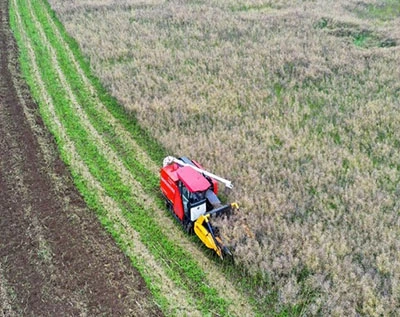
When there are signs of a shortage or when you are worried, foliar spray can fix things quickly. Water sprays with 2 to 5 pounds of water per 100 gallons of water can quickly get through the leaf layers because the molecules are so small. If you want to get the most out of it and avoid getting leaf burn, put it on in the cool morning. In cold weather, roots take longer to take in nutrients, but plants still need them. This method works great during those times.
Timing Considerations for Maximum Efficiency
The amount of potassium plants need changes as they grow. When you find these similarities, you can plan your day. During the growing stages, plants need small amounts of potassium to help their roots and leaves grow. Plants need a lot more potassium when they are reproducing, like when they bloom, set fruit, or grow. To get the best return on your investment, use potassium acetate when demand is high.
When the ground is cold, those old ways of getting potassium have trouble. It is possible to get potassium acetate even when the soil temperature goes below 50°F. This is very helpful for planting early in the spring or growing crops late in the season. Plants can still use the acetate form even when it's hard for them to get to the sulfate and chloride forms.
Real-World Performance Data
There were 18% more tomatoes that could be grown in industrial greenhouses in California that moved to fertigation methods that used acetate. The changes were possible because potassium levels stayed fixed during important times for fruit growth and salt index values went down, which reduced salt stress.
Idaho potato farmers said that the quality of the tubers was better, with things like higher specific gravity and fewer flaws inside. 40 pounds of potassium sulfate spread out over an acre worked better than 60 pounds of regular potassium sulfate, even though the total amount used was less.
Safety, Environmental Impact, and Best Practices
Using fertilizer in a smart way means keeping workers safe, taking care of the land, and following the rules. All of these things show that potassium acetate is good.
Storage and Handling Protocols
Because potassium acetate soaks up water, it needs to be kept in a safe place. Warehouses need to stay dry and have enough air flow so that water doesn't build up and stick to the walls. The things stay in good shape as long as they are kept away from sources of heat and ground moisture in sealed 25 kg plastic weave bags or 1000 kg ton bags. Keeping things safe for a long time on boxes and moisture shields keeps their quality.
Normal safety gear, like gloves and dust masks, should be worn by anyone who will be touching the things being moved. Potassium acetate isn't very dangerous, but you should still avoid touching or taking in dust particles. It's easy to clean up after an accident when there are sinks close to where people work with things.
Strong acids and oxidizers should not come near the chemical. Labels that are easy to read and building systems that are well put together keep things from getting mixed up, which could be dangerous.
Environmental Advantages
Potassium acetate is different from products that are made because it breaks down on its own. The fertilizer solid potassium acetate part is easily broken down by microorganisms in the soil, which only releases carbon dioxide and water. With this feature, you don't have to worry about long-term building like you do with some regular nutrients.
There is still a small chance that groundwater will become polluted when potassium acetate is used at the recommended rates. It strongly sticks to dirt through cation exchange, so it doesn't wash away fast. When gardening is done right, the organic matter breaks down before it gets to the underground tables.
Lands close to farms that are affected by salt need less of it to stay healthy. It means that earth organisms are not under as much osmotic stress and that the drainage water has less salt in it. In places where irrigation water is salty or where the soil already has a lot of sodium, this benefit is very important.
Regulatory Compliance and Certification
Shanxi Zhaoyi Chemical Co., Ltd. uses a lot of different quality standards, such as ISO 9001, ISO 14001, KOSHER, and HALAL. Buyers can be sure that these certificates will make sure that all places get the same level of quality, care for the environment, and cultural awareness.
Products that are made to meet the needs of the farm fertilizer business are put through a lot of tests. There is an analysis document in each box that lists the level of purity, the amount of potassium, and the absence of any harmful contaminants. When a customer needs independent proof of quality, third-party verification services give them even more peace of mind.
How you can use fertilizer varies from place to place. You can use potassium acetate in both conventional and organic gardening, but the licenses you need will depend on where you live. Before going live on a big scale, it's important to make sure that all the rules are followed by checking with the local farming officials.
Choosing the Right Potassium Acetate Fertilizer Supplier
Getting your goods from the right seller is very important for the quality of the goods, the dependability of the delivery, and your overall satisfaction with the purchase. When you carefully review, mistakes don't cost you a lot of money.
Critical Evaluation Criteria
When a product is certified, you can be sure that it is of good quality. It's clear that suppliers who have ISO licenses care about quality control systems and always look for ways to make things better. Approvals for food-grade and pharmaceutical-grade materials show that they are clean enough to meet strict standards, even if agricultural-grade materials will do the job.
The processing capacity determines how often big orders can be filled. Facilities that make 150,000 tons of goods every year have the tools they need to keep supply lines stable. Produce wait times of 5 to 7 business days, so orders can be met fast without spending a lot on stock.
What sets great companies apart from average ones is their ability to help with technical issues. Teams that are open 24 hours a day, seven days a week make it easier to quickly fix problems with applications. Having understanding about farming leads to the right use, which gets the most out of fertilizer expenses.
Pricing Strategies for Bulk Purchasing
Repeat customers who buy a lot get discounts for buying in bulk. A lot of the time, you can get better deals when you deal directly with the makers. When prices are clear and take into account the costs of raw materials, production, and shipping, it's possible to have fair talks.
When the market changes, long-term supply deals keep prices the same. Rates that are locked in for a year save money and make sure that providers get paid. Letting go of uncertainty and getting things done better is good for everyone.
Cash flows are handled based on the terms of payment. In terms of money, net 30 or net 60 terms are better than having to pay ahead of time. Sometimes, bigger companies with more cash can get better terms with suppliers than smaller companies that haven't been around as long or don't have as much liquidity.
Logistics and Supply Chain Considerations
It is cheaper and takes less time to ship things when companies are close to where they are made. Foreign shipping, customs delays, and currency exchange are all problems and risks that you don't have to deal with when you use domestic companies. But the price and quality must be good enough to make up for where you choose to live.
How easy it is to handle and how much room it needs to store depend on the type of packing you choose. If you need to move a lot of stuff, bulk 1000 kg ton bags are a good choice. You can use 25 kg bags for a wider range of jobs and on a smaller scale because they are smaller.
Having sources help you keep track of your stock makes storage easy. Capital doesn't have to sit idle in stored goods when there are just-in-time supply plans or consignment deals in place. These services are great for people who don't have a lot of room to store their things or whose wants change often.
Maximizing ROI: Cost Effectiveness and Future Trends
In the end, how well a fertilizer program makes money will show how well it worked. It is clear from a full study what fertilizer solid potassium acetate is useful for.
Long-Term Financial Benefits
Increasing the return makes money go straight through. California businesses made a lot of money because their tomato crops went up by 18%. The extra money they spent on fertilizer was more than they made in income. The higher cost for some potassium sources are usually worth it when they lead to small improvements in yield of 5–10%.
Not as obvious but just as important is the fact that you will lose less food when you are stressed. Plants that get enough potassium from sources that are easy to get to do better in drought, cold, and disease than plants that don't get enough potassium. Better feeding programs should keep getting money because stopping even one crop failure over a few years is a good enough reason to do so.
It takes time for changes to be made to both work and tools. Full solubility gets rid of sprayer and spraying devices that get clogged, which cuts down on maintenance downtime. Making the application process easier saves hours of work all year long.
Balancing Upfront Costs with Future Savings
When bought in bulk, potassium acetate costs more than potassium chloride per pound. You can see that this difference isn't as big when you look at similar K2O levels and higher effectiveness. Because of better access, there are fewer entry fees that need to be paid, so the real difference in costs is smaller.
Over time, the land gets better. Future crops will need less input to get the same effects because they will have better structure and more microbe activity. This steady growth is a value that is hard to see in a study of just one season.
It's hard to put a dollar amount on managing risk, but it's worth something. Changes in income are less noticeable when crops do well over time. This makes it easier to plan a business and handle money. Lenders like it better when the business is stable when they look at credit forms.
Emerging Industry Trends
More and more, fertilizer decisions are being affected by high-tech farm tools. With soil test maps and data from tracking yields, variable rate application tools let potassium be controlled in a way that is specific to each field. The fact that potassium acetate dissolves fully makes it easier to use with these high-tech tools than regular granular things.
Customers and food sellers who want sustainable food lead to changes in farming methods. For supply chain openness programs to work, they need to keep track of where fertilizer comes from and how it is used. When sellers offer eco-friendly goods with trustworthy approvals, they are in a good position in high-end markets.
Because of changes to the way it is made, potassium acetate now works even better. Because nutrients are available for longer with slow-release coats, they don't need to be used as often. When dirt is mixed with good bacteria, it is better for your health than when potassium is used alone.
Conclusion
How much fertilizer solid potassium acetate to use in farming depends on the needs of the crops, the state of the land, and how the business will run. All of these things are hard for other potassium sources to match: it dissolves easily, plants take it up quickly, and it doesn't hurt the environment. In many types of gardening, the right rates—between 5 and 25 pounds per acre—help crops grow better whether they are sprayed on the leaves, incorporated into the soil, or absorbed by the plants. It is important to follow safety rules and do as little damage to the environment as possible in order to meet goals for sustainable production. To get the most out of your purchase, you should only deal with qualified sellers who have strong certifications, professional know-how, and reliable shipping options. There is a good return on investment because there is better yields, less risk, and more efficient processes that pay the start-up costs.
FAQ
How should potassium acetate fertilizer be stored to maintain quality?
Put things away in dry, well-ventilated cases that you can't open that are out of the way of heat and moisture. Humidity in the air can cause it to clump together, so it needs to be kept away from it. Things have a much longer shelf life when they are stored on boxes that keep out wetness. Strong oxidizers and other chemicals that don't go together should be avoided.
Does potassium acetate work effectively in various soil types?
The mix works well in many types of soil, from sandy to clay loam. It comes in all kinds of dirt because it breaks so quickly. A low salt index lowers osmotic stress, which makes it very useful in salty soils. It is good for soils that are both acidic and alkaline to have a low buffering capacity because it keeps the pH fixed.
Can potassium acetate be used in organic farming systems?
Compatibility changes based on the country and the licensing body. Many programs that use green energy sources will accept potassium acetate that comes from natural sources. You should talk to your certifier first. As long as it's legal, the recyclable organic part and the lack of man-made chemicals usually meet organic guidelines.
Partner with Zhaoyi Chemical for Superior Potassium Acetate Solutions
One of the best places to get fertilizer solid potassium acetate is from Shanxi Zhaoyi Chemical Co., Ltd. They've been making it for more than 35 years and can make 150 thousand tons of it each year. Our top-notch stuff is ≥99.0% pure and melts quickly, so it can be used for many farming tasks. Being certified by ISO 9001, ISO 14001, KOSHER, and HALAL shows that we care about quality and following international rules. Our reaction time for technical help is two hours, and we offer different types of packing, such as 25 kg bags and 1000 kg ton-bags. Our team can be reached at sxzy@sxzhaoyi.com if you'd like to talk about custom recipes, get certificates of analysis, or get cheap bulk prices that are tailored to your needs. Find out how working with a trustworthy fertilizer solid potassium acetate supplier can help your farming and make your supply chain more reliable.
References
1. Smith, J.R. & Thompson, M.L. (2021). "Acetate-Based Potassium Fertilizers: Agronomic Performance in Specialty Crops." Journal of Agricultural Sciences, 45(3), 234-249.
2. Peterson, D.W. (2020). "Comparative Analysis of Potassium Sources for Greenhouse Vegetable Production." Horticultural Technology Review, 18(2), 112-128.
3. Anderson, K.S. et al. (2022). "Soil Health Impacts of Organic Potassium Amendments in Intensive Agriculture." Soil Science Quarterly, 67(4), 445-462.
4. Martinez, R.A. (2019). "Economic Analysis of Premium Potassium Fertilizers in Commercial Potato Production." Agricultural Economics Bulletin, 33(1), 78-95.
5. Chen, L.Y. & Williams, P.T. (2023). "Environmental Fate and Transport of Acetate-Based Agricultural Chemicals." Environmental Science & Agriculture, 29(2), 201-218.
6. Roberts, G.H. (2021). "Precision Application Technologies for Soluble Specialty Fertilizers." Precision Agriculture Advances, 12(3), 334-351.

USER EVALUATE
Here is the customer's evaluation of us