



Potassium Acetate vs Other Drilling Fluid Additives
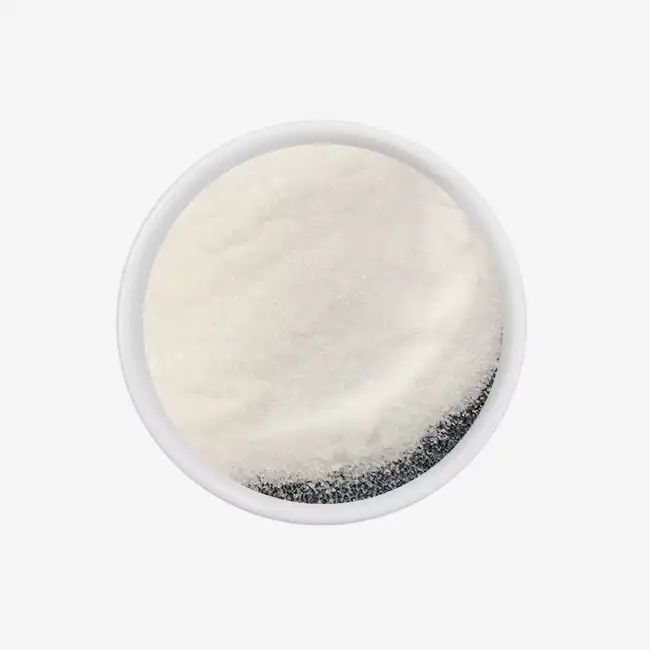
When looking at different drilling fluid additives for oilfield use, oilfield solid potassium acetate comes out as being the best option. It is better than other options like potassium chloride and sodium-based inhibitors. This white, solid substance (CH3COOK, CAS 127-08-2) stabilizes shale well with potassium ions instead of the harmful chloride anions that are found in most salts. Chloride-based lubricants speed up the breakdown of equipment and make it harder to get rid of them in the environment. Potassium acetate, on the other hand, works well and breaks down naturally, and it requires much less chemical oxygen in waste streams. Because it can be used as both a shale inhibitor and a component of finishing brine, it is very useful for complicated drilling operations that need to keep the wellbore stable while causing as little damage as possible to the rock.
Understanding Potassium Acetate in Oilfield Applications
Because of how it works chemically, potassium acetate is perfect for tough downhole conditions where regular additives don't always work.
Molecular Characteristics and Functional Advantages
The molecular structure of potassium acetate has specific practical perks that help with core drilling problems. The chemical dissolves easily in water, acid, and alcohol. At room temperature, it dissolves completely in minutes. This quick dissolving makes sure that the additives are evenly spread throughout the drilling fluids, preventing the spikes and changes in concentration that happen with additives that aren't as easily dissolved. The acetate anion (CH3COO-) works well as a buffer, keeping the pH level fixed between 7.5 and 9.0 even when cutting through acidic rock or running into carbon dioxide buildup. This ability to buffer keeps downhole tools from rusting because of changes in pH and keeps polymer viscosifiers like xanthan gum and polyanionic cellulose working.
Environmental Profile and Biodegradability
Environmental protection is now a must for all drilling activities, especially those that happen abroad or in places that are sensitive to the environment. Potassium acetate is very biodegradable; under normal test settings, it breaks down aerobically at rates higher than 90% in 28 days. This is very different from manufactured polymers and some organosilicon chemicals, which stay in water and dirt for a long time. Acetate-based fluids have less of an effect on received waters during release operations because they need less biological oxygen. Regulatory bodies in North America and Europe are favoring acetate formulations more and more because they are less harmful to aquatic life. LC50 values for marine species usually exceed 1,000 mg/L.
Safety Guidelines and Handling Protocols
Throughout the supply chain, proper handling methods protect workers and keep products safe. Because solid potassium acetate absorbs water, it needs to be kept in dry, well-ventilated stores where the relative humidity is below 60%. We suggest using sealed 25 kg multi-ply plastic woven bags or 1,000 kg giant bags with layers that won't let water in. During transport, pallets should be kept out of direct sunlight and rain, and the temperature should be controlled so that mist doesn't form. Dust collection systems should be built into on-site mixing stations to keep flying particles to a minimum during transfer operations. Even though potassium acetate is not very dangerous, normal safety gear like safety glasses, chemical-resistant gloves, and dust masks should be worn when handling it.
Comparing Potassium Acetate to Other Common Drilling Fluid Additives
Knowing how different adding options work lets you make smart purchasing choices that improve both the technical results and the project's cost-effectiveness.
Performance Against Potassium Chloride
Since the 1970s, potassium chloride has been the usual shale inhibitor, but its flaws become clear in difficult situations. Both chemicals give clay surfaces potassium cations instead of sodium ions, which stops the clay from getting wet and swelling. The main change is in the negatively charged parts of them. Chloride ions speed up pitting corrosion on carbon steel tubulars and aluminum drill pipe, which means that expensive corrosion inhibitor kits are needed, which makes fluid mixtures more complicated. Field data from operations in the North Sea show that acetate-based systems make downhole equipment last 30 to 40 percent longer than chloride versions. The chloride ion doesn't change the density of the fluid either. On the other hand, the higher molecular weight of acetate makes it possible to make heavier brines without using solid measuring agents that could damage the formation.
Advantages Over Sodium Acetate
The acetate anion is good for you, and sodium acetate gives you sodium cations instead of potassium ones. This difference is very important in shale-rich rocks, where potassium's bigger ionic radius makes clay platelet stabilization better. At the same molar amounts, lab tests show that oilfield solid potassium acetate is 25–35% more successful than sodium acetate at stopping the spread of shale. Because the potassium ion sticks to clay exchange sites more strongly, lower treatment amounts are needed to get the desired level of blockage. This means that less chemical is used overall. Sodium-based systems are also harder to work with in wells that are hotter than 150°C, because the sodium clays become unstable and more likely to stick together.
Solid Versus Liquid Formulations
Whether to use solid or liquid potassium acetate depends on how it will be stored and how it will be used. Solid versions get rid of the water weight, which cuts the cost of shipping long distances to rural drilling sites by 40 to 50 percent. One truckload of solid product can carry the same amount of active ingredient as almost two trucks of liquid product, which makes shipping more efficient. Having solid forms also makes customs paperwork easier and keeps you from having to deal with the special handling needs that come with transporting liquid chemicals. Liquid versions are easier to use at rig sites where mixing isn't possible, but they need to be stored at a controlled temperature in cold places to keep them from freezing. We make both solid and liquid forms to meet the needs of a wide range of customers. Our solid form is ≥99.0% pure, and our liquid form is set at 60% by weight.
Cost-Effectiveness and High-Temperature Durability
In economic research, unit price is not enough; the whole system's costs must also be taken into account. Although potassium acetate costs more per kilogram than potassium chloride, projects that use it save 15-20% over their lifetimes because they don't need to use corrosion inhibitors, have to repair equipment less often, and pay less to get rid of trash. Many manmade polymers break down at high temperatures and pressures up to 200°C, but this substance stays chemically stable and works properly. This thermal resilience is very important in deep wells and geothermal digging, where high temperatures make it hard for regular additives to work. The acetate molecule doesn't break down when heated above 180°C like formate salts do. This means that the fluid properties stay the same during long drilling missions.
Procurement Insights: Sourcing Quality Solid Potassium Acetate
Because strategic choices about buying have a direct effect on operational efficiency, evaluating suppliers is an important part of preparing a project.
Supplier Certifications and Manufacturing Standards
Certifications for the maker and the production system are the first steps in quality assurance. Shanxi Zhaoyi Chemical has ISO 9001 quality management certification, ISO 14001 environmental management certification, and ISO 45001 workplace health and safety certification. This shows that they take an organized approach to making sure their products are consistent and protecting their stakeholders. Our KOSHER and HALAL certificates are mostly for food-grade uses, but they also show that we follow strict rules to keep our products from getting contaminated, which is good for oilfield products. For each production batch, buyers should ask for a proof of analysis document that checks factors like purity, moisture content, pH, heavy metal levels, and insoluble matter. Validation by a third-party laboratory gives more trust in the standards, especially for operators who have to follow strict rules set by regulators.
Pricing Trends and Minimum Order Quantities
The way the market for acetate goods changes depends on the cost of raw materials, how well production capacity is used, and how supply and demand are balanced in each area. The price of potassium acetate is closely linked to the costs of acetic acid and potassium carbonate, which change depending on the petrochemical market and the economics of material mining. When you buy in bulk, you can usually get savings. For truck shipments, the discounts start at 20 tons, and for specific production runs, they start at 100 tons. With a yearly production capacity of 150,000 tons across all of our oilfield solid potassium acetate product lines, we can guarantee a steady supply even during times of high demand. Long-term supply deals with quarterly volume commitments can often get you better prices and make sure that you have product for drilling efforts that last for years.
Lead Times and Logistics Management
Project timelines need to be carefully watched when planning production and shipping. Standard orders from stock are shipped within 5 to 7 business days of proof of payment. Delivery times vary by location and mode of transport. Lead times may be longer by 10 to 14 days if you need custom recipes or special packages to allow for production setup and quality testing. When shipping chemicals internationally by container, you need to work with freight forwarders who know the rules about proper labeling, paperwork, and booking a ship. Our transportation team helps customers set up shipping, clear customs, and keep track of their packages from the plant gate to the job site. Strategically placing inventory at regional shipping hubs can cut down on the time it takes to get an emergency order for customers whose drilling plans are hard to predict.
How to Choose the Optimal Drilling Fluid Additive for Your Project?
Systematic evaluation frameworks help match traits that add value to specific operating needs and limits.
Project-Specific Parameters Assessment
Wellbore conditions decide which additives to use because they affect how stable the chemicals are and how well they work. Thermal degradation risks are based on the temperature patterns throughout the drilling gap. For temperatures above 150°C, acetate-based systems work best, while chloride salts need pricey stabilization packages. Formation mineralogy research finds the amount of reacting clay, which tells us how much inhibitor we need and lets us guess what might happen with swelling. Different pressure levels have different needs for fluid density. For high-pressure areas, oilfield solid potassium acetate makes it possible for solids-free brines to have a specific gravity of up to 1.57. In places that care about the climate, rules that limit the amount of chlorides, heavy metals, and organic matter that can be released into the water are making acetate formulas more popular. The chemistry of the water where the drilling is happening affects compatibility. For example, high-hardness streams may need to be treated first before certain additives can be added.
Performance-Cost-Environment Evaluation Matrix
When making decisions, it's important to make sure that technical skills are balanced with economic facts and commitments to sustainability. We suggest scoring possible additives across multiple dimensions: shale inhibition efficiency, corrosion protection, thermal stability, environmental toxicity, biodegradability, logistics complexity, total system cost, and regulatory compliance. Weighting factors should represent the goals of the project. For example, performance may be more important in frontier research, while cost management may be more important in mature field growth. Potassium acetate regularly scores high on environmental metrics while also providing strong technical performance. This makes it perfect for operators who need to balance operational excellence with meeting the sustainability goals of their companies. Life cycle assessment tools measure the environmental impact of everything from making something to throwing it away. This makes it easier to report to regulators and stakeholders.
Customization and Blending Strategies
Customized chemical kits that are made to solve specific formation problems often work best for well profiles that are very complicated. Potassium acetate is a great base ingredient for mixed systems. It works well with additives that work well with it to achieve multiple goals at once. Mixing acetate with formate salts makes brines with higher densities that can be used in high-pressure situations while still keeping the corrosion-fighting properties of acetate. Adding glycol or glycerol improves low-temperature performance for Arctic digging beyond the -60°C freeze protection that acetate already has. Adding polymers improves viscosity and stops fluid loss without affecting acetate's ability to stop rock formation. Our technical team works with customers to create blends that are best for their needs. These mixes are tested in the lab and in the field to make sure they work before they are used on a large scale.
Conclusion
To choose the right drilling fluid chemicals, you need to look at a lot of technical performance, environmental compliance, and cost factors. Compared to standard chloride-based systems, oilfield solid potassium acetate is better at stopping shale formation, protecting against rust, and keeping its shape at high temperatures. Because it breaks down naturally and is less harmful to water, it meets the needs of stricter environmental rules while still working well. The solid version has big transportation benefits because it makes shipping lighter and handling easier. Buying in a smart way from certified makers with tested quality systems makes sure that the products work the same way in all drilling efforts. For forward-thinking oilfield workers, potassium acetate is the best additive for projects that need solid wellbore stability, equipment safety, and environmental responsibility.
FAQ
What advantages does solid potassium acetate offer over potassium chloride?
Solid potassium acetate gets rid of the acidic chloride anion, which makes tools last 30–40% longer and stops shale just as well or better. Compared to persistent chloride salts, the biodegradable acetate part is better for the earth and makes it easier to get rid of trash.
How does potassium acetate perform in high-temperature wells?
The substance stays chemically stable and works properly up to 200°C, which is higher than the temperature at which many other additives break down. In geothermal and deep digging uses where temperature changes can be a problem, this makes it perfect.
What concentration levels are recommended for different applications?
Shale suppression usually needs amounts of 3 to 8 percent by weight, while completion brines need 25 to 50 percent, depending on how dense the fluid needs to be. Different suggestions are made depending on the minerals in the rock, the temperature patterns, and the pressure needs.
What storage precautions are necessary?
Keep in dry, well-ventilated storage with relative humidity below 60% in packages that are tightly sealed. Keep items out of direct sunlight and water while they are being shipped, and switch out stock based on when it was made to avoid hygroscopic caking.
Partner with Zhaoyi Chemical for Your Drilling Fluid Success
Zhaoyi Chemical has been making acetate for more than 30 years and can help the oil and gas business around the world. Our production sites are ISO-certified and can hold 150,000 tons of oilfield solid potassium acetate every year. As a dedicated oilfield solid potassium acetate supplier, we make sure that large-scale drilling operations have a stable bulk supply. Our expert team is here to help you with everything, from choosing the right product to putting it into action in the field. They are available 24/7 for consultations and quick responses. We provide free sample programs that you can try out before you decide to commit. We also provide full technical paperwork such as safety data sheets and application guides, as well as flexible purchasing terms that can be tailored to the needs of each project. Get in touch with our staff at sxzy@sxzhaoyi.com to talk about how our quality potassium acetate can help your drilling fluid work better while also helping you meet your environmental goals.
References
1. Caenn, R., Darley, H.C.H., and Gray, G.R. (2017). Composition and Properties of Drilling and Completion Fluids, 7th Edition. Gulf Professional Publishing.
2. Mitchell, R.F. and Miska, S.Z. (2011). Fundamentals of Drilling Engineering. Society of Petroleum Engineers.
3. Downs, J.D. (2006). Drilling Fluids Technology: Performance and Environmental Considerations, SPE Paper 103732. Society of Petroleum Engineers Annual Technical Conference.
4. Growcock, F.B. and Patel, A.D. (2011). The Revolution in Non-Aqueous Drilling Fluids. American Association of Drilling Engineers Technical Publication.
5. Van Oort, E. (2003). On the Physical and Chemical Stability of Shales. Journal of Petroleum Science and Engineering, Volume 38, Issues 3-4, Pages 213-235.
6. Howard, S.K. and Kaminski, L. (1995). Formate Brines for Drilling and Completion: State of the Art. SPE Paper 30498. European Formation Damage Conference, The Hague.

USER EVALUATE
Here is the customer's evaluation of us