



How to Store and Handle Solid Potassium Acetate Safely?
Controlling wetness, making sure there is enough air flow, and keeping contamination from getting in are all important parts of safely storing and handling industrial solid potassium acetate. This white crystalline product (CH3COOK) is hygroscopic, which means it needs to be sealed in multi-layer plastic woven bags, kept in buildings with humidity controls below 50%, and kept away from substances that aren't compatible. The right procedures keep people and the purity of the product safe while keeping the chemical's great stability and performance in de-icing, drilling fluid, and chemical synthesis uses.
Understanding Industrial Solid Potassium Acetate
Chemical Properties and Physical Characteristics
It is a white solid substance with a molecular weight of 98.14 g/mol and is known as potassium acetate (CAS NO. 127-08-2). The substance is very soluble—about 253 grams dissolve in 100 milliliters of water at 20°C—which makes it easy to make liquids with a high concentration for use in the field. This acetate salt is stable at temperatures up to 292°C, which means it can be used in processes that need to be done at high temps.
The most important thing to know about dealing this stuff is that it is flammable. Unlike chemicals that don't absorb water, industrial solid potassium acetate actively does so, changing from crystals that flow freely to masses that stick together when exposed to humidity above 50%. Because of this trait, strict rules for keeping wetness out are needed all along the supply chain.
Industrial Applications Across Sectors
Potassium acetate has a eutectic point of -60°C, which makes it useful for de-icing at airports and on bridge decks. It protects against freezes reliably and doesn't corrode metal alloys or composite materials used in modern airplanes and infrastructure. The low biological oxygen demand (BOD) of the substance makes it less harmful to aquatic environments than chloride-based options.

Potassium acetate is used in high-performance water-based muds for oil and gas drilling. Potassium ions move between the crystal structures of the clay and stop the shale from growing and the wellbore from becoming unstable. For this use, the consistency of purity levels is important—chloride levels must be below 500 ppm and iron impurities must be below 10 ppm—to keep the desired rheological qualities and avoid damage to the formation.
Safety Data Sheet Highlights
Potassium acetate is used as a buffering agent and a catalyst in chemical manufacturing. Its normal to slightly acidic pH range (7.5 to 9.0 in a 5% solution) makes it useful for making polyurethane and textiles, where careful pH control stops unwanted side effects.
When people are exposed to potassium acetate dust at work, it can irritate their eyes and nose. The compound doesn't have any acute toxicity ratings according to GHS guidelines, but sensitive people may get mild dermatitis from prolonged contact with concentrated solutions. As part of safety rules, the creation of dust should be considered when opening bags, moving things, and dry mixing.
Regulatory Framework and Compliance
There is no risk of fire with this material, and it stays safe when stored normally. There are, however, compatibility issues to think about. Strong oxidizing agents and some acids may react with acetate molecules. Proper segregation in warehouse plans keeps materials that don't go together from coming into touch with each other by accident.
In the US, OSHA rules say that potassium acetate is a nuisance dust with limits on how much people should be exposed to it. Facilities that handle more than the minimum planning amounts must keep Safety Data Sheets available to all staff and set up danger communication programs that are in line with 29 CFR 1910.1200.
Under the Clean Water Act, environmental rules set limits on how much acetate chemicals can be released into the environment. Best management practices should be used by businesses that use potassium acetate in uses that are likely to flow, like de-icing, to keep environmental loads to a minimum. European markets need REACH registration, which means that imported products need to have supply chain paperwork.
Common Storage Challenges and Solutions for Solid Potassium Acetate
Moisture-Related Degradation
When exposed to humidity, industrial solid potassium acetate crystals that are free to move become consolidated masses that are hard to dissolve and make measuring systems more difficult to use. Facilities near the coast or in places with a lot of humidity have lost a lot of product when normal packing doesn't work. When relative humidity goes above 50%, the deliquescent process starts, and it speeds up when relative humidity goes above 65%.
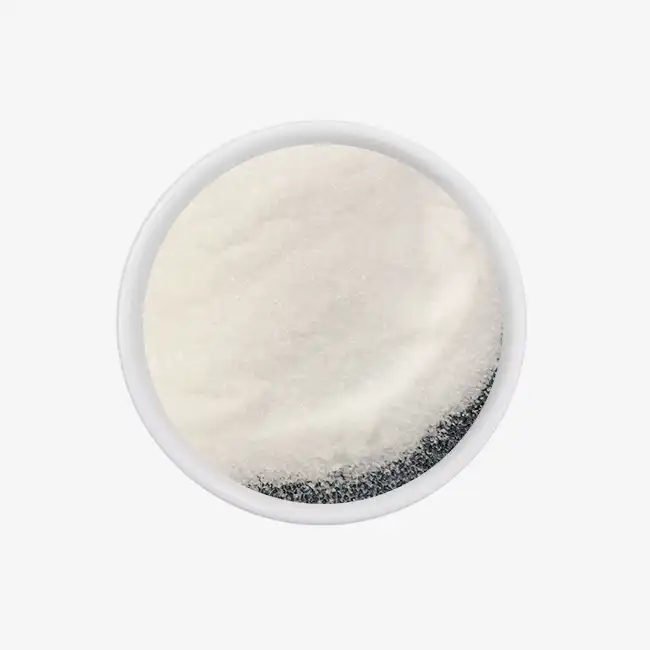
Changes in temperature make moisture problems worse. As the temperature changes throughout the day, condensation cycles happen in warehouses that don't have climate control. Products kept against outside walls or near loading docks are especially at risk of being damaged. Before putting in place climate-controlled storage rules, a wastewater treatment plant on the Gulf Coast lost 15% of its stock every year.
Contamination Risks and Prevention
When storage places are not properly separated, cross-contamination can happen. Chloride salts are a big problem in a lot of industrial areas because even small amounts of chloride can make potassium acetate less effective at stopping rust in de-icing situations. Foreign matter that doesn't meet pharmaceutical-grade standards can be introduced by airborne particles from nearby grinding or packing processes.
Failures in the structure of the packaging let contaminants and water in. Bags that get broken while being shipped or handled in the office create points of exposure. We suggest putting in place incoming checking processes that find damaged packaging before the materials are put into stock. Having separate storage places with higher air pressure than the rest of the area lowers the risk of airborne contamination.
Optimal Storage Environment Specifications
Temperatures between 15°C and 25°C and controlled buildings with 40–50% relative humidity are the best places to store potassium acetate for a long time. Enough air flow keeps moisture from building up and keeps dust from getting too concentrated while touching things. Ground wetness can't get into storage areas through concrete floors that have moisture guards installed.
Pallet racking systems keep goods off the floor, which keeps them safe from water damage caused by cleaning or roof leaks. Limiting stack heights to what the maker suggests—usually 5 to 7 bags high for 25 kg packages—keeps lower layers from getting damaged by compression. Rotation methods that are based on lot numbers make sure that older stock goes through the system before retest dates.
Packaging Solutions That Preserve Quality
Strong moisture shields are built into multi-layer plastic weave bags with polyethylene inner liners for industrial-grade potassium acetate. The normal 25 kg form strikes a good mix between ease of handling and inventory freedom. The 1000 kg bulk bags, on the other hand, are best for high-volume operations that use motorized handling equipment. Heat-sealed seals are better than sewn seams at keeping moisture out.
When suppliers add extra safety steps like vacuum-sealed inner bags or desiccant, the shelf life of goods in difficult storage conditions is extended. As part of Zhaoyi Chemical's packing standards, we test packages by dropping them and applying pressure to make sure they stay intact throughout the delivery chain. Each package comes with batch-specific paperwork that makes it possible to track and check the quality.
Best Practices for Safe Handling of Solid Potassium Acetate
Personal Protective Equipment Requirements
When handling tasks create noticeable dust clouds, you need to wear respiratory protection. N95 respirators that have been cleared by NIOSH are good for blocking out annoying dust when opening and moving bags. When bulk bags are dumped into hoppers, engineering controls like local exhaust airflow are needed to keep airborne amounts as low as possible.
Chemical-resistant gloves made of nitrile or neoprene keep your hands from touching your skin for long periods of time while you're handling industrial solid potassium acetate by hand. Potassium acetate doesn't pose a serious risk to the skin, but wearing gloves can help prevent minor itching and keep things clean in food-grade or pharmacy settings. Safety glasses with side covers protect your eyes from flying particles that could irritate them.
Wearing protective clothes that fits the job—usually long-sleeved shirts and full-length pants—also helps keep you from getting too exposed. Facilities should set aside areas for putting on and taking off PPE, making it clear where the clean areas end and the possibly dirty areas begin.
Handling Tools and Contamination Control
When moving potassium acetate from bulk bins to process equipment, tools and transfer containers made of stainless steel or polymer keep the reactive contamination from happening. Cross-contamination with other chemicals in the same building is prevented by tools that are only used for handling acetate. Color-coding methods make it easy to see which tools go with which tasks.
Particulates are collected at the source by drum dumpers and bag dump stations that are equipped with dust collection systems. Personal safety equipment alone is not as effective as these designed controls. HEPA filters should be used in vacuum systems to keep dust from returning to the workplace.
Placed under transfer points, spill containment trays catch any unexpected escapes. This keeps the floor from getting dirty, which can be dangerous for slips and make cleaning harder. Quick-access cleanup kits with the right PPE, collection tools, and trash bags make it easy to deal with small problems right away.
Automation for Large-Scale Operations
In high-volume sites, safety features are changed by bulk bag unloading systems that collect dust as well. These systems move and lift bulk bags automatically, so you don't have to move the materials by hand. Dust is kept in protected release zones. With pneumatic conveying, materials are moved straight to process tanks, protecting workers from getting contaminated.
Automated mixing systems with load cells make sure that the weights are correct while limiting the amount of time that people are exposed to chemical materials. When these systems are connected to building management software, they can track inventory in real time and start the reordering process when certain amounts of stock are reached. The initial investment in technology pays off over time through lower labor costs and higher safety standards.
Emergency Response Procedures
Procedures for responding to spills should cover both small releases (like when a single bag fails) and bigger ones (like when a bulk bag breaks or a storage rack falls over). For small spills, it's better to sweep or vacuum the stuff into trash cans instead of using water to clean up, which makes the area wet and speeds up the breakdown of the stuff. Larger spills may need professional cleanup services, especially in places that don't have the right control equipment.
Eye wash stations and safety showers that are less than 10 seconds' walk from working areas are very important for responding quickly to unexpected exposures. Testing once a month makes sure everything is working right and helps people get used to where things are kept. In handling areas, emergency contact information should be put in a clear place. This should include the phone numbers for the poison control center and the building safety supervisor.
Every year, training classes for employees go over the right way to do things and let staff know about any changes to the rules. Hands-on drills with fake situations help build muscle memory and confidence, which leads to good reactions in real life. Documentation of training involvement helps with legal compliance and shows who needs to go to refresher classes.
Procurement and Supplier Considerations for Industrial Solid Potassium Acetate
Packaging and Shipping Methods
Standard 25 kg plastic woven bags are good for regional distribution and low consumption rates. A standard box holds 40 bags, or 1000 kg, and is shrink-wrapped to keep them stable during shipping. Bulk bags that hold between 500 kg and 1000 kg make logistics easier for people who buy a lot, because they cut down on packing waste and the amount of work that needs to be done at receiving sites.
When sending goods internationally, 20-foot containers are used, which can hold about 20 metric tons of bagged goods. When goods are shipped by water, where humidity and temperature changes can be problematic, they need to be protected with the right dunnage and materials that absorb moisture. Reliable industrial solid potassium acetate providers oversee the loading of containers, keep records on the quality of the packaging, and use moisture barriers that can withstand transportation times of up to one month.
Certification and Quality Assurance
When it's hot and humid outside, climate-controlled vans are helpful for domestic truck shipping. When compared to the costs of product decline, the extra cost of shipping turns out to be a good deal. The schedule for deliveries should take into account what the receiving facility can do. Working together with warehouse managers to make sure there are enough people and tools to empty quickly and avoid expensive driver holding fees is one way to do this.
If a supplier has ISO 9001 certification, it means they have written quality control systems and that compliance is checked by a third party on a frequent basis. This certification gives consumers confidence that the methods used to make goods always meet certain standards. Getting ISO 14001 environmental certification shows that you are committed to sustainable practices, which are becoming more important as companies' purchasing strategies focus on environmental, social, and government factors.
With KOSHER and HALAL approvals, a product can be used in food-grade settings to serve a wide range of customers. These religious certifications require that the building and processes be inspected and reviewed by qualified authorities. This gives the certifications more believability than standard food-grade requirements. Depending on the market where the drugs will be used, pharmaceutical applications may need to be registered with the FDA or adhere to the European Pharmacopoeia.
Supply Chain Reliability Factors
Ask for Certificates of Analysis (COA) with every package and check the results against the requirements of the buy order. Reliable providers give paperwork for each batch that shows the test results for purity, moisture content, pH, and important impurities. This paperwork backs up your quality assurance records and lets you act quickly if problems arise with the product's performance while it's being used.
When making plans for production schedules or getting ready for regular demand spikes in de-icing uses, lead time consistency is very important. Suppliers who have specific production capacity for potassium acetate are more likely to be able to meet your shipping needs than those who do campaign-style batch manufacturing. Like Zhaoyi Chemical's operation, production sites that can make 150,000 tons of goods a year keep extra stock on hand in case demand goes up unexpectedly without breaking supply promises to current customers.
Technical Support and Customer Service
Being close to your business cuts down on transportation time and costs and makes it easier to coordinate tasks. But the supplier's financial security and professional skills often matter more than where the business is located. A faraway provider with a history of dependability and technical support services is often a better overall deal than nearby options that don't have these features.
Set up ties with several qualified providers to lower the risk of supply disruptions caused by things like natural disasters, production problems, or poor quality. Dual-source strategies find a balance between security and the work that comes with handling ties with multiple vendors. Many people who work in buying keep 70/30 volume splits between their primary and secondary providers. This makes sure that the backup source stays familiar with your needs.
Technical support that is quick to respond can help you fix problems with applications, make handling processes more efficient, and adjust to changing business needs. When problems happen outside of normal business hours, suppliers who give expert support 24 hours a day, seven days a week are very helpful. Instead of general customer service reps reading from a script, look for companies with specific technical service teams made up of people who know a lot about chemical engineering or applications.
Customization lets you make solutions that are specifically designed for your needs, like custom package sizes, changed granulation standards, or mixed formulations that meet specific performance requirements. When suppliers buy pilot-scale testing equipment, they can make sure that suggested changes will work before committing to full production runs. This lowers the risk of trying out new uses.
Being able to get samples makes approval testing easier before making big promises. Giving free samples for the first review shows that the seller trusts the quality of the product and lets your team check how well it works in real-world situations. Once the tests go well, the sample costs for the next round of tests are a good investment when you think about how much the decisions about buying will cost.
Conclusion
Industrial solid potassium acetate needs to be stored and handled safely so that workers are safe, product quality is maintained, and processes run smoothly in a wide range of industry settings. Because the chemical absorbs water, it needs to be kept in a dry setting and packaged properly. It also needs careful stock management. Personal safety equipment and designed dust controls keep workers from being exposed to too much dust during handling tasks.
Knowing the differences between types of acetate and product grades helps you choose the right material for the job. Operations are set up for long-term success by procurement choices that balance the need for certifications, the reliability of the supply chain, and access to expert support. The guidelines in this guide are based on years of industry experience and government rules. They provide useful models that can be used in a variety of working settings and at different sizes.
FAQ
What temperature and humidity conditions optimize potassium acetate storage?
Keep the temperature and humidity in the building between 15°C and 25°C and below 50% to keep things from absorbing water and sticking together. Stable temperatures are just as important as exact values, since changes in temperatures cause condensation cycles that speed up deterioration. The costs of running climate-controlled facilities are justified by the longer shelf life of goods and lower rate of inventory loss compared to storage conditions in wet climates.
How can we minimize health risks when handling potassium acetate regularly?
Use technical controls, such as local exhaust air, at transfer places where dust is being made, instead of just wearing PPE. Give them N95 respirators for dust that they can see, rubber gloves to protect their skin, and safety glasses to keep their eyes from getting mechanically irritated. Set up cleanliness rules, like washing your hands before breaks, and make sure there are marked places for eating so that dust residues don't get eaten by accident.
Why do certifications matter when selecting potassium acetate suppliers?
With ISO 9001 certification, written methods and regular checks make sure that the quality of the products is always the same. Applications that are meant to be used with food need to be certified as KOSHER or HALAL to show that they follow religious dietary rules. These qualifications show that the seller is committed to quality systems that provide reliable product performance, accurate documentation, and traceable batch records that help you meet legal requirements and meet customer quality standards.
Partner With Zhaoyi Chemical for Your Industrial Solid Potassium Acetate Supply
Zhaoyi Chemical has been making acetate for more than 35 years and can help you with your operating problems. Our industrial solid potassium acetate supplier can produce up to 150,000 tons per year, and we can get it to you in 5 to 7 days, which is good for just-in-time inventory plans. Our strict quality standards include at least 99.0% clarity, salt levels below 0.2%, and iron impurities below 0.05%. These standards are backed by ISO 9001, ISO 14001, KOSHER, and HALAL certifications.
When there are problems with de-icing, drilling fluid formulation, or chemical synthesis, technical support teams help with the applications. Our choices for moisture-proof packing include normal 25 kg bags and 1000 kg bulk bags with heat-sealed inner liners that keep the integrity of the product during shipping around the world. You can email our team at sxzy@sxzhaoyi.com or go to zhaoyichemical.com to get samples of our products, full technical datasheets, and personalized quotes that take into account your unique needs for handling, storage, and performance.
References
1. Industrial Chemical Storage Guidelines, National Fire Protection Association (NFPA), Standard 430: Code for the Storage of Liquid and Solid Oxidizers, 2019 Edition.
2. Occupational Safety and Health Administration, OSHA Technical Manual (OTM), Section II: Chapter 1 - Chemical Hazards and Toxicology, U.S. Department of Labor, 2021.
3. American Society for Testing and Materials, ASTM D1193-06: Standard Specification for Reagent Water, Annual Book of ASTM Standards, Volume 11.01, 2018.
4. Environmental Protection Agency, Clean Water Act Section 311 - Oil and Hazardous Substance Liability, Code of Federal Regulations Title 40, Part 110-117, 2020.
5. European Chemicals Agency, Guidance on Requirements for Substances in Articles, REACH Regulation (EC) No 1907/2006, Version 4.0, Helsinki, Finland, 2017.
6. Society of Automotive Engineers International, SAE AMS1435: Fluid, Generic, Deicing/Anti-icing, Runways and Taxiways, Aerospace Material Specification, Revision C, 2016.

USER EVALUATE
Here is the customer's evaluation of us