



Corrosion Control Using Potassium Acetate in Oilfields
One of the most important things that people who work in the mines have to do right now is keep rust under control. When drilling and downhole tools break down because of acidic conditions, it's not just the material that breaks; production plans, worker safety, and earnings are all at risk. Oilfield solid potassium acetate from the oil field is now a great way to keep rust under control in operations further upstream. This clear, white material (CH₃COOK) adds the potassium ions that shale needs to stay stable without adding chloride anions, which are more likely to make metal rust faster. For drillers who care about the environment and their tools, this is the best choice because it breaks down naturally and works so well with water-based mud systems.
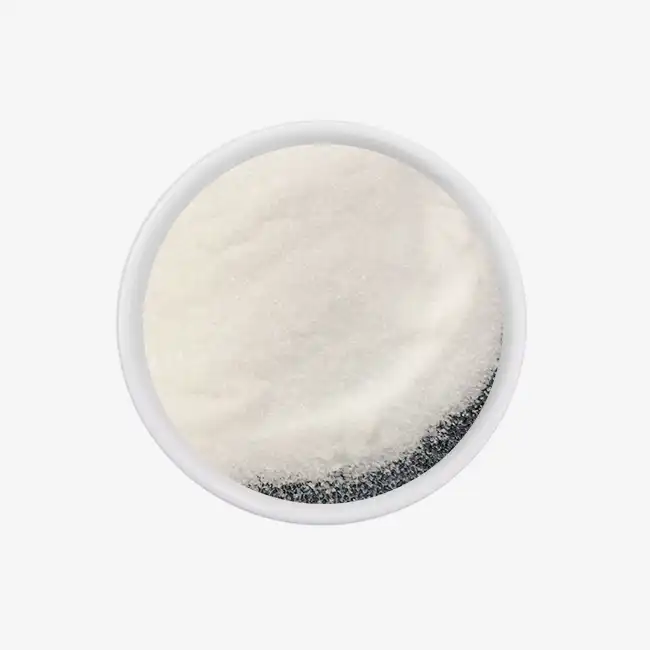
Understanding Corrosion in Oilfields and the Role of Potassium Acetate
A lot of acidic substances are always trying to hurt work tools in the oilfield. There is a place where metal surfaces always rust and break down because of high temperatures, water, liquid salts, hydrogen sulfide, and carbon dioxide. It is common for drill lines, casing strings, and downhole tools to break down faster than planned. This can cost a lot of money and lead to unplanned shutdowns.
In regular drilling fluids, you can often find chloride-based salts like potassium chloride or sodium chloride. The chemicals give the material the mass it needs and keep clay from sticking to it. However, the chloride ions make it rust faster, especially when oxygen is released and the environment is acidic.
How Potassium Acetate Protects Metal Surfaces
One thing that makes potassium acetate work is that it is not like other elements. The acetate anion (CH₃COO⁻) doesn't hurt things as much as chlorides do. It makes the chemicals less sharp when mixed with drilling fluids, which greatly slows down the rusting process on steel surfaces. Because of how its molecules are arranged, acetate can lay down protective layers on metal surfaces that keep things that are bad for metal from getting through.
It is easy for this organic salt to mix with water, acids, and alcohols, so it can be added quickly to many fluid systems. They can add it to complicated drilling mud mixes without changing the viscosity or polymer ingredients like xanthan gum or polyanionic cellulose because it works with them.
Chemical Stability in Demanding Environments
Extreme temperatures and pressures, like those above 150°C and 15,000 psi, are used in drilling. It is very important to be safe with science when this happens. Some organic corrosion inhibitors break down or stop working at high temperatures. Potassium acetate, on the other hand, keeps its shape and its ability to stop rust at a lot of different temperatures. The well will be safe from the beginning of the digging session until the end because it can handle high temperatures.
Benefits and Performance of Solid Potassium Acetate in Oilfield Corrosion Control
They are better for business, the environment, and the economy when you use oilfield solid potassium acetate. Buyers should think about these strong benefits as they look at different ways to stop rust:
- Superior Environmental Profile: It's better for the earth because potassium acetate breaks down quickly in water and dirt, while chloride salts don't. This feature comes in very handy for activities that happen at sea or in dig sites that care about the environment and have strict rules about how much salt can be let out. It is faster and cheaper to get rid of trash because the molecule has low biological oxygen demand (BOD) and chemical oxygen demand (COD) in waste streams.
- Extended Equipment Lifespan: The useful life of drill strings, tubing, and output tubes is shortened by rust, which causes stress corrosion cracks, pitting, and metal loss in general. By slowing down these degrading processes, acetate-based fluids greatly extend the time between repairs of parts. They say that when drilling companies switch from chloride to acetate systems, the number of broken tools goes down and inspection rounds last longer.
- Enhanced Shale Inhibition: The potassium ions that this material gives off do a great job of keeping shale stable and stopping weathering at the same time. Reactive clay shapes that grow when they touch water stay steady when they are in fluids that are high in potassium. Its two functions—preventing rust and keeping the wellbore stable—work together to make drilling more productive and cut down on time spent on jobs that aren't related to drilling.
- Regulatory Compliance Advantage: The rules about digging and the environment are getting tighter, so following them is a must for businesses that want to stay competitive. Because potassium acetate is not very dangerous and breaks down on its own, operators can meet or beat government standards for released produced water, which is especially helpful in sea areas where salt limits apply.
When these things happen, running costs go down right away. The project makes more money when maintenance is done less often, machines are replaced less often, and cleanup costs less. When engineering teams switch from chloride-based corrosion control systems to acetate-based systems, they can see a clear return on their investment.
Comparing Solid and Liquid Forms of Potassium Acetate for Oilfield Use
You have to choose between the solid crystalline and liquid types of oilfield solid potassium acetate when you go to buy it. Each form has its own perks that depend on how it is used, how the transportation system works, and what the program needs.
Solid Form Advantages
Most of the time, the pure solid form is at least 99% pure, which means it has the most active chemical per unit weight. When things are stored in dry, sealed cases, they stay stable, so there are fewer problems. The cost of shipping goes down a lot because sending solids doesn't have to include the extra weight of water that comes with liquids. This could cut the cost of freight by 40–50% for moves that are far away or over long distances.
You also have more ways to make amounts when you use solid objects. Based on what's going on in the well, the people working on the rig can change how fast the fluids dissolve and how dense they end up being. This lets them make mixes that are perfect for the formation temperatures and pressures.

Liquid Form Considerations
These come in liquid form, generally with a 50–60% strength, and can be used right away without being mixed. If a rig doesn't have the right mixing tools or buckets of water, it might be easier to use liquid goods. When quick changes need to be made to the fluid, the solutions can be quickly added to the mud systems that are already in place. This saves time.
Performance Equivalency
Tests in the lab and real-life use both show that solid and liquid acetate solutions with the same amounts work just as well to stop rust when made correctly. The choice between types is not based on how well they work technically, but on how they are used, stored, and how much they cost.
The decisions made about the package show these things. When a business buys a lot of solid potassium acetate, they can get it in 1000 kg ton bags or knitted plastic bags that hold 25 kg. Liquid things usually come in IBC boxes or large trucks. They should think about how well they can receive and handle items when they describe order forms and amounts.
Selecting the Best Potassium Acetate Supplier for Oilfield Applications
Getting the right oilfield solid potassium acetate provider can have a big impact on the total cost of ownership, the reliability of the supply chain, and how often the goods come out. In the oil field, operators depend on a steady flow of materials to stick to their digging plans. When work stops, expensive tools and staff may not be used.
Certification and Quality Standards
Providers with a good name have quality control systems that meet ISO 9001 requirements. Occupational health and safety (ISO 45001) and environmental management (ISO 14001) standards show that a business is dedicated to making products in a responsible way. In some places, businesses may need special licenses like KOSHER and HALAL to run.
There's more to quality control than just getting licenses. It also includes good writing habits, tracking methods, and ways to test things in groups. Suppliers should give detailed certificates of analysis (COA) for each package. These COAs should list the levels of purity, the amount of wetness, and any small contaminants. Checking the specs of materials before adding them to drilling fluids is easy because everything is clear.
Production Capacity and Reliability
How stable a company is and how cheap their prices are depend on how big their business is. If a factory can make more than 100,000 tons of goods a year, it usually keeps enough stock on hand and can change how it works to meet sudden orders or changes in volume. Firms that have been making things for a long time show that they are reliable and skilled in their field.
Where you are in the world changes lead times and the cost of shipping. It is helpful to find sellers who are close to big shipping ports when you buy things from other countries. This is very important for companies that do business abroad and need to ship crates or large amounts of goods. Global buying teams are interested in how well Chinese manufacturers can sell their products and how fair their prices are. Some of these are well-known makers in Shanxi province.
Technical Support and Customization
The best providers don't just give you supplies; they also help you with everything. Application engineers help fix things, figure out how to give a product most efficiently, and make it better. It is helpful to know these things when moving from normal fluid systems or dealing with well situations that aren't typical.
Because of customization, sellers can change a product's features, the way it's packed, and even make their own methods to solve certain business issues. For drilling companies who want to stand out in terms of performance, being able to work with providers to improve technology gives them an edge.
Practical Guide to Procuring and Using Potassium Acetate for Corrosion Control
For a good completion, it's important to pay attention to the buying processes, handling procedures, and useful ways to integrate oilfield solid potassium acetate.
Procurement Best Practices
Make sure you know exactly what you want before you ask for quotes. Make it clear how pure the product needs to be, what kind of package you'd like, where it should be sent, and how you'd like to be paid. When you know the minimum order amount, you can get the best shipping deals. When you buy in bulk, you can often save a lot of money on each unit while still making sure you have enough for long drilling programs.
Lead times change based on where the goods come from and how big the order is. It takes about 5 to 7 working days to make and prepare a standard order, plus the time it takes to get to you. If the dig spot is far away, you might need to order ahead of time to make sure you don't run out of supplies. Having reliable providers who are easy to reach and, ideally, offer tech support 24 hours a day, seven days a week can help you avoid supply problems that come up out of the blue.
Storage and Handling Protocols
Things stay safe and good as long as they are kept in the right way. Places that are dry, well-ventilated, and away from sources of heat and moisture are the best places to store the material. The chemical is hygroscopic, which means it can rapidly take water from the air. If the package isn't strong enough, it could cause caking or a drop in quality. The risk of poisoning is lower when storage is kept away from things that don't go together, like strong oxidizers and dangerous chemicals.
Be careful not to tear or break bags and packages when you put them in and take them out. When the package is broken, the product gets wet from the air, which makes it less useful. With first-in, first-out product change, you can get rid of old stock before it goes bad.
Application Integration
It is important to plan how to add potassium acetate to drilling fluids. First, figure out how much is needed by looking at the features of the creation, the expected corrosion risk, and the desired fluid density. Depending on how bad the job is, the dose is generally between 3 and 8 percent by weight.
As you add grains slowly to mixing tanks, keep shaking to make sure that everything breaks down. While the fluid is being mixed, keep an eye on its density, viscosity, pH, and ability to filter water. With the elements that are already there, see if it works. If not, change the amounts of other parts to stay within the goal range.
It is possible to keep track of how well the rust control is working while drilling by using continuous tracking. Check the tools often, measure the rust coupons, and test the fluid's qualities. By following these rules, safety problems can be found early on and fixed before they hurt people or damage equipment.
Conclusion
It is still important to keep corrosion under control to keep oilfield equipment safe and processes running easily. There is no doubt that oilfield solid potassium acetate systems are better than chloride-based systems because they stop rust better, are better for the environment, and can fix shale. In terms of cost and ease of transport, the solid crystalline form is best for large-scale projects and digging places that are far away. You can be sure of a steady supply of materials and good application results if you choose qualified providers with a history of work, full certifications, and expert support. When buying, keeping, and putting them together, using the right methods will improve safety and lower the total cost of ownership for all drilling jobs.
FAQ
What distinguishes potassium acetate from sodium acetate in drilling applications?
Anions of acetate are found in both substances and help stop rusting. However, potassium acetate is better at stopping rock formation because it releases potassium ions. K+ ions stop clay from forming better than Na+ ions. This is why potassium acetate is better for digging wells into reactive shale rocks. The difference in molecular weight also changes how dense the fluid is and how much of it is needed.
How does potassium acetate compare to other diving salts in terms of the air?
When it comes to nature, potassium acetate breaks down much faster than chloride salts. It doesn't hurt sea life as much and makes the world need less air. These traits help people follow flow rules in places that care about the environment, especially in remote areas where salt limits are very strict.
Can potassium acetate function across different drilling fluid types?
The mix works great in many types of water-based mud systems, including those that use rainwater, saltwater, and different kinds of brine. Common balance agents, viscosifiers, and polymer fillers can still be used with it. Compatibility testing makes sure that the system will work well in a range of natural and fluid systems before it goes live.
Partner with Zhaoyi Chemical for Premium Oilfield Solid Potassium Acetate
Drilling operations demand reliable corrosion control choices backed by proven manufacturing excellence. Zhaoyi Chemical has specialized in acetate salt production since 1988, developing deep expertise in oilfield applications through more than three decades of industry service. Our manufacturing facility maintains 150,000-ton annual production capacity with rigorous quality control exceeding international standards. We hold ISO 9001, ISO 14001, ISO 45001, KOSHER, and HALAL certifications, demonstrating our commitment to quality and responsible manufacturing.
As an established oilfield solid potassium acetate supplier, we provide high-purity crystalline goods (CAS: 127-08-2) made specifically for use in drilling fluids. Our expert team can help you with all of your application needs so you can get the best rust protection and blend fluids more quickly. We can package and ship your goods on a plan that works for your business, whether you need 25 kg bags or 1000 kg ton-bags.
We want people in charge of buying things and digging to find out what makes Zhaoyi Chemical unique. Email our team at sxzy@sxzhaoyi.com for more information about the product, help with how to use it, and custom prices. We'll help you reach your rust control goals by giving you a steady supply, top-notch expert help, and quick service.
References
1. Kelland, M.A. "Production Chemicals for the Oil and Gas Industry, Second Edition." CRC Press, 2014.
2. Papavinasam, S. "Corrosion Control in the Oil and Gas Industry." Gulf Professional Publishing, 2014.
3. Caenn, R., Darley, H.C.H., and Gray, G.R. "Composition and Properties of Drilling and Completion Fluids, Seventh Edition." Gulf Professional Publishing, 2017.
4. Amani, M., Al-Jubouri, M., and Shadravan, A. "Comparative Study of Using Oil-Based Mud Versus Water-Based Mud in HPHT Fields." Advances in Petroleum Exploration and Development, Vol. 4, No. 2, 2012.
5. Jordan, M.M. and Mackay, E.J. "Impact of Produced Water Re-Injection on Scale Management in the UKCS: Forties Field." Society of Petroleum Engineers, SPE International Oilfield Scale Conference, 2004.
6. Quintero, L. "An Overview of Surfactant Applications in Drilling Fluids for the Petroleum Industry." Journal of Dispersion Science and Technology, Vol. 23, 2002.

USER EVALUATE
Here is the customer's evaluation of us