



Safety and Purity Requirements for Medical Potassium Acetate
Pharmaceutical solid potassium acetate, which is known for being very pure and meeting international pharmacopeial standards, is a very important part in modern drugs. The chemical formula for the substance with the CAS number 127-08-2 is CH₃COOK. It is used to alkalize the body and restore electrolytes in medical settings where non-chloride potassium sources are needed. Before this white, solid stuff can be used in medicine, it has to pass strict safety and cleanliness tests. They have to make sure that the things they send are at least 99.0% clean, with no more than 0.0005% heavy metals and no more than 0.01% chloride. This is done to make sure that people are safe during a lot of different medical procedures, from parenteral food to hemodialysis.
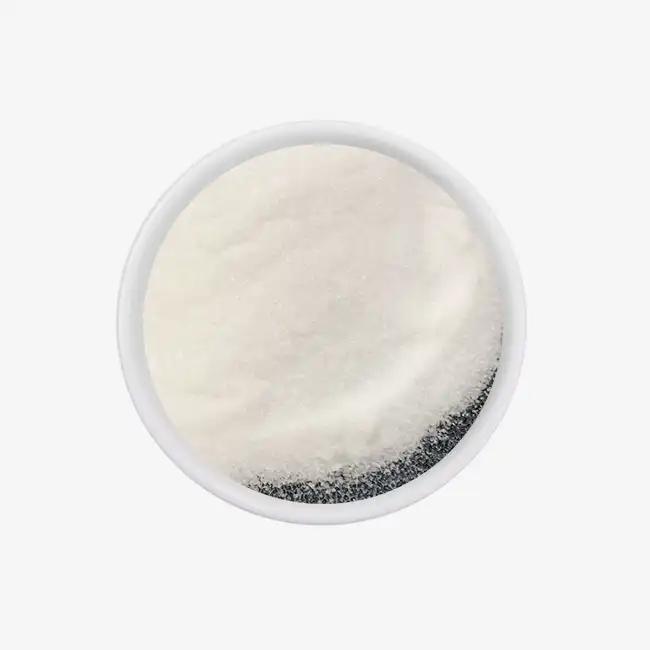
Understanding Pharmaceutical Solid Potassium Acetate
Chemical Structure and Stability
When it is turned into a medicine, the substance stays very steady because it has a simple chemical structure. This potassium form of acetic acid has a molecular weight of 98.14, and it mixes easily with water, alcohol, and acidic liquids. The solid structure doesn't break down at high temperatures during autoclave cleaning. This means that the chemicals stay together during high-temperature and high-pressure processes. If you change the pH of an antibiotic like benzylpenicillin potassium, it can break down because of the heat. This stability is very important. The ability of this acetate salt to cushion creates a safe space that extends the medicine's shelf life and keeps its usefulness.
Pharmacological Profile and Medical Applications
We need to know how this substance works in live things before it can be used in therapy. It is given to the liver, which changes it into bicarbonate. This helps treat gastric acidity by making the body more alkaline. This choice is better than potassium chloride because it fixes a lack of potassium without adding too many chloride ions, which could make hyperchloremic situations worse. Two things this substance does are replace electrolytes and keep pH in check. Because of this, it is very important in dialysis concentrates, where the exact balance of ions affects how well patients do. This part is used in injectable recipes to keep the electrical conductivity and osmotic pressure within small treatment windows.
Synthesis and Manufacturing Standards
GMP rules are used to make pharmaceutical-grade materials, which are much tighter than technical-grade materials. To make it, high-purity acetic acid and potassium hydroxide or carbonate are carefully mixed to start the buffering process. Elements like iron, aluminum, and arsenic are taken out during hardening so they don't affect how the material is used afterward. Each production batch goes through several recrystallization steps to make sure it meets the purity levels needed by USP, EP, BP, and JP monographs. So that every lot is the same, quality systems have controls that check the pH, specific gravity, and cleanliness of the water while the process is going on. Environmental controls are put in place by facilities to make sure that industrial-grade things that are made in the same areas don't get dirty.
Safety Considerations and Handling of Medical Potassium Acetate
Toxicity Parameters and Safety Profile
The material safety data sheets for this substance say that it is generally safe to handle as long as it is done the right way. You should still take some steps, though. Acute oral toxicity tests find LD50 values that are good for pharmaceutical uses. However, strong solutions can make the stomach hurt if they are not handled properly. Dust in the air during weighing could be bad for the lungs, so there needs to be enough air flow or safety gear needs to be worn. The material itself doesn't really hurt the skin, but it's best to wear gloves when working with strong treatments for a long time. It is important to wash your eyes right away because crystalline particles can hurt them. If you follow the rules for medical waste, this pharmaceutical solid potassium acetate salt doesn't really hurt the earth like other chemicals do when you throw them away.
Proper Storage Conditions
It is important to keep this solid product in a controlled environment so that it stays pure. It is important for stores to keep temperatures below 25°C and relative humidity below 40% so that wetness doesn't get absorbed and cause caking. When you store things in containers that are tightly sealed and use moisture-barrier packing, like LDPE-lined drums or aluminum-laminated bags, airborne water vapor can't get in. Cutting things off from things that don't get along, like strong oxidizers, acids, and harmful substances, stops pollution or reactions that could be harmful from happening by mistake. You can easily move things around when labels have batch numbers, production dates, and repeat dates and you follow the "first-in, first-out" rule. Care must be taken with packages that contain hygroscopic things so that the airtight locks don't break.
Safe Dosage Guidelines
There are strict rules about how to treat patients based on their acid-base balance and pH levels. What the patient's blood levels show tells the doctor how much potassium to give. That way, heart problems don't happen, they don't give more than 10 to 20 mEq per hour through an IV. The electrolyte correction treatment keeps patients safe by keeping an eye on them with regular blood chemistry screens and electrocardiography. When pharmacists make admixtures, they check to see if they can be mixed with other liquid parts. This is because some drug mixes can split or break down. People with metabolic alkalosis or diseases that are sensitive to changes in pH should think about the effect of making the body more acidic. Doctors can act quickly if a bad reaction happens because they keep track of the doses given and how the patient acted.
Comparing Potassium Acetate with Alternative Salts in Medical Use
Potassium Acetate versus Potassium Chloride
Clinicians often compare different potassium salts to each other based on factors that are unique to each patient. Potassium chloride is still the most popular way to add potassium when adding chloride is not a problem. Chloride-containing salts are bad for people with hyperchloremic metabolic acidosis. This is when acetate salts are better since they raise the pH level of the body's metabolism. Acetate costs a little more than chloride because it has to be made with stricter rules. However, the extra money is well spent because chloride can cause problems. The solubility profiles are a little different, and to keep concentration spikes from happening in certain places during preparation, the acetate forms need special ways to dissolve. When the medicine is taken by mouth, the bitter chloride salt doesn't taste as good as the sweet acetate salt.

Solid versus Liquid Formulations
How a medicine is handled, how stable it is when kept, and how accurately it is dosed depend on its shape. Solid things stay more stable on the shelf for longer amounts of time and don't break down much if they are kept dry. It's easier to make a lot of things with liquid extracts, but they need binders and vitamins, which means there are more rules to follow. When mixing solid drug forms, accurate gravimetric readings can be made, which cuts down on the volumetric mistakes that can happen when working with liquids. Things that are crystalline are easier to pack and ship than things that are water-based, so they cost less to ship. A factory that is set up to work with metals can handle larger amounts of material and keep quality control easy by only checking chemical and physical factors. This is because bacteria don't play a big role in making liquid clean.
Pharmaceutical-Grade versus Industrial-Grade Distinctions
Pharmacy materials are different from industry forms that have the same chemical formulas because they have to meet purity standards. There are some things that aren't checked for in business quality control standards that are found in pharmaceutical grades. These include heavy metals, leftover liquids, and microbial endotoxins. The amounts of aluminum, lead, and arsenic in industrial products might be low enough for gas digging or melting snow, but they are very high enough to be very dangerous when injected. When handling pharmaceuticals, the spread of particle sizes is important to make sure that particles break down quickly and can be screened. However, when handling industrial goods, a wider range of particle sizes can be used. There is a wide range in the amount of paperwork. For instance, drug sellers often offer Certificates of Analysis, stable data, and letters of regulatory compliance, but suppliers in the business don't do this very often. Experts in buying things should not assume that chemical names are the same. Instead, they should talk to sellers directly to check grade standards.
Procurement Best Practices for Pharmaceutical Solid Potassium Acetate
Supplier Evaluation and Certification Verification
Before you choose a service, you should carefully look at how qualified they are to make things and how old their quality system is. Getting GMP approval from a well-known group shows that a business is committed to meeting the quality standards for medicines. If a business has ISO 9001 recognition, it means it can handle quality control well. The fact that the company has ISO 14001 and ISO 45001 certifications shows that it cares about the environment and the safety of its workers. Food items that need to follow religious rules must have KOSHER and HALAL approval before they can be sold. When you ask to audit the company and look at it yourself, you can see that working conditions are worse than what the paperwork says. If you look at how long a seller has been working with pharmaceutical clients, you can tell how well they know what that business needs. Shanxi Zhaoyi Chemical Co., Ltd. has been around since 1988, when it first opened for business. When buying teams are looking for sources, they should look for ones that have been around for a while.
Documentation and Quality Assurance
A lot of paperwork is needed to keep the medication supply chain honest. Assay, pH, salt level, and heavy metals are just some of the things that need to be tested for in every package. The Certificate of Analysis shows the results of those tests. The Material Safety Data Sheets tell you how to safely use things and what to do if something goes wrong. Studies on stability show that a product has a shelf life when kept in the right way, which supports putting an expiration date on it. Customers can get their goods accepted for sale more quickly if their Drug Master Files are shared with regulatory bodies. Batch production records make it possible to follow the process from raw materials to finished goods. It's easier to buy things from other countries when suppliers offer paperwork in more than one language. This is because translation mistakes involving pharmaceutical solid potassium acetate that could put safety at risk are less likely to happen. In order to keep long-term supply relationships involving pharmaceutical solid potassium acetate safe, both sides need to agree on clear roles, standards, and how to handle deviations.
Balancing Cost, Quality, and Supply Continuity
When you buy something, you shouldn't just look at the unit price. Instead, you should try to lower the total cost of ownership. There needs to be a match between the minimum order amounts and the amount of room and time used to keep extra goods from going bad after their retest dates. There should be enough safety stock because known sources have lead times of 5 to 7 working days. Orders need to be organized with production plans to make sure there is enough time for lead times. You can get better service when the market is short on supplies if you negotiate deals that promise a certain amount of goods. The type of packing used has a big effect on how much it costs to ship. Ton-bags that hold 1000 kg are cheaper than weaving bags that hold 25 kg, but you need special tools to handle them. Changes in payment terms and currencies can have an effect on the total cost of landing, so planning your finances is an important part of buying. There are checks done on suppliers every year to make sure they can boost production to meet rising demand without lowering quality while the business grows.
Ensuring Compliance and Quality Control in Medical Potassium Acetate Procurement
Regulatory Framework and Standards Compliance
Global pharmacy rules set high standards for materials that are used in medicine. The US Pharmacopeia (USP) has very detailed guides that explain how to do studies, run identity tests, and set purity limits. The standards set by the European Pharmacopoeia (EP) are in line with foreign standards and also take into account the needs of the area. The British Pharmacopoeia (BP) and the Japanese Pharmacopoeia (JP) add to the discussion about what quality means around the world. The FDA's Current Good Manufacturing Practice rules say that reviews of the quality system, validation of the process, and validation of the cleaning must all be done. Because government advice is always being changed, suppliers and buyers need to keep up with the latest changes in standards. Proof of compliance goes beyond the initial approval process and includes ongoing checks through change control procedures whenever sources, ingredients, or methods change.
Purity Testing Methodologies
Complex methods are used in analytical testing to very accurately confirm the name and quality of a material. There are some chemicals that might change how well a drug works, and High-Performance Liquid Chromatography (HPLC) sorts and counts them. You can use titration to find out how much potassium and acetic acid are present, which proves stoichiometric ratios. ICP-MS, which stands for inductively coupled plasma mass spectrometry, can find heavy metals in very small amounts, down to parts per billion. This is important for making sure that IV lines are safe. Using ion chromatography or argentometric titration to test for chloride makes sure that limits are being followed to avoid hyperchloremia. You can be sure that the buffering capacity meets the needs of the recipe if you measure pH in a normal setting. Karl Fischer titration is used to find out the moisture level. This stops quality problems that happen when something absorbs too much water. Chemical impurities that change estimates of product purity are measured by residue on flame tests.
Storage and Shipping Protocols
To keep the quality of the goods throughout the whole delivery line, logistics methods need to be carefully thought out. Stops with climate control change the temperature, which could make wear and tear happen faster or let water in. It has been shown in studies on packaging proof that container-closure systems can keep hermetic seals even when the containers are being moved and the pressure or shaking changes. With shock signs and temperature data loggers, you can see for yourself how the things were treated while they were being shipped. Pharmaceuticals and industrial poisons must be kept separate in stores to avoid the chance of cross-contamination. So that stock can be changed fast, inventory management systems keep track of batch numbers and times when items go bad. Receiving inspections make sure that all the paperwork is in order, the boxes are full, and the labels are correct before they take any packages. Protocols for confinement mean that things can't be used until they pass quality control tests.
Conclusion
There are strict rules about the safety and quality of medical pharmaceutical solid potassium acetate that keep people healthy and make sure remedies work. When they judge companies based on how well they make things, keep records, and follow rules, procurement professionals have to deal with a lot of rules and laws. Pharmaceutical-grade and industrial-grade goods are not at all the same, even though they have different names. One more thing is that they are tried and tainted in different ways. Buying strategies that work well find a mix between getting good quality goods, saving money, and making sure there is a steady flow of goods. This is because companies that make medicines can't stand any loss of material quality. When supply lines work with well-known manufacturers that offer full licenses, analytical help, and open communication, they are less likely to have problems with quality or regulations.
FAQ
What purity level defines pharmaceutical-grade potassium acetate?
As a pharmaceutical grade product, it must be at least 99.0% pure and have tight limits on chloride (0.01%) and heavy metals (0.0005%). They are a lot higher than the amounts used in industrial goods, which might have contaminants that are okay for drilling or de-icing but bad for medical settings. The USP, EP, BP, and JP standards spell out exact ways to test and meet acceptance criteria. Manufacturers must follow these by using approved analysis methods.
Why does this material cake during storage?
It takes in water from the air around it because it is hygroscopic. This breaks down the crystal structure into sticky masses. If you store the product properly in sealed, moisture-barrier cases in a place with controlled humidity (below 40% RH), you can keep it from clumping. Along the supply chain, buying teams should check the storage conditions and make sure that packing standards are met. This way, materials can still move around easily, which is important for accurate processing and weighing.
Can pharmaceutical and industrial grades be used interchangeably?
Without a doubt not. Industrial types don't go through the careful testing and cleaning that is needed for human use. As a result, they may have bacteria, heavy metals that are harmful, and too many chlorides that can be harmful. It's against the law to use industrial materials in pharmaceuticals, and doing so is very dangerous for patients. When you buy something, the paperwork you get must make it clear that the materials are pharmaceutical-grade and meet the right pharmacopeial standards.
How do I verify supplier GMP compliance?
A good regulatory body should give you up-to-date GMP certificates, and you should check out the production sites, quality control labs, and paperwork systems in person. You should read audit reports from other customers and make sure you are registered with the right drugstore companies if you can find them. Suppliers who have a good image let their customers check their work and make their quality systems easy to use to show that they really follow the rules, not just fill out forms.
Partner with Zhaoyi Chemical for Premium Pharmaceutical Solid Potassium Acetate
When it first opened in 1988, Shanxi Zhaoyi Chemical Co., Ltd. was a trustworthy provider of pharmaceutical solid potassium acetate. We've been making this kind of acetate for more than 35 years. Following strict GMP rules, our 27,000-square-meter plant makes 150,000 tons of high-purity goods every year. Heavy metal levels are kept to less than 0.0005%. You can get all the quality paperwork you need from us because we are qualified in ISO 9001, ISO 14001, ISO 45001, KOSHER, and HALAL. Our technical support team is here for you 24 hours a day, seven days a week. They also send goods within five to seven work days to make sure your supply chain stays on track. You can email us at sxzy@sxzhaoyi.com to get Certificates of Analysis, talk about the skills of pharmaceutical solid potassium acetate suppliers, or get prices that are tailored to your specific needs for packing and quality. At zhaoyichemical.com, you can see all of the acetate goods that we make for drug companies around the world.
References
1. United States Pharmacopeia and National Formulary (USP-NF). "Potassium Acetate Monograph." United States Pharmacopeial Convention, 2023.
2. European Medicines Agency. "Good Manufacturing Practice Guidelines for Active Pharmaceutical Ingredients." EMA Quality Guidelines, 2022.
3. Shils, Maurice E., et al. "Modern Nutrition in Health and Disease: Electrolyte Metabolism and Parenteral Nutrition." Lippincott Williams & Wilkins, 11th Edition, 2020.
4. International Conference on Harmonisation. "ICH Q7 Good Manufacturing Practice Guide for Active Pharmaceutical Ingredients." ICH Harmonised Tripartite Guideline, 2021.
5. Remington, Joseph P. "The Science and Practice of Pharmacy: Pharmaceutical Excipients and Drug Stability." Pharmaceutical Press, 23rd Edition, 2020.
6. World Health Organization. "Quality Assurance of Pharmaceuticals: Compendium of Guidelines and Related Materials." WHO Technical Report Series, Volume 2, 2019.

USER EVALUATE
Here is the customer's evaluation of us