



Is Potassium Acetate Suitable for Soil Conditioning?
When evaluating soil amendment strategies, fertilizer solid potassium acetate emerges as a compelling option worth serious consideration. This white crystalline compound (CH3COOK, CAS 127-08-2) demonstrates exceptional water solubility—approximately 253 grams dissolve in 100 milliliters at 20°C—making it significantly more accessible to plant roots than conventional potassium sources. Its 46-48% K2O equivalency delivers concentrated potassium nutrition without chloride burden, positioning it as particularly valuable for specialty crops and intensive agricultural systems where precise nutrient management determines profitability and crop quality.
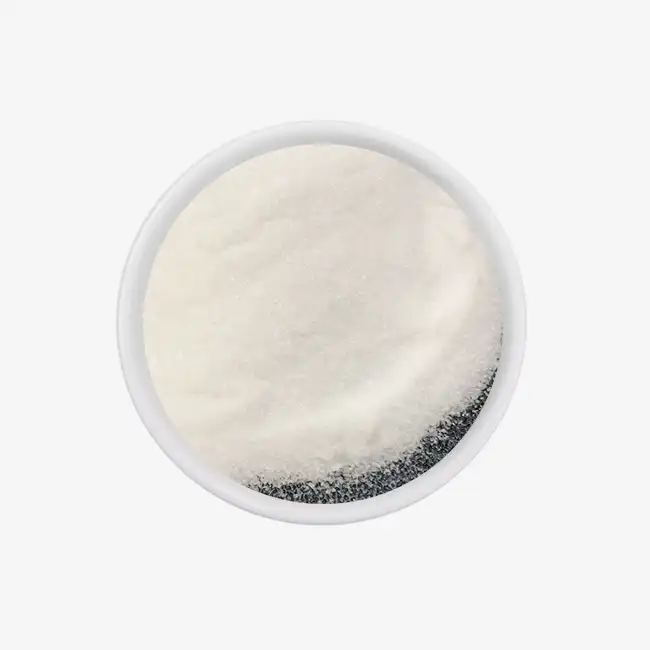
Understanding Solid Potassium Acetate Fertilizer and Its Role in Soil Conditioning
Potassium acetate is the potassium salt of acetic acid. It has an organic acetate part and is an important source of potassium. This substance has different qualities than inorganic potassium chloride or potassium sulfate. These differences affect both the short-term reaction of plants and the long-term health of the soil.
Chemical Composition and Nutrient Profile
The chemical formula CH3COOK is made up of about 39.7% potassium by weight, which is the same as 46-48% potassium oxide (K2O). This quantity is about the same as potassium chloride, but it doesn't expose you to chloride ions. The acetate part is different from mineral fertilizers because it contains renewable organic carbon that soil bacteria can break down. High-purity grades that are more than 99% pure make sure that there aren't many contaminants that could build up over time.
How It Differs from Traditional Potassium Fertilizers?
Because they are cheaper and have established supply lines, conventional potassium sources control most of the agriculture market. Potassium chloride, which is a muriate of potash, usually costs less, but it has a lot of chloride and a high salt index, which can hurt crops that are sensitive to it, like oranges, grapes, and tobacco. While potassium sulfate is a nutrient that doesn't contain chloride, it's not very soluble—only about 11 grams per 100 milliliters—which means it can't be used in high-concentration liquid recipes or fertigation systems.
These problems can be solved by potassium acetate's amazing ability to dissolve in water. Because it can make supersaturated solutions, liquid fertilizer makers can make high-analysis goods that stay solid even when stored in cold places. The low salt index (about 20–30 compared to 116 for potassium chloride) lowers osmotic stress on root systems, which is especially helpful in greenhouses where production is high.
Soil Conditioning Mechanisms
In addition to adding potassium directly to the soil, this substance changes its qualities in a number of other ways. Microbes break down the acetate anion, which releases carbon dioxide and water while briefly using up hydrogen ions. This process makes the rhizosphere slightly less acidic, which could be helpful when the soil is acidic. The organic carbon component can increase microbial activity, which can help the soil stick together better and let more water in over time. Because there are no leftover chloride or sulfate deposits, the soil doesn't get too salty over time, which happens when regular fertilizer is used over and over again.
Evaluating Potassium Acetate Against Alternative Potassium Fertilizers
Before making a purchase choice, it's important to know how different potassium sources compare in a number of ways that affect both the instant response of crops and the long-term efficiency of operations.
Solubility and a Wide Range of Uses
The benefit of solubility directly transfers into useful benefits for current precision farming systems. For drip irrigation and fertigation to work, the product must completely dissolve so that the emitters don't get clogged, which is a problem that sulfate-based products always have. Fertilizer solid potassium acetate breaks down quickly and thoroughly, leaving no residue that could build up in filter systems or tubes with a small diameter. This quality is especially useful for greenhouses that have strict plans for delivering nutrients, since downtime for repair directly affects profits.
Foliar application is another area where solubility is very important. A lower molecular weight makes it easier for molecules to get through the leaf layer, which lets potassium shortages be fixed quickly during important growth stages. The low burn potential lets higher dose sprays be used without hurting tissue, which lowers the amount of work that needs to be done and the cost of labor.
Environmental and Crop-Specific Advantages
Aside from the familiar examples, chloride sensitivity affects many other high-value foods as well. Chloride builds up in the root zones of stone fruits, berries, and decorative nursery stock, which can lower their output or quality. Potassium acetate completely gets rid of this worry while still giving you the potassium you need. The recyclable acetate part keeps anion buildup from happening over time, which is in line with organic production ideas even if the product itself isn't certified organic.
Groundwater quality and surface pollution are also environmental issues that need to be thought about. All potassium sources can add to nutrient loading if they are used too much, but because acetate is organic, it can be broken down by living things in the land before it gets to bodies of water. Chloride, on the other hand, moves easily through dirt layers without changing biologically.
Cost-Effectiveness Analysis
The prices naturally represent the complex ways they are made and the high costs of the materials they use. Even though the unit cost is higher than that of other potassium sources, the study needs to look at how much to apply, how well the crop responds, and how well the system works with everything else. When problems need to be fixed quickly, when it's cold and roots can't take in less-soluble sources, or when the system needs to be added to an existing one without any changes, the higher price is usually worth it because the results are better and there are fewer problems during operation.
Practical Application Methods of Solid Potassium Acetate Fertilizer
To do a good job of implementing, you need to know the best ways to use the technology so that it helps the environment and doesn't cost too much.
Dosage Recommendations and Timing
How much to apply depends on the results of a soil test, the needs of the crop, and how quickly you want to fix the problem. For continuous fertility, rates of 50 to 150 kilograms per hectare are usually used for soil incorporation. These rates are changed based on the amount of potassium in the soil and its ability to swap cations. To keep leaching to a minimum, sandy soils that don't hold onto nutrients need to be applied twice a year. On the other hand, heavier clay soils can be applied once a year with a lower risk of nutrients moving around.
When planning when to do something, you should think about when the crops need potassium the most. During key times like fruit growth, tuber bulking, and grain fill, the supply of potassium has a direct effect on output and quality. When it comes to cool-season uses, this material works better in cold temperatures than options that are less porous and can't be used when the soil temperature drops below 10°C.

Compatibility with Soil Types and Climates
The pH of the soil affects the spraying technique. Soils that are neutral to slightly alkaline can easily hold potassium acetate without needing to be pH adjusted further. Soils with a pH level below 5.5 may benefit from the fertilizer solid potassium acetate's mild alkalizing effect as it is broken down by microbes. Extremely alkaline soils (above pH 8.0) don't cause many problems with compatibility, but the calcium-rich conditions that are common in these places may mean that the general nitrogen balance needs to be watched.
Conditions of warmth and wetness are both climate factors. Arid areas that don't get much rain benefit from the high solubility, which lets the chemicals be delivered precisely through irrigation water without relying on soil wetness to dissolve them. The ability of plants to quickly take in nutrients before heavy rain moves them out of the root zones is useful in humid tropical settings with a lot of loss.
Safety Protocols and Handling Best Practices
Because the product is hygroscopic, it is important to keep moisture under control when moving materials. Being in wet air makes things quickly absorb water, which can cause them to clump and even melt if they are not covered. For best product stability, storage areas must keep things dry, well-ventilated, and with a relative humidity below 60%. The original packaging, which is usually 25-kilogram plastic weave bags or 1000-kilogram ton bags with moisture shields, should be kept closed until it is used right away.
As part of personal protection equipment, dust masks are worn when working with powders because breathing in fine particles can irritate the lungs. Skin contact isn't very dangerous, but wearing gloves can help avoid the small irritation that can happen from being around concentrated solutions for a long time. There are no extra safety measures needed in case of a fire or blast because the material is stable when stored normally.
To make sure that materials are handled safely at receiving facilities, procurement teams should set up dry storage areas that are separate from areas that are likely to get wet. This will keep the materials from going bad too quickly, keep them fresh by rotating their inventory first thing in, and teach warehouse workers about the properties of hygroscopic materials to cut down on product losses. These useful steps protect the big investment that buying in bulk means while keeping the product's performance high while it's being stored until it's used.
Procurement Insights: Buying Solid Potassium Acetate Fertilizer for Soil Conditioning
During the whole procurement cycle, strategic sourcing choices weigh the total cost of ownership, supply reliability, and quality guarantee.
Identifying Certified and Trustworthy Suppliers
Manufacturing skills and quality control systems are the first steps in qualifying a supplier. Getting ISO 9001 certification shows that you are committed to uniform production methods and quality control. ISO 14001 certification shows that you are committed to environmental management standards, which are becoming more and more important for companies that report on their sustainability. For uses that are meant to be eaten, you need extra certificates like KOSHER and HALAL. This is important for all buyers, not just farmers who may sell to markets that have these needs.
To make sure there is a steady supply, production ability is important. Large-scale manufacturers, like those with a 150,000-ton yearly capacity, have been in business for a long time and have the means to handle changes in demand or disruptions in the supply of raw materials. Geographic variety through various production sites or well-established networks for getting raw materials makes the supply chain even more resilient.
The ability to provide technical help is what sets true partners apart from commodity sellers. Buyers who serve a wide range of end-user markets benefit from having access to agronomic knowledge, analytical services for product testing, and application assistance. You can better serve your customers if the manufacturers you work with offer expert help 24 hours a day, seven days a week, and quick response times like two hours for questions and five to seven working days for production lead times.
Negotiation Strategies and Payment Terms
Most of the time, volume agreements open up better price structures. Annual contracts with delivery schedules every three months keep inventory costs in check with volume savings, and they give producers the information they need to plan production based on demand. Buyers should find out if providers keep a safety stock that can be used to quickly fill orders when demand goes up without charging extra.
Payment terms show how creditworthy you are and how old the relationship is. Letters of credit or down payments are common standards for new buyers. As the relationship grows and payment history builds trust, terms change to net-30 or net-60. If you pay within ten days, you may get a discount of two to three percent. This can help buyers with available working cash get good interest rates.
In buy deals, quality standards should be made clear. These should include accepted amounts for purity, K2O content, moisture levels, and matter that doesn't dissolve in water. Third-party testing rules let specifications be checked by a third party, protecting buyers from material that doesn't meet specifications and could damage equipment or not give the expected agricultural results. Each package comes with a certificate of analysis that makes it possible to track it, which is an important part of quality assurance programs.
Logistics Options and After-Sales Support
Different types of transportation combine speed and cost. For foreign buyers, container shipping gives them more lead time options, while for domestic buyers, bulk truck delivery from regional stores cuts down on handling and lowers the cost of logistics per unit. When delivery times allow it, intermodal choices that combine train and truck can save you money on long-distance domestic shipments.
Packaging choices affect how well products are protected and how easy they are to handle. Twenty-five-kilogram bags work well for distributors who serve smaller businesses or retail stores, while ton-bags make it easier to move goods for large-scale farming operations that have forklifts. Moisture barrier quality in packing has a direct effect on how long a product will last, which is why buyers who can't keep their storing conditions perfect should pay more for premium packaging.
Technical help after the sale goes beyond just delivering the goods. Buyers can get the most out of a product by following application instructions that are tailored to specific crops and local conditions. Product return procedures and ways to file complaints about material that doesn't meet specifications protect buyers from losing money because of quality problems. Agronomic consulting services from suppliers add value that makes long-term ties stronger than just commercial ones.
Environmental and Long-Term Impacts of Using Solid Potassium Acetate in Soil Conditioning
As farming businesses are questioned about how well they care for the environment and use resources, sustainability issues are becoming more important in the buying process.
Biodegradability and the Health of the Soil
The organic acetate part is completely broken down by microbes, which is different from permanent anions like chloride that stay in the earth forever. This biodegradability fits with the ideas of regenerative agriculture, which stress the importance of organic soil function and the cycle of nutrients. Microbes that break down fertilizer solid potassium acetate briefly boost local microbial activity, which could help mineralize native organic matter and make more nutrients available in addition to the potassium input.
Repeated treatments that keep salt from building up have long-term benefits for the structure of the soil. When there are large amounts of chloride in the soil, it can break up the clay particles and make it harder for water to soak in. Potassium nutrition based on acetate keeps the physical qualities of the soil, which helps it stay productive over time. This is especially true in dense farming systems that use fertilizer cycles often.
Runoff and Environmental Footprint Concerns
Potassium is less harmful to the environment than nitrogen or phosphorus because it doesn't add to eutrophication when it gets to open waters. In watery systems, the acetate part responds quickly to biological oxygen demand, but the amounts that get into rivers when farming is done correctly stay small. Applying at the right time and at the right rate, which is determined by checking the soil, keeps too much from building up, which could cause nutrients to be lost through flow or leaching.
The environmental impact of manufacturing depends on how the goods are made and where the energy comes from. Making acetate from acetic acid and potassium hydroxide or carbonate is a simple chemical reaction that produces trash that can be handled under current environmental rules. If buyers care about the environment, they should ask suppliers about their environmental management systems, how they handle trash, and energy-saving programs that lower the carbon footprint of production.
Future Trends and Innovations
Agricultural researchers are still looking into high-efficiency fertilizers that can be used at lower rates while keeping or improving crop reactions. Controlled-release formulas that use polymer coats or matrix embeddings with fertilizer solid potassium acetate could make nutrients more available while lowering the number of times they need to be applied. Precision agriculture technologies that let you apply at different rates based on real-time readings of the soil and plants may help you place acetate-based potassium more efficiently and spend less.
Adding organic soil amendments is another way to come up with new ideas. When you mix potassium acetate with good bacteria, you get benefits. The acetate carbon source feeds the microorganisms, which improve plant health and nutrient cycling beyond its direct effects on fertility. These biologically improved goods are appealing to markets that want to keep output high while using fewer synthetic inputs.
Conclusion
Potassium acetate is clearly a good choice for improving the state of soil, and its special qualities make it worth the extra cost compared to other potassium sources. It is very easy to dissolve and can be used in current fertigation and foliar feeding programs. Its chloride-free makeup saves crops that are sensitive and stops the soil from breaking down over time. The organic acetate part helps earth organisms work and keeps anion buildup from happening.
When buying something, the overall value should be taken into account, not just the unit cost. The unique properties of potassium acetate make it best for uses that need quick nutrient response, success in cold weather, or compatibility with precision delivery systems. Picking suppliers based on quality approvals, production capacity, and expert support guarantees a steady supply of materials that meet exact requirements. More and more, items like potassium acetate that are good for the environment and follow the rules of healthy agriculture are being favored.
FAQ
Can potassium acetate be used safely across all soil types?
Potassium acetate works well in a wide range of soil types, from sandy soils that need light applications often to clay soils that can handle stronger treatments during certain times of the year. Its neutral to slightly alkaline reaction works well in acidic to slightly alkaline pH ranges and doesn't change the soil chemistry in a bad way. The most important thing to think about is changing the application rates based on the cation exchange capacity of the soil. Lighter soils benefit from split treatments, which stop leaching losses.
How frequently should potassium acetate be applied for optimal soil conditioning results?
How often you apply it depends on what the crop needs and how well the soil can hold on to nutrients. In soils with mild to high CEC, once-a-year applications are usually enough to keep the soil fertile. On the other hand, sandy soils or heavy production systems may need split applications every four to six weeks during active growth. Testing the soil every two years lets you make changes to your treatment based on how nutrients are changing, not on a date.
What certifications should buyers prioritize when sourcing potassium acetate fertilizer?
ISO 9001 certification for quality management makes sure that industry standards are always met, and ISO 14001 certification shows that a company cares about the environment. When these standards are needed by the market, food-grade apps need to be certified as KOSHER and HALAL. When suppliers include full records of analysis with every shipment, it's easy to check that the purity requirements and trace element content are met, which is an important part of quality assurance programs.
Partner with Zhaoyi Chemical for Premium Fertilizer Solid Potassium Acetate
Since 1988, Shanxi Zhaoyi Chemical Co., Ltd. has been making acetate salts. They have a 27,000-square-meter factory that can make 150,000 tons of them every year. Our fertilizer solid potassium acetate is guaranteed to be ≥99.0% pure and have a K2O content of 46-48%. It is certified by ISO 9001, KOSHER, and HALAL. We help purchasing managers, field engineers, and fertilizer distributors in the water treatment, agriculture, and chemical distribution sectors by providing a steady supply of bulk goods, quick production lead times of five to seven working days, and full expert support. You can email our team at sxzy@sxzhaoyi.com to talk about your specific needs, ask for certificates of analysis, or get unique quotes from a reliable fertilizer solid potassium acetate maker that cares about quality and customer satisfaction.
References
1. Havlin, J.L., Tisdale, S.L., Nelson, W.L., and Beaton, J.D. (2014). Soil Fertility and Fertilizers: An Introduction to Nutrient Management, 8th Edition. Pearson Education Limited.
2. Marschner, P. (2012). Marschner's Mineral Nutrition of Higher Plants, 3rd Edition. Academic Press.
3. Mengel, K., Kirkby, E.A., Kosegarten, H., and Appel, T. (2001). Principles of Plant Nutrition, 5th Edition. Kluwer Academic Publishers.
4. Barker, A.V. and Pilbeam, D.J. (2015). Handbook of Plant Nutrition, 2nd Edition. CRC Press.
5. Sparks, D.L. (2003). Environmental Soil Chemistry, 2nd Edition. Academic Press.
6. Troeh, F.R. and Thompson, L.M. (2005). Soils and Soil Fertility, 6th Edition. Blackwell Publishing.

USER EVALUATE
Here is the customer's evaluation of us