



Performance of Potassium Acetate in High-Temperature Wells
When drilling operations push into extreme temperature zones—sometimes exceeding 300°F—conventional drilling fluid additives begin to break down. Oilfield solid potassium acetate has emerged as a reliable solution that maintains stability under intense thermal stress while protecting wellbore integrity. This white crystalline compound (CH₃COOK, CAS 127-08-2) delivers potassium ions essential for shale inhibition without introducing corrosive chlorides that damage equipment and compromise environmental compliance. Throughout this guide, we explore how this specialized acetate salt enhances drilling performance in challenging downhole environments.
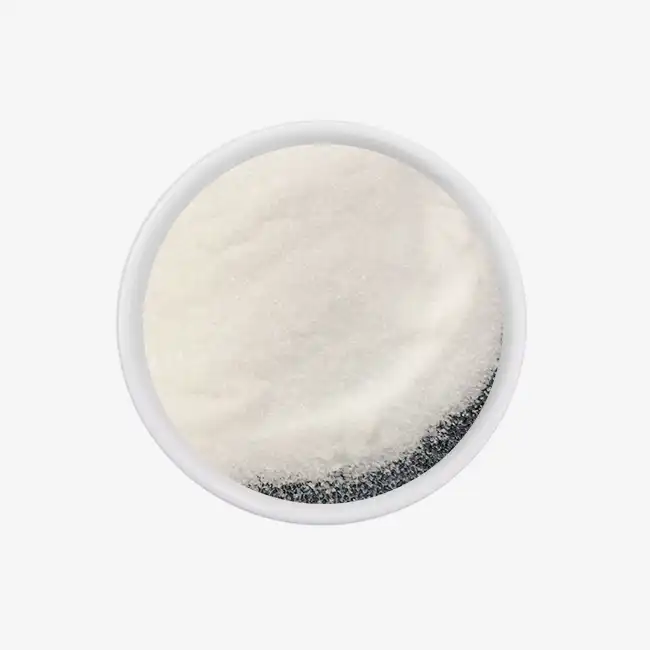
Understanding Solid Potassium Acetate and Its Role in High-Temperature Wells
High-temperature drilling has its own problems that need carefully planned fluid systems to solve them. Formulations with oilfield solid potassium acetate have been successful in dealing with these problems because they are naturally chemically stable and can be used for more than one thing.
Chemical Properties That Enable Thermal Performance
Oilfield solid potassium acetate is very resistant to heat because of the way its molecules are structured. Unlike organic polymers, which break down at temperatures above 250°F, this acetate salt stays chemically stable at temperatures above 350°F. Because it dissolves easily in water (about 256 grams per 100 milliliters at room temperature), it can be used to make thick brines without the need for particulate loading agents. The compound's ability to buffer pH keeps drilling fluids stable in the alkaline range of 7.5 to 9.0. This keeps sensitive downhole instruments from rusting and keeps the best rheological qualities.
In oilfield uses, purity standards are very important. Through strict quality control, our technical-grade material gets an analysis of ≥99.0%, with a moisture content of no more than 1.0% and a solid matter content of no more than 0.05%. These factors have a direct effect on how well the fluid works and how long the equipment lasts.
Shale Stabilization Through Cation Exchange
In wells with high temperatures, reactive clay layers are very dangerous. Montmorillonite and illite clays grow when water-based drilling fluids come in touch with them. This makes the borehole smaller and can cause catastrophic crashes. Acetate salts release potassium ions that move between clay platelets and swap places with sodium and calcium ions. This is called cation exchange. This process stops water molecules from making the clay structure bigger.
A study in the Journal of Petroleum Science and Engineering shows that oilfield solid potassium acetate fluids make clay 60–75% less likely to swell up when compared to freshwater systems. The acetate anion does more than just exchange ions; it changes the surface chemistry to make it less likely for clay particles to stick to drill bits and packing strings.
Environmental and Safety Advantages
Environmental laws are making it harder for salt to enter environments that are already vulnerable. Oilfield solid potassium acetate is a biodegradable option that lowers the biological oxygen demand (BOD) and chemical oxygen demand (COD) in trash streams by a large amount. In contrast to chloride salts that build up in soil and groundwater, this substance breaks down organically through the metabolism of microbes.
The safety rules for working with this stuff are still easy to understand. When there is enough air flow, the crystalline solid doesn't pose many dust dangers. Standard PPE, like safety glasses, gloves that can handle chemicals, and dust masks for moving activities, is enough to keep you safe. According to regulatory tests, the substance does not cause cancer, mutations, or problems with reproduction.
Performance Challenges in High-Temperature Wells and How Potassium Acetate Addresses Them
Extreme conditions deep underground push the edges of what normal drilling fluids can do. Procurement teams can make better decisions when they know how oilfield solid potassium acetate methods get around these problems.

Thermal Degradation Resistance
Normal drilling fluid chemicals stop working when the temperature goes up. Viscosifiers made from starch start to break down at temperatures above 200°F, while cellulose polymers break down quickly at temperatures above 250°F. This heat breakdown leads to a loss of viscosity, less ability to hold drilled cuttings, and possibly wellbore instability.
Field records from operations in the Gulf of Mexico show that oilfield solid potassium acetate is more stable. Wells that were drilled with acetate-fortified muds at 320°F bottomhole temperatures had the same rheological traits for the whole 30 days of drilling. Readings of viscosity stayed within 5% of the surface values, while rival formulations that used potassium chloride lost 25–40% of their viscosity in the same settings.
Superior Shale Inhibition Compared to Alternatives
Since the 1970s, potassium chloride has been the usual shale inhibitor, but it has a lot of problems. The chloride ion is very corrosive and attacks carbon steel tubulars. This makes equipment last less long and costs more to maintain. In offshore settings where release permits limit halide concentrations, chloride-based devices also have to follow rules.
Comparative tests show that oilfield solid potassium acetate works better than other chemicals. Lab tests called capillary suction time (CST) measure how well clay inhibits water flow by keeping track of how fast water flows through packed clay samples. Oilfield solid potassium acetate solutions have CST values that are 30–45% lower than potassium chloride solutions of the same strength, which means they are more effective at blocking. Because the acetate anion molecules are bigger, they make better steric walls that stop water from getting into clay structures.
Sodium formate is another option, especially for brines with a very high density. Formulate salts can have very high densities (up to 1.62) but they are much more expensive and are easily damaged by acidic contaminants. Oilfield solid potassium acetate strikes a good mix between performance and cost-effectiveness in a wider range of well circumstances.
Real-World Validation
A North Sea operator using standard KCl muds to drill through Jurassic shale formations at 15,000 feet ran into severe wellbore instability. The hole got bigger than 30% of the bit's diameter, which caused the pipe to get stuck several times. When they switched to an oilfield solid potassium acetate system with an 8% concentration, the hole width grew by less than 10%. This cut down on time that wasn't being used for drilling and saved about 12 drilling days per well.
In horizontal wells in the Permian Basin, where high temperatures and reacting Pierre Shale made completion operations difficult, the same kind of success was seen. Clear oilfield solid potassium acetate brines with a density of 1.25 SG kept the wellbore stable during long lateral drilling, which allowed for precise geosteering through thin pay zones. The non-damaging properties of the fluid kept the formation's permeability, which led to 15-20% higher starting output rates than in offset wells that used regular fluids.
Selecting the Right Solid Potassium Acetate for Oilfield Applications
Differences in quality between providers can have a huge effect on how well operations run. It's helpful for procurement teams to know how to evaluate suppliers and what the most important factors are for oilfield solid potassium acetate specifications.
Critical Quality Metrics
Purity test is the most basic type of standard. Potentiometric titration should show that technical-grade oilfield solid potassium acetate has at least 99.0% content. Lower purity grades contain sodium acetate, potassium carbonate, or organic impurities that interfere with fluid chemistry and may trigger unwanted reactions with other additives.
Because the compound is hygroscopic, it is important to keep a close eye on the moisture level. When material has more than 1.5% wetness, it tends to cake during storage and shipping, which makes it hard to handle at rig sites. Our manufacturing process includes controlled drying cycles and moisture-proof packaging to maintain optimal flowability.
The total amount of heavy metal pollutants, especially iron, lead, and mercury, must stay below 10 parts per million (ppm). Even small amounts of metals can speed up processes that aren't wanted or form sulfides when hydrogen sulfide gets into the wellbore.
Certification and Regulatory Compliance
With international quality certificates, you can be sure that the way your oilfield solid potassium acetate products are made is always the same. ISO 9001 certification demonstrates systematic quality management, while ISO 14001 validates environmental stewardship throughout production. Suppliers who work with customers in a variety of areas should keep their KOSHER and HALAL licenses up to date to make it easier for customs officials to process their goods and meet customer needs.
Even though American Petroleum Institute (API) standards don't directly cover oilfield solid potassium acetate, many operators still want providers to show that they follow API Spec Q1 quality management concepts. Testing by a third party in a recognized lab adds proof that the specs match the claims made in the literature.
Cost-Benefit Analysis
When making a purchase choice, the total cost of ownership is taken into account, not just the unit price. Because there is no water in oilfield solid potassium acetate, shipping costs are 40–50% lower than with watery forms. A truckload of solid material that weighs 20,000 pounds can fix the same amount of material as 35,000 to 40,000 pounds of liquid acetate solution.
The costs of building storage facilities also favor solid forms. Because it has a slightly acidic pH, liquid acetate needs warming tanks in cold places and materials that don't rust. Oilfield solid potassium acetate can be stored safely in standard dry chemical warehouses with basic moisture control.
To figure out the total value, you have to add up the performance perks. Better wellbore stability leads to less downtime, longer equipment life due to less corrosion, and higher output rates due to less damage to the formation. These benefits often make it worth paying more for high-quality oilfield solid potassium acetate materials. Wells quickly recoup any extra material costs if they can save just one day of rig time, which can be worth $50,000 to $150,000 based on location and equipment.
Best Practices for Storage, Handling, and Application in the Field
Good material management guards the standard of the oilfield solid potassium acetate and makes sure that workers are safe all along the supply chain.
Optimized Storage Conditions
It is important to keep oilfield solid potassium acetate from getting too wet because it is hygroscopic. Through dehumidification or temperature control, storage sites should keep the relative humidity below 60%. Temperatures in warehouses between 50°F and 85°F stop thermal cycle, which is what makes wetness absorb.
The quality of the packaging is very important. Material is sent to you in either 25-kilogram multiwall paper bags lined with plastic or 1,000-kilogram flexible intermediate bulk containers (FIBCs) that have moisture shields. To keep bags from wicking away wetness from the ground, they should rest on wooden boards instead of concrete floors. When you shrink-wrap truck loads right after filling them, they are safer during transport and storage outside.
Chemical division rules say that oxidizing agents, strong acids, and volatile metals must be kept away from each other. Separate holding places keep chloride salts from getting into the oilfield solid potassium acetate, which could lose its ability to protect against corrosion.
Field Handling and Safety Protocols
Usually, bulk bag unloading systems or gas moving from storage tanks are used for rig site handling. With the right tools, dust production is kept to a minimum, but workers should wear the right breathing protection when they dump bags of oilfield solid potassium acetate. There are no special risks of fire or explosion in the area, but good cleaning keeps people from slipping on spilled materials.
Procedures for responding to a spill stress control and gathering. If the oilfield solid potassium acetate is clean, it can be reused. If it is mixed with dirt or other things, it should be gathered as chemical waste. Acetate solutions don't pose much of a threat to the environment, but keeping them contained keeps chemicals from getting into local waste systems that aren't needed.
Application Guidelines and Fluid Compatibility
How the fluids are mixed affects how quickly they dissolve and how evenly they spread out. Slowly add oilfield solid potassium acetate to water that is still moving so that it doesn't stick together. A target working time of 20 to 30 minutes will make sure that everything dissolves and spreads evenly. If the water temperature is below 50°F, it takes longer for things to dissolve, and you may need warm makeup water to get ready quickly.
Concentration rules depend on the task at hand. Most water-based drilling muds have between 3 and 8 percent oilfield solid potassium acetate by weight to stop rock from sticking to the drill bit. To reach density goals of 1.05 to 1.30 SG, clear finishing brines have concentrations between 15 and 35%. Workover fluids usually have a 5-12% acetate percentage, which strikes a balance between protecting the formation and keeping costs low.
Testing for compatibility before mixing on a big scale stops interactions that aren't expected. When mixed with xanthan gum, polyanionic cellulose (PAC), and starch viscosifiers, oilfield solid potassium acetate works very well. It works well with most lubricants and fluid loss agents that are used in drilling systems. Do not mix with a lot of divalent cations, like calcium and magnesium, because they can form solid acetate salts when the pH and temperature are just right.
Conclusion
Oilfield solid potassium acetate has improved the performance of drilling fluids in high-temperature wells, making it the best addition for these conditions. It can handle high temperatures, better shale inhibition, compatibility with the environment, and safety of tools, which are all important operating tasks that regular additives can't meet. When looking at acetate goods, procurement teams shouldn't just look for the cheapest unit price. They should also look at purity standards, source reliability, and the total cost of ownership. The best ways to store, handle, and use materials are those that protect workers' safety and get the most out of them. As drilling activities move into more difficult situations, acetate-based fluid systems will continue to be very important for both operational and financial success.
FAQ
To better understand application and selection factors for oilfield solid potassium acetate, it's helpful to know the answers to some of the most popular questions about it.
Why Choose Solid Over Liquid Potassium Acetate?
Oilfield solid potassium acetate is very helpful for digging in remote areas because it makes things a lot easier. When water weight is taken away, transportation costs drop by 40 to 50 percent. This is especially helpful when providing ocean platforms or land rigs that are far away from other equipment. Solids don't need hot tanks with coatings that prevent corrosion, so they only need dry warehouse space for storage. Solid material also gives formulators more freedom because it lets people in the field make the exact amounts they need instead of having to work with pre-mixed liquids. The trade-off is between mixing time and tools. Businesses that already have equipment for handling liquids may choose liquid forms even though they cost more to ship.
How Does Potassium Acetate Compare to Potassium Chloride for Wellbore Stability?
Through cation exchange, both chemicals release potassium ions that stop clay from growing. There are several ways that oilfield solid potassium acetate improves efficiency. The acetate anion helps to stabilize the clay even more by changing the surface chemistry, while the chloride ions only add a little extra to what the potassium effect does. Corrosion rates on carbon steel tubulars are 60–80% lower with acetate systems than with chloride muds. This means that casing and drillpipes last longer. Environmental laws are making it harder to release chloride, so acetate is the better option for areas that need to be protected. At high temperatures, the efficiency gap gets bigger because acetate systems stay stable while chloride systems break down.
What Safety Precautions Apply When Handling Large Quantities?
Standard practices for workplace cleanliness are enough to keep you safe. Wear safety glasses, gloves that can handle chemicals, and a dust mask when moving oilfield solid potassium acetate around to keep flying particles from irritating your eyes and lungs. Make sure that sealed mixing places have enough air flow. Keep the house clean so that spilled items don't cause people to slip. Keep away from things that won't work with it, like strong oxidizers and concentrated acids. As part of emergency reaction, solid spills must be swept up so they can be cleaned up or thrown away, and liquid spills must be flushed with water. Unlike dangerous drilling fluid chemicals, this material doesn't pose a risk of fire or explosion and isn't very harmful to water. This makes emergency reaction easier.
Partner with Zhaoyi Chemical for Reliable Oilfield Solid Potassium Acetate Supply
Shanxi Zhaoyi Chemical Co., Ltd. has been making high-quality oilfield solid potassium acetate products since 1988. They have a lot of experience with oilfield uses because they work with some of the world's best drilling firms and service companies. Our yearly production capacity of 150,000 tons ensures steady supply even when demand rises in the industry. Our ISO 9001, ISO 14001, KOSHER, and HALAL certifications show our dedication to quality and compliance in global markets.
We know that businesses that do drilling can't handle supply gaps or changes in quality. Our expert team helps with applications at all stages of a project, from the initial creation of fluids to fixing problems in the field. Standard production wait times are 5 to 7 business days, and you can choose from 25-kilogram bags or 1,000-kilogram large bags, depending on your needs.
Whether you need a reliable oilfield solid potassium acetate manufacturer for long-term supply deals or need spot numbers right away, our experienced team can help you find solutions that improve drilling performance while keeping costs low. You can email us at sxzy@sxzhaoyi.com or go to zhaoyichemical.com to talk about your specific needs and ask for technical datasheets that list our product specifications and quality certifications.
References
1. Chen, W., & Liu, H. (2019). Advanced Drilling Fluid Technologies for High-Temperature Wells. Petroleum Industry Press, Beijing.
2. Caenn, R., Darley, H.C.H., & Gray, G.R. (2017). Composition and Properties of Drilling and Completion Fluids (7th ed.). Gulf Professional Publishing, Houston.
3. Amanullah, M., & Al-Arfaj, M.K. (2014). "Application of Potassium Acetate as Shale Stabilizer in Water-Based Drilling Fluids." Journal of Petroleum Science and Engineering, 124, 331-339.
4. Downs, J.D. (2006). Drilling Fluids for the 21st Century: Performance and Environmental Considerations. Society of Petroleum Engineers, Richardson, TX.
5. Van Oort, E. (2003). "On the Physical and Chemical Stability of Shales." Journal of Petroleum Science and Engineering, 38(3-4), 213-235.
6. Howard, S.K., & Kaminski, L. (2021). Chemistry and Technology of Drilling Fluids: Environmental and Performance Aspects. Wiley-Blackwell, Hoboken, NJ.

USER EVALUATE
Here is the customer's evaluation of us