



How Much Potassium Acetate Is Needed for Runway Deicing?
When winter weather stop planes and freeze runways, airport operations teams have to figure out how much deicing agent they really need. Figuring out the right amount of aviation-grade potassium acetate isn't just about melting ice; it's also about making sure that safety, cost, and environmental duty are all taken into account. Depending on the temperature, the thickness of the ice, and the state of the surface, the typical application rate for airport runway solid potassium acetate is 40 to 100 kilograms per 1,000 square meters. Knowing about these factors helps procurement managers keep operations ready and make the best use of materials during severe weather events.
Understanding Potassium Acetate and Its Role in Runway Deicing
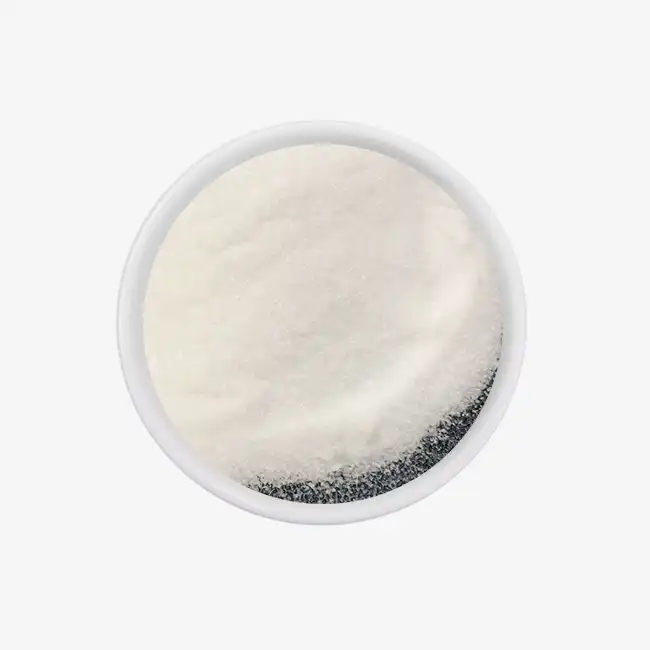
Because of its unique chemical properties and practical benefits, potassium acetate is the best option for deicing runways around the world. This white crystalline substance (CH₃COOK, CAS 127-08-2) dissolves quickly in water. It starts a chemical process that gives off heat and breaks the molecular bond between ice and pavement. Instead of chloride-based road salts, which eat away at airplane metal and landing gear parts, potassium acetate formulas keep sensitive aircraft equipment safe while effectively melting ice.
Why Airports Choose Potassium Acetate Over Traditional Deicers?
Environmental studies showed that urea-based deicers were bad for the environment because they released dangerous ammonia and were toxic to water. Calcium chloride works well on roads, but it speeds up corrosion in airplane brake systems and on runway structures. Potassium acetate fixes both problems because it is biodegradable and meets SAE AMS 1431 standards, which are the most stringent requirements for aircraft deicing fluids around the world. It works at temperatures as low as -60°C (-76°F), which is much lower than urea's -7°C limit. This makes it reliable during very cold spells that shut down airports that aren't ready.
Chemical Properties That Enhance Safety and Performance
Because of the way its molecules are structured, potassium acetate can work in very cold and very hot temperatures and still be compatible with runway materials. High-purity formulas with at least 99.0% active content guarantee consistent melting performance without leaving behind any dangerous substances. Since the compound is hygroscopic, it starts to absorb water right away when it comes in touch with ice. This makes it melt faster than options that aren't hygroscopic. Aviation-grade materials keep the pH level between 9.0 and 10.5, which keeps concrete and tarmac surfaces from breaking down chemically over the winter.
Environmental Compliance and Regulatory Standards
Modern airports have to find a balance between the needs of their operations and strict rules about the environment that guide stormwater flow. Potassium acetate breaks down naturally and doesn't make any harmful leftovers. This means that it lowers the biological oxygen demand (BOD) in streams nearby compared to older deicers. The Federal Aviation Administration (FAA) and the Environmental Protection Agency (EPA) are two regulatory bodies that agree that acetate-based formulas are good for the environment and help keep ecosystems healthy near airports. This advantage in terms of compliance makes the permit process easier and lowers the risk of damage for local governments that run airports.
How Much Potassium Acetate Is Required for Effective Runway Deicing?
To get accurate deicing amounts, you have to look at a lot of practical factors that affect how well the material works. Airport repair teams follow standard procedures but change the rates of applications based on current weather conditions and the way the runway is set up.
Key Factors Influencing Application Rates
The main thing that determines how much cloth you'll need is the temperature. At -5°C, ice melts quickly and with little waste, but at -25°C, molecular activity slows down a lot, so more work needs to be done. Quantity is directly related to thickness of the ice—a 3 mm glaze needs less material than a 10 mm buildup, which needs more material to go deeper into the ice. The structure of the runway surface is also important. Grooved concrete provides mechanical grip that works well with chemical deicers, while smooth asphalt needs more covering to keep it from getting slippery.
The amount of traffic adds to the difficulty because planes are always moving deicing products around. When compared to general aviation fields with less traffic, high-frequency airports that serve major hubs need more bold initial applications and more frequent reapplications. Coverage regularity is affected by wind during application, especially for solid granular formulas that can spread out before dissolving.
Standard Dosage Guidelines for Airport Operations
Best practices in the aviation business set base application rates that operations teams change based on the situation. For planning purchases and making budgets for operations, the following standards can be used as starting points:
- Light frost prevention (anti-icing): 30–50 kg per 1,000 m² before it starts to rain. This makes a barrier that keeps ice from sticking to the ground.
- Moderate ice accumulation (1-3mm thickness): 60–80 kg per 1,000 m² should melt in 15–30 minutes under normal conditions.
- Heavy ice conditions (3-6mm thickness): 90–120 kg per 1,000 m² to break through thick layers and make it easier for snowplows to remove.
- Extreme cold operations (below -20°C): application rates may need to go up by 25–40% to make up for the chemicals' lower activity at those temperatures.
These numbers show normal airport runway solid potassium acetate formulations with high amounts of purity. Combining solid pellets with liquid solutions in pre-wetted uses can lower the total amount needed by making the mixture stick better and melting faster at first. A normal 3,000-meter runway with a 60-meter width (180,000 m²) needs between 5,400 and 21,600 kilograms, depending on how bad the weather is. This shows how important accurate planning is for practical budgets.
Adjusting Quantities Based on Runway Dimensions and Traffic
Large foreign airports have many tracks of different sizes, which makes planning supplies harder. When there is a crosswind, the backup runway needs different stocking tactics than the main instrument landing system runway that is always busy. To figure out yearly needs, you have to look at past weather records, the average number of storms, and high traffic times to find buffer stocks that will keep you from running out of supplies during long weather events.
Material loss during application should be taken into account by procurement managers. Losses caused by wind drift, jet blast, and breakdown in runway drainage systems usually add up to 15-20%. Strategically placing materials near high-priority airport areas cuts down on reaction times and waste caused by full-field applications that aren't needed when focused treatment is enough.
Comparing Potassium Acetate with Other Runway Deicing Agents
Knowing how various deicing chemicals work helps to explain the purchase of aviation-grade potassium acetate, even though it costs more than regular deicers.
Performance Comparison with Calcium Chloride and Magnesium Acetate
Because it is so aggressively acidic, calcium chloride is not ideal for airports. It melts ice quickly and is still a cost-effective choice for highway use. Manufacturers of airplanes have done studies that show chloride-based deicers can cause rust damage to aluminum metals, magnesium parts, and cadmium-plated landing gear. The long-term costs of maintaining equipment that breaks down faster are much higher than the original saves on materials. This is why flight authorities strictly ban the use of chloride on airfield surfaces.
When it comes to the earth, magnesium acetate is better than chlorides because it is less corrosive than calcium-based goods. However, it can only work in temperatures up to -15°C, which makes it less useful in the harsh winters that are usual at northern airports. The compound also has a lower melting point per kilogram than potassium acetate. This means that it needs to be used in larger amounts, which makes it more expensive to handle and store.
Solid vs. Liquid Formulations: Logistics and Application Considerations
Aviation-grade potassium acetate comes in two different forms: solid granules and liquid. Each has its own benefits when used in different situations. For long-term keeping, solid formulations are better in moisture-controlled stores where standard 25 kg bags or 1,000 kg ton-bags make it easier to keep track of goods. The granular structure stops wind from spreading it out while it's being used and makes high-concentration areas that can easily break through thick ice.
Liquid potassium acetate solutions (usually 50% strength) don't need time to dissolve because they start working as soon as they touch ice. The fluid format works really well for anti-icing tasks where thin covering layers stop the initial joining. But liquid storage needs warming tanks in very cold weather so that the product doesn't freeze. This makes the infrastructure more complicated and increases the cost of running the business.
A lot of airports use a mix of the two types of tactics. During busy storms, solid potassium acetate is used for deicing, and liquid versions are effective for anti-icing treatments before a storm. This combined method improves the way materials are used and gives maintenance teams more working freedom to adapt to changing weather conditions.
Cost-Efficiency Analysis for Long-Term Operations
Potassium acetate is more expensive than regular deicers, but a full cost study shows that it saves a lot of money in the long run. Corrosion damage that is lessened makes roads last longer, cuts down on airplane repair costs, and lowers the costs of cleaning up polluted runoff. Because the complex works better in cold weather, airport closures happen less often, which is good for the economy because they cut down on flight delays and cancellations.
To find the total cost of ownership, you have to add up the costs of application work, machine wear, storage facilities, and environmental compliance. After switching from urea to airport runway solid potassium acetate, aviation sites reported 30–50% lower winter operating costs, even though the materials were more expensive. This was mostly due to better operational efficiency and less secondary damage.
Best Practices for Applying Solid Potassium Acetate on Airport Runways
Aviation-grade deicing products work best when they are used correctly, and they have the least amount of waste and damage to the earth.
Equipment Selection and Calibration
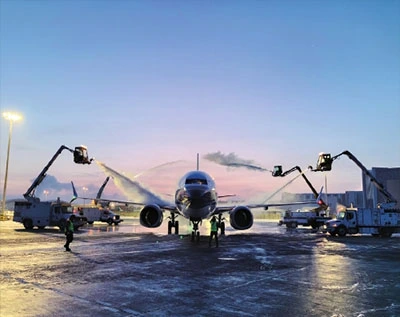
There is special spreading equipment at modern airports that is made just for deicing aircraft. Aviation spreaders give you exact control over application rates and covering patterns, while highway spreaders send information out to a large area. GPS tracking and weather data are combined by computer-controlled systems that change discharge rates automatically based on the needs of each place across different runway zones.
Calibration of equipment on a regular basis makes sure that it provides exact amounts that fit operational plans. Spread pattern testing with collection boxes makes sure that the material is spread out evenly, with no gaps or too much overlap that loses material. Seasonal repair done before winter operations stops mechanical breakdowns during extreme weather events, when keeping airport operations going is very important.
Integration with Pavement Management Programs
Deicing programs that work well work with complete pavement care plans that take into account the road's surface texture, drainage, and structural integrity. With the right cross-slopes and grooves, runways can better shed meltwater, which means they need less deicing material overall. Infrared sidewalk temperature tracking helps operations teams find "hotspots" where ice forms more easily, so they can focus on those areas instead of covering the whole road.
Weather tracking systems that give real-time predictions of when it will rain or snow allow for proactive de-icing treatments that stop ice from sticking together instead of needing stronger treatments after it has formed. By switching from reaction to preventive tactics, 30 to 40 percent less material is used overall, and safety is increased during storms.
Environmental Monitoring and Sustainability Initiatives
Responsible airports have extensive environmental monitoring systems that keep an eye on the amounts of deicing materials in rainwater runoff. To make sure that release permits are followed, biological oxygen demand (BOD) and chemical oxygen demand (COD) are measured by automated sampling devices. Monitoring in real time lets adaptive management techniques change how applications are used when environmental levels get close to regulatory limits.
Deicing runoff is treated before it is released, and potassium acetate is recovered for reprocessing or limited release by glycol recovery systems and selective berming. These methods lower the load on the earth while also recycling things that would have been thrown away otherwise. Modern airports use sustainability measures to help them make decisions about how to run their businesses. They do this by balancing short-term safety needs with long-term environmental care that saves ecosystems nearby.
Conclusion
To find the right amount of potassium acetate for deicing runways, you have to weigh a lot of scientific, tactical, and environmental factors. Standard application rates of 40 to 120 kg per 1,000 m² give a good starting point, but for winter operations to go smoothly, they need to be constantly changed based on temperature, ice conditions, and the way the runway is shaped. Aviation-grade airport runway solid potassium acetate works better than older deicers because it works well at low temperatures, doesn't corrode easily, and doesn't harm the environment. Strategic relationships with experienced makers for purchasing goods make sure that supply chains are reliable and that airport operations don't stop during bad winter weather.
FAQ
What quantity of potassium acetate does a typical airport consume per winter season?
Consumption changes a lot depending on where you are, the size of the airport, and the intensity of the weather. Mid-sized airports in mild areas use 50 to 150 metric tons per season, while big airports in the north may use 500 to 1,000 metric tons during harsh winters. By figuring out the historical averages from the last five seasons, we can make good predictions, even when we take into account data from climate trends that show how precipitation patterns and temperature spikes are changing.
How does application rate change between anti-icing and deicing operations?
Anti-icing treatments that stop the first layer of ice from sticking together need 30–50 kg per 1,000 m², which is about half of the amount needed to remove existing layers of ice (60–100 kg per 1,000 m²). Because of this, proactive anti-icing tactics are much more cost-effective than reactive ones, given that correct weather forecasts allow for quick treatment to stop snow from falling.
Can potassium acetate be mixed with other deicing chemicals?
Aviation-grade potassium acetate stays compatible with both liquid potassium acetate solutions and airplane deicing fluids that are based on propylene glycol. Mixing with chloride-based goods, on the other hand, is not recommended because it brings back the corrosion issues that led to the switch to acetate formulations. Before mixing different chemical formulations, you should always check the product specs and SAE standards to make sure they are compatible and that the performance qualities are kept.
What shelf life should procurement managers expect from stored potassium acetate?
Solid potassium acetate stays fully functional for about two years if it is stored properly in airtight cases that keep out moisture and kept in climate-controlled stores. Because it is hygroscopic, it clumps and dissolves too quickly when exposed to humidity, which makes the application less effective. System for managing inventory should keep track of when items were made and put older stock at the top of the list, all while keeping the storage conditions at their best throughout the retention time.
Partner with Zhaoyi Chemical for Reliable Airport Runway Solid Potassium Acetate Supply
For winter runway operations to stay safe, there needs to be a reliable airport runway solid potassium acetate supplier who knows what the flight needs are. Shanxi Zhaoyi Chemical has been making acetate since 1988 and now makes 150,000 tons a year. They have ISO, KOSHER, and HALAL standards to make sure the quality is always the same. Our aviation-grade solid potassium acetate is pure to ≥99.0%, works well at -60°C, and doesn't corrode, so it protects important airplane parts. It meets SAE AMS 1431 standards. Get in touch with our technical team at sxzy@sxzhaoyi.com to talk about your unique deicing needs, get personalized application advice, and get competitive bulk prices with sure delivery dates.
References
1. Society of Automotive Engineers International, "Potassium Acetate Solid Runway and Taxiway Deicer," SAE AMS 1431E Standard, 2018.
2. Federal Aviation Administration, "Standards for Specifying Construction of Airports," Advisory Circular AC 150/5370-10H, Chapter on Winter Operations, 2019.
3. Transportation Research Board, "Aircraft and Airfield De/Anti-Icing: Operational and Environmental Considerations," Airport Cooperative Research Program Report 245, 2020.
4. Environmental Protection Agency, "Stormwater Management for Industrial Activities: Developing Pollution Prevention Plans and Best Management Practices," EPA-833-R-92-006, 2021.
5. Klein-Paste, A., and Sinha, N.K., "Comparison of the Effects of Solid and Liquid Airport Runway De-Icers on Pavement Surface Friction," Cold Regions Science and Technology, Vol. 92, pp. 89-95, 2017.
6. International Civil Aviation Organization, "Manual of Aircraft Ground De-icing/Anti-icing Operations," Doc 9640-AN/940, Fourth Edition, Chapter 8: Runway and Taxiway Treatment, 2018.

USER EVALUATE
Here is the customer's evaluation of us