



Industrial Grade Potassium Acetate: Applications and Benefits
Industrial solid potassium acetate is a smart chemical choice for tasks that need to be done quickly and without harming the environment. This white crystalline substance (CH3COOK) solves important problems in the industry that standard chloride-based chemicals can't, like keeping infrastructure from rusting and freezing solid while also lowering the freezing point and stabilizing shale. Industrial-grade potassium acetate has measurable operating benefits that directly affect your bottom line through lower upkeep costs and longer equipment lifecycles. Its uses include de-icing aircraft, drilling in oilfields, and making chemicals.
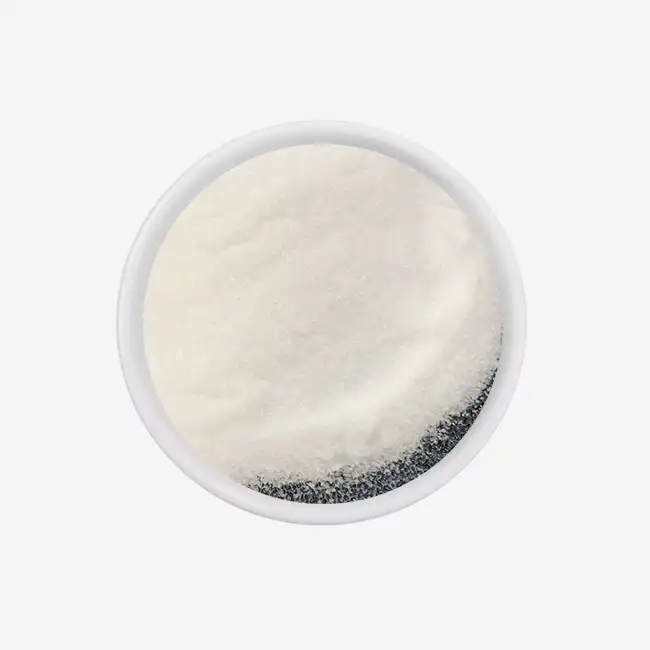
Understanding Industrial Solid Potassium Acetate
Chemical Composition and Physical Properties
With a molecular weight of 98.14 g/mol, industrial solid potassium acetate is made up of the formula CH3COOK. A remarkable property of the substance is that it dissolves very easily—about 253 grams dissolve in 100 milliliters of water at 20°C. Because it dissolves so easily in water, high-concentration brines can be made quickly without having to go through complicated mixing steps. The substance stays stable at temperatures up to 292°C, which means it can be used in situations where high temperatures or exothermic processes are present.
The crystal structure has natural deliquescent qualities, which means it easily soaks up water from the air. This property makes it important to follow specific storage rules, but it also makes it easier to dissolve quickly when making usable solutions. The compound dissolves easily in both acids and alcohols, which makes it useful in a wider range of commercial formulas.
Purity Standards and Quality Metrics
Purity levels of ≥98.0% test content are usually required for industrial-grade standards. This makes sure that the active ingredient works as well as possible per ton bought. Strict limits on chloride pollution (below 500 ppm) and iron impurities (under 10 ppm) are part of quality control. These limits are very important for keeping precision metals and fragile concrete buildings from breaking down too quickly.
The pH level of a 5% water solution is between 7.5 and 9.0, which means it is slightly alkaline and can protect against acidic circumstances without harming anything. Industrial solid potassium acetate is different from acidic options that might damage equipment over time because it is neutral to alkaline. Moisture content limits are usually capped at 2% or less to keep things from caking too quickly while they're being stored or shipped.
Environmental and Safety Profile
Unlike chloride-based de-icing products, industrial solid potassium acetate has low biological oxygen demand (BOD) and chemical oxygen demand (COD), which means it is less harmful to marine life in runoff water. Environmental engineering companies have done studies that show acetate-based chemicals break down easily and don't build up in soil or groundwater. The compound is not considered dangerous according to normal shipping rules. This makes operations easier and compliance easier.
Toxicology tests show that aquatic animals and land environments are not at great risk when the recommended application rates are followed. As an added bonus, the potassium cation gives plants energy, which is useful in farming settings. Industrial solid potassium acetate is seen as a better option to traditional road salts by regulatory bodies like the EPA. This is especially true in sensitive rivers and airports where protecting plants is important.
Industrial Applications and Benefits of Potassium Acetate Solid
Aviation and Infrastructure De-icing Operations
Airport managers are always under pressure to keep runways safe while also protecting expensive ground investments and airplane parts. Industrial solid potassium acetate works consistently at temperatures as low as -60°C, and its eutectic point is reached at amounts that are still liquid enough to spray. This product works better at low temperatures than urea-based goods, which stop working around -7°C.
Acetate chemistry doesn't corrode, so it keeps runway lighting systems, metal airplane structures, and composite materials from breaking down. Over five years, a major international airport that switched from calcium chloride to industrial solid potassium acetate-based de-icers saw a 40% drop in the cost of maintaining the runway. The compound meets the SAE AMS 1435 standards for flight de-icing fluids, which means it works with FAA rules and maker guarantees.
Highway repair workers get the same benefits on bridge decks and high roads where corrosion can damage the structure. The material's higher cost per ton compared to rock salt is fairly justified when you look at the long-term costs, such as fixing damaged concrete, replacing steel support, and fewer claims from drivers about corrosion on their cars.
Oil and Gas Drilling Fluid Applications
Engineers who do drilling need fluids that can keep dynamic shale layers stable while also keeping the right density and viscosity profiles. In clay lattice structures, potassium ions trade with sodium and calcium ions. This stops the clay from growing and spreading out, which would make the opening unstable. This way of stopping shale is especially helpful when cutting through hard-to-work-through layers like Pierre Shale or Mancos Shale.
Industrial solid potassium acetate is very easy to dissolve, which lets you change the density without adding too many solid particles that could damage the reservoir's ability to let fluids through. Clear brines with densities higher than 10 pounds per gallon can be made by operators and can be used to control pressure in high-pressure, high-temperature (HPHT) wells. Acetate-based fluids keep an alkaline pH, which keeps drill pipe from rusting and increases bit life compared to potassium chloride brines.
When a drilling company in the Permian Basin switched to industrial solid potassium acetate-enhanced water-based mud systems, the rate of entry went up by 15% and the number of times pipes got stuck went down by 30%. Because the substance works with polymer additives like xanthan gum and polyanionic cellulose, the rheological qualities stay the same during drilling operations.

Chemical Manufacturing and Catalyst Applications
Chemical makers use pure industrial solid potassium acetate as a catalyst to speed up the reaction between isocyanate and hydroxyl, which makes polyurethane. It does this without adding metal contaminants that change the color of the finished product. In many organic synthesis routes, such as the esterification and transesterification steps used to make biodiesel, the acetate anion works as a nucleophile.
Industrial solid potassium acetate is used by textile companies to neutralize fibers during processing. It changes the pH without leaving behind leftovers that affect how dyes take in or how the cloth feels. The chemical acts as a buffer to keep the pH stable in industrial processes that are sensitive to acidic drift. The constant purity and low heavy metal content of the material make it useful for making pharmaceutical intermediates. It meets strict quality standards for goods that go into human food chains.
Agricultural and Soil Management Uses
Fertilizer makers use industrial solid potassium acetate in special goods for plants that need a lot of potassium, like citrus, peppers, and grapes. Microorganisms in the dirt can easily use the acetate component to make carbon, which briefly increases their activity. During important growth times, this biological boost speeds up the cycle of nutrients and the breakdown of organic matter.
The substance works as a foliar spray, spraying potassium straight onto leaves when roots can't take it in because the soil is too cold or too packed down. Greenhouses like the material because it dissolves easily and has a neutral pH. This keeps spray equipment from getting clogged and plants from being hurt by chloride-containing potassium sources.
Selecting the Right Industrial Grade Potassium Acetate
Purity Grades and Application Matching
For different uses, different levels of cleanliness are needed. Industrial grade (98% minimum purity) that matches efficiency with cost-effectiveness is usually what de-icing companies ask for. For drilling fluid uses, similar rules may apply, but there needs to be more control over solid matter that could block formation holes. When chemicals are made, they often need laboratory grade (99%+ purity) of industrial solid potassium acetate that has been confirmed to have low heavy metal content.
Knowing the important factors of your application helps you choose the right grade. Check to see if chloride contamination is an issue for your use case. For example, drilling muds can handle higher levels of chloride contamination than uses that need to protect sensitive electronics or precision metals. Check the certificates of analysis (COA) for each batch to make sure that the key factors match your technical requirements.
Supplier approval through ISO 9001 quality management systems makes sure that the manufacturing process is always the same and that the goods can be tracked. KOSHER and HALAL certifications are important for goods that could be used in food preparation or in the pharmaceutical supply chain, even if they are just used as building blocks in other processes.
Solid Versus Liquid Form Considerations
To choose between solid and liquid industrial solid potassium acetate, you need to look at the total cost of delivery and how easy it is to use. Because solids are more concentrated, they have much lower freight costs. For example, shipping 25 kg bags or 1000 kg bulk bags costs less than moving the same amount of 50% liquid solutions.
Businesses that have enough store room and mixing tools can save a lot of money by buying solid materials and making solutions on-site. The substance is very easily dissolved, so the dissolving process only needs simple agitation tools and moves quickly. A little exothermic breakdown actually helps the process, but the temperature spikes are still small and manageable.
Liquid types are easy to use right away because they don't need to be dissolved or mixed, which saves time and money. Even though they cost more per unit, liquid goods are better for facilities that don't have a lot of space to store things or that need to be used right away. In cold climates, businesses must store liquids in warm areas so that they don't freeze. This adds to the costs of infrastructure that solid materials don't have to pay for.
Market Dynamics and Value-Based Procurement
The price of industrial solid potassium acetate changes based on the cost of its raw materials, especially acetic acid and potassium carbonate or potassium hydroxide. Changes in the price of petroleum have a secondary effect on production costs through the prices of energy sources and acetic acid. Keeping an eye on these source factors helps procurement teams predict how prices will change and choose the best time to make purchases.
Most of the time, volume agreements open up better price structures. Buyers who place larger orders every three or six months are able to get better deals than buyers who place many small orders throughout the year. Setting up long-term supply deals with dependable makers keeps prices stable and makes sure that supplies are distributed evenly during times when supplies are low.
Transportation, storing, handling, and application efficiency are all parts of the total cost of ownership that go beyond the purchase price. Lower-purity goods that are cheap may need higher application rates, which cancels out any savings that seem to be made. The real economic value can be found by figuring out the cost per useful unit, like the cost per gallon of melted ice or the cost per barrel of drilling fluid.
Procurement Guide for Industrial Solid Potassium Acetate
Supplier Verification and Quality Assurance
Suppliers who are qualified show that they have industrial knowledge that goes beyond just mixing chemicals. Shanxi Zhaoyi Chemical Co., Ltd. was founded in 1988 and has dedicated acetate production facilities that can handle 150,000 tons of industrial solid potassium acetate every year. This size makes sure that there is a steady supply of acetate and that the quality of each batch is the same. Check to see if any possible sources have the right environmental certifications (ISO 14001) and safety standards for workers (ISO 45001), which show that they are using responsible manufacturing methods.
Before you place an order, make sure you get full technical data sheets and safety data sheets (MSDS/SDS) in the language you need. Reliable makers give you a lot of information, like how to handle the product, how to store it, and what to do in a situation. Ask about batch control systems that let you keep track of materials from the time they are made until they are delivered. This will help with quality investigations if problems happen.
Before buying in bulk, sample testing procedures should be put in place. Make sure that sellers give you samples that are representative of whole batches of products, not just test standards. Independently test key factors that are important to your application and compare the results to COA data from the provider to make sure they are correct.
Logistics and Packaging Considerations
Standard packaging includes 25 kg plastic weave bags that can be moved by hand and 1000 kg bulk bags (super sacks) that are made for forklifts and automatic systems that empty them. The quality of the packaging material has a direct effect on the state of the product when it arrives. For example, multi-layer polyethylene/polypropylene structure with sealed inner liners keeps moisture out during shipping.
International moves are safer in bad weather and from theft when they use containers. If the pallets are set up correctly, a normal 20-foot container can hold about 20 metric tons of bagged goods. Bulk pneumatic trucks are an affordable way to move big amounts of goods within the United States, but they need a special receiving system that can handle pneumatic offloading.
When figuring out transit times, work wait times must be taken into account. Well-known makers keep stock on hand, so common grades can be shipped in 5 to 7 days. Lead times may go up to two to three weeks if you need custom mixes or special levels of purity. Build up enough backup stock to cover these wait times plus the time it takes to get to you, so that delays in the supply chain don't stop production.
Contract Terms and Risk Management
Purchase deals should include clear standards for what kind of quality is acceptable and how to handle material that doesn't meet the specifications. Include rules for testing by a third party in case of disagreements about whether the product meets the requirements. Say who is responsible for freight damage and set inspection times, which are usually 7–14 days after arrival for reports of hidden damage.
Payment terms depend on how much you order and how long you've been a customer. Letters of credit protect both sides in foreign deals, but they come with extra bank fees. After showing a history of on-time payments, you can get terms of net 30 or net 60. Structures that offer volume rebates credit customers for being loyal and encourage them to buy more in bulk.
Force majeure terms protect both parties from problems they can't control, like natural disasters, changes in the law, or problems with transportation systems. Even if you work with chosen vendors, build relationships with backup suppliers to make sure you have other sources in case your main suppliers go out of business.
Conclusion
Industrial solid potassium acetate has measured performance benefits in a wide range of fields, from de-icing airplanes to chemical manufacturing and oilfield drills. Because it doesn't corrode, works great at low temperatures, and doesn't harm the environment, it solves important operating problems that cheaper chloride-based options can't. For procurement to go well, you need to know the purity standards, choose the right providers with a track record of producing high-quality goods, and follow the right handling procedures to keep the quality of the goods. The higher original cost of the property is supported by lower infrastructure upkeep, longer equipment lifecycles, and having to follow stricter environmental rules. Strategic buyers look at the total cost of ownership instead of just the purchase price. They know that high-quality industrial chemicals protect the values of assets over time and help companies meet their business excellence and environmental goals.
FAQ
How does potassium acetate compare to calcium chloride for infrastructure de-icing?
Calcium chloride lowers the cost of materials, but it corrodes steel reinforcements, concrete surfaces, and metal parts in a big way. Studies on infrastructure say that industrial solid potassium acetate stops structures from breaking down, which lowers the cost of upkeep over the course of their life by 30 to 50 percent. Acetate breaks down naturally and doesn't build up in groundwater, so it meets environmental protection standards that chloride salts don't in areas that are sensitive.
What storage conditions prevent caking of solid potassium acetate?
If you need to, use dehumidification tools to keep the relative humidity in the building below 50%. Keep things in their original, sealed boxes until you're ready to use them. Then, move opened bags to containers that won't let moisture in and have lids that fit tightly. To avoid compression caking from weight load, don't stack bags more than five high. When stored properly, the free-flowing properties last for 24 months under these controlled conditions.
Can solid potassium acetate be dissolved to create liquid de-icing solutions?
Compared to buying liquids that have already been mixed, dissolving solids on-site into 50% solutions cuts shipping costs by a large amount. Slowly add solid crystals to water while shaking. The process of dissolving the crystals creates a small amount of heat that helps the mixing. Let solutions that have been made cool to room temperature before moving them to spray equipment. This method is better for the economy and still works well for de-icing.
Partner with Zhaoyi Chemical for Reliable Industrial Solid Potassium Acetate Supply
Zhaoyi Chemical has been making acetate for more than 35 years and can help you with your buying problems. Our yearly production capacity of 150,000 tons provides a steady supply even during times of high demand. ISO 9001, KOSHER, and HALAL certifications show that our quality meets world standards. We make sure that the purity of our industrial solid potassium acetate is very high, with an assay value of ≥99.0% and chloride levels below 0.2%. This keeps your equipment safe and helps the product work at its best. Production lead times of 5 to 7 days and a range of packing choices, from 25 kg bags to 1000 kg bulk containers, make it possible to meet a wide range of operating needs. Our technical support team is available 24 hours a day, seven days a week to help with application advice, safety measures, and fixing problems. Email our industrial solid potassium acetate supply team at sxzy@sxzhaoyi.com to talk about your particular needs and get full product details. You can look at all of our acetate products at zhaoyichemical.com and ask for samples to test in your own activities.
References
1. Transportation Research Board. "Environmental Impact of Deicing Chemicals on Airport Infrastructure and Ecosystems." National Academy of Sciences Publication Series, 2019.
2. Society of Petroleum Engineers. "Shale Inhibition Mechanisms in Water-Based Drilling Fluids: Comparative Analysis of Potassium Salts." SPE Drilling & Completion Technical Journal, 2021.
3. American Society for Testing and Materials. "Standard Specification for Potassium Acetate Based Aviation Runway De-Icing and Anti-Icing Fluids (SAE AMS 1435)." ASTM International Standards, 2020.
4. Journal of Applied Polymer Science. "Catalytic Effects of Acetate Salts in Polyurethane Synthesis: Kinetics and Product Quality Analysis." Wiley Periodicals Chemical Research Series, 2018.
5. Environmental Protection Agency. "Comparative Environmental Assessment of Road De-icing Compounds: Toxicity, Persistence, and Ecosystem Impact Study." EPA Office of Research and Development, 2020.
6. International Association of Drilling Contractors. "Best Practices for Potassium-Based Drilling Fluid Systems in Shale Formations." IADC Technical Manual Series, 2022.

USER EVALUATE
Here is the customer's evaluation of us