



Effective Temperature Ranges for Snow Melting Liquid Potassium Acetate
Knowing the exact working conditions of de-icing products is important for keeping operations going and keeping people safe during winter storms that threaten important infrastructure. Snow melting liquid potassium acetate (CH₃COOK) works well at a wide range of temperatures, but it works best at -15°C (5°F) to -35°C (-31°F) in its usual 50–60% concentration. This temperature range makes it a flexible option for highway repair contractors, airport managers, and city governments across the United States that have to deal with a wide range of winter weather problems.

Understanding Liquid Potassium Acetate and Its Physical Characteristics
Knowing the basic features of the agent you're using is the first step in knowing how to de-ice effectively. The molecular formula for snow melting liquid potassium acetate is CH₃COOK, and its molecular weight is 98.14. It is clear, colorless, and smells slightly acidic. Solid de-icers need time to break down and start endothermic reactions, but this liquid solution starts working as soon as it touches frozen surfaces.
Chemical Composition and Purity Standards
Zhaoyi Chemical's recipe keeps the potassium acetate level between 50 and 60%, with very strict controls on impurities. There is still less than 0.002% iron, less than 0.0004% arsenic, and less than 0.01% chloride poisoning. When protecting vital infrastructure materials, these standards are very important. A pH range of 7.5 to 9.2 makes an alkaline climate that protects metal surfaces from electrochemical corrosion, which happens with chloride-based options. Acetate chemistry is different from regular rock salt because it can cushion. Regular rock salt makes brine solutions that are very acidic and often have pH values below 7.0.
Physical Properties Affecting Field Performance
What determines how well the liquid spreads across concrete and through current layers of ice is its viscosity. At 20°C, the specific gravity is between 1.25 and 1.29, which is just right for surface traction without causing problems with flow on sloped roads. When the temperature drops, the solution stays fluid all the way down to -35°C, which means it can still be pumped through automatic spray systems after solid goods have stopped working. The operating dependability during the worst weather events is directly linked to this physical steadiness.
Handling and Storage Protocols
The integrity of the product is maintained during regular stockpiling times by using the right storage methods. The solution should be kept in buildings that are dry, well-ventilated, and away from direct heat sources and water leaks. Our products are stored and shipped in 1000L IBC tanks and flexitanks, which make it easy to store them and connect them to existing spray equipment. To keep the container from getting damaged during transport, the product must be kept away from substances that don't work with it, as required by standard chemical safety practices. These working requirements are simple compared to those of some other de-icing chemicals, which need special tools.
Effective Temperature Ranges for Snow Melting Applications
The temperature performance range tells you where your deicing investment will give you measured returns and where it won't work or won't make financial sense. When buying managers know these lines, they can choose the right product for their area's climate and geography. At the eutectic point, snow melting liquid potassium acetate liquids can lower freezing points in theory all the way down to -60°C (-76°F). However, in the real world, the product works best at temperatures between -15°C and -35°C, which is also where it is most cost-effective. Within this range, our mixture melts more than 85% of snow in just one hour at -25°C, as confirmed by controlled testing methods. This success metric shows what procurement teams should really look at when they compare different goods.
Operational Temperature Boundaries
The link between concentration and temperature can be predicted by curves. The operational floor for standard 50% solutions stays at about -30°C, while the operational floor for improved 60% formulas goes up to -35°C. These conditions are higher than what sodium chloride (which stops working below -9°C) and calcium chloride (which stops working below -29°C) can handle. Potassium acetate is the best choice for northern states and high-altitude places where extreme cold events happen often because it can stay stable at low temperatures for longer.
Comparative Performance Analysis
Independent testing in several cold-weather cities and towns shows that these products work much better than standard ones. When put side by side with sodium acetate, potassium acetate shows faster ice entry rates and stays liquid at lower temperatures. Compared to goods made from ethylene glycol, our acetate version has the same melting point but is more biodegradable—it breaks down over 95% of the way. As rules for managing stormwater get stricter across rivers and sensitive ecological zones, the environmental image becomes more important.
Real-World Application Results
Running an airport path requires complete dependability and material matching. In the Great Lakes region, commercial airports have switched a lot of their de-icing programs to ones that use acetate-based formulas. This is because the chemistry doesn't harm metal parts, landing gear systems, or brake assemblies. Meeting the requirements of AMS 1435 for aircraft materials gives airport operations managers the peace of mind they need when choosing de-icing agents. When highway maintenance teams move from chloride-based products to acetate-based ones, the infrastructure lasts longer. Spalling in concrete goes down by a measurable amount, and rust rates in steel rebar go down by a huge amount. Because of these results, major spending for fixing up bridges and replacing pavement can be put off. This saves a lot of money, which often more than makes up for the small increase in the cost of de-icer products.
Procurement Considerations for Liquid Potassium Acetate
To get around in the B2B supply chain for snow melting liquid potassium acetate, you need to pay attention to more than just the price per unit. The full cost of ownership includes how well the product works, how well the infrastructure is protected, how well the environmental rules are followed, and how reliable the supply chain is.
Supply Chain Dynamics and Lead Times
In the de-icing business, supply forces are controlled by patterns of seasonal demand. With the ability to make up to 150,000 tons of goods every year, factories like ours are always ready to go, even during the busiest winter months. We keep strategic inventory stocks that allow us to complete orders within 5–7 working days in regular circumstances. In case of serious weather situations, we can also use faster procedures. This response is important when storms come out of nowhere and your stock runs out. Minimum order numbers usually match up with standard ways of packing things. Orders for IBC tanks are usually sent on pallets, while packages of flexitanks work best for high-volume situations where dedicated storage tanks are worth the extra cost of building the infrastructure. If you know how your usage changes with the seasons, you can place your orders at the best time, which balances handling costs against the risk of running out of stock.
Quality Verification and Certifications
When choosing a supplier, companies with full quality control systems and third-party certifications should be given more weight. The ISO 9001, ISO 14001, and ISO 45001 certificates we have show that we take a structured approach to quality control, protecting the environment, and keeping workers safe. Also, KOSHER and HALAL approvals show that the production process is strictly controlled to ensure uniformity from batch to batch. This consistency has a direct impact on your field performance results. Each production batch goes through a strict set of tests, such as a study of its purity, proof of its corrosion rate, and confirmation of its biodegradability. Traceability systems make it possible to quickly find and fix any problems with quality by linking them to specific production runs. When looking at possible suppliers, asking for sample certificates of analysis and test results from a third party gives you clear proof that the specs they say they meet are true.
Logistics and Packaging Optimization
Costs of transportation make up a big part of shipped prices, especially for liquid goods that are heavier per unit amount than solid goods. When you work with sellers who already have relationships with foreign shipping companies, you can often get better freight rates than when you negotiate on the spot market. Backhaul deals and chances to combine containers can further lower logistics costs. The type of packaging you choose affects both how quickly it ships and how it is handled on-site. IBC boxes protect things very well while they're being shipped, and they work well with most normal material handling equipment. Flexitanks increase the amount of cargo that can fit in a shipping container, which lowers the cost of shipping per liter for large orders. The best option relies on your storage infrastructure, application tools, and the amount of data you use at different times of the year.
How to Implement Liquid Potassium Acetate for Snow Melting Efficiently?
For any snow melting liquid potassium acetate de-icing agent to work well, the application method needs to be matched to the conditions at the spot, the equipment's capabilities, and the operating goals. The liquid format is more flexible than solid goods, but these benefits can only be seen if the system is designed and used correctly.
Application Method Selection
Spraying through tanks on trucks is the most common way to spread solutions for highway and parking lot problems. Calibrated spray systems make sure that the material is spread evenly across the pavement at rates that are usually between 30 and 100 gallons per lane mile, but can change based on the temperature of the pavement and the amount of rain. Because of the instant liquidity, there are no worries about product bouncing or spreading, which can happen with solid granular spreaders. Fixed Automated Spray Technology (FAST) systems on bridge decks and elevated road parts take advantage of the fact that liquid formulas are easier to pump. Temperature and moisture monitors set off automatic application processes that give the right amount of material at the right time and place. By targeting specific areas, this method cuts down on waste while still protecting important structures before ice forms. Anti-icing works better and costs less than reactive de-icing, which is done after dangerous conditions have already happened.
Concentration Optimization Strategies
It is possible to fine-tune both effectiveness and cost efficiency by changing the dilution ratios. Undiluted 50–60% solutions have the most melting power in harsh situations and at very low temperatures. When conditions are mild or preventative de-icing is the goal, diluting with water to 30–40% concentrations makes the area bigger while keeping the efficiency at higher temperatures. This gives buying managers the freedom to make the best use of products in all kinds of weather conditions this winter. By mixing with other de-icing products that work well together, the range of operations can be expanded. When you mix certain chloride products with potassium acetate in the right amounts, you can get the rust protection of acetate chemistry and the melting power of chlorides for certain uses. Such hybrid methods need to be carefully thought out, but they can provide unique answers to problems that arise on a site.
Equipment Compatibility and Maintenance
Spray tools made of stainless steel or polyethylene can handle potassium acetate liquids without any changes. Because the pH is slightly alkaline and the corrosivity grade is low, parts don't break down as much as they would in salt brines. Pump seals, lines, and tips have longer service intervals, which lowers the cost of repairs and downtime. Because antifreeze stays liquid at temperatures below zero, winterizing spray systems doesn't need as much defense. Water-based treatments would freeze and damage parts if they left behind product in lines and tanks. This feature makes the shut-down process easier and lowers the chance of expensive equipment breaking down in cold weather.
Comparative Cost Efficiency and Environmental Benefits
A total cost study for snow melting liquid potassium acetate looks at a lot more than just the price per gallon or liter. A full review looks at things like the number of applications, the safety of infrastructure, the costs of following environmental rules, and the preservation of long-term assets. These things often show that quality deicing solutions are worth the extra money even though they cost more up front.
Infrastructure Protection Economics
One of the main things that makes winter upkeep so expensive for infrastructure owners is corrosion damage to bridges, parking buildings, and reinforced concrete. Traditional rock salt speeds up the rusting of steel rebar, which causes concrete to break apart and structures to weaken, which requires costly repairs. Our potassium acetate mixture keeps carbon steel corrosion rates at or below 0.03g/m²·h. This is very low compared to chloride goods, which can reach over 1.0g/m²·h in the same settings. According to engineering studies, every dollar spent on preventing rust saves about seven dollars in fix costs in the future. The service lives of bridge decks treated only with acetate chemistry are measurably longer, with less breaking, spalling, and delamination seen in condition evaluations. These results make the choice of product worthwhile, even if it costs more to buy directly than other rock salt options.
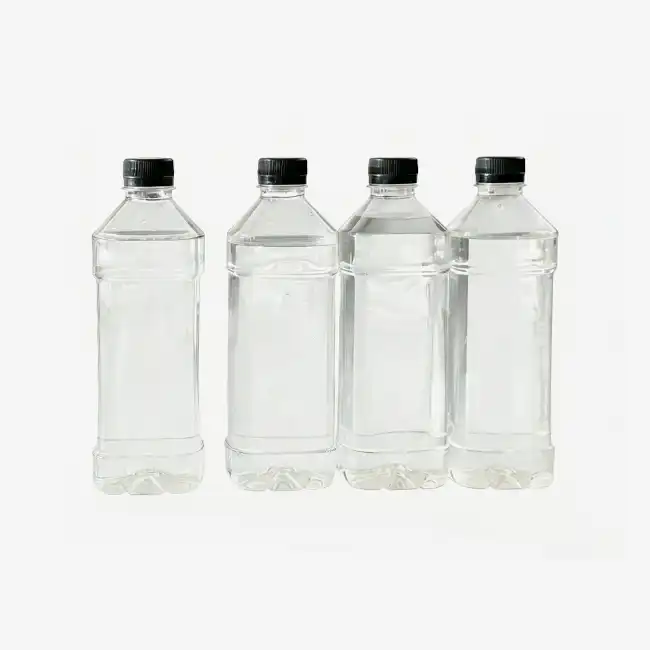
Environmental Compliance Value
As environmental groups become more aware of the long-term damage that road salt does to the environment, stormwater discharge permits are being used to limit the amount of chloride that can enter received seas. Watersheds that provide drinking water to cities, coldwater fish streams, and sensitive marshes are subject to the strictest rules. Potassium acetate has a biodegradability rate of over 95%, which means that the product breaks down naturally without building up in groundwater or surface water. Instead of being poisonous, the potassium part is useful for plants and can be found in grounds next to roads. The plants next to the treated roads don't show any signs of stress or salt burn damage that is common along chloride-treated routes. This difference gets rid of the need for expensive garden repair programs and lowers the risk of liability from claims of property damage by landowners next door.
Application Efficiency Advantages
Because it starts working right away when it comes in contact with something, lower application rates are needed to get the same results as with solid goods that lose material to traffic before they dissolve. Studies in the field show that liquid uses can reach their goals with 20–30% less product by weight than solid options. This efficiency helps to make up for the higher cost per unit of the product while also lowering the total amount of chemicals that are released into the environment. Another cost benefit is that applications are made less often. Because it works better at breaking through ice and lasts longer, it only needs to be applied a few times during long storms. Costs of labor, hours spent running equipment, and fuel used by the fleet all go down in a proportional way during the winter. This leads to practical savings that build up over the course of the season.
Conclusion
In conclusion, many scientific, economic, and environmental factors need to be balanced in order to choose the best snow melting liquid potassium acetate chemistry for your winter upkeep work. Liquid potassium acetate works at temperatures between -15°C and -35°C, making it a useful option for a variety of climates in North America. Its non-corrosive formula also saves important infrastructure. More and more forward-thinking procurement managers are realizing that the quick activation, superior material compatibility, and exceptional environmental profile offer appealing total-cost advantages. By understanding these performance factors and buying issues, you can make smart choices that improve both winter safety and long-term asset management.
FAQ
What temperatures does potassium acetate de-icer work effectively?
Standard 50–60% concentration formulations of snow melting liquid potassium acetate operate effectively from about -15°C to -35°C. This range is much better than sodium chloride, which only works up to -9°C, and it's on par with or better than calcium chloride. Because it can withstand longer periods of low temperatures, it can be used in northern regions and at high elevations, where other goods fail.
How does liquid potassium acetate compare to solid de-icers?
Snow melting liquid potassium acetate versions work right away when they come into touch with something, so they respond faster. They work perfectly with automatic spray systems and keep product from getting spread around by people walking by. When compared to solid grainy options, the liquid format allows for precise application at optimal rates, which lowers both product waste and environmental loads.
Can potassium acetate damage concrete or metal infrastructure?
When made correctly, snow melting liquid potassium acetate keeps corrosion rates about the same as pure water, which are very low compared to chloride goods. Because the pH is alkaline, metal surfaces are constantly kept from rusting. Concrete doesn't chip or wear away at the surface, which makes it perfect for bridge decks, parking structures, and airport facilities where protecting the material is very important.
Partner with Zhaoyi Chemical for Reliable Snow Melting Liquid Potassium Acetate Supply
Zhaoyi Chemical has been making snow melting liquid potassium acetate for more than 30 years and can produce 150,000 tons of it every year to help you with your winter repair work. Our high-quality liquid potassium acetate for melting snow meets strict purity standards, and ISO-certified quality methods check that it stays the same from batch to batch. We provide quick technical help and dependable logistics to city governments, airport owners, and highway repair companies all over North America. Our team is ready to talk about your unique needs, whether you need big IBC tank deliveries or flexitank shipments for large-scale operations. You can email our expert snow melting liquid potassium acetate supplier team at sxzy@sxzhaoyi.com or visit zhaoyichemical.com to get product details, help with application, and special buying solutions for the winter.
References
American Society for Testing and Materials (ASTM). "Standard Practice for Corrosion Testing of Industrial Deicing Chemicals." ASTM G101-18, Annual Book of Standards, 2018.
Transportation Research Board. "Guidelines for the Selection of Snow and Ice Control Materials to Mitigate Environmental Impacts." NCHRP Report 577, National Cooperative Highway Research Program, 2007.
Fischel, M. "Evaluation of Selected Deicers Based on a Review of the Literature." Colorado Department of Transportation Report CDOT-2001-1, 2001.
Airport Cooperative Research Program. "Aircraft and Airfield De/Anti-icing Fluid Management Strategies." ACRP Report 14, Transportation Research Board, 2008.
Levelton Engineering Ltd. "Guidelines for the Selection of Snow and Ice Control Materials to Mitigate Environmental Impacts." Environment Canada, 2004.
Shi, X., Fay, L., Peterson, M.M., Yang, Z. "Freeze-Thaw Damage and Chemical Change of a Portland Cement Concrete in the Presence of Diluted Deicers." Materials and Structures, Vol. 43, 2010.

USER EVALUATE
Here is the customer's evaluation of us