



A Guide to Bulk Buying Snow Melting Liquid Potassium Acetate
Professionals who refuse to give in can use snow melting liquid potassium acetate to meet the needs of both effective winter infrastructure management and environmental duty. This high-quality de-icing agent is safe for the environment and works well with chemicals. It is used by city governments, airport operators, and highway companies in places where subzero temperatures make it hard to keep operations going. Traditional chloride-based options damage infrastructure and pollute environments. This acetate-based formulation, on the other hand, breaks through ice quickly at temperatures as low as -35°C and is biodegradable over 95% of the time. By understanding the buying process, your company can build reliable supply lines, make the best use of its budget, and keep safety standards high during the harsh winter months.
Understanding Liquid Potassium Acetate for Snow Melting
Chemical Composition and Physical Properties
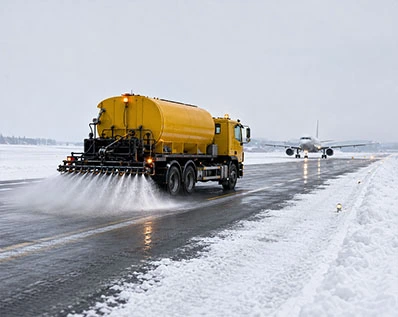
Potassium acetate (CH₃COOK) is a clear, white liquid with a molecular weight of 98.14. This organic salt mixes easily with water to make solutions that stay liquid even when the temperature drops below freezing. Because it is slightly acidic, it works right away when it comes into touch with water. This gets rid of the endothermic delay that comes with solid de-icers that need to dissolve before they can work. The formulation lowers the freezing point to -35°C when given at concentrations between 50 and 60%. This makes it useful in very cold areas where regular sodium chloride doesn't work well. The liquid state makes sure that the coating is spread evenly by automated spray systems and can be used with Fixed Automated Spray Technology, which is often used on important bridge decks and airport runways.
Environmental and Infrastructure Advantages
There are big practical benefits to using acetate-based de-icing products instead of chloride salts. Carbon steel's corrosion rates stay below 0.03g/m²·h, which greatly slows down the breakdown of reinforced concrete, aluminum airplane parts, and bridge structures. This trait of not corroding directly turns into longer asset life and lower maintenance costs. If it breaks down in more than 95% of the time, it means that runoff doesn't pose much of a threat to nearby plants, groundwater systems, and marine environments. The lower chemical oxygen demand is appreciated by municipal officials that are in charge of environmentally sensitive zones compared to urea-based options that add dangerous amounts of ammonia to watershed systems.
Performance Across Climate Conditions
Temperature response is what sets expensive formulas apart from cheaper ones. When the temperature drops below what tools made for water-based solutions can handle, good snow melting liquid potassium acetate keeps its viscosity, which means it can still be pumped and sprayed. More than 85% of the snow melts in one hour at -25°C, which shows the fast reaction times that are needed for emergency situations. The method stops the ice from sticking to the ground, which makes it easier to remove mechanically and requires less work during storms. Highway repair workers who work in a range of elevations like how well the product always works, whether they're in a coastal area or a mountain pass.
Criteria for Choosing the Right Potassium Acetate Product for Bulk Purchase
Grade Selection and Purity Standards
Technical-grade formulas are used to de-ice infrastructure, where melting speed and material compatibility are the most important factors. These rules usually keep the snow melting liquid potassium acetate level between 50 and 60% and the amounts of impurities like iron at or below 0.002%, arsenic at or below 0.0004%, and chloride at or above 0.01%. To avoid problems with secondary pollution, industrial buyers should make sure that heavy metals like lead stay below 0.01% and sulfate amounts stay below 0.05%. Food-grade and pharmaceutical-grade versions have stricter purity standards, which is useful when the same provider works with more than one business. Managers in charge of buying things should ask for certificates of analysis for each batch. These prove that the goods meet certain standards and allow for tracking all the way through the supply chain.
Regulatory Compliance and Certification
Aerospace Material Specification AMS 1435 sets the rules for rust testing and how well materials work together in aviation uses. Environmental approvals that show biodegradability and aquatic toxicity limits are often used in municipal contracts. Suppliers with ISO 9001 quality management systems have written processes that make sure each batch is the same. Suppliers with ISO 14001 environmental certifications show they are committed to using sustainable manufacturing methods. While KOSHER and HALAL approvals may not seem related to infrastructure uses, they actually mean strict controls on contamination and tracking systems that help all buyers, no matter what they use the goods for. By asking for Material Safety Data Sheets and quality certificates before signing buy deals, your company can avoid gaps in compliance that could lead to fines or problems with operations.
Storage and Handling Considerations
When you store things correctly, they last longer and keep their performance qualities. Snow melting liquid potassium acetate needs to be stored in places that are dry, well-ventilated, and away from direct heat and moisture. Temperature changes within acceptable limits don't hurt the solution, but if it freezes for a long time, it might need to be warmed up before it can be pumped through distribution systems. Handling routines stress careful loading and lifting to keep containers from getting damaged, especially when taking care of 1000L IBC tanks that hold a lot of inventory. Cross-contamination can be avoided by keeping compatible substances separate, and emergency reaction needs can be met by setting up marked spill containment areas. Buyers should weigh the benefits and drawbacks of on-site storage space versus delivery operations, keeping in mind the costs of keeping goods and the need for supply continuity during busy winter months.
How to Source and Procure Bulk Quantity of Melting Liquid Potassium Acetate?
Identifying Reputable Manufacturers
Choosing sources with a history of production cuts down on buying risk by a large amount. One company to look at is Shanxi Zhaoyi Chemical Co., Ltd., which was established in 1988 and has been specializing in acetate salts for over 30 years. They can produce up to 150,000 tons of acetate salts every year and have licenses from ISO 9001, ISO 14001, and ISO 45001. This level of operations steadiness makes sure that there is a steady supply, even during times of high seasonal demand, when smaller companies have trouble allocating resources. Geographic diversity in supply networks lowers the risk of regional disruptions, but concentrating volume with fewer partners often gets better terms and more personalized customer service. Technical skills are also important. Companies that offer recipe customization for different climates or automatic dispensing system support show they are committed to more than just selling commodities.
Understanding Pricing Dynamics
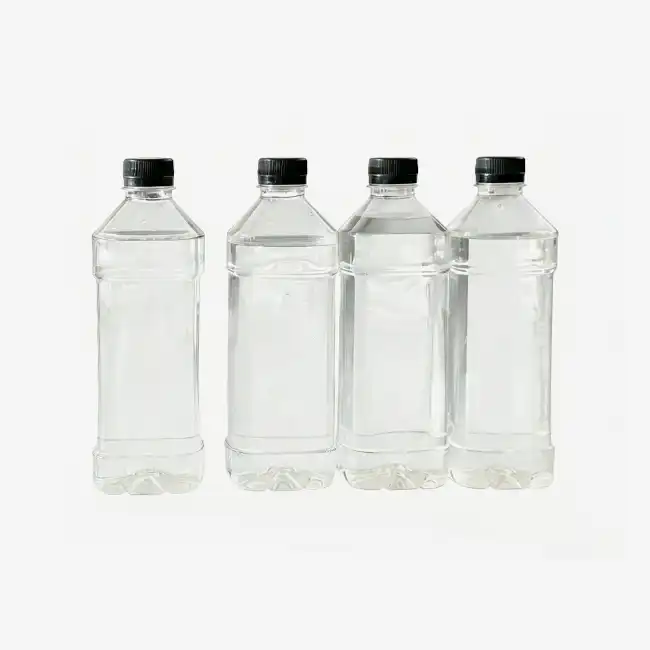
The prices of bulk snow melting liquid potassium acetate are affected by more than just the cost of the raw materials. Concentration levels have a direct effect on price, with higher purity types charging higher prices that are supported by better performance and fewer problems caused by impurities. When purchasing managers negotiate annual contracts instead of one-time purchases, they usually get better terms. This is because volume promises open economies of scale. Due to the weight and viscosity of the product and the need to handle liquids, freight costs a lot. Buyers should look at delivery prices instead of just ex-works quotes. Prices change with the seasons because of changes in demand. Early season orders often get discounts because makers want to make the best use of their production schedules. Standard packaging sizes, like 1000L IBC tanks or 20-ton flexitank containers, usually match the minimum order amounts. This makes logistics economy a key point of discussion.
Documentation and Compliance Requirements
When doing business internationally, you need to pay close attention to shipping rules and customs paperwork. In many places, liquid chemicals are considered dangerous products, which means they have to be labeled, packed, and transported in a certain way. Material Safety Data Sheets give first responders and warehouse workers important information, and Certificates of Analysis show quality assurance teams that the product meets the requirements. Suppliers should send business bills with product classification codes, country-of-origin statements, and any free trade agreement benefits that apply. Letters of credit and other forms of payment must be in line with inspection and shipping plans. Buyers who manage cross-border purchases profit from suppliers who know how to ship goods and are willing to work with freight forwarders to make sure that all the paperwork is correct.
When buying teams know these basic sourcing concepts, they can better make deals that keep the supply chain reliable. Putting in the time and effort to carefully evaluate suppliers pays off with consistent product quality, quick technical support, and stable prices even during the busiest winter months.
Best Practices for Industrial Use and Maximizing the Efficiency of Liquid Potassium Acetate
Application Techniques and Dosage Guidelines
To do a good job of rollout with snow melting liquid potassium acetate, you must first understand how surface temperature, the amount of rain, and application rates are connected. Reactive methods after buildup happen are more effective at melting ice, but they need to be used in higher doses after accumulation. Depending on the temperature of the surface and the amount of rain that is expected, the usual application rate is between 20 and 40 gallons per lane mile. Automatic spray systems that are calibrated to weather tracking sites use the least amount of chemicals possible while still meeting safety standards. To avoid both under-application, which can lead to dangerous conditions, and over-application, which loses material, operators of tank trucks that are used for manual uses need to be trained on how to make sure that the material is distributed evenly. The type of surface affects how quickly it absorbs. For example, porous asphalt may need higher beginning amounts than thick concrete. It is important to keep an eye on the temperature when applying it again, because later rain or snow spray from cars dilutes the concentration.
Safety Protocols and Environmental Management
People who work with snow melting liquid potassium acetate should wear normal chemical safety gear, like goggles that won't get splashed, gloves that won't get chemically damaged, and protection clothing that fits the weather. The low toxicity profile of the material makes the danger less severe than with chloride-based options, but proper procedures still keep people from being exposed without need. Containment with absorbent materials should be part of the spill reaction plan, and the recovered product should be thrown away according to local rules instead of being dumped into the environment. In storage and moving places, emergency eyewash stations and safety showers are very important for keeping people safe. Even though the product breaks down naturally, environmental protection includes using storm drain covers when they are put down near sensitive rivers. Monitoring the pH levels of waste shows that you care about the environment and gives proof for regulatory compliance checks.
Maintenance and Waste Management
Maintenance plans for equipment should take into account the chemical compatibility benefits that snow melting liquid potassium acetate offers. Spray nozzles don't get clogged as often as salt brine systems, but they still need to be checked regularly to make sure they keep spreading the same way. Cleaning the tanks between seasons stops bacterial growth in storage systems, which keeps the quality of the products. The removal of residual material follows the same rules as treating industrial wastewater. Because it is biodegradable, it is easier to get permits for than dangerous garbage. Rinse water from cleaning machines can often be added to existing stormwater management systems after the pH is adjusted. This lowers the cost of getting rid of the waste. The potassium content can be recycled in farming settings where it can be used as fertilizer. This creates useful ways to use off-spec materials or stock that is getting close to its expiration date.
Conclusion
Bulk purchases of snow melting liquid potassium acetate for snow melting necessitate careful consideration of product specs, seller credentials, and application best practices, all of which work together to guarantee operating success all winter long. The benefits of this acetate-based de-icer—protecting infrastructure with very low corrosion, being safe for the environment by biodegrading, and working reliably at high temperatures—make the investment worth it for groups that are responsible for public safety and important transportation infrastructure. Your buying strategy will be successful in the long run if you judge suppliers based on their production capacity, quality certifications, and expert support skills. When you know how to use chemicals properly, follow safety rules, and follow the rules set by regulators, you can turn buying chemicals from a simple transaction into a strategic asset management that protects infrastructure investments and meets your environmental responsibility responsibilities.
FAQ
What temperature range makes liquid potassium acetate most effective?
The method stays effective down to -35°C, which is much lower than rock salt, which stops working at -9°C. Performance stays the same across this temperature range, so snow melting liquid potassium acetate can be relied on to melt ice during severe cold spells when other de-icers fail to do so.
How does liquid potassium acetate compare to solid alternatives?
Liquid versions can be activated right away without having to wait for breakdown, which lets them respond more quickly when conditions change quickly. Spray systems use uniform application, which means less material waste than grainy spreaders, which cover unevenly because they bounce and scatter. Because it's easier to store and move, the slightly higher cost per gallon is balanced out by lower labor and machine upkeep.
Which certifications should buyers verify before purchase?
For aviation uses, you need to follow AMS 1435, and for city contracts, environmental certifications are often required. The ISO 9001 quality management and ISO 14001 environmental standards show that a company is serious about making good products. Ask for Certificates of Analysis that are special to the batch and prove the purity standards and impurity levels that are important for your application.
What environmental considerations matter most?
When biodegradability is over 95%, there is little damage to the environment, and when rust rates are low, infrastructure investments are safe. Because it doesn't contain chloride ions, it doesn't salt the soil or pollute freshwater like regular road salts do. This makes it safe to use near sensitive environments and drinking water sources.
Partner With a Trusted Snow Melting Liquid Potassium Acetate Manufacturer
Zhaoyi Chemical has been making snow melting liquid potassium acetate for more than 30 years and can help you with your winter infrastructure management problems. Our yearly production capacity of 150,000 tons guarantees a steady supply, even during peak seasonal demand. Our ISO 9001, ISO 14001, and ISO 45001 standards ensure stable quality and care for the environment. Within two hours of receiving your question, the expert team will respond with a chat that includes formulation advice that is specific to your location and application equipment. Competitive bulk prices, a range of flexible packaging choices, such as 1000L IBC tanks and flexitank containers, and production wait times of five to seven working days all help you plan your operations. You can email our experts at sxzy@sxzhaoyi.com to talk about your volume needs, get detailed datasheets, and make sure you have enough of our quality snow melting liquid potassium acetate for sale before demand rises during the winter. You can find detailed information about our products and proof of approval at zhaoyichemical.com.
References
American Society for Testing and Materials. (2019). Standard Specification for Non-Chloride Deicing Chemicals. ASTM International, West Conshohocken, PA.
Federal Aviation Administration. (2021). Airport Winter Safety and Operations Advisory Circular. U.S. Department of Transportation, Washington, D.C.
National Research Council. (2018). Guidelines for the Selection of Snow and Ice Control Materials to Mitigate Environmental Impacts. Transportation Research Board, Washington, D.C.
Pacific Northwest Snowfighters Association. (2020). Best Practices for Winter Road Maintenance Operations. Seattle, Washington.
Strategic Highway Research Program. (2017). Manual of Practice for an Effective Anti-icing Program. Transportation Research Board, National Academies, Washington, D.C.
Vitaliano, Donald F. (2016). Economic Analysis of De-icing Chemical Performance and Infrastructure Protection. Journal of Cold Regions Engineering, Vol. 30, Issue 4.

USER EVALUATE
Here is the customer's evaluation of us