



How to Apply Deicing Liquid Potassium Acetate for Best Results
To be completely safe in the winter, you need to do more than just choose the right product. You also need to know exactly how to use it. Deicing liquid potassium acetate is a professional-grade product that works well at low temperatures and protects infrastructure. When used properly, this non-chloride recipe keeps the friction on the runway, stops the bridge deck from freezing, and stops the corrosion damage that happens with salt-based deicers. When you know how much to use, when to use it, and what tools to use, this recyclable acetate solution goes from being a common chemical to a useful tool for airports, city governments, and factories that have to deal with harsh winter weather.
Understanding Potassium Acetate Deicing Liquid
Chemical Composition and Functional Mechanism
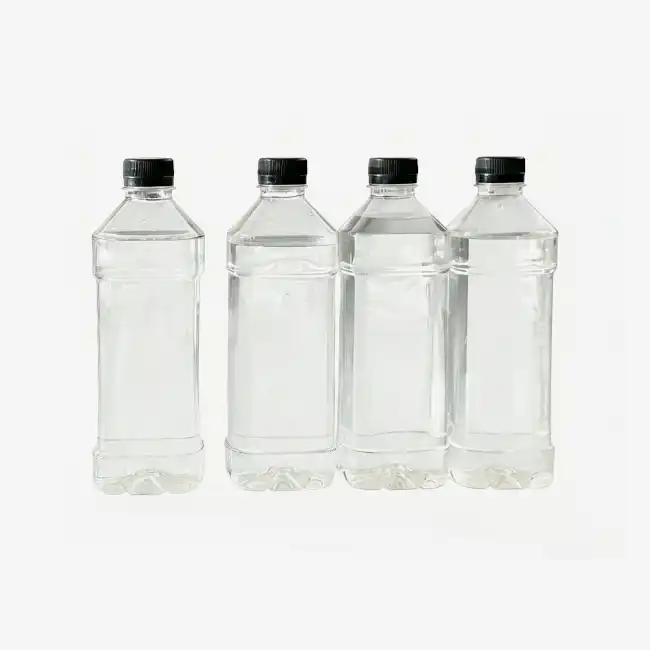
Potassium acetate (CH₃COOK, CAS 127-08-2) works by lowering the temperature of the ice crystals, which stops the formation of lattices at the molecular level. This clear, colorless liquid with a molecular weight of 98.14 stays fluid and effective at -60°C (-76°F), which is much better than calcium chloride or rock salt. The 50–60% concentration mixtures lower the freeze point better while keeping the specific gravity between 1.25 and 1.30, which lets them get through existing layers of ice. Acetate-based solutions make controlled anti-icing walls without staying wet all the time like hygroscopic chlorides do, which speeds up the breaking of concrete.
Industrial Applications Across Critical Infrastructure
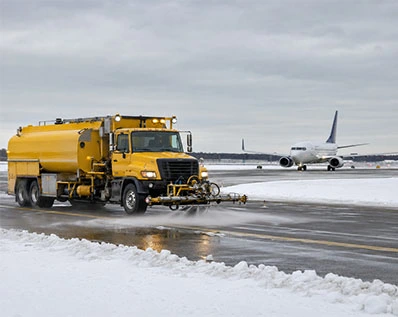
Runway activities at airports are the most difficult use of acetate deicer. Aviation officials recommend this method because chloride-induced stress corrosion cracking can still happen in aluminum alloys, magnesium parts, and cadmium-plated aircraft parts. More and more, highway departments are using acetate solutions through Fixed Automated Spray Technology (FAST) on bridge decks. This is because regular salts damage rebar and cause concrete to separate, which costs millions of dollars to fix. Deicing liquid potassium acetate is used as a ballast fluid and a heat transfer medium in drilling equipment in cold industrial settings. Its temperature stability and non-flammability make it useful for more than just deicing.
Environmental Advantages and Regulatory Compliance
Acetate deicers are preferred by procurement managers because they break down quickly and are not harmful to marine life. Biological Oxygen Demand (BOD) loads from traditional urea-based goods are very high, which causes algae growth and fish deaths in the water they enter. Potassium acetate breaks down naturally into water, carbon dioxide, and small amounts of potassium nutrients, but it doesn't release any nitrogen pollution. The formula meets the requirements of SAE AMS 1435 for aircraft purposes and also gets KOSHER and HALAL certifications for specific uses. Safety Data Sheets (SDS) show that the very low levels of heavy metals—iron ≤0.002%, arsenic ≤0.0004%, and lead ≤0.01%—meet strict environmental standards in North America and Europe and protect sensitive ecosystems near treated infrastructure.
Best Practices for Applying Potassium Acetate Deicing Liquid
Pre-Application Surface Preparation
Deicing that works with deicing liquid potassium acetate starts before the first storm. The surfaces must be clean, dry, and free of anything that could stop the acetate from sticking. Check the sidewalk for any water pools, oil slicks, or broken objects that make the covering uneven. Sweeping or compressed air can be used to get rid of loose materials. Pay attention to expansion joints and draining lines where water pools. It is important to keep an eye on the temperature—substrate temperatures below -20°C may mean that the coating rates need to be changed. Check that the equipment is properly calibrated and that the spray nozzles provide even coverage and that the flow meters correctly measure the amount of dosing to avoid loss or inadequate coverage.
Application Methods and Equipment Selection
When it comes to covering, spray systems are better than straight pour methods. Tanker trucks with boom sprayers spread thin, even films that make the most of surface touch while using the least amount of product. For anti-icing work that is done two to four hours before it rains, the usual spray rates are between 30 and 50 gallons per lane mile. The low viscosity of the liquid makes it easier to atomize with regular field spray tips. However, parts made of stainless steel or polymer will last longer and resist corrosion better than brass ones. Automated bridge spray systems work perfectly with weather tracking stations. When sensors on the sidewalk detect freezing conditions, they start pre-programmed application cycles, which means that no one has to do anything by hand overnight.
Timing Strategies and Dilution Protocols
Reactive deicing doesn't work as well as anti-icing apps. Applying acetate solutions to dry ground before it snows creates a chemical layer that stops ice from forming, which makes it easier for mechanical plows to get rid of the snow. For deicing after a storm, you need to use more of the product—80 to 120 gallons per lane mile—because it has to get through layers of ice. Dilution is still usually not needed because the best concentration is between 50 and 60%, but if money is very tight, 20 to 30 percent water dilution may be necessary for light frost conditions. Keep an eye on the pavement's temperature all the time; reapplication is needed after heavy rain or when the thickness of the leftover film falls below the effective limits, which usually happens every 12 to 18 hours during long freeze events.
Storage and Shelf Life Management
Product purity is maintained throughout multi-year stores by storing it correctly. Keep acetate liquid in covered stainless steel tanks, HDPE containers, or the original 1000L IBC totes in buildings that are dry and well-ventilated. Stay away from direct sunshine and heat sources that break down chemicals faster. The mixture can be kept for an infinite amount of time at temperatures between 5 and 35°C. However, it must be tested for quality every year to make sure the concentration stays stable and there are no microbes present. Keeping storage away from strong oxidizers, acids, and volatile metals stops dangerous reactions from happening. Use first-in, first-out inventory movement and put dates of receipt on the packages. For transportation, containers need to be kept from moving around and climate-controlled shipping needs to be kept up for paths that are sensitive to temperature changes.
Procurement Insights for Buying Potassium Acetate Deicing Liquid
Evaluating Supplier Qualifications and Certifications
To choose trusted manufacturers for deicing liquid potassium acetate, you need to check a lot of quality signs. Systematic quality management is proven by ISO 9001 certification, and environmental responsibility is shown by ISO 14001 certification. Look for providers that follow the ISO 45001 standards for workplace health and safety, which protect workers and make sure that the conditions of production are always the same. Ask for a Certificate of Analysis (CoA) that shows the tests results for each batch, including the amount of potassium acetate, chloride impurities, heavy metals, and pH values, and compares them to the limits set by the manufacturer. Established makers offer a wide range of technical support, such as application training, equipment suggestions, and help with fixing problems, which is something that cheap chemical brokers can't offer.
Bulk Purchasing Strategies and Order Quantities
Knowing the minimum order amounts (MOQ) helps you get the most out of your product investment. When using flexitank packaging, container loads usually need 20 to 22 tons, while IBC tote orders can handle smaller 24-ton truckload amounts. When you negotiate yearly supply deals, you lock in good prices and make sure that supplies will be available during times of high demand when spot market supplies become limited. Check the production ability of your suppliers. Companies that make more than 150,000 tons of goods a year keep a backup stock to avoid running out of goods when demand suddenly rises. Talk about wait times in detail; reputable providers keep production schedules of 5–7 days for normal formulations and 24–48 hours for emergency fulfillment of in-stock goods to meet just-in-time shipping needs.
Logistics Considerations for Global Distribution
The cost of transportation has a big effect on the total landing price. When suppliers keep relationships with big shipping lines, they get better freight rates and promised container space during busy times. Make Incoterms clear. For example, FOB (Free on Board) price means that buyers have to take care of foreign logistics, while CIF (Cost, Insurance, Freight) and DAP (Delivered at Place) terms make buying easier by combining transportation. Check that the packaging is right for the environment where it will be sent. Flexitanks are the most efficient way to transport goods, but they need special handling tools. IBC totes, on the other hand, are easier to store and distribute. Ask your provider to help you with customs paperwork, such as the right HS code classification, Material Safety Data Sheets (MSDS), and certificates of origin that will speed up the border crossing process.
Practical Case Studies and Application Outcomes
Airport Runway Success Implementation
Over the course of three winters, a major airport in the Northeastern United States switched from glycol-based deicers to a 55% deicing liquid potassium acetate solution. Engineers set up rules for spraying 40 gallons per lane mile of anti-icing during operations before a storm. This cut down on reactive deicing events by 70%. Maintenance crews said that the pavement's friction coefficients had gotten better, and that measures of the brake action regularly went above the legal minimums during freeze cycles. The number of rust problems found in aircraft dropped by 65% in just two years, which got rid of the need to repair horizontal stabilizers on a regular basis. Even though the cost of chemicals went up, the airport got its full return on investment in just four seasons. This was mostly due to stalled infrastructure fixes and shorter runway clearance times that cut down on flight delays.
Bridge Infrastructure Protection Program
The highway department of a state outfitted 45 bridges with automatic spray systems that apply potassium acetate in cycles that are set by the weather. Each bridge cost an average of $35,000 to build, and each one used between 8,000 and 12,000 gallons of chemicals every year, based on how exposed it was and how much traffic it got. Five-year structural tests showed that the concrete was breaking down much more slowly than expected—the chloride ion penetration levels were 40% lower than those found in similar bridges that had not been treated. In 80% of core samples, the amount of rebar rust activity dropped below the level needed to be detected. Maintenance engineers found that the network of bridges saved $2.8 million in deck replacement costs. This proved that the investment in acetate deicers was worth it because they protected infrastructure and extended the planned service life by 15 to 20 years.
Troubleshooting Common Application Challenges
Over-application causes the ground to stay wet for a long time and wastes money on products. Adjust the spray equipment and lower the flow rates by 15 to 20 percent. Check the covering by looking at it visually and doing simple freeze tests on the treated areas. Under-application looks like ice melting in spots while leaving other areas frozen. Gradually raise the application rate while checking that the coverage is even. Coverage gaps are caused by spray fan angles that aren't even or nozzles that are clogged. Crystallization of the product during storage means that the percentage has changed or there is contamination. Contact the providers to get a replacement and look over the temperature controls for storage. Less effective after application could mean that the surface is dirty or the base is too cold to work, which needs to be removed mechanically before the chemical treatment.
Application Effectiveness Checklist
To get the best deicing results, you need to pay careful attention to many practical aspects. Check that weather predictions correctly predict when it will rain and how the temperature will change, so that anti-icing can be done proactively instead of reactively. Make sure the substrate stays within the treatment ranges that work, which are usually above -25°C for normal formulas. Every month, check the settings of the equipment and write down the flow rates, spray patterns, and state of the nozzles. Teach workers the right way to apply the product, focusing on even coverage and the right amount for the current circumstances. Keep an eye on treated surfaces to see if they are preventing ice bonds or melting, and change how you apply the product next time based on what you see. Keep specific application logs that record the amount of products used, the weather, and how well they worked. This will help with ongoing improvement and budgeting for future procurement cycles.
Conclusion
Mastering the right way to apply deicing liquid potassium acetate changes winter upkeep from an emergency reaction to a deliberate effort to improve operations. When used at the right time, with the right amount of accuracy, and with the right tools, this professional-grade deicer protects infrastructure better than any other, doesn't harm the environment, and is very cost-effective. Procurement managers and maintenance engineers can safely use acetate-based strategies when they know about the chemical qualities of the solution, can compare its performance to other options, and have seen how it works in real-life situations. Because it works better at low temperatures, doesn't cause corrosion, and follows all the rules, potassium acetate is the best choice for airports, bridges, and industrial sites that can't risk operating safety or asset preservation.
FAQ
Is potassium acetate environmentally safe for surrounding ecosystems?
The natural safety of potassium acetate is much better than that of standard deicers. The mixture breaks down quickly into water, carbon dioxide, and potassium ions, but it doesn't release any harmful nitrogen chemicals that are bad for marine systems. Biological Oxygen Demand stays much lower than urea-based options, which keeps receiving seas from losing oxygen. The substance passes careful tests for aquatic toxicity, showing that at working amounts, it does not cause much harm to fish and invertebrates. Meeting EPA environmental standards and European REACH rules is part of regulatory compliance. This gives procurement managers faith in long-lasting winter maintenance methods.
How long does potassium acetate remain effective after application?
How long an application lasts relies on the weather, the amount of traffic, and the original application rates. Usually, anti-icing treatments that are put on before it snows stay effective for 12 to 18 hours with mild weather and traffic. The method creates a protected layer on the road surfaces that wears away over time due to wear and tear and water from melting snow. If it rains a lot or stays cold for a long time, you may need to reapply after 8 to 12 hours. Stored goods have an infinite shelf life as long as they are kept in sealed cases and kept in the right conditions. However, for multi-year stocks, concentration stability must be checked every year through quality testing.
Can potassium acetate be used on all pavement and metal surfaces?
Because it is compatible with many building materials, deicing liquid potassium acetate can be used with asphalt, concrete, airplane aluminum alloys, and most structural metals. The recipe doesn't corrode, so it keeps steel rebar, bridge cables, and expansion joints safe from damage that chloride salts often cause. If you don't have protection coatings on reactive metals like magnesium, don't use them. However, aerospace-grade formulas are designed to be compatible with airplane parts. Always check the manufacturer's instructions for special surfaces and test on small areas of different substrates before putting them all over important infrastructure.
Get Reliable Potassium Acetate Deicing Solutions from Zhaoyi Chemical
Zhaoyi Chemical can help you with your winter maintenance problems because they have been making acetate for more than 30 years. We are one of the biggest companies that makes deicing liquid potassium acetate. Every year we make 150,000 tons and make sure they meet the strict quality standards set by ISO 9001, ISO 14001, and ISO 45001. Our 50–60% potassium acetate formulas work consistently from -60°C and protect your infrastructure investments by having little effect on rust. We offer flexible packaging in 1000L IBC tanks and flexitanks, and our global shipping partnerships make sure that we can offer low freight rates and on-time delivery. Email our technical team at sxzy@sxzhaoyi.com to talk about buying in bulk, getting free trials with full SDS paperwork, or looking into making formulations that are specific to your needs.
References
Transportation Research Board. Winter Maintenance Operations: Best Practices for Chemical Deicer Application. National Academy of Sciences, 2019.
Airport Cooperative Research Program. Aircraft and Airfield Deicing and Anti-Icing Chemicals: Compatibility and Environmental Impact Assessment. Report 145, 2020.
American Society for Testing and Materials. Standard Practice for Evaluating Deicing Chemicals for Use in Airport Pavement Deicing and Anti-Icing Applications. ASTM D7987-21, 2021.
Federal Highway Administration. Manual of Practice for Snow and Ice Control: Chemical Application Strategies. U.S. Department of Transportation, 2018.
Society of Automotive Engineers. Aerospace Material Specification for Aircraft and Airfield Deicing/Anti-Icing Fluids. SAE AMS 1435B, 2020.
Environmental Protection Agency. Environmental Impact Assessment of Acetate-Based Deicing Solutions for Transportation Infrastructure. EPA Technical Report Series, 2019.

USER EVALUATE
Here is the customer's evaluation of us