



Liquid Potassium Acetate: The Eco-Friendly Snow Solution
Winter brings more than just beautiful scenery; it also causes airports, city road departments, and infrastructure managers all over North America a lot of trouble. Snow melting liquid potassium acetate is a game-changer in how we handle winter maintenance because it offers a solution that safeguards both infrastructure and ecosystems. Unlike regular rock salt, which damages bridge decks and pollutes streams, this organic deicing agent keeps us safe while also protecting the world around us. More and more, the aviation industry, highway officials, and railroad owners are realizing that running operations smoothly in the winter doesn't have to mean sacrificing long-term viability or structural integrity.
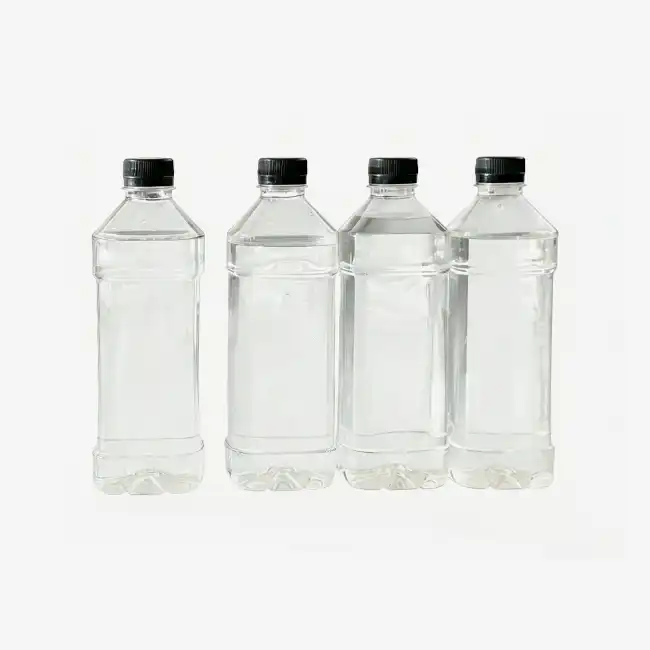
Understanding Liquid Potassium Acetate and Its Chemical Properties
The Chemical Foundation of Effective Deicing
A white, clear liquid with a molecular weight of 98.14, snow melting liquid potassium acetate (CH3COOK, CAS 127-08-2) is a substance. The slightly acidic substance lowers the freezing point to -35°C by reacting with water molecules. This stops the process of crystallization that makes ice. These thermodynamic effects happen because the acetate ion can mess up the hydrogen bonding networks in freezing water. This stops solid ice from forming even during very cold spells.
Environmental Safety Profile
The biodegradability rate is higher than 95%, which means that microbes in dirt and water break down the compound naturally without leaving behind any harmful chemicals. Testing shows that the chloride level stays below 0.01%, which means that the main thing that causes rust in salt-based deicers is no longer present. Heavy metal levels stay very low—the amount of lead is less than 0.01% and the amount of arsenic is less than 0.0004%—meeting strict standards for environmental safety. Because of this purity profile, the recipe can be used near sensitive waterways, protected plant zones, and farmland without hurting the environment.
Handling and Storage Considerations
For proper storage, buildings need to be dry, well-ventilated, and away from sources of heat and wetness. The mix comes in 1000L IBC tanks or flexitanks that are made to be easy to handle and safe to move. Careful loading practices keep containers from getting damaged during transport, which could risk the integrity of the goods. Standard chemical safety procedures are used to separate the mixture from substances that don't work with it, but it doesn't pose as much of a threat as petroleum-based options or chloride salts.
Comparing Liquid Potassium Acetate with Other Deicing Solutions
Performance Metrics Against Traditional Alternatives
When temperatures drop below -9°C, sodium chloride stops working, leaving roads open to damage during deep freezes. Although calcium chloride works a little better, it speeds up the breaking down of concrete and steel at very frightening rates. At -25°C, acetate-based formulas consistently melt more than 85% of snow in just one hour. The liquid form starts working as soon as it comes into touch with water, so there is no delay in dissolving that happens with solid deicers during key response windows.
Corrosion testing shows big differences. Standard chloride solutions eat away at carbon steel at more than 0.15g/m²·h, but potassium acetate solutions do it at less than 0.03g/m²·h. This fivefold decrease directly leads to longer infrastructure lives. Bridge decks, parking structures, and areas made of reinforced concrete don't break down too quickly, which would require expensive repairs and rebuilding.
Cost-Benefit Analysis for Procurement Professionals
Budget research for snow melting liquid potassium acetate looks at more than just the original cost of purchases. Chloride-based deicers seem like a good deal until the costs of rust damage are figured out by maintenance teams. Changing just one bridge deck can cost millions of dollars, which can be avoided by choosing the right deicer. Less equipment wear, lower costs for replacing plants, and no need for groundwater cleanup make acetate solutions the clear choice for lifetime economics. Total cost of ownership (TCO)-focused procurement managers are aware of these practical facts, especially in places with tight budgets and problems with old infrastructure.
The liquid form works perfectly with automatic spray systems, which means that less work needs to be done during storms. Fluid formulations that don't clog nozzles or need motorized spreading tools are good for Fixed Automated Spray Technology (FAST) installs on bridges and overpasses. This organizational efficiency increases the financial benefits and speeds up the time it takes to respond to weather events.
Industrial Applications and Use Cases of Liquid Potassium Acetate
Aviation Sector Requirements
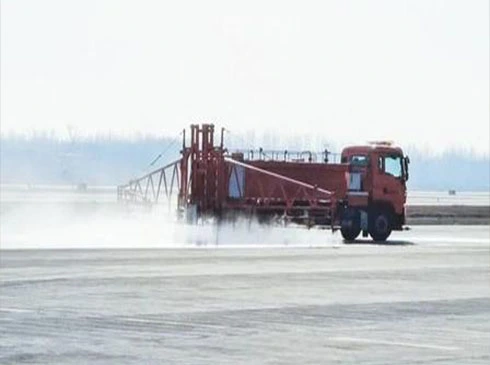
Airport processes require safety standards that can't be lowered. Deicing the runway and taxiways stops the formation of Foreign Object Debris (FOD) and saves the landing gear, brakes, and metal fuselages of aircraft from corrosion. Particulate matter made by solid deicers can get into jet engines or hurt sensitive electronics. The liquid acetate solution meets flight standards, such as AMS 1435, and protects against icing by spraying before it starts to rain or snow and quickly melting the ice when it starts to snow.
Major international airports in the northern United States depend on acetate versions to keep running during winter weather. The money spent saves planes worth hundreds of millions of dollars and keeps passengers safe and flight schedules running, which is good for the economy in billions of dollars.
Critical Infrastructure Protection
Because air moves under buildings, bridge decks freeze before the roads around them. Because of this, dangerous black ice situations happen that are hard for regular spreading tools to handle. Automated spray systems put in place on key overpasses use potassium acetate solutions when sensors that measure the temperature of the ground and rain monitoring systems tell them to. The proactive method stops ice from sticking together instead of trying to break it apart after it forms, which greatly enhances safety.
Commercial and Institutional Properties
Different problems arise on college grounds, hospital buildings, and business office parks. In these places, there is a lot of foot activity, expensive landscaping and building finishes, and the risk of liability. Traditional rock salt hurts decorative plants, stains natural stone, and leaves behind grit that can make you slip. Acetate solutions keep paths and parking lots safe without hurting the changes to the land around them. Risk managers like that they are less likely to be sued, and property managers like that they don't have to pay for spring cleaning or landscaping repair.
Here are the main practical benefits that these different apps show. Rapid action makes sure that safety improves right away during storms. Ecosystems and water supplies in the area are protected by environmental compatibility. Preserving infrastructure makes assets last longer and puts off the costs of replacing them. Regulatory compliance meets more and more strict standards for protecting the environment. Together, these perks solve some of the most important problems that winter repair workers in all fields and areas face.
The effects in real life speak for themselves. Operating plans that keep airports running help the local economy. Highway officials lower the number of accidents and the costs of responding to them. During the winter, commercial properties keep their assets safe and make sure that workers and guests can get to them easily.
Procurement Guide for Industrial Liquid Potassium Acetate
Supplier Evaluation Criteria
A thorough evaluation is needed to choose a snow melting liquid potassium acetate seller. Manufacturing certifications like ISO 9001, ISO 14001, and ISO 45001 show dedication to quality control systems, protecting the environment, and keeping workers safe. Certifications like KOSHER and HALAL show that the output standards meet the needs of a wide range of markets. With these qualifications, you can be sure that the quality of the products you sell will always be the same, and that your supply lines will work as planned.
During times of high demand, production ability is important. Suppliers whose yearly capacity is more than 100,000 tons keep extra supplies on hand in case of shortages during harsh winter weather. Lead times of 5 to 7 working days allow for quick restocking, and long-term partnerships with foreign shipping companies ensure low freight costs and reliable delivery times.
Technical Documentation Requirements
Material Safety Data Sheets (MSDS) give important information about how to handle a substance and proof that it meets legal requirements. Technical specifications that are complete should list purity levels, impurity limits, pH values, freezing points, and performance measures. Consistent quality is ensured by batch testing procedures that look at things like biodegradability, rust rates, and how well they melt snow. Traceability tools follow production lots through supply chains so that problems with quality can be fixed quickly.
Before you buy a lot of something, ask for a sample to be tested. Laboratory testing shows that the specs meet the needs of the business. Performance in real-world settings is confirmed by field trials in real application situations. This extra work helps keep buying costs safe and operations running smoothly.
Logistics and Contract Considerations
When you buy something from another country, you have to deal with customs paperwork, import taxes, and the practicalities of shipping. Established providers can help you figure out how to meet the regulatory standards in different areas. Options for packaging, such as 1000L IBC tanks and flexitanks, match how easy it is to handle with how cheap it is to move. Volume commitments can often get you better prices, but you need to be very good at predicting demand to get the minimum order numbers you need.
When negotiating a contract, the terms of technical help, emergency supply plans for bad weather, and quality guarantees should all be taken into account. Suppliers who give expert support 24 hours a day, seven days a week with answer times of two hours show that they care about their customers' success. Return on investment is maximized by providing after-sales help, such as application guidelines, dilution ratio suggestions, and equipment compatibility advice.
Why Choose Liquid Potassium Acetate: The Rational Choice for Sustainable Winter Solutions?
Environmental Impact Reduction
Groundwater and public water sources that are polluted with chlorine are becoming a bigger environmental problem across North America. Chloride ions stay in water habitats for a long time after they are introduced, putting freshwater species at risk. Snow melting liquid potassium acetate alternatives based on acetate break down naturally through bacteria action, so they don't get contaminated over time. The plants can handle a lot more of it; plants near cleaned areas do very well instead of getting salt burn and dying back like they do when they are exposed to chloride.
Clearly, regulatory trends support deicing methods that are good for the environment. Environmental agencies at the state and federal levels are looking more closely at winter repair efforts to protect watersheds. Acetate solutions are necessary for municipalities that are following consent orders for water quality issues. By adopting new technologies before they're required to, businesses can escape enforcement measures and the fines that come with them.
Infrastructure Preservation Economics
The pile of infrastructure repairs is thought to be in the trillions of dollars by the American Society of Civil Engineers. Decades of using chloride-based deicers have led to neglected bridge upkeep, parking buildings that are falling apart, and roads that aren't holding up. Once the rusting process starts, it speeds up because chloride breaks down the concrete's strength, letting water in that freezes and grows, leading to cracks and structural failure.
Material replacement is needed to break this destructive trend. Using acetate formulas that have 80% lower corrosion rates than chloride options can add decades to the useful life of structures. The effects on money turn out to be big. Under acetate schemes, a parking building that would need major repairs after 25 years of chloride exposure could last for 40 to 50 years. Bridge decks should not be replaced too soon. The money saved will be used to pay for other important building needs without causing the problems that come with big repair projects.
Safety and Operational Continuity
Winter weather causes a lot of crashes on the roads, problems with the economy, and high costs for responding to emergencies. Effective deicing programs have a direct effect on both public safety and the economic growth of the area. Liquid potassium acetate solutions improve safety in measured ways thanks to their quick action and ongoing effectiveness. On improved roads, the number of accidents goes down. It takes emergency services less time to get to you in the winter. Schedules are kept by commercial shipping, which is important for supply chain networks.
It's clear that the industry is moving toward long-term answers for winter upkeep. Leading airports, forward-thinking highway authorities, and building managers know that being environmentally responsible and running a great business go hand in hand. As acetate-based programs offer better technical performance, economic benefits, and regulatory compliance, they are the smart choice for winter operations that will last for decades to come.
Conclusion
The switch to deicing methods that are better for the environment is both an operating necessity and a strategic chance. Snow melting liquid potassium acetate has been shown to protect infrastructure, protect ecosystems, and keep safety standards high in hard winter conditions. The chemistry qualities make it possible for ice to melt at very high temperatures, and the biodegradability keeps the environment from building up. Compared to other chloride-based options, this one has clear benefits in preventing rust, having a smaller effect on the environment, and being more cost-effective over its entire life. Real-world success is proven by industrial uses in areas like aviation, highway upkeep, and commercial properties. A good program execution depends on things like supplier qualifications, technical specs, and transportation planning. Because of rules, the need to protect infrastructure, and practical needs, acetate-based deicing solutions are the best choice for winter repair workers who want to keep their businesses running smoothly and efficiently.
FAQ
How does liquid potassium acetate compare to sodium chloride in extreme cold?
It is much less successful for sodium chloride below -9°C, but potassium acetate works just as well up to -35°C. At -25°C, the acetate version melts snow more efficiently than 85% in just one hour. At these temperatures, rock salt isn't very useful. This difference in performance is very important during bad weather when deicing must work reliably to keep people safe.
Does potassium acetate harm vegetation and wildlife?
The mixture doesn't pose much of a threat to animals or plants. Biodegradability is more than 95%, which means that it can break down naturally without building up dangerous waste. Acetate solutions are not harmful to plants or water like chloride salts are; instead, they are broken down by microbes into carbon dioxide and water. There are no worries about biological damage when the product is applied near landscaped areas, sensitive environments, and bodies of water.
What storage conditions does the product require?
Keep in buildings that are dry, well-ventilated, and away from sources of heat and water. The liquid stays stable at temperatures that are normal for keeping. Putting things in 1000L IBC tanks or flexitanks makes them easier to handle and protects the purity of the product. Standard chemical storing rules say to keep it away from things that don't work with it, but this particular formulation isn't very dangerous compared to many commercial chemicals.
Contact Zhaoyi Chemical: Your Trusted Snow Melting Liquid Potassium Acetate Supplier
Winter activities need answers that are reliable and backed by years of experience. Zhaoyi Chemical can help you with your winter maintenance problems because they have been making specialized acetates for more than thirty years. Our snow melting liquid potassium acetate that melts snow reaches a concentration of 50–60% and a freezing point drop to -35°C, so it always works well when things get tough. We are committed to meeting the quality standards that buying workers need, as shown by our ISO 9001, ISO 14001, ISO 45001, KOSHER, and HALAL certifications. With a yearly production capacity of 150,000 tons, we can keep our supplies on hand even during the busiest winter months.
Our expert support team answers questions about applications, suggests dilutions, and gives tips on how to improve performance within two hours. We provide tailored solutions that meet your specific business needs, whether you're in charge of airports, highways, or commercial sites. You can email our team at sxzy@sxzhaoyi.com to talk about your winter maintenance needs, get detailed specs, or get sample packages. You can look at our full line of acetate products at zhaoyichemical.com and learn why top companies in North America trust Zhaoyi Chemical to make their liquid potassium acetate for melting snow. Use proven deicing methods that are made to work well and be good for the environment to make this winter safer, healthier, and more productive.
References
Transportation Research Board. "Guidelines for the Selection of Snow and Ice Control Materials to Mitigate Environmental Impacts." National Cooperative Highway Research Program Report, 2013.
Federal Aviation Administration. "Aircraft Ground Deicing and Anti-icing Guidelines: AMS 1435 Fluid Specifications." U.S. Department of Transportation, 2018.
American Society of Civil Engineers. "Infrastructure Report Card: Assessment of Bridge and Highway Deterioration from Deicing Practices." ASCE Publications, 2021.
Environmental Protection Agency. "Best Management Practices for Winter Maintenance Operations: Chloride Reduction Strategies." EPA Region 5 Water Quality Division, 2019.
Shi, Xianming and Laura Fay. "Acetate-Based Deicing Agents: Environmental Benefits and Operational Performance." Journal of Cold Regions Engineering, Vol. 26, 2012.
National Research Council Canada. "Comparative Testing of Liquid Deicing Products: Corrosion Rates and Environmental Impact Assessment." Centre for Surface Transportation Technology, 2017.

USER EVALUATE
Here is the customer's evaluation of us