



Why Deicing Liquid Potassium Acetate Outperforms Traditional Salts?
When winter strikes and safety becomes paramount, deicing liquid potassium acetate stands as a superior alternative to conventional sodium chloride and calcium chloride salts. Unlike traditional chloride-based products that corrode infrastructure and harm ecosystems, this acetate-based solution delivers effective ice melting at temperatures as low as -60°C while protecting critical assets like airport runways, bridge decks, and roadways. Its biodegradable formula eliminates toxic runoff, reduces maintenance costs, and meets stringent environmental regulations—making it the preferred choice for procurement professionals managing municipal, aviation, and industrial deicing programs across demanding North American climates.
The Chemistry Behind Superior Deicing Performance
Figuring out how this acetate solution works is the key to understanding why it works faster than other ways in important situations.
Molecular Structure and Freezing Point Depression
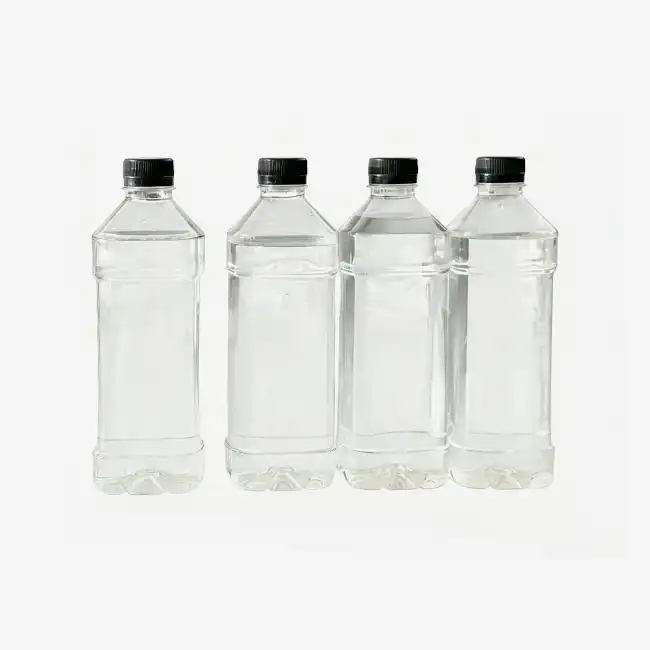
Deicing liquid potassium acetate (CH₃COOK, CAS 127-08-2) used for deicing works by lowering the freezing point of water by a huge amount. The molecular weight of 98.14 makes it easy for the substance to spread out evenly on ice, and the 50–60% concentration makes for a very high eutectic point. This clear, colorless liquid stays moving in very cold temperatures below zero, where rock salt crystallizes and stops working. With a specific gravity of 1.25 to 1.30, the solution goes below the layers of ice and breaks the bond between the sidewalk and the frozen precipitation, rather than just sitting on the top.
How It Compares to Chloride-Based Products?
Normal sodium chloride doesn't work below -9°C and calcium chloride has trouble above -29°C, but this acetate mix works down to -60°C. Chloride salts work by drawing in water, which speeds up the rusting of carbon steel parts to 0.15g/m²·h. Potassium acetate has a weathering rate of 0.033 grams per meter squared per hour, which is 80% less than what it used to be. This means that infrastructure will last longer. Chloride ions get into concrete and attack the rebar, which leads to spalling damage that costs cities and towns millions of dollars every year to fix. Acetate-based deicers completely block this route of breakdown.
Environmental Profile and Biodegradability
Using regular rock salt pollutes waterways with chloride, which hurts marine species and makes groundwater unsafe to drink. Every winter, about 24 million tons of salt are put on the roads in North America. This has long-lasting effects on the environment. About 90% of potassium acetate breaks down naturally into potassium ions, which are good for plants, and acetate, which is easy for soil bacteria to break down. The Biological air Demand stays much lower than with urea-based options. This keeps aquatic life from running out of air, which kills them. The amount of heavy metals (as Pb) stays below 0.001%, and the amount of chloride stays below 0.01%. These are very small amounts that don't cause any environmental risk.
Operational Advantages for Infrastructure Management
Real-world uses show measurable benefits that make the switch from old deicing ways worthwhile.
Airport Runway and Taxiway Applications
For aviation safety to be met, efficiency must not be compromised with deicing liquid potassium acetate. When ice builds up on runways, the friction ratios drop below the safe landing limits. This causes flights to be delayed or canceled, which costs a lot of money. When this deicing liquid potassium acetate solution is sprayed on with special truck systems before it rains, it forms a barrier that keeps ice from sticking to the ground. Solid salt pellets can damage turbine engines if they get into them during takeoff, but the liquid version gets rid of the Foreign Object Debris (FOD) risks they offer. Airports say that deicing works more than 80% of the time in just one hour at -20°C, and the protection lasts for 12 to 24 hours, based on how hard it rains.
The pH range of 7.5 to 9.2 stops the acidic corrosion that happens to airplane aluminum alloys, magnesium parts, and landing gear parts that are covered with cadmium. Following the guidelines set by SAE AMS 1435 for aerospace materials guarantees that they will work with current airplane systems. When major foreign airports switched from glycol-based deicers to potassium acetate formulations, upkeep costs dropped by 35 to 40 percent.
Bridge Deck Protection Through Automated Systems
Because they are exposed from below, bridges freeze before roads do, making black ice conditions that are very dangerous. Fixed Automated Spray Technology (FAST) installations work perfectly with liquid potassium acetate. When temperatures get close to freezing, sensors built into the installations start preventative spraying. Because liquids don't get clogged, they can be delivered automatically, while solid salts need motorized spreaders that can get stuck.
When it comes to freeze-thaw cycles, concrete bridge decks protected with acetate solutions show little scaling, while buildings exposed to chloride show serious damage. Steel rebar keeps structures together without the pitting rusting that happens when salt gets inside. When transportation offices measure how much concrete breaks down each year, they find that acetate deicers cause values of less than 0.01 mm/year, while rock salt causes values of 0.15 mm/year. This means that bridges will last decades longer and won't need to be rebuilt as often.
Municipal Road Networks and Highway Safety
Highway repair workers are under a lot of pressure to keep traffic moving while also guarding the investments made in infrastructure. When applied before a storm, liquid anti-icing stops snow from sticking together, which lets mechanical plows clear the street to a bare surface with fewer runs. When compared to spreading reacting salt after the buildup starts, this pre-treatment method uses 20–30% less material.
The fast melting speed meets the needs of emergency reaction and quickly makes driving safe again during severe weather. Less rust in the base of vehicles means fewer insurance claims and a longer fleet life. Plants that grow next to roads have a better chance of survival because they don't have to deal with the salt-induced drying out that kills trees and bushes in the splash zone of chloride-treated streets.
Industrial and Specialized Applications Beyond Deicing
In tough working settings, the flexible chemistry can be used for other things as well.
Oilfield Drilling Fluid Additive
To get oil out of the ground in the north, drilling fluids must be safe at wellhead temperatures below zero. Deicing liquid potassium acetate can be used to support rock without hurting it and lower the freezing point of water-based muds. Acetate ions keep the shaft intact and stop hydrate formation during deep cold-weather drilling, while chloride salts cause clay to swell and formation damage. Because the chemicals stay stable under pressure and changes in temperature, it can be used for long drilling efforts in the Arctic and abroad.
Heat Transfer and Ballast Applications
In cold places, this solution is used as a backup heat transfer fluid in closed-loop systems in mining and industrial processes. Propylene glycol becomes thick and useless at low temperatures, but the low-temperature fluidity keeps the heat exchange efficiency high. Acetate solutions are used as ballast fluid in equipment that works in permafrost conditions. They keep hydraulic tanks and balancing systems from freezing and stop rusting from happening.
Agricultural Nutrient Delivery
In addition to being used in the winter, potassium acetate can also be sprayed on plants' leaves to give them easy access to potassium during times when they need it the most. The acetate part gives carbon to good bacteria in the soil, and the potassium part fixes problems in sandy or leached soils. This dual feature makes the product more useful for agricultural solution providers who want goods that can do more than one thing.
Procurement Considerations and Quality Standards
Strategic buying means looking at what the seller can do and how consistent the products are.
Manufacturer Certifications and Quality Control
Shanxi Zhaoyi Chemical Co., Ltd. has been making acetate for more than thirty years and has ISO 9001, ISO 14001, and ISO 45001 standards for its 150,000-ton-per-year production capacity. These management systems make sure that there is stability from batch to batch, which is important for automatic dosing equipment and paperwork that shows you are following the rules. KOSHER and HALAL approvals make sure that the standards of purity are met by places with a wide range of operating needs.
Each production batch goes through a series of tests that check for impurities (Fe ≤0.002%, As ≤0.0004%, sulfate ≤0.05%), useful factors like freezing point verification, and a potassium acetate content of between 50 and 60%. Traceability systems connect analytical certificates to individual shipment lots. This lets you figure out what went wrong if there are performance problems.
Packaging and Logistics Solutions
When buying in bulk, 1000L IBC tanks make it easy to move with a normal forklift, or flexitanks make the most of the space inside containers for foreign shipping. If you keep the deicing liquid potassium acetate in HDPE or stainless steel containers that are compatible with it in dry, well-ventilated storage away from heat sources, it will stay fresh for a very long time without breaking down or settling. Standard production lead times of 5 to 7 working days allow for yearly demand spikes, and built-in inventory gaps allow for 24-hour dispatch for urgent needs.
Different buying policies for deicing liquid potassium acetate can be met by using flexible trade terms like FOB, CIF, and DAP. Strategic partnerships with global shipping lines promise cheap freight rates and enough room for containers during the busiest shipping times of the year, in the winter. Custom packing configurations meet the needs of different operations, ranging from small to large amounts, up to railcar numbers for sites that use a lot of goods.
Technical Support and Application Optimization
To switch from old deicing methods, you need to calibrate the application rate and make sure that the new tools will work with the old one. Having access to skilled technical teams can help you figure out the best pre-wetting ratios, spray nozzle choices, and temperature-adjusted dose plans. Pilot testing programs let claims about speed be checked out in real-world settings before the whole system is put into use.
Ongoing support includes reviews of performance at different times of the year, estimates for dilution based on changing weather conditions, and help with fixing problems with automatic delivery systems. This partnership method lowers the risk of adoption and speeds up the time it takes to see a return on investment.
Cost-Benefit Analysis for Long-Term Value
When you know the total cost of ownership, you can see the economic benefits that go beyond the buying price.
Infrastructure Preservation and Maintenance Savings
Corrosion caused by chloride has secret costs that include replacing bridge decks more quickly, fixing concrete, replacing vehicles that break down, and cleaning up the environment. Studies that try to figure out how much these effects cost say that $5 of infrastructure damage happens for every dollar of rock salt used. Deicing liquid potassium acetate solutions stop these ways of breaking down, which keeps the value of the product and makes repair cycles longer.
Reports on bridge inspections show that buildings treated with acetate require less upkeep work. This is because repair funds have been moved from reactive patching to preventative preservation. When undercarriage contact to corrosive residues decreases, vehicles need to be washed less often, which lowers fleet running costs. The cost of replacing landscaping goes down because plants along the roads don't die from salt-induced drought damage.
Regulatory Compliance and Liability Mitigation
More and more, environmental laws are limiting the amount of chlorine that can be released through stormwater permits. Violations lead to police measures, orders to fix problems, and damage to the company's image. By switching to recyclable acetate formulas, you can make sure you're following the changing rules for water quality, avoid fines, and show stakeholders that you care about the environment.
Better sidewalk friction coefficients during winter events lower the risk of slip-and-fall responsibility. When deicing programs keep walking and car roads safer, cities and towns get fewer personal injury claims. Insurance companies know that these lower risks mean less money for them, so they lower the rates of businesses that use advanced deicing procedures.
Operational Efficiency Gains
Spreading rock salt requires more work, but liquid application tools for deicing liquid potassium acetate can do the job more evenly with less work. Automated anti-icing systems get rid of the need for extra pay for emergency calls that happen during storms that happen overnight. Because it is more potent per volume than rock salt, less material needs to be stored. This frees up building room that can be used for other things.
Liquid versions allow pre-treatment techniques that use less material overall by making it less likely for snow to stick. Less application passes mean less fuel use, less machine wear, and fewer hours spent by operators. Every year, these operational changes add up to bigger saves that cancel out differences in the cost of materials.

Why Potassium Acetate Represents the Future of Winter Maintenance?
Advanced deicing chemicals is being used more and more because of changing industry standards and a greater concern for the environment.
Sustainability Mandates and Green Infrastructure Goals
Government organizations all over the world agree to protect the environment and reach carbon neutrality goals. These environmental problems are made worse by traditional deicing methods that cause pollution, damage to ecosystems, and building breakdowns that need a lot of energy to fix. Deicing liquid potassium acetate is environmentally friendly because it breaks down naturally, doesn't need as much to be used, and doesn't damage infrastructure, which extends the lifetime of stored carbon.
More and more, winter maintenance methods are being looked at by green building standards and sustainable infrastructure scores. Choosing environmentally friendly deicing materials can help a building get points toward LEED recognition or Envision framework compliance. This alignment helps companies meet their goals for environmental reports and communicating with stakeholders.
Performance Validation in Critical Applications
Acetate deicers work well in a variety of situations, as shown by decades of operational data from foreign airports, toll authorities, and transportation departments. For runway safety, big airports like Chicago O'Hare, Toronto Pearson, and many in Europe depend on potassium acetate formulas. Unwavering success is needed in these high-stakes situations; continued use shows that something is reliable.
Professional groups like the Transportation Research Board and the National Association of Corrosion Engineers post studies that prove the benefits of acetate in protecting infrastructure. Peer-reviewed studies show lower corrosion rates, estimates of the environment's fate, and cost-benefit analyses that help people make choices about transitions.
Innovation Trajectory and Product Development
Researchers are still looking into ways to make recipes better by adding corrosion inhibitors, performance additives, and methods for making the best use of the materials. In response to customer comments, manufacturers put money into making production more efficient and improving quality. The category of acetate deicers is still changing, with new ideas coming up for improving concentration, finding better ways to package them, and integrating them with other application equipment.
New technologies, like IoT-enabled application systems and weather forecast tools, use the precision delivery powers of liquid deicers. These smart infrastructure techniques make things work better while using less stuff and hurting the environment as little as possible. This is something that old solid salt methods couldn't do.
Conclusion
When it comes to efficiency, environmental effect, and total cost of ownership, deicing liquid potassium acetate is better than traditional chloride salts. The fact that it works at very low temperatures, doesn't corrode, and completely breaks down in nature solves important problems in transportation, flight, and industry. When procurement workers look at winter maintenance strategies, switching to acetate-based options gives them a competitive edge by protecting infrastructure, following rules, and improving operational efficiency. The supporting data, industry adoption trends, and technical specs show that this is not just an option, but the better choice for companies that care about safety, the environment, and their bottom line when managing their winter operations.
FAQ
Is potassium acetate safe for all pavement types and materials?
Although it doesn't damage the surface, potassium acetate works well with asphalt, concrete, and different sidewalk sealers. The pH range of 7.5 to 9.2 stops the acidic wear that some deicers cause as well as the alkaline wear that hurts some aggregates. A lot of tests on airplane aluminum alloys, magnesium parts, and painted surfaces show that there isn't much reaction. Always test the suitability of custom coatings or other unique materials on a small scale before applying them on a large scale.
How does storage stability compare to other liquid deicers?
If potassium acetate is kept properly in dry, well-ventilated buildings using HDPE or stainless steel containers that are compatible, it will stay fresh for a very long time without breaking down or settling. The clear, white liquid doesn't separate into layers or form crystals when the temperature changes. This is better than some glycol-based goods that can oxidize and urea solutions that can get contaminated by microbes. Stay away from metals that don't work well with the product and keep packages closed to keep the product's purity.
What application rates are recommended for different conditions?
Anti-icing usually needs 20 to 40 gallons per lane mile to be put on before it starts to rain. Depending on the thickness and temperature of the ice, deicing during busy buildup may need 40 to 100 gallons per lane mile. At -20°C, you can expect deicing rates of at least 80% in an hour. The application equipment should be set up so that it covers evenly at the right rates. The rates should be adjusted based on the temperature, humidity, and amount of rain. Technical support teams help with optimization methods that are unique to each site.
Partner with Zhaoyi Chemical for Reliable Deicing Solutions
Zhaoyi Chemical is ready to help you with your winter care by providing you with high-quality deicing liquid potassium acetate that is made to strict standards. Our yearly production capacity of 150,000 tons ensures a steady supply, even during busy holiday times. We also offer a range of flexible packing options, from 1000L IBC tanks to flexitanks, to meet the needs of different businesses. Whether you're a city government in charge of roads, an airport operator concerned about runway safety, or a chemical distributor looking for a reliable maker and provider, we provide consistent quality backed by ISO certifications and full technical support. You can email our team at sxzy@sxzhaoyi.com to talk about your unique needs, get technical data sheets, or get low bulk prices on the deicing liquid potassium acetate you need. We've been making acetate for 30 years, and we can help you switch to safer, more environmentally friendly winter care methods.
References
Transportation Research Board. Environmental Impact Assessment of Deicing Compounds on Highway Infrastructure. National Academies Press, 2018.
Society of Automotive Engineers. SAE AMS 1435: Fluid, Generic, Deicing/Anti-icing Runways and Taxiways. SAE International Standards, 2019.
American Society of Civil Engineers. Corrosion Rates of Structural Steel Exposed to Various Deicing Chemicals: A Comparative Study. ASCE Journal of Materials in Civil Engineering, 2020.
Environmental Protection Agency. Best Management Practices for Winter Road Maintenance to Protect Water Quality. EPA Publication Series, 2017.
International Civil Aviation Organization. Airport Winter Operations Planning Guidelines and Assessment Tool. ICAO Doc 9981, 2016.
National Association of Corrosion Engineers. Acetate-Based Deicing Fluids: Environmental Fate and Infrastructure Compatibility Assessment. NACE International Report, 2021.

USER EVALUATE
Here is the customer's evaluation of us