



Snow Melting Liquid Potassium Acetate: The Pro’s Choice for Snow
When winter comes and ice threatens worker safety, pros don't take chances with cheap deicing goods. Snow melting liquid potassium acetate is the best option, and airport operators, city governments, and infrastructure managers all over the world rely on it. This non-chloride liquid deicer is good for the climate and works very well at melting ice. It can lower the freezing point to -35°C and keep carbon steel rust rates below 0.03g/m²·h. Traditional salt-based options damage concrete and steel infrastructure. This acetate-based formulation saves your valuable assets and gets rid of ice quickly, even when it's very cold outside.
Understanding Liquid Potassium Acetate and Its Unique Properties
Chemical Composition and Physical Characteristics
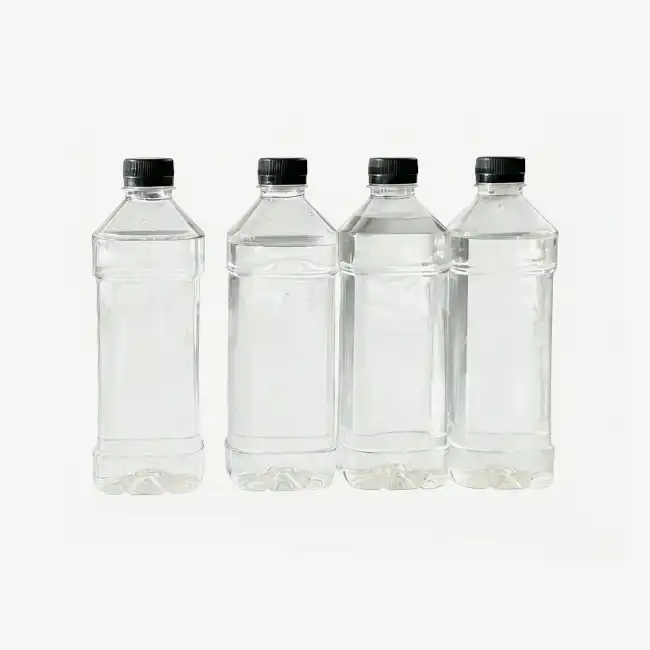
Liquid potassium acetate (CH3COOK, CAS 127-08-2) is a complex chemical solution that was made to be used for important deicing tasks. This clear, colorless liquid has a molecular weight of 98.14, which makes it slightly acidic and different from hard alkaline options. The mixture usually stays between 50 and 60% concentrated, which gives the best performance without any extra that would add to costs or damage to the environment.
This substance is unique because it can lower its freezing point amazingly well. At eutectic content, the solution stays fully liquid at temperatures where other deicers turn into a mush that doesn't work. The pH level, which is between 7.5 and 9.2, makes sure that it works with a variety of surface materials and stops the acid-driven wear and tear that happens with cheaper goods. Because of these qualities, it is very useful in situations where dependability is very important.
Environmental Stability and Low Toxicity Profile
Potassium acetate is biodegradable, which meets the needs of rising government regulations and business pledges to sustainability. Our mixture is more than 95% biodegradable, which means it breaks down naturally and doesn't build up in soil or water. Acetate molecules break down into harmless carbon dioxide and water, while chloride-based deicers kill plants and pollute waterways.
Concerns about toxicity go away with the right composition. Heavy metal content is strictly controlled by Shanxi Zhaoyi Chemical. Lead content is limited to ≤0.01%, arsenic to ≤0.0004%, and iron to ≤0.002%. These requirements are much higher than international safety standards. This means that the product can be used safely near ecosystems that are sensitive, drinking water sources, and planted areas where regular deicers would do a lot of damage.
Superior Performance in Extreme Cold
Professional-grade deicers are different from regular ones because they work better at higher temperatures. At -25°C, our liquid potassium acetate consistently melts more than 85% of snow in one hour, keeping its effectiveness even when sodium chloride and calcium chloride fail completely. The liquid form gets rid of the waiting time needed for dissolution. When it comes into touch with ice, it lowers the freezing point right away and breaks the bond between the ice and the ground.
Advantages of Liquid Potassium Acetate Over Other Deicing Agents
Corrosion Resistance That Protects Infrastructure Investment
The real cost of winter repair work is the damage it does to infrastructure. Chloride-based deicers speed up the rusting of steel rebar in concrete buildings, which causes the structure to become weak and eventually fall apart, which costs a lot to fix. This electrochemical attack can't hurt concrete, steel rebar, metal parts, or painted surfaces because our acetate recipe doesn't corrode them.
Corrosion rates on carbon steel with snow melting liquid potassium acetate are still at or below 0.03g/m²·h, which is a small amount of the damage caused by sodium chloride or calcium chloride options. When bridge workers move to acetate-based deicing programs, the structures last longer, repair plans get shorter, and decks don't need to be replaced as often. Because the materials are compatible with airplane parts, this is the only option for work that needs to be done in the air, where metal corrosion could be dangerous.
Rapid Ice Melting Across Temperature Ranges
When passenger safety and business operations are at stake, speed matters. When it comes in touch with ice, liquid potassium acetate works right away, cutting through layers of ice and breaking molecular bonds faster than solid deicers that have to melt first. For quick reaction during busy storms and pre-treatment before it rains, the ready-to-use liquid format works perfectly with automated spray systems.
By testing them against popular options, we can see that they work much better. While both sodium acetate and potassium acetate are good for the earth, potassium acetate is better in cold weather and lasts longer. Potassium formate has a similar freezing point but doesn't have a track record of safety or approval by regulators. Products made from ethylene glycol are poisonous, but acetate chemistry gets rid of those worries. These differences in performance explain why aviation officials and operators of high-end infrastructure choose potassium acetate even though it costs more per unit—the total cost of ownership is higher for better quality.
Environmental Benefits and Regulatory Compliance
More and more, regulations are making it harder for chloride to get into waterways and sensitive environments. Our recyclable acetate mixture helps businesses meet changing environmental rules without affecting their ability to do their jobs. The chemical breaks down naturally by microbes, so it doesn't cause the long-lasting pollution that happens with chloride-heavy programs.
The ability to tolerate plants is another important benefit. Landscaping next to treated surfaces can handle winter treatments without getting burned and dying back from salt. Customers in the municipal sector like that they don't have to pay to repair damaged ornamental plants, grass, and trees in the spring. Because there is no white dust or tracking into buildings, it is easier to clean up and there are fewer complaints about carpet damage that happen with regular deicers.
Industrial and Commercial Applications of Liquid Potassium Acetate
Airport Runway and Taxiway Operations
Because aviation safety rules leave no room for mistake, airports are the main places where expensive liquid deicers are used. Our snow melting liquid potassium acetate meets strict flight standards, such as AMS 1435. This means that it is compatible with airplane systems and stops the formation of Foreign Object Debris (FOD), which can damage tires and engines.
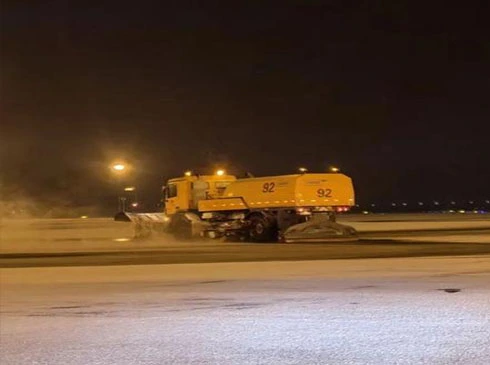
Runway friction factors have a direct effect on landing safety gaps, especially when it rains. Acetate-based anti-icing programs keep the right amount of friction while saving the huge investments in infrastructure like concrete runways and lighting systems that are built in. The liquid form lets you apply it precisely with truck-mounted or set spray bars, which increases covering while reducing product use and environmental impact.
Bridge Decks and Highway Infrastructure
Because the ground isn't insulated, elevated buildings freeze before the roads next to them when treated with snow melting liquid potassium acetate. This creates dangerous situations that need to be fixed right away. Fixed Automated Spray Technology (FAST) systems are used on important bridge decks. They use liquid deicers that don't freeze at very high temperatures and won't clog precise needles. Our potassium acetate solution meets these strict needs and keeps the structure steel and post-tensioned wires from breaking down because of corrosion.
Highway repair workers who are in charge of thousands of lane miles like how easy it is to use liquid application. Adding a potassium acetate solution to solid deicers before they are used makes them stick better to concrete, cuts down on scatter loss, and increases the amount of covering per ton of material. Liquid goods make it possible to use an anti-icing approach that stops ice bonds from forming instead of trying to remove them after they've formed. This saves time and money and makes things safer.
Commercial and Institutional Properties
When people walk on icy sidewalks, hospitals, colleges, business campuses, and shopping areas could be held responsible. These property managers look for deicing options that work well and don't hurt the area environment or decorative concrete or natural stone pavers. Acetate deicers protect both useful and aesthetic investments while keeping walkways safe. They don't corrode and are safe for plants.
When salt is exposed to concrete, it breaks down faster, and when vehicles' undercarriages rust, customers complain. Parking garages have their own problems. Switching to potassium acetate increases the life of structures, lowers the need for upkeep, and shows environmental responsibility that renters and guests who care about sustainability will enjoy. The neutral, low-residue mixture keeps it from tracking into buildings and increasing the cost of cleaning.
Procurement Guide: Buying Liquid Potassium Acetate for Your Business
Selecting Certified Manufacturers and Reliable Suppliers
The success or failure of a program depends on how consistent the quality is. When looking for companies that sell snow melting liquid potassium acetate, approval skills are a good way to make sure that they meet manufacturing standards. ISO 9001 certification proves that quality control methods make sure that each batch is the same. Getting ISO 14001 shows that you care about environmental management. ISO 45001 talks about health and safety rules at work that protect workers all along the production chain.
Shanxi Zhaoyi Chemical keeps these certificates along with KOSHER and HALAL proof, showing that it is dedicated to meeting the needs of a wide range of markets and producing only the best products. We have been making acetate for more than 30 years and can produce up to 150,000 tons of it every year. This gives large-scale building projects the supply stability they need. Within two hours of receiving a question, our technical support team replies with application advice, product customization advice, and troubleshooting help.
Understanding Pricing Structures and Volume Considerations
When making procurement plans, it's important to weigh the unit cost against the total program costs, which include things like application labor, equipment wear, and protecting the infrastructure. Acetate deicers cost more than regular chlorides, but when you look at the total cost, you can see that the numbers are good when you take into account the costs of keeping infrastructure in good shape and following environmental rules. Bulk buying deals save you money by making sure there is a supply during times of high demand.
The type of packaging affects how easy it is to handle and how much it costs to ship. Our 1000L IBC tanks make it easy to move materials with standard forklifts while lowering the cost of container dumping. Flexitank packaging lets customers with the right receiving facilities ship large amounts of goods at a low cost. Working with the maker of your snow melting liquid potassium acetate to choose the best packing cuts down on landing costs and makes managing your inventory easier.
Logistics, Sampling, and Supply Chain Management
Seasonal demand for snow melting liquid potassium acetate causes problems in the supply line that need to be planned for ahead of time. Standard formulations usually have production wait times of five to seven working days. Custom blends or special packages may need more time to be scheduled. Keeping a security stock during the snow season makes sure that orders are filled quickly when bad weather causes them. Strategic agreements with shipping companies around the world allow us to offer reasonable freight rates and dependable arrival times.
Sample testing programs let you make sure that the product will work in your unique operational settings before you commit to buying a lot of it. Based on your climate zone and surface type, we give you detailed advice on application rates, equipment compatibility, and how to get the best results. This consultative method makes sure that the program is put into action well and that you get the most out of your investment.
Safety, Handling, and Best Practices for Liquid Potassium Acetate Use
Storage Requirements and Handling Protocols
The right way to store things keeps them in good shape and keeps workers safe. Liquid potassium acetate needs to be stored in a building that is dry, well-ventilated, and away from sources of heat and wetness. Temperature-controlled storage isn't needed because the mixture is very stable at low temperatures, but keeping the container out of direct sunlight keeps the product's specs even after long periods of storage.
Procedures for moving things should stress the stability of containers. Care must be taken when emptying IBC tanks and flexitanks so that no holes or damaged valves are made that could cause product loss. Keep things away from things that don't go with them to avoid contamination. For example, never store things near strong acids, oxidizing agents, or harmful materials. Our detailed Safety Data Sheets include full instructions on how to handle the product, what personal safety equipment to wear, and what to do in an emergency.
Application Rates and Temperature Considerations
For the best results, application rates need to be matched to the amount of rain, the warmth of the ground, and the amount of traffic. Usually, 20 to 40 gallons are used per lane mile for anti-icing, which forms a layer of protection before it starts to rain. Deicing activities on snow or ice that has hardened may need 40 to 100 gallons per lane mile, based on how deep the snow or ice is and how cold it is.
Calibration of equipment makes sure that the application rates are correct. Spray systems should have their flow tested and nozzles inspected on a regular basis to make sure that the spread is even. Our expert team makes application rate tools that are specific to your equipment and how it will be used. Keeping an eye on the temperature of the pavement helps you decide when to apply liquid deicers. Doing so before the pavement freezes makes them work better and use less product overall.
Environmental Precautions and Emergency Response
Even though potassium acetate is good for the environment, it is important to use it in a way that doesn't harm it. Don't use too much, because that will cause extra water to run off into storm drains or surface waters. Putting target products on the sides of the road instead of the shoulders lowers the load on the environment without affecting how well they work for safety. Calibration of application tools and training for operators cut down on waste and make the most of cost savings.
Procedures for dealing with spills should be set up before they happen. Small spills can be cleaned up with harmless materials and thrown away according to the rules in your area. Large flows need to be contained to keep surface water from getting contaminated, but because acetate breaks down naturally, it doesn't have many long-term effects on the environment. As needed by area environmental laws, notify the right authorities of major releases.
Conclusion
For workers who won't give up on safety, infrastructure protection, or environmental duty, snow melting liquid potassium acetate offers unrivaled performance. Because it melts quickly in a wide range of temperatures, doesn't rust, and breaks down naturally, it is the best choice for airports, important bridge structures, and high-value business properties. Even though it costs more at first than common options, acetate chemistry is more cost-effective in the long run because it protects infrastructure, is environmentally friendly, and is reliable. Acetate-based programs help organizations that want to do lasting winter repair work be both good at their jobs and good at taking care of the environment.
FAQ
Is liquid potassium acetate truly environmentally safe?
Of course. Our mixture is more than 95% biodegradable, meaning it breaks down naturally into carbon dioxide and water through the action of microbes. Potassium acetate breaks down totally, unlike chloride deicers that stay in the ground and dirt for a long time and pollute it. Plants can handle a lot of salt; planting next to treated areas stays alive without getting burned, which can happen when plants are exposed to salt. The product meets environmental protection standards and works better than other deicing products, so it's easy to follow the rules.
How does it perform in extreme cold compared to traditional deicers?
Professional goods are different from everyday ones because they work better at low temperatures. Our liquid potassium acetate keeps melting snow more efficiently than 85% in just one hour at -25°C, which is below the point where sodium chloride stops working almost completely. The formula stays liquid up to -35°C, so the pump and spray device will still work when you need them to. Because it works well in cold weather, it is essential for activities in the north, where high temperatures call for reliable solutions.
Can I purchase in bulk quantities with reliable delivery?
Yes. Shanxi Zhaoyi Chemical keeps its production capacity at 150,000 tons per year, and it keeps security stock on hand to make sure that orders are filled quickly during busy times. We can handle sales of any size, from a single IBC tank for a small business to several truckloads for city programs and airport contracts. Through our transportation agreements, we can offer you cheap freight rates and reliable schedules. Custom delivery plans are made to fit your unique needs for receiving packages and keeping track of your inventory.
Partner with Zhaoyi Chemical for Premium Deicing Solutions
Zhaoyi Chemical is ready to help you with your winter maintenance work by making company-grade snow melting liquid potassium acetate that melts snow to exact specs. Our 30 years of experience making acetate, along with our many quality certifications and quick technical help, guarantees that you will always get a product that works well and is backed by service that is the best in the business. As a reliable provider of snow melting liquid potassium acetate supplier, we offer bulk pricing, a variety of packaging choices, and the dependability of a supply chain that large-scale businesses need. Contact our team at sxzy@sxzhaoyi.com to discuss your unique needs, request product samples, or arrange technical consultation. Discover how moving to deicing based on acetate can protect your infrastructure investment and help you reach your green goals.
References
Transportation Research Board. "Guidelines for the Selection of Snow and Ice Control Materials to Mitigate Environmental Impacts." National Cooperative Highway Research Program Report, 2013.
Fischel, M. "Evaluation of Selected Deicers Based on a Review of the Literature." Colorado Department of Transportation Report, 2001.
Shi, X., et al. "Durability of Steel Reinforced Concrete in Chloride Environments: An Overview." Construction and Building Materials Journal, 2012.
Federal Aviation Administration. "Advisory Circular: Aircraft Ground Deicing and Anti-icing Training Program." U.S. Department of Transportation, 2019.
Kelting, D.L., and Laxson, C.L. "Review of Effects and Costs of Road De-icing with Recommendations for Winter Road Management in the Adirondack Park." Adirondack Watershed Institute Report, 2010.
Nixon, W.A., and Williams, D.L. "A Guide for Selecting Anti-icing Chemicals." Iowa Highway Research Board Project Report, 2001.

USER EVALUATE
Here is the customer's evaluation of us