



Deicing Liquid Potassium Acetate: Non-Corrosive Winter Protection
When winter weather threaten important infrastructure, operations managers have to decide whether to protect areas from ice or corrosion. This issue is completely solved by deicing liquid potassium acetate. At temperatures as low as -60°C, this clear, colorless solution still works well. It also doesn't hurt airplane alloys, bridge rebar, or concrete surfaces very much. Chloride-based deicers break down metal and plants, but potassium acetate breaks down naturally. This gives airports, highway departments, and industrial facilities a way to get rid of ice quickly while also protecting infrastructure and being environmentally friendly.
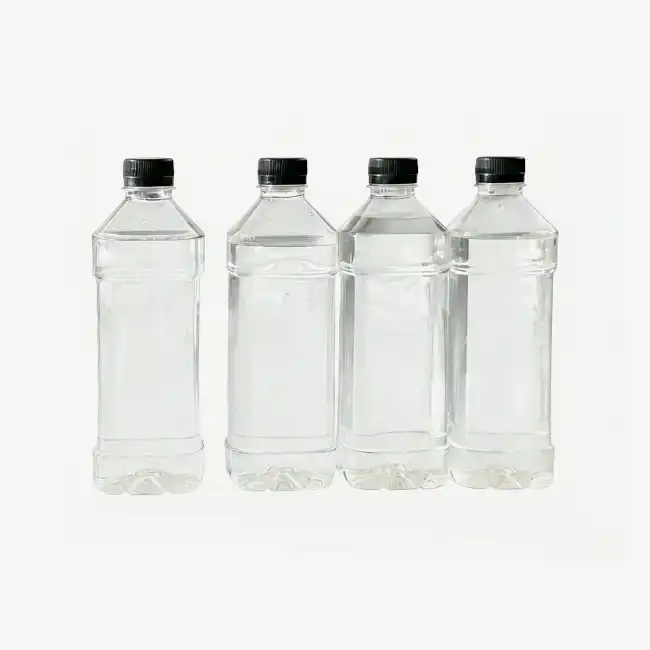
Understanding Potassium Acetate Deicing Liquid
Chemical Composition and Core Properties
Deicing liquid potassium acetate is a chemically formulated solution that works well to melt and stop ice at very low temperatures. The chemical formula CH₃COOK stands for a salt that is made when acetic acid and potassium hydroxide react. This makes a substance that has great freezing point depression properties. This slightly sour-smelling liquid has a molecular weight of 98.14 and is concentrated between 50 and 60% in commercial versions. It works well as an anti-icing agent without harming the environment like older goods.
Mechanism of Action in Extreme Cold
One thing that makes it different from common agents like sodium acetate is that it doesn't freeze and doesn't corrode. The liquid breaks the ice link and stops it from refreezing, which makes it very useful in very cold places where infrastructure needs to last a long time. When the solution is put on concrete before it rains, it makes a brine layer that stops ice crystals from sticking to the surface. This preventative method cuts down on the work needed to remove the debris mechanically and keeps things safer throughout the storm.
The specific gravity of 1.25 to 1.30 makes sure that the solution gets deep enough into the snow to remove moisture and form a liquid barrier under the ice. In runway uses, where quick ice clearance directly affects flight plans and passenger safety, this physical feature is very important.
Environmental and Safety Profile
Potassium acetate is safe and good for the environment because it breaks down naturally and is not harmful to living things. It meets the needs of industry and business users in terms of operations, the environment, and following the rules. Unlike urea-based products that add a lot of Biological Oxygen Demand (BOD) to rivers, acetate-based products break down naturally and don't lower the amount of oxygen in the water. Testing shows that the product has a small effect on the pH of the soil and the health of the plants that grow there. This means that it can be used near sensitive biological zones where regulators will be closely watching it.
The requirement for chloride level of ≤0.01% is a key point for difference. Electrochemical processes that attack steel and aluminum's inactive oxide layers speed up rust when chloride salts are present. Potassium acetate completely avoids this process, which increases the useful life of equipment and lowers the cost of replacing it.
Comparing Potassium Acetate with Other Deicing Liquids
Performance Against Chloride-Based Alternatives
If you compare potassium acetate to other deicing products, like sodium acetate, sodium chloride, calcium chloride, and magnesium chloride, it jumps out. The old-fashioned road salt, sodium chloride, does a lot of damage to cars, buildings, and plants, but it stops working below -9°C. Calcium chloride works better at lower temperatures, but it speeds up the breaking down of concrete and steel at rates that weaken structures. Magnesium chloride claims to be less corrosive, but tests show that it does a lot of damage to metal bridge decks and airplane parts.
It has better corrosion protection with deicing liquid potassium acetate, which is important for flight and infrastructure because it keeps metal and concrete surfaces from getting damaged. In the lab, measuring how fast carbon steel rusts shows that potassium acetate solutions produce rates below 0.03g/m²·h, while calcium chloride solutions produce rates between 0.15 and 0.30g/m²·h under the same conditions. This five- to tenfold drop directly means longer machine life and lower replacement costs later on.
Cost Analysis and Lifecycle Value
Calcium and magnesium chlorides have a lot of melting power at first, but they are often not suitable for use in sensitive or valuable installations because they are acidic and have an effect on the environment. Aviation officials don't allow or limit the use of chloride on fields because it has been shown to damage aircraft frames. Bridge experts say that chloride leakage shortens the service life of concrete by 30 to 40 percent, meaning that it needs expensive repairs decades before it was supposed to.
Cost research also shows that potassium acetate is better for bulk applications because it doesn't need to be reapplied as often and infrastructure is kept in good shape. This lowers the total cost of ownership for large-scale B2B businesses. When procurement managers look at the true cost of ownership, they have to take into account things like less upkeep, longer machine life, avoiding environmental cleanup, and following the rules. When these factors are taken into account, acetate-based products show strong economic benefits, even though they cost more per gallon than regular rock salt.
Application Methods and Best Practices for B2B Clients
Industry-Specific Application Techniques
The best way to use potassium acetate relies on how it is applied in a way that meets the needs of the business. Depending on the surface and the weather, both spray and direct liquid treatments have their benefits. Timing is very important for getting the best deicing results. It is common for airport operations to use chemical trucks with spray bars that cover the runway and taxiway surfaces evenly. When put down two to four hours before it starts to rain, anti-icing barriers made of 30 to 50 gallons per lane mile work well.
Fixed Automated Spray Technology (FAST) systems that check the temperature of the ground and the weather are being used more and more to protect bridge decks. When freezing weather comes, these systems turn on instantly and apply the exact amount of solution needed to stop ice from forming without wasting any of the product. Liquid potassium acetate is very useful for computerized systems because it doesn't get clogged up like crystallization or precipitation would, which would lead to upkeep problems and system failures.
Operational Protocols for Maximum Efficiency
Customized procedures that take both practical workflow and environmental awareness into account are helpful in key areas like airports, logistics hubs, and urban infrastructure. Logistics centers that handle constant truck traffic need to be able to clear ice quickly without letting it stay on the surface for long periods of time. Applying a warming solution (15–20°C) speeds up the initial ice entry, cutting down on the time between application and the start of safe traffic. Clearance times at distribution centers are 40 to 60 minutes, compared to 90 to 120 minutes with the old way of doing things.
Safety, storage, and legal compliance standards for deicing liquid potassium acetate must also be followed to make sure that the products work well and can be easily added to current supply chains and maintenance programs. Storage spaces must keep things dry, well-ventilated, and away from things that don't go together. When kept in stainless steel or high-density polyethylene containers, the product has an indefinite shelf life. This makes it easier to keep track of supplies for businesses that keep strategic stocks. Standard chemical safety rules say that people who handle chemicals must wear splash-proof glasses and chemical-resistant gloves. However, the solution doesn't pose a significant acute poisoning risk.
Procurement Guide for Potassium Acetate Deicing Liquid
Supplier Evaluation Criteria
To do buying right, you need to carefully choose sellers with a good reputation who always meet quality and certification standards, such as ISO and environmental compliance. Verification of ISO 9001 certification proves that quality management systems keep track of the uniformity and transparency of production. The ISO 14001 certification shows that a company cares about the environment, and the ISO 45001 certification covers health and safety at work. These are all important things to think about for businesses that have to report on their sustainability.
Specialized approvals, like KOSHER and HALAL, make sure that production methods meet strict purity standards. This shows that sellers keep an eye out for contamination, which is good for everyone. When providers work with both industrial and food-grade markets, their quality systems usually go above and beyond what is needed. This gives important infrastructure applications extra peace of mind.
Logistics and Contract Considerations
Both online and local shopping options need to be looked at to see how well they handle operations, shipping, and large orders. International buyers can save money on shipping by using flexitanks for containers, while IBC tote shapes are better for local delivery and on-site storage. Having suppliers keep extra stock near important shipping hubs cuts down on lead times and gives them a way to respond quickly to weather emergencies.
Strategies for negotiating contracts that focus on bulk price, extended service agreements, and total cost ownership can help you save a lot of money and keep your business running. Annual supply deals with bulk pledges guarantee better prices and make sure that supplies are distributed during times of high demand. Including technical support clauses in supply contracts, like application training, performance testing, and optimization consulting, makes deicing liquid potassium acetate solutions work better and creates partnerships that go beyond just doing business.

Advantages of Potassium Acetate for B2B Winter Protection Solutions
Infrastructure Preservation and Sustainability
It is clear that deicing liquid potassium acetate is better than traditional deicers. Its non-corrosive chemistry makes infrastructure last longer, and its environmental friendliness helps companies meet their sustainability goals. When highway departments move from chloride salts to acetate-based programs, the service life of bridge decks is extended by 15 to 20 years. Aviation sites say that concerns about airframe corrosion have gone down, and upkeep costs for ground support equipment that works in deiced conditions have gone down as well.
Environmental effects in the supply chain are being looked at more closely in corporate sustainability reports. Winter programs that use acetate help lower Scope 3 pollution and support ESG (Environmental, Social, and Governance) goals. For environmental effect statements and regulatory compliance files, biodegradability data and aquatic toxicity tests are used as proof.
Operational Performance in Critical Applications
It works better in very cold conditions, so the ice melts faster and the protection lasts longer. This is important for keeping people safe and reducing operating downtime. The people who run the airport say that every minute that a runway is closed, planes are late, connections are missed, and passengers have to be compensated. Potassium acetate works quickly and well at low temperatures, so it keeps shipping schedules reliable, which is what customers want for both people and goods.
Compatibility with sensitive biological zones makes sure that rules are followed and that the community accepts the project. Conventional deicers can't be used in places where there are protected marshes, drinking water reservoirs, or homes for endangered species. Acetate formulas offer legal options that meet the requirements of environmental permits while keeping people safe on sidewalks and roads.
As winter upkeep changes, people who used potassium acetate solutions early on will benefit from new ideas and stricter rules that favor eco-friendly goods. There are signs that chloride limits will be tightened in stormwater release permits and restrictions will be widened near sensitive receiving areas. Companies that get better at using acetate-based programs get ahead of the curve when it comes to regulations and gain operating experience that rivals will later find hard to copy.
Conclusion
Strategies for winter protection have hit a turning point where operational success and environmental duty are no longer at odds with each other when using deicing liquid potassium acetate. When temperatures get very high, potassium acetate deicing products can aggressively melt ice while saving infrastructure and the ecosystems around them. The practical case is based on fast performance, longer security periods, and the ability to work with automated application systems. The financial case is stronger when lifetime cost analysis takes into account things like keeping the infrastructure in good shape, lowering upkeep costs, and following the rules. When companies are looking at winter repair plans, they should look at acetate-based solutions not as more expensive options, but as all-around value propositions that cover all the operational, financial, and environmental issues that modern infrastructure managers have to deal with.
FAQ
What makes potassium acetate effective at such low temperatures?
Potassium acetate liquids have a eutectic point at about -60°C, which is much lower than the working range of chloride salts. This chemical property comes from the compound's ability to stop the formation of ice crystal lattices by lowering the freezing point. Because the solution is very soluble and has a high specific gravity, it can get through layers of ice and form a liquid buffer between the ice and the ground.
Is potassium acetate safe for airport aluminum surfaces and nearby vegetation?
Many tests in the flight business have shown that aircraft metals, such as aluminum, magnesium, and cadmium-plated parts, are not significantly affected by corrosion. The answer meets the requirements set by SAE AMS 1435 for aircraft materials used in deicing products for runways. Studies of the environment show that it breaks down quickly and doesn't build up in soils or plants. The amounts of toxicity are also much lower than what is allowed by law for marine animals and land plants.
How does performance compare to calcium chloride in extreme conditions?
Calcium chloride releases heat when it dissolves, but its acidic qualities and negative effects on the environment make these benefits worthless for many uses. Potassium acetate works just as well at lower temperatures and doesn't hurt infrastructure in a way that needs expensive fixes or replacement too soon. Tests of performance show that the rates at which the ice melts are similar or better, and the rust on metals and concrete is much lower.
Partner with a Trusted Deicing Liquid Potassium Acetate Supplier
Zhaoyi Chemical has been making acetate for more than 30 years and can help airports, cities, and businesses with their winter repair needs. Our yearly production capacity of 150,000 tons guarantees a steady supply, even during times of high demand. Our ISO 9001, ISO 14001, and ISO 45001 certifications prove that we meet the standards for quality management and environmental responsibility that your businesses need. As a well-known company that makes deicing liquid potassium acetate, we keep smart inventory and shipping partnerships that allow us to get products to customers quickly when the weather report calls for it. You can email our technical team at sxzy@sxzhaoyi.com to talk about your unique winter protection needs, get full technical datasheets, or get personalized quotes for bulk supply deals. Our application engineers offer full support, including suggestions for dilution, details on the tools you need, and performance improvement plans that are specifically made for your operational setting.
References
American Association of State Highway and Transportation Officials (AASHTO). (2019). Guidelines for the Use of Anti-Icing and Pre-Wetting Chemicals in Winter Maintenance Operations. Washington, DC: AASHTO Publications.
Federal Aviation Administration (FAA). (2018). Advisory Circular 150/5200-30D: Airport Winter Safety and Operations. U.S. Department of Transportation.
Shi, X., Fay, L., Peterson, M. M., & Yang, Z. (2010). Freeze–Thaw Damage and Chemical Change of a Portland Cement Concrete in the Presence of Diluted Deicers. Materials and Structures, 43(7), 933-946.
Society of Automotive Engineers (SAE). (2017). SAE AMS 1435: Fluid, Generic, Deicing/Anti-Icing Runways and Taxiways. SAE International Standards.
Transportation Research Board. (2007). Guidelines for the Selection of Snow and Ice Control Materials to Mitigate Environmental Impacts. NCHRP Report 577. Washington, DC: National Academies Press.
Vitaliano, D. F., & Held, J. (2014). Economic Analysis of Environmentally Friendly Deicing and Anti-Icing Strategies. Transportation Research Record: Journal of the Transportation Research Board, 2440(1), 40-47.

USER EVALUATE
Here is the customer's evaluation of us