



Cost-Benefit Analysis: Deicing Liquid Potassium Acetate Solutions
When winter conditions place infrastructure performance and safety compliance at risk, selecting an appropriate deicing solution becomes a strategic procurement decision rather than a simple material purchase. Deicing liquid potassium acetate represents an advanced approach to winter maintenance, balancing rapid deicing performance with long-term cost efficiency. This acetate-based solution, typically formulated at 50–60% CH₃COOK concentration, provides municipalities, airport operators, and highway authorities with a chloride-free alternative that supports both operational performance and infrastructure preservation. Although the initial procurement cost may be higher than conventional rock salt, comprehensive lifecycle cost analysis demonstrates significant long-term savings through reduced corrosion damage, extended asset lifespan, improved environmental compliance, and minimized operational disruptions, ultimately lowering total cost of ownership.

Understanding Potassium Acetate as a Deicing Solution
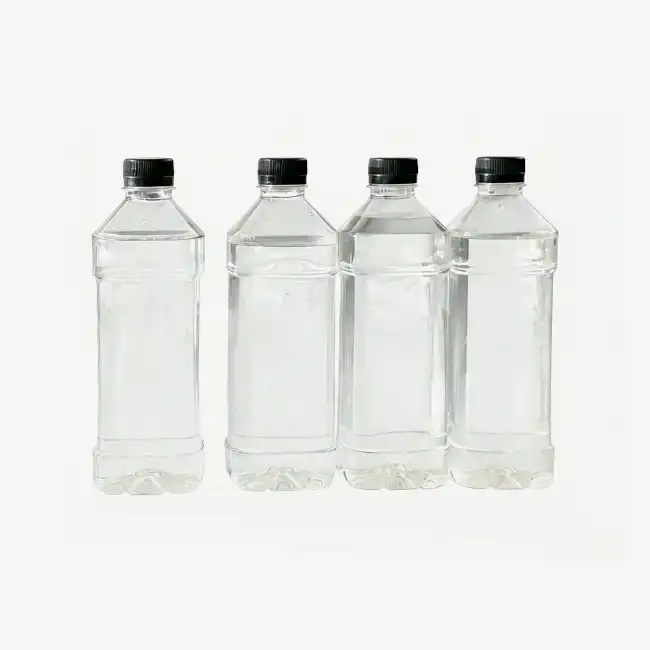
It's amazing how much the science behind managing ice has changed in the last 30 years. Deicing liquid potassium acetate is a strong cryogenic material that can hit temperatures below -60°C (-76°F) and make water much more likely to freeze. This clear, colorless liquid with a molecular weight of 98.14 quickly cuts through snow and ice because its specific gravity is 1.25 to 1.30, which makes it better at breaking through frozen forms than granular options.
Chemical Composition and Performance Characteristics
The arrangement of the molecules in this deicing liquid potassium acetate mixture is what makes it unique. When the potassium cation and the acetate anion work together, they make a solution that stays liquid and works even when it's very cold. It also keeps its pH level between 7.5 and 9.2. This alkaline balance keeps metal surfaces safe from the acidic rust that usually happens with chloride-based goods. Testing in the lab shows that deicing rates are higher than 80% within an hour at -20°C, showing quick action when practical deadlines are most important.
Reputable makers make sure that there is little pollution by following strict purity standards. Technical standards usually limit the amount of salt to ≤0.01%, the amount of iron to ≤0.002%, and the amount of heavy metals to ≤0.01%. This keeps sensitive building materials from getting damaged by accident. These strict quality controls are especially important for airport runways, where harmful agents need to be kept away from airplane aluminum alloys and landing gear systems.
Environmental Profile and Biodegradability
In modern buying, environmental sustainability has gone from being something that could be considered but wasn't required to be a must. Biodegradability rates for deicing liquid potassium acetate are higher than 90%, which means they break down naturally without building up in soil or water. Deicing liquid potassium acetate breaks down easily, unlike options based on urea, which raise Biological Oxygen Demand (BOD) levels and lower oxygen levels in aquatic environments.
Across North America, rules are making it harder for chloride to enter rivers and recharging zones for groundwater. When chlorine levels go above what is allowed, it costs a lot to clean up municipal wastewater treatment plants. By choosing deicing liquid potassium acetate options, procurement managers avoid breaking the rules and the fines that come with them, which can be as high as six figures a year for big operations.
Comparing Potassium Acetate with Traditional Deicing Agents
People who make decisions about infrastructure care have a lot of product choices. Each one has different costs, benefits, and drawbacks. Knowing these differences helps with smart buying that fits with the needs of the business.
Performance Against Chloride-Based Products
Calcium chloride and magnesium chloride are commonly used in winter repair programs because they are cheap to get. These hygroscopic salts make heat when they dissolve, which speeds up the melting process. But their strong corrosive qualities do a lot of damage over time. Studies show that carbon steel corrosion rates reach 0.15-0.25 g/m²·h when exposed to chloride, but only ≤0.03 g/m²·h when exposed to deicing liquid potassium acetate. This means that the material breaks down 80–85% less quickly.
The infrastructure of bridges is especially damaged by chlorine. When chloride ions get into safe concrete matrices, they speed up the rusting of concrete rebar. This causes structures to break apart and needs expensive repairs. Highway offices in northern states say that areas with a lot of salt water cut the time between deck replacements by 30 to 40 percent. The deicing liquid potassium acetate option stops these ions from getting in, which keeps the structure intact.
Liquid Versus Solid Application Formats
It's not just about how well chemicals work; operational efficiency also includes how they are used. There are clear benefits between deicing liquid potassium acetate and grainy spreads. Pre-wetting and anti-icing tactics, which involve applying liquid treatments before it rains, keep ice from sticking to the ground. This preventive method cuts down on the need for mechanical removal and lets lower application rates happen.
When systems are flowing, distribution consistency gets a lot better. Automated spray equipment gives accurate coverage rates, so there is no more uneven spreading that can happen with solid spreaders that is caused by wind, changes in truck speed, and material bounce. Spray trucks cover more ground in one pass, so they use less labor than traditional spreading methods. Fleet managers say that switching to deicing liquid potassium acetate cuts application time by 25 to 35 percent.
Sodium Acetate Comparison
Both sodium and deicing liquid potassium acetate types offer options to chloride, but small changes affect which one is chosen. Deicing liquid potassium acetate has a slightly better ability to lower the freezing point and works better with Fixed Automated Spray Technology (FAST) systems that are used on bridge structures. Additionally, the potassium ion has extra benefits for farming when it flows into areas with plants and acts as a plant food instead of a dirt pollutant. When managing contracts with more than one state, procurement teams often stick to deicing liquid potassium acetate because they work well in a wide range of settings.
Comprehensive Cost-Benefit Financial Analysis
Budget concerns are at the center of buying talks, but focusing only on unit price hides the bigger picture of finances. A complete cost-benefit analysis shows what the real business value is.
Direct Cost Considerations and Bulk Procurement
Price talks that are open and honest admit that deicing liquid potassium acetate is more expensive than regular rock salt. Wholesale prices change based on supply and demand, promises to buy in bulk, and transportation plans. When buying in bulk through 1000L IBC tanks or flexitank container shipments, unit economics are best. This is especially true for big businesses that use more than 50,000 gallons of fuel every season.
Strategic buying of deicing liquid potassium acetate uses agreements with suppliers that are based on relationships. Manufacturers with large production capacities, like plants that can make 150,000 tons per year, offer supply security and bargaining power. Volume contracts that last more than one year and include planned deliveries help keep budgets stable and take advantage of lower prices. Trade words like FOB, CIF, and DAP are flexible, which lets you get the best landing costs based on your own logistics skills versus hiring someone else to handle your freight.
Infrastructure Protection and Lifecycle Extension
To figure out how much erosion prevention saves, you need to know how much replacement cost avoidance is worth. A normal job to fix up a highway bridge deck costs between $150 and $250 per square foot. In complex urban areas, the cost of replacing the whole structure goes over $400 per square foot. Using deicing liquid potassium acetate for rust control to raise the service life of bridge decks from 25 years to 40 years is a big capital expense that has been put off for a long time.
These saves are increased by making equipment last longer. When municipal rental cars are sprayed with chloride, the undercarriage rusts faster, which shortens the time between replacements. Maintenance shops report fewer rust-through fixes and longer service intervals for vehicles when deicing liquid potassium acetate is used instead of high-chloride ones. Airport ground support equipment, like specialty deicing trucks, runway sweepers, and snow removal machines, has higher leftover values and longer depreciation schedules, which lowers the total cost of ownership of the fleet.
Concrete infrastructure is useful for more than just bridges. It's also good for parking lots, industrial yards, and building entrances. Stopping freeze-thaw damage and surface scaling puts off costly projects to resurface. Facility managers who run temperature-controlled shipping centers really like non-tracking deicing liquid potassium acetate formulas that keep the inside of the building clean and the floors from wearing down.
Environmental Compliance and Risk Mitigation
Following the rules has both direct and secondary cash effects. More and more, environmental permits for the release of rainwater include Total Maximum Daily Load (TMDL) limits on chloride concentrations. If levels are exceeded, they have to be fixed, tracking has to be stepped up, and there are possible punishments ranging from warning letters to limited operations.
Taking care of the environment ahead of time by using deicing liquid potassium acetate protects against rules getting stricter. As more evidence on the effects on watersheds comes in, lawmakers are likely to push for tighter limits. Companies that use best management practices early on will be in a better position when they need to update their permits and will not have to pay for expensive changes that are required by new standards.
Don't forget how important community connections are. The media and politicians are put under a lot of pressure to look into how road salt affects drinking water sources and aquatic environments. Documented use of deicing liquid potassium acetate that shows commitment to environmental responsibility boosts an organization's image and builds trust among stakeholders.
Operational Continuity and Safety Performance
Service interruptions caused by bad weather have measurable costs. When airport runways are closed, it costs airlines thousands of dollars every minute to delay arrivals, change flights, and find new places for passengers to stay. Deicing liquid potassium acetate anti-icing programs keep the key friction coefficients needed for safe flight operations, which keeps planes from having to make expensive stops on the ground.
How successful highway repair teams are can be seen by how many accidents they reduce and how well they keep traffic moving during winter events. Effective deicing liquid potassium acetate usage directly leads to fewer collisions, which lowers the costs of responding to emergencies and the risk of being sued. Insurance companies are taking proactive repair plans for winter more and more into account when they figure out risk and premiums.
Industrial sites that depend on just-in-time planning can't afford for entry roads to be closed. Guaranteed site entry is needed for manufacturing plants, distribution hubs, and oil refineries that are open 24 hours a day, seven days a week. Deicing liquid potassium acetate solutions' reliable low-temperature performance gives operators the peace of mind that comes with top placement.
Best Practices for Procurement and Application
To get the best return on investment, you need to pay attention to how you choose suppliers, what products you buy, and how you set up your operations.
Supplier Qualification and Certification Verification
Doing your research before evaluating a seller saves you from inconsistent quality and problems in the supply chain. Established producers that have been in business for more than 20 years show that they are reliable and have a lot of technical know-how. Getting ISO 9001 quality management certification makes sure that work processes are always the same and that quality standards are written down. The ISO 14001 environmental management certification shows that a company is committed to using sustainable methods in all of its production processes for deicing liquid potassium acetate.
Product-specific certificates show that deicing liquid potassium acetate is safe for use in important situations. Even though KOSHER and HALAL certificates are mostly used for food-grade products, they show that strict controls against contamination are in place for all production lines. Material Safety Data Sheets (MSDS) give important information about how to handle chemicals and make sure that the specs listed match the requirements for purchasing them.
Technical Specifications and Testing Protocols
Detailed specs get rid of confusion and make it possible to objectively check the quality of deicing liquid potassium acetate. Key factors include the lowest amount of acetate (50–60% w/w), the highest levels of chlorides, heavy metals, and iron impurities, and performance traits like freezing point and rust rates. Reliable providers include Certificates of Analysis (COA) with every package. These show test results that are specific to the batch and can be linked to production records.
Testing by a third-party lab verifies what the seller says about deicing liquid potassium acetate and keeps specifications from changing. An annual verification test at a separate facility makes sure that ongoing compliance is being met and gives proof for audit trails. Standardized ASTM methods are used for corrosion tests to find out how well deicing liquid potassium acetate works with certain structural metals and coatings.
Application Optimization and Rate Calibration
The right application rates strike a mix between how well they work and how much they are used. Most deicing liquid potassium acetate anti-icing products need 20 to 40 gallons per lane mile, and they need to be put on before it starts to rain. Depending on the thickness of the ice and the temperature outside, deicing activities that remove existing ice may need 40 to 80 gallons per lane mile. Calibrated spray equipment that checks the flow rate makes sure that the supply is always the same and meets engineering standards.
Temperature tracking tells you when to use a program. When the surface of the pavement is below 32°F (0°C) and rain is expected, anti-icing routines are set off. Using real-time weather data with automatic spray systems helps find the best treatment times. This is especially true for bridge deck FAST installations that start working based on the weather for deicing liquid potassium acetate delivery.
Storage and Handling Procedures
Proper keeping keeps deicing liquid potassium acetate safe and effective. A building that is dry and well-ventilated keeps contaminants and wetness out. Tanks made of stainless steel or high-density polyethylene (HDPE) keep materials from not working well with each other. Because the deicing liquid potassium acetate solution has a very low freezing point, it can be stored at room temperature. This means that it doesn't need to be boiled like some liquid deicers do.
Handling methods stress using personal safety equipment and containing spills. Standard procedures for handling chemicals still apply, even though deicing liquid potassium acetate is not very dangerous. Environmental safety is provided by secondary filtration systems that are built around bulk storage tanks. Training employees on how to do transfers and what to do in a situation keeps the workplace safe.
Conclusion
There are many more financial reasons to use deicing liquid potassium acetate besides just comparing prices. Even though it costs more up front than standard chloride options, the overall value comes from protecting infrastructure, being environmentally friendly, being reliable, and not having to pay as much in the long run. Companies that care more about lifetime costing than transactional buying see deicing liquid potassium acetate solutions as long-term investments that pay off in a clear way. As rules get stricter and keeping infrastructure in good shape becomes more important, acetate-based programs help buying teams stay ahead of how the industry changes.
FAQ
What makes potassium acetate more cost-effective than rock salt despite higher unit pricing?
Instead of just lower prices, the cost benefit of deicing liquid potassium acetate comes from saves that happen in other ways. Deicing liquid potassium acetate stops infrastructure from rusting, which would otherwise require expensive fixes to bridge decks, concrete, and equipment that needs to be replaced too soon. Years of higher prices for deicing liquid potassium acetate can be made up for by avoiding one bridge deck repair job that costs $200 or more per square foot. Environmental compliance benefits keep you from having to pay expensive fines, and better performance at low temperatures keeps operations going, so you don't lose money because of building closures or shipping delays. Total cost of ownership analysis over five- to ten-year planning horizons regularly shows that deicing liquid potassium acetate solutions provide better financial outcomes for businesses that value long-lasting infrastructure and caring for the environment.
How does liquid potassium acetate perform compared to calcium chloride in extreme cold?
Deicing liquid potassium acetate works well at temperatures as low as -60°C (-76°F), which is much lower than calcium chloride's useful range of -25°C (-13°F). This wider temperature range makes sure that deicing liquid potassium acetate will work reliably during arctic cold snaps, when other chlorides stop working. The liquid form goes through ice faster than solid chloride goods, which need time to dissolve. When anti-icing products are used before it rains, they stop ice from sticking together completely, which means they don't need to be removed by hand as often. Corrosion tests show that deicing liquid potassium acetate formulas break down materials 80–85% less than calcium chloride, which protects expensive investments in infrastructure and equipment.
What certifications should I look for in a potassium acetate supplier?
Priority certifications for a deicing liquid potassium acetate provider include ISO 9001 quality management, which shows that production processes are consistent, ISO 14001 environmental management, which shows that production methods are sustainable, and ISO 45001 health and safety standards for the workplace. Full technical specs and Certificates of Analysis (COA) for each shipment batch should be included in product-specific paperwork for deicing liquid potassium acetate. MSDS documents contain important information about how to handle things safely. In some situations, you may need KOSHER or HALAL approval to prove that your pollution controls are working. Reliable makers provide testing data from a third party that prove the rates of corrosion, biodegradability, and impurity limits. All of these references work together to make sure that the product is reliable and follows all the rules.
Partner with Zhaoyi Chemical for Your Deicing Liquid Potassium Acetate Needs
Zhaoyi Chemical can help you with your winter maintenance problems because they have been making acetate for more than 30 years. Our deicing liquid potassium acetate supplier qualifications include ISO 9001, ISO 14001, and ISO 45001 certifications. This means that the quality of our 150,000-ton-per-year production plant is always the same. We keep strategic amounts of goods on hand so that orders can be filled quickly. Standard lead times are 5–7 business days, and for pressing needs, we can speed up shipping to 24 hours. Our technical team offers full application support, including suggestions for the right concentration for each spot, help with calibrating tools, and advice on how to get the best performance. Flexible packaging choices, such as 1000L IBC tanks and container flexitanks, can be used for any size of business. For more information on bulk prices, custom formulations, and relationship options that meet your infrastructure security needs, please email our procurement experts at sxzy@sxzhaoyi.com.
References
Transportation Research Board, "Guidelines for the Selection of Snow and Ice Control Materials to Mitigate Environmental Impacts," National Cooperative Highway Research Program Report 577, Transportation Research Board of the National Academies, Washington, D.C., 2007.
Fischel, M., "Evaluation of Selected Deicers Based on a Review of the Literature," Colorado Department of Transportation Report CDOT-DTD-R-2001-15, Denver, Colorado, 2001.
Shi, X., Fay, L., Peterson, M.M., and Yang, Z., "Freeze-Thaw Damage and Chemical Change of a Portland Cement Concrete in the Presence of Diluted Deicers," Materials and Structures, Vol. 43, No. 7, 2010, pp. 933-946.
American Society for Testing and Materials, "Standard Practice for Preparing, Cleaning, and Evaluating Corrosion Test Specimens," ASTM G1-03, West Conshohocken, Pennsylvania, 2017.
Nixon, W.A., and Williams, D.J., "A Guide for Selecting Anti-Icing Chemicals," Version 1.0, Institute for Transportation, Iowa State University, Ames, Iowa, 2001.
Levelton Consultants Ltd., "Guidelines for the Selection of Snow and Ice Control Materials to Mitigate Environmental Impacts," Report prepared for Transportation Association of Canada, Ottawa, Ontario, 2013.

USER EVALUATE
Here is the customer's evaluation of us