



Ensuring Safe Takeoffs with Airport Runway Solid Potassium Acetate
When winter storms make it unsafe for airports to operate, airline managers have to make a tough choice that affects the safety of passengers, flight plans, and the integrity of the aircraft. In order to keep runway friction coefficients while safeguarding expensive aircraft parts from corrosion, airport runway solid potassium acetate has become the de-icing option of choice for modern airfields. It is amazing how well this organic salt mixture works at temperatures as low as -60°C, much better than older options like urea-based goods that stop working below -7°C. Aviation authorities are enforcing stricter environmental rules and corrosion prevention standards. So, procurement professionals need to know why aviation-grade potassium acetate is the best choice for operational safety, environmental responsibility, and long-term cost savings.
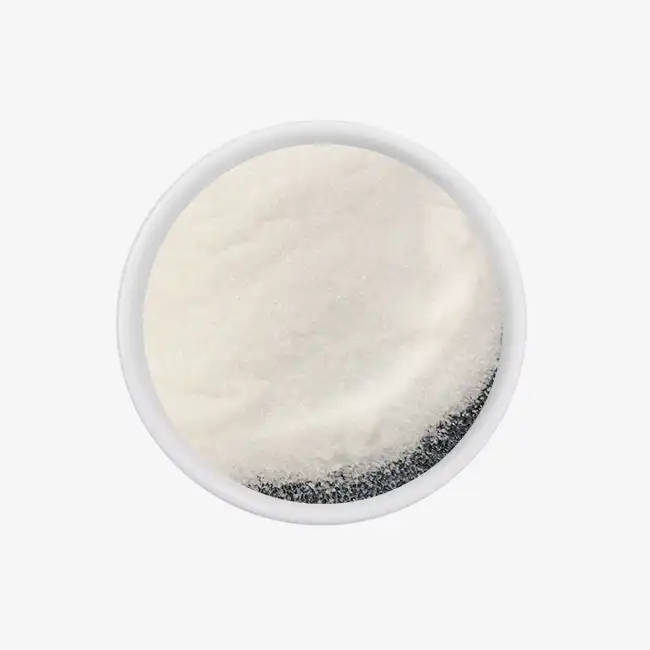
Understanding Solid Potassium Acetate and Its Role in Airport Runway Safety
To de-ice a runway, the science involved needs more than just melted ice. Aviation-grade potassium acetate (CH₃COOK, CAS 127-08-2) solves several problems at the same time thanks to its special molecular features. This white crystalline substance dissolves quickly in water, starting an exothermic process that gives off heat and lowers the temperature at which snow and ice can freeze.
Chemical Composition and Physical Properties
The molecular weight of 98.14 g/mol makes airport runway solid potassium acetate the best choice for freezing point depression while remaining safe for the environment. When made the right way for airport use, this substance stays more than 99.0% pure, so it works the same way in all kinds of weather for years to come. The mass density of 0.8 to 0.9 g/cm³ stops wind scattering during application, which is very important for spreading trucks that work near busy taxiways that cause jet blasts.
Chloride-based salts are bad for aluminum airframes and landing gear systems. Potassium acetate, on the other hand, stays in solution with a pH between 9.0 and 10.5 and doesn't corrode magnesium or cadmium parts. Because of this trait alone, it has been widely used in foreign airports where planes need to be de-iced quickly and corrosion inspections can't wait.
The Freezing Point Depression Mechanism
How does this organic salt work better than other types? The granules start to absorb water right away when they touch ice because they are hygroscopic. As a result, this absorption starts an exothermic breakdown process that creates heat that can reach layers of ice up to 6 mm thick. The brine solution that forms pockets under the ice breaks the link between the ice and the ground.
For potassium acetate mixes that are properly made, the eutectic point (the lowest temperature at which the solution stays liquid) is around -60°C. This ability to work in very cold weather makes sure that runway operations can continue during polar vortices and at high-altitude airports where temperatures regularly drop below -40°C. Maintenance teams can use the product to avoid problems before snow falls or to fix problems after ice builds up. This gives the business more options than systems that only use liquid.
Environmental and Safety Compliance
Since urea-based de-icers were phased out, environmental rules that guide airport activities have become a lot stricter. De-icing products must now be biodegradable and not release harmful ammonia compounds into nearby waterways, according to the Federal Aviation Administration and the Environmental Protection Agency. These needs are met by potassium acetate, which naturally breaks down into carbon dioxide and water by microbes.
The formula for the airport runway solid potassium acetate meets SAE AMS 1431 standards, which are the rules for solid runway de-icers in the aircraft business. These guidelines require strict tests to be done for biochemical oxygen demand, marine toxicity, and the chance of groundwater pollution. Aviation environmental managers like that potassium acetate uses usually have 60–70% less of an effect on water than glycol-based options. This helps airports meet sustainability standards and community relations goals.
Best Practices for Applying Solid Potassium Acetate on Airport Runways
For de-icing to work, you need to use the right tool and do it in the right way so that you get the best results while keeping costs low. Teams doing repair at airports that follow systematic application rules do a better job than facilities that use different methods all the time.
Dosage Calculations and Coverage Rates
To figure out the right application rates, you need to look at the thickness of the ice, the temperature outside, and the state of the ground. According to industry standards, the base rate for light to heavy ice buildup should be between 50 and 100 pounds per 1,000 square feet. It may take rates close to 150 pounds per 1,000 square feet to completely melt layers of ice that are thicker than 4 millimeters within practical timeframes.
Temperature has a big effect on the amount that is needed. At -10°C, normal spray rates are usually enough to melt the ice in 20 to 30 minutes. When temperatures drop below -25°C, increasing application rates by 25–30% makes sure that there are enough chemicals to keep the melting process going, which releases heat. Maintenance planners should figure out ahead of time how big a runway is and make weather-adjusted application charts that ground teams can quickly use during storms.
Application Timing and Technique
By stopping ice bonds from forming, anti-icing treatments made before rain or snow fall are the most cost-effective. When you put down airport runway solid potassium acetate on concrete when it drops below 0°C and freezing rain is expected in 6 to 8 hours, you create a chemical barrier that makes it easier to remove snow later. When compared to reactive de-icing after thick ice builds up, this cautious method cuts the total amount of chemicals used by up to 40%.
During busy snowfall, the best way to make runways available is to use chemicals together with motorized snow removal. Spreader trucks with controlled-discharge systems spread granules evenly across the widths of the runways. This keeps the wheel tracks from getting too much coverage while still making sure the whole area is covered. Using a rotating broom or plow to remove any loose ice and snow after applying a chemical and letting it sit for 15 to 20 minutes raises the friction coefficients back to safe levels.
Personnel Safety and Equipment Considerations
Even though potassium acetate is not very dangerous, simple chemical safety rules must be followed when handling it. When working with their hands, ground crew members should wear safety gloves and eye protection. Because the product is hygroscopic, it can cause mild irritation to the skin by absorbing wetness. However, major health effects are rare if you wear the right safety gear.
To keep products from caking from being exposed to humidity, storage spaces must keep the air dry and well-ventilated. Spreader tools need to be calibrated on a regular basis to make sure they have accurate release rates and even spread patterns. Cleaning equipment after a storm keeps acetate from building up in spreading mechanisms, which could affect the accuracy of future applications.
Schedules for inspecting equipment and training programs for operators should be set up by maintenance managers that stress these practical details.
International Airport Implementation Examples
One of the most advanced solid potassium acetate systems in North America is run by Denver International Airport. Due to the high elevation and frequent winter storms, Denver keeps strategic stockpiles of more than 500 tons of chemicals. Chemical supplies are sent ahead of time to remote runway sites by automatic weather tracking systems. The airport says that it can run 95% of its winter operations on time by combining solid and liquid acetate treatments and making accurate weather forecasts.
In the same way, Norway's Oslo Airport Gardermoen has seen big changes in the environment since switching from glycol-based systems to acetate formulas. Environmental tracking data showed that within three years of starting the program, marine toxicity in airport sewage systems dropped by 68%. The example from Norway shows how using acetate can help with following the rules while keeping operations reliable in the harsh winters of Scandinavia.
Procurement Guide: How to Source Airport-Grade Solid Potassium Acetate
When looking for aviation-grade de-icing materials, it's important to look at more than just price when comparing sources. Professional chemical makers are different from commodity providers because they can consistently provide high-quality chemicals and offer reliable technical support.
Certification Standards and Quality Specifications
Aviation purchase standards must make compliance with SAE AMS 1431 a must-have condition. This guideline for aircraft materials sets purity standards, impurity limits, and performance testing methods that make sure the product can be used in important airport applications. With every package, suppliers should include reports of analysis showing that the chloride content is less than 0.2%, the iron content is less than 0.05%, and the water-insoluble matter content is less than 0.05%.
Quality-focused sellers go above and beyond SAE standards by maintaining ISO 9001 quality management certification, which shows that they have systems in place to control output and track materials. Environmental certificates, such as ISO 14001, show that the maker is committed to using sustainable production methods, which is becoming a more important factor for airport environmental compliance programs. Some international airports need extra certificates like KOSHER or HALAL for goods that are used in areas with a lot of different kinds of passengers. This is done to make sure that processes around the world are sensitive to different cultures.
Evaluating Supplier Reliability and Capacity
Demand spikes during the winter can put a strain on chemical supply lines. To make sure that airport runway solid potassium acetate is available during the busy winter months, airports need to work with makers that have enough production capacity and inventory management systems. To protect against regional demand spikes or production interruptions, a supplier's annual production capacity should be much higher than what you expect your yearly needs to be.
Zhaoyi Chemical runs factories that can make 150,000 tons of products a year. They keep safety stock levels that allow them to fill orders quickly, even when bad weather happens. Standard orders have production lead times of 5 to 7 working days, which allows for quick restocking. In case of an emergency, emergency reaction procedures turn on backup supply routes when weather predictions show unusual storm patterns. This supply chain flexibility is very helpful when airport operations depend on having chemicals available in the worst winter weather.
Logistics and Packaging Considerations
Product wrapping has a big effect on how easy it is to handle and how much space it needs. Aviation-grade solid potassium acetate usually comes in 25 kg plastic weave bags that can be handled by hand or 1000 kg ton-bags that can be used in places with forklifts and bulk storage. The packaging must have damp shields that keep the product from getting too wet while it's being shipped or stored.
Transportation plans need to be coordinated with carriers who know how to follow the rules for handling chemicals. Potassium acetate is not a dangerous substance, which makes sending it easier than with corrosive or toxic substances. However, it is still important to have proper marking and paperwork. International packages need to be classified by customs using the right HS codes. Experienced sellers can help with the paperwork, which speeds up the customs clearance process and makes it easier for airport procurement teams to do their jobs.
The cost of transportation and the ability to respond to emergencies are affected by how close a factory is to other places. Airports should look at how close their suppliers are to their facilities and think about both normal restocking scenarios and emergency restocking situations that could happen if bad weather uses up supplies faster than expected.
Maximizing Operational Efficiency with Potassium Acetate Runway Deicing Solutions
Strategic use of acetate-based de-icing systems has benefits that go beyond melting ice right away. These benefits include long-term changes in operations and cost control.
Temperature Resilience and Performance Longevity
Because airport runway solid potassium acetate formulations work so well at low temperatures, airports don't have to worry about the problems that come up when they use temperature-limited options. Maintenance managers can use the product with confidence, knowing that it will keep working well no matter how cold it gets. This takes the uncertainty out of planning operations for the winter.
Labor costs and equipment wear that come with doing the same cleaning cycle over and over again are cut down by making the performance last longer between uses. A single application of the right amount of acetate usually keeps the runway slippery for 4 to 6 hours during busy snowfall, while less effective products only work for 2 to 3 hours. This extra safety shield cuts down on how often the runway has to be closed for re-treatment. This means that there are fewer flight delays and customer problems that hurt airline relationships and airport income.
Infrastructure Protection and Life-Cycle Costs
Potassium acetate doesn't corrode, which saves a lot of money in the long run by making structures last longer. Acetate de-icing on runway concrete keeps its structural integrity 20–30% longer than surfaces that are exposed to chloride or glycol products. This means that expensive sidewalk repair projects can be put off. Less chemical attack also helps electrical lighting systems, signs, and painted marks, which lowers upkeep costs in many areas of airport operations.
Airports that only use acetate programs say that corrosion inspections are needed much less often, according to aircraft pilots. Getting rid of chloride exposure lets landing gear parts and inner skin sections go longer between maintenance checks. This makes better use of the airplane and lowers the cost of maintenance for airlines. These benefits for airlines make ties between airports stronger and help with talks about route growth. This means that decisions about the chemical program have indirect revenue benefits.
Environmental Compliance and Sustainability Goals
Acetate formulations are in line with business green efforts that are becoming more popular in the aircraft industry. Airports that want to get LEED certification or reach their carbon neutrality goals can show that switching to acetate is better for the environment by showing that it is less harmful to marine life, needs less biochemical oxygen in waste systems, and doesn't release ammonia like older urea products did.
Potassium acetate is soluble, which makes managing stormwater easier and lowers the cost of treating wastewater in airport drainage systems. Environmental monitoring data constantly shows that discharge permits are being followed, which helps keep the neighborhood friendly and avoids fines from the government. As more people learn about how flying affects the environment, these environmental benefits become more important to airport boards when making decisions.
Conclusion
Maintaining airport friction factors that allow safe landings and takeoffs no matter how bad the winter weather is is important for aviation safety. Airport runway solid potassium acetate has become the chosen de-icing option in the aviation business because it works better in cold weather, doesn't damage aircraft or infrastructure, and is safe for the environment, meeting strict regulatory standards. When looking at runway de-icing programs, procurement workers should give more weight to suppliers that can show they follow SAE AMS 1431, have enough production capacity to ensure consistent supply, and have the technical knowledge to support the best application procedures. Long-term cost savings from longer infrastructure life and fewer corrosion inspections for aircraft make it worth spending more on aviation-grade formulas instead of cheaper options that aren't good for important airfield uses.
FAQ
What temperature range does potassium acetate effectively work in?
Aviation-grade potassium acetate formulas work at temperatures as low as -60°C (-76°F), which is much lower than the performance limits of other goods like urea (which only works at -7°C) or sodium formate. This ability to work in very cold weather makes sure that the deicing of runways works consistently during polar vortex events and at high-altitude airports where temperatures regularly drop to very low levels.
How does potassium acetate compare to chloride salts in corrosion risk?
Chloride-based de-icers eat away at aluminum, magnesium, and cadmium parts in airplanes very quickly, with rates higher than 0.12 g/m²·h for carbon steel. Potassium acetate keeps rust rates below 0.03 g/m²·h, which pretty much gets rid of the damage to airplanes and inspection problems that come with chloride exposure. Due to their non-corrosive nature, acetates are the only choice for airport runway uses, even though they are more expensive.
What certifications should airport-grade potassium acetate meet?
The standards for solid runway de-icers in the aircraft business, SAE AMS 1431, must be included in the procurement documents. Other certifications, like ISO 9001 for quality management, ISO 14001 for environmental management, and ISO 45001 for worker safety, show that the provider is dedicated to responsible manufacturing and uniform quality, which are important for important aviation uses.
Partner with Zhaoyi Chemical for Reliable Airport Runway Solid Potassium Acetate Supply
Aviation managers who need reliable help with winter operations will find that Zhaoyi Chemical has 30 years of experience making acetate that is perfect for tough airport uses. Our aviation-grade solid potassium acetate is more than 99.0% pure and meets SAE AMS 1431 standards. This means it will work consistently during severe weather events. We keep a large inventory to support emergency orders, and we offer expert advice to help maintenance teams make the best use of application protocols in their particular operating settings. Get in touch with our flight solutions team at sxzy@sxzhaoyi.com to talk about your seasonal needs with a reliable maker of airport runway solid potassium acetate. Our helpful customer service, low bulk prices, and flexible delivery times help you meet your buying goals while keeping the supply stability that winter operations need.
References
Society of Automotive Engineers. "Solid Runway and Taxiway Deicing/Anti-icing Compound." SAE AMS 1431E Aerospace Material Specification, 2018.
Klein-Paste, A. and Wåhlin, J. "Wet Pavement Anti-icing—A Physical Mechanism Study." Cold Regions Science and Technology, vol. 66, no. 2-3, 2011, pp. 53-61.
Federal Aviation Administration. "Guidelines and Procedures for Maintenance of Airport Pavements." Advisory Circular 150/5380-6C, U.S. Department of Transportation, 2014.
Fischel, M. "Evaluation of Selected Deicers Based on a Review of the Literature." Colorado Department of Transportation Report No. CDOT-DTD-R-2001-15, 2001.
Shi, X., Akin, M., Pan, T., Fay, L., Liu, Y., and Yang, Z. "Deicer Impacts on Pavement Materials: Introduction and Recent Developments." The Open Civil Engineering Journal, vol. 3, 2009, pp. 16-27.
Environmental Protection Agency. "Airport Deicing Operations: Effluent Limitations Guidelines and New Source Performance Standards." Federal Register, vol. 77, no. 161, 2012, pp. 49632-49682.

USER EVALUATE
Here is the customer's evaluation of us