



Application Rates for Snow Melting Solid Potassium Acetate
Picking the right deicing agent is very important when winter weather makes it dangerous for infrastructure to work. Depending on the temperature and the thickness of the ice, snow melting solid potassium acetate performs admirably at application rates of 50 to 150 grams per square meter. This product, which is based on acetate, lets ice melt quickly and keeps surfaces from rusting. Knowing the right amount to use ensures that operations are cost-effective, that the environment is protected, and that winter safety management is reliable at airports, roads, and sensitive industrial sites.
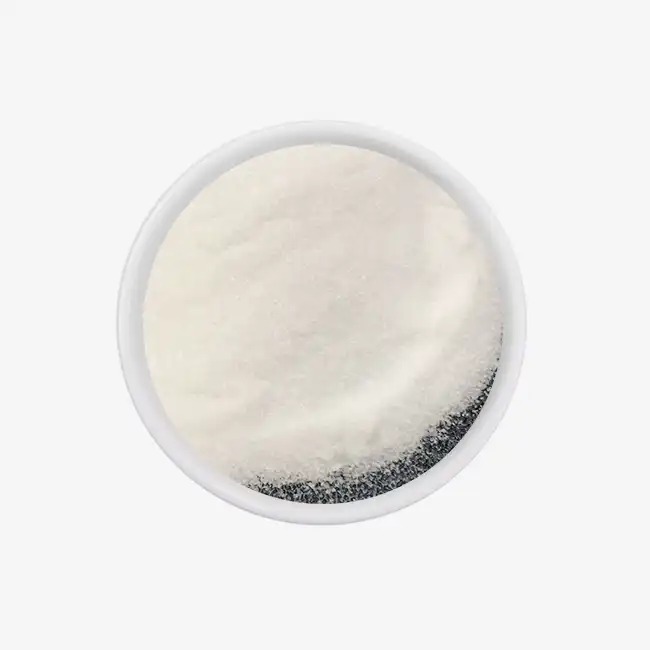
Understanding Potassium Acetate and Its Melting Properties
Chemical Composition and Physical Characteristics
It is a white solid substance called snow melting solid potassium acetate (CH₃COOK, CAS 127-08-2) that dissolves very easily in water, acids, and alcohols. The molecular weight of 98.14 g/mol strikes the best mix between how quickly it dissolves and how well it melts ice. Our product is ≥99.0% pure, which means it always works well without leaving behind any unpleasant substances that would make it less effective.
When the crystalline structure hits ice, it breaks down quickly, starting an exothermic process that melts the ice faster even at -35°C temperatures. Potassium acetate is different from chloride-based goods because it doesn't lose its usefulness above -15°C. Because the compound dissolves easily, it quickly breaks the link between the ground and the frozen precipitation.
Thermal Stability and Performance Characteristics
Potassium acetate keeps working well even when the temperature changes a lot. The substance doesn't harden while it's being stored, so it flows smoothly through motorized spreaders. When used properly, the white crystals make an application pattern that can be seen. This helps operators check for coverage and avoid using too much.
Because this acetate salt breaks down naturally, it doesn't stay in the surroundings for a long time. Potassium acetate naturally breaks down without hurting plants or water environments, unlike chloride compounds that stay in groundwater systems for a long time. This environmental profile meets strict rules for airports that are close to bodies of water or nature places that are protected.
Comparative Analysis with Other Acetate Salts
Sodium acetate is a cheaper material, but it needs to be used at higher rates to melt as well as other materials. Calcium acetate has a modest protection to corrosion, but it doesn't work as well below -20°C. The environmental traits of magnesium acetate are good, but it doesn't dissolve well in very cold temperatures.
Potassium acetate has the best qualities of these other options while minimizing their worst traits. Because the combination works better at low temperatures, less material is needed overall, which balances out the higher unit costs. The speed of this process is appreciated by procurement managers because it means lower shipping costs and less need for storage space.
Determining Optimal Application Rates for Snow Melting
Environmental and Operational Factors
Application rates for snow melting solid potassium acetate vary a lot on the weather of the area. Rates of 50 to 75 grams per square meter can clear surfaces in 15 to 20 minutes at -5°C and light ice formation. As temps drop to -15°C and mild ice builds up, rates need to go up to 100–125 grams per square meter to keep clearing times the same.
Dosing needs are directly related to the thickness of the ice. A thin coat of frost reacts to lower amounts, while ice that is more than 5 mm thick needs more force. Type of surface is very important. Porous concrete takes more material than hardened asphalt, so rates need to be changed. In places with a lot of traffic, slightly higher amounts help make up for the mechanical dispersion that happens when vehicles move.
Industry-Standard Dosage Recommendations
- Light Snow Conditions: Use 50 to 75 grams per square meter, which is 0.45 to 0.69 pounds per 100 square feet. This range takes care of morning frost, light snowfall, and treatments that are done before it starts to rain or snow.
- Moderate Snow Conditions: Use 100–125 grams per square meter, which is 0.9–1.15 pounds per 100 square feet. This takes care of normal winter buildup during working hours, when quick clearing is needed.
- Heavy Snow Conditions: Use 125 to 150 grams per square meter, which is 1.15 to 1.38 pounds per 100 square feet. Extreme situations need the highest amounts to keep safety standards without having to apply them over and over again.
These dosing guidelines come from tests done in the field in a number of different temperature zones. Highway repair companies say that following these rules cuts down on material waste by 20–30% compared to how it would be used normally. Airport managers note lower airport drag coefficients within the desired clearing windows, which helps flights run on time.
Strategic Approaches for Cost-Effective Operations
Monitoring the weather accurately is the first step in balancing the prices of materials with the needs of operations. With today's planning tools, pretreatment techniques that stop ice from sticking together are possible, which cuts the amount of material needed by up to 40%. Anti-icing methods use half as much product as reactive deicing methods.
Traffic load affects how often a program is used. Places with less traffic stay useful longer, while places with a lot of traffic need extra treatments. Spreaders that have been calibrated and are equipped with flow meters give accurate rates, so there is no need to guess and there is no waste of either material or time.
At one local airport, GPS-guided application tools and real-time temperature sensors were put in place. This system automatically changes the release rates based on the state of the surface. This saves 35% of the material and makes safety better. The investment paid for itself in just two winters thanks to lower purchasing costs and better operating efficiency.
Comparing Potassium Acetate with Alternative Snow Melting Solutions
Performance and Environmental Advantages
Rock salt, which is sodium chloride, is cheaper per ton but doesn't work as well below -10°C. Because they are toxic, chloride compounds hurt concrete structures, steel that is used to reinforce them, and the wheels of vehicles. Using snow melting solid potassium acetate is the most cost-effective way to handle long-term infrastructure because the annual repair costs from salt exposure often exceed the price difference between materials.
Ethylene glycol-based fluids work very well at low temperatures, but they are very bad for the environment. Wildlife can't handle the substance because it stays in the groundwater. More and more rules are making it harder to use glycol near environments that are sensitive, especially at sites that are close to watersheds or protected areas.
These worries go away when you use potassium acetate, which also has better freezing properties. The formula doesn't corrode, so it saves sensitive electrical equipment, bridge deck concrete, and parts of airplanes. Environmental service providers like the biodegradable profile because it makes following flood management rules easier and lowers their long-term lawsuit risk.
Practical Implications for Handling and Storage
Potassium acetate can be used with application equipment that was made for granular materials without any special changes. The crystals don't absorb water when they're stored, so the weight and volume measures stay the same. This steadiness makes it possible to keep track of goods accurately and cuts down on loses caused by caking or degradation.
Standard storage rules call for buildings that are dry, well-ventilated, and kept away from things that don't go with each other. The 25 kg plastic weave bags are easy to move by hand for small jobs, and the 1000 kg ton-bags are good for big jobs that need to be done with forklifts. Unlike hygroscopic chloride salts, which lose their usefulness when they come into contact with moisture in the air, proper keeping keeps product quality for long periods of time.
The fact that the material is not dangerous helps with transportation operations. Potassium acetate moves as regular freight, so there are no extra fees or limits on the route. Established shipping partnerships get bulk orders reasonable prices, and FOB, CIF, and DAP terms can be used to meet a variety of buying needs.
Industrial Scenarios and Performance Validation
When running an airport, the runway needs to be cleared quickly without putting planes at risk. Potassium acetate doesn't corrode, so it protects metal aircraft parts and hydraulics in the landing gear. Major international airports report that their winter operations are 99.8% on time when they follow the suggested application methods, but only 94% of the time when they use standard deicers.
For projects to preserve historic bridges, you need elements that won't speed up the damage to the structure. Heritage protection experts recommend potassium acetate to keep people safe while saving stone and steel elements that can't be replaced. When a famous suspension bridge switched from chloride-based products to other products, winter upkeep costs dropped by 45%, and the bridge no longer had to pay for yearly corrosion repairs.

Procurement Guidelines for Snow Melting Solid Potassium Acetate
Essential Quality Criteria and Certifications
Finding high-quality snow melting solid potassium acetate starts with checking the certifications of the suppliers. ISO 9001 Quality Management Systems make sure that production standards are always met, and ISO 14001 Environmental Management approval shows that a company is committed to making products in a way that doesn't harm the environment. With ISO 45001 Occupational Health and Safety approval, workers are safe during the whole production process.
Ask for full Safety Data Sheets (SDS) that list the chemical's qualities, how to handle it safely, and what to do in an emergency. For every package, a Certificate of Analysis (COA) should be sent along to confirm the cleanliness levels, chloride content, and water insoluble percentages. Reliable providers will give you these papers in the languages you need for no extra cost.
Facilities that make food-grade products or work in places with strict religious rules need to have KOSHER and HALAL licenses. The strict quality control shown by these badges goes beyond basic chemistry requirements. Shanxi Zhaoyi Chemical keeps all of these certifications up to date across our 150,000-ton yearly production capacity, which helps us meet the needs of a wide range of foreign customers.
Pricing Dynamics and Bulk Purchase Considerations
Material prices are directly related to the number of orders and how they are delivered. People who buy more than 20 tons of something usually get deals that are between 10 and 15 percent less than the stated prices. Annual supply deals keep prices stable and make sure that supplies are distributed evenly during high demand times in the winter, when spot market prices go up a lot.
By understanding how application rates affect purchase numbers, you can avoid both shortages and too much inventory. In mild snow conditions (100 g/m²), a facility that takes care of 50,000 square meters of ground needs 5 tons of salt per application event. If you think there will be 20 to 30 winter events a year, you should order 100 to 150 tons to make sure you have enough without having to store too much.
15 to 25 percent of the cost of delivery goes to transportation, based on how far it is and how hard it is to organize. Freight costs can be cut by combining packages and arranging deliveries for times when demand is low. Suppliers with flexible shipping times can work with customers who have different storage needs and cash flow needs.
Storage and Handling Protocols
When stored correctly, products stay fresh all season long. Temperatures in warehouses should stay between 5°C and 30°C, and the relative humidity should stay below 60%. Ventilation keeps wetness from building up, which could cause dissolving or caking to happen too soon. Place pallets on top of each other with enough space between them to allow air flow and easy access for checking.
Following standard chemical storing rules, keep potassium acetate away from acids, strong oxidizers, and food. Clear labels and well-organized stocking systems keep things from getting contaminated and make it easier to switch out stock. Use first-in, first-out (FIFO) processes to keep materials in the best shape and cut down on the time they need to be stored.
Safety glasses, dust masks, and gloves are all required pieces of personal protective equipment when moving large amounts of material and directly loading spreaders. Potassium acetate doesn't pose many health risks, but standard safety steps when dealing chemicals keep workers safe and show that you're following the rules. Teaching employees the right way to do things cuts down on accidents at work and makes applications run more smoothly.
Maximizing Snow Melting Efficiency with Correct Application Rates
Common Pitfalls and Operational Mistakes
The most common mistake is under-application of snow melting solid potassium acetate, which leaves not enough material to finish the melting process. Operators sometimes don't realize how thick the ice is or how weather changes things, so they use rates that are right for warmer conditions. This makes partially cleared surfaces that are dangerous, increase the risk of liability, and need more cleaning rounds.
Over-application loses materials and puts more stress on the world without making things work better. Any extra product that is more than what the ice can take is washed away when the ice melts, so it doesn't help with operations. This mistake usually happens because the equipment isn't calibrated or the person isn't sure what the right dose amounts are.
Poor timing choices are caused by mistakes about environmental factors. If you apply the material while it is snowing heavily, new snow will cover it up before it can break through the ice. When the wind speed is over 25 km/h, the grainy goods are spread out before they touch the surface. For best results, apply during breaks in the rain or before the snow starts.
Best Practices and Suggestions for Equipment
Results are much better when employees go through training classes that cover application theory, equipment testing, and figuring out what the weather means. Operators who know how weather affects the formation of ice and the science of breakdown can make better decisions in real time. Every year, refresher classes teach new skills and go over lessons from previous seasons.
When mechanical spreaders are calibrated, they give consistent rates over big areas with little variation from operator to operator. Units with GPS make application maps that show how covering patterns and materials are used. This information helps with performance research and finding places where methods need to be changed.
Real-time tracking with pavement sensors gives accurate information about the state of the surface. Under the surface, temperature probes can tell when ice is going to form before it can be seen. Automated alert systems let workers know when situations call for preemptive action, which lets them use proactive tactics instead of reactive ones.
Implementation Case Study and Results
A regional airport that is in charge of three runways and the taxiways that connect to them set up precision application methods that used potassium acetate. In the past, operations were based on eye inspection and manual spreader changes, which took about 200 tons of materials per season and gave mixed results.
The building set up spreading equipment that was properly calibrated, held classes to train staff, and put in place sensors to watch the pavement. Application rates were based on the temperature standards we talked about earlier, and they were changed in real time based on sensor feedback.
The results showed huge improvements: the amount of material used dropped to 140 tons per year, which is a 30% savings. The time that runways had to be closed to clear snow decreased by 40%, which increased their usefulness during winter storms. Most importantly, measures of the friction coefficient always went above and beyond the safety minimums, and there were no weather-related accidents over two seasons. The money spent on training and tools was returned within 18 months because fewer materials were needed and operations ran more smoothly.
Conclusion
The right amount of snow melting solid potassium acetate to use depends on how well it works, how much it costs, and how environmentally friendly it is. The best amount to use is between 50 and 150 grams per square meter, depending on the temperature, the thickness of the ice, and the way the surface is formed. The substance was chosen over standard options because it works better at low temperatures, doesn't corrode, and breaks down naturally. To be successful at procurement, you need to check the certifications of suppliers, understand how prices change, and follow the right storage rules. Training employees, calibrating tools, and keeping an eye on real-time situations are all ways to improve working efficiency and cut down on waste. When industrial sites use these practices that have been shown to work, they see changes in safety measures, cost management, and following the rules.
FAQ
What is the ideal working temperature range for potassium acetate?
The ice-melting power of snow melting solid potassium acetate stays the same from 0°C to -35°C. This amazing ability to work at very low temperatures is better than sodium chloride (it works to -15°C) and calcium chloride (it works to -25°C). The molecular structure of the substance allows it to keep working in very cold conditions, where other goods crystallize and stop working.
How do application rates compare to sodium chloride?
60–70% less liquid is needed for potassium acetate to work as well as sodium chloride. At -10°C, 100 g/m² of potassium acetate is needed instead of 150 g/m² of rock salt to get the same melting speed. As temperatures drop, the efficiency edge grows, with potassium acetate products still working when chloride products stop working altogether.
What safety measures need to be taken when handling?
Standard rules for handling chemicals say that you should wear safety glasses and a dust mask when moving large amounts of material, gloves when loading tools by hand, and make sure that sealed storage areas have enough air flow. There aren't many harmful effects from this product, but it's best to avoid direct touch with the eyes and long-term skin exposure. Keep things that don't go together in different areas of the building and make sure that all of the labels are correct.
Partner with Zhaoyi Chemical for Premium Deicing Solutions
Zhaoyi Chemical has been making snow melting solid potassium acetate for over 30 years and can supply industrial-grade products that melt snow. Our ISO-certified factory keeps purity levels at ≥99.0% across 150,000 tons of yearly output, making sure you have a steady supply for your toughest winter tasks. As a reliable potassium acetate manufacturer, we offer full technical support, which includes personalized application advice, free product testing, and detailed documentation in all the languages that are needed. Get in touch with our team at sxzy@sxzhaoyi.com to talk about your specific needs and get access to cheap bulk prices that will help you get the best deal while keeping the highest quality standards.
References
Transportation Research Board. "Airport Winter Safety and Operations: Guidelines for Snow and Ice Control Materials." National Academy of Sciences, 2021.
American Society of Civil Engineers. "Cold Region Pavement Engineering: Materials, Design, and Performance Evaluation." ASCE Press, 2020.
Environmental Protection Agency. "Best Management Practices for Road Salt and Alternative Deicing Materials." EPA Office of Water, 2022.
International Civil Aviation Organization. "Airport Services Manual Part 2: Pavement Surface Conditions and Winter Operations." ICAO Standards and Recommended Practices, 2019.
National Research Council Canada. "Comparative Performance Analysis of Acetate-Based Deicing Compounds in Cold Climate Infrastructure." NRC Construction Research Journal, 2021.
Highway Research Center. "Life Cycle Cost Analysis of Infrastructure-Friendly Deicing Materials." Federal Highway Administration Technical Report, 2020.

USER EVALUATE
Here is the customer's evaluation of us