



How Deicing Liquid Potassium Acetate Reduces Environmental Impact
Deicing liquid potassium acetate is much better for the environment than traditional road salts and harmful chemicals because it breaks down naturally and doesn't contain chloride. Unlike calcium chloride or sodium-based deicers, this acetate-based solution doesn't cause as much damage to infrastructure, doesn't let harmful waste flow into the ground or rivers, and works at temperatures as low as -60°C. Because it breaks down quickly and doesn't need much oxygen, it's the best choice for environmentally aware city governments, airport managers, and industrial facilities that want to do winter repair that won't hurt performance or safety.
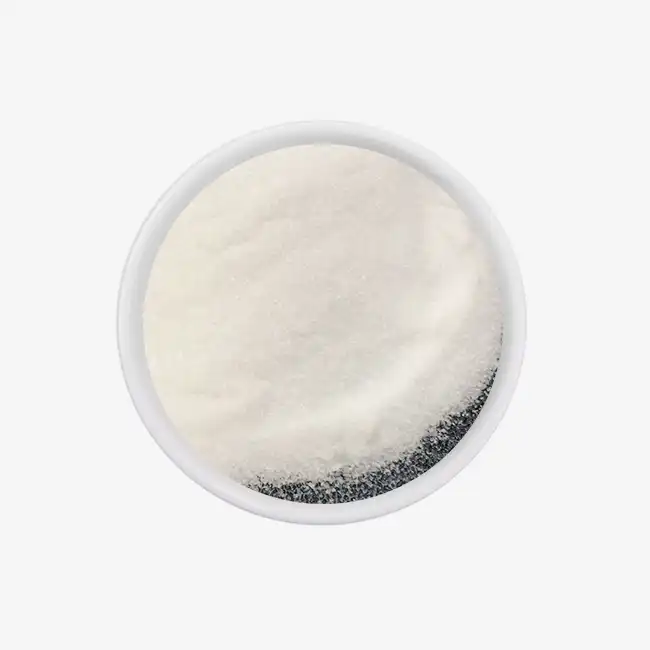
Understanding Potassium Acetate Deicing Liquid
Chemical Composition and Properties
Deicing liquid potassium acetate, whose CAS number is 127-08-2, is a clear, white liquid with a molecular weight of 98.14. Professional-level formulas usually have a 50–60% concentration and are designed to have a eutectic freezing point of around -60°C (-76°F). Traditional salt brines lose their usefulness around -18°C, but this amazing freeze defense is much better.
Through its collligative properties, the solution stops the formation of ice crystal lattices at the molecular level. When put on concrete, its specific gravity of 1.25 to 1.30 allows it to go through current layers of ice, breaking the bond between the ice and the substrate. This process is very different from simple heat transfer or mechanical damage.
Performance Characteristics on Critical Surfaces
For airplane landing gear safety, airport runway operations require friction factors that can't be lowered. Formulations containing deicing liquid potassium acetate keep the texture of the sidewalk intact and stop ice from sticking, which is why they are the standard for business airports. The FAA approves acetate-based deicers for use on airport runways according to SAE AMS 1435 standards.
The infrastructure suitability of this chemistry is especially helpful for bridge deck uses. The liquid form and chemical safety of deicing liquid potassium acetate are important for automated spray systems, such as Fixed Automated Spray Technology (FAST) applications. The solution can be pumped and works well in a wide range of temperatures, so you don't have to worry about crystallization in the supply lines or nozzles getting clogged, which are problems that often happen with solid deicer systems.
Safety and Handling Protocols
For proper keeping, buildings need to be dry, well-ventilated, and have temperature controls. The product can be kept for an infinite amount of time in containers that are compatible with it, like stainless steel tanks or high-density polyethylene (HDPE) vessels. Transportation should keep people away from causes of extreme heat or pollution. Standard packing choices include 1000L IBC tanks for industrial bulk use and flexitanks for shipping in containers, which makes handling easier for buying in bulk.
In contrast to handling dangerous chemicals, handling people is a simple process. The buffered pH range of 7.5–9.2 in the fluid lowers the risk of skin discomfort, but normal PPE is still recommended. Material Safety Data Sheets should be used to create site-specific routines, with a focus on keeping products from becoming contaminated with other substances while they are being stored.
Environmental Benefits of Potassium Acetate Compared to Traditional Deicers
Biodegradability and Ecosystem Protection
Biodegradation that happens quickly is one of the best things for the earth with deicing liquid potassium acetate. Microorganisms in dirt and water easily break down acetate molecules into carbon dioxide and water, and this usually happens a few days after they are applied. On the other hand, persistent chloride ions build up in underground and surface waters until they reach levels that are harmful to freshwater creatures and pollute drinking water sources.
The Biological Oxygen Demand (BOD) rate of deicing liquid potassium acetate is still much lower than that of options based on urea. Urea deicers can cause algae blooms and less oxygen in the water they enter, but acetate versions reduce these eutrophication risks. Independent environmental studies show that the water is less toxic and has little effect on fish populations, frogs, and benthic animals, even when there is direct flow.
The ability to tolerate plants is another important benefit. Spraying chloride on plants along the road causes "salt burn," which is when sodium and calcium chlorides dry out cells and damage leaves. On the other hand, deicing liquid potassium acetate gives plants potassium, which is an important nutrient, while the acetate part breaks down naturally. Putting money into landscaping along treated roads makes plants last much longer, which saves money on repair costs and keeps the area looking nice.
Infrastructure Longevity and Corrosion Prevention
One of the most important effects of standard deicing methods on the economy is corrosion. Chloride salts target reinforced concrete buildings very strongly, getting through to the steel rebar and starting electrochemical erosion that weakens the structure. Inspections of bridges in areas with a lot of chloride show that they are breaking down faster, their useful lives are getting shorter, and the costs of fixing them are going up.
Testing in the lab shows that deicing liquid potassium acetate is not harmful. Standardized tests on carbon steel's rust rate show numbers at or below 0.03 g/m²·h, which are very small compared to chloride options. When aircraft aluminum alloys are subjected to acetate deicers, the protective oxide layers stay in place. This is especially true for cadmium and magnesium parts that are easily damaged by galvanic corrosion. Because of this similarity, adoption is common at business airports, where protecting the airframe is very important.
Concrete scaling, which is the surface wearing away over time due to freeze-thaw cycles and deicing chemicals, happens a lot less quickly with acetate versions. Different osmotic pressures cause the process to happen. Chloride solutions pull water into the pores of the concrete, where it expands when it freezes and breaks the cement structure. deicing liquid potassium acetate's bigger molecule structure and lower osmotic activity slow down this damaging process. This keeps the pavement smooth and increases the time between cleaning jobs.
Regulatory Compliance and Health Safety
More and more, environmental laws limit how much chlorine can be used near sensitive waterways. Under the Clean Water Act, municipal stormwater licenses include tracking requirements and limits on effluent that make common deicing methods harder to follow the law. The environmental characteristics of deicing liquid potassium acetate makes it easier to follow the rules. It breaks down naturally and is not harmful to aquatic life, which supports permit conditions in environmentally sensitive areas.
For worker safety reasons, acetate chemistry is also a good choice. Road repair workers don't use toxic chloride dusts because they can irritate the lungs and skin. Less undercarriage rust means longer fleet service life and less downtime for repair, which is good for vehicle owners. These operational benefits lead directly to lower overall costs of ownership, which are more than just lower prices per ton and support buying choices.
Comparative Overview: Potassium Acetate vs Other Deicing Solutions
Calcium Chloride and Magnesium Chloride
Traditional chloride salts are the most popular deicing agent because they are easy to use and don't cost much to get started with. Calcium chloride gives off exothermic heat when it dissolves, which makes ice melt faster in mild temperatures. But the environmental problems we've already talked about—groundwater pollution, damage to plants, and infrastructure corrosion—have secret costs that add up over the lifecycles of infrastructure. Deicing liquid potassium acetate offers a more sustainable solution that avoids these hidden costs.
Even though magnesium chloride is sold as a "less corrosive" option, it still has chloride ions that can get into water and pavement. Even though it is a little easier on some metals, it doesn't solve major environmental problems. Calcium and magnesium chlorides stop working around -18°C to -25°C, which makes them less useful during very cold spells when deicing liquid potassium acetate's freeze protection at -60°C is still fully effective.
Sodium Acetate Alternatives
Sodium acetate and potassium versions both have some environmental benefits, like being biodegradable and less acidic. The main difference is the effect on crops and the drop in freezing point. Sodium breaks down the structure of the soil by spreading out clay particles, which makes the soil less permeable and hurts root systems. On the other hand, potassium is a chemical that helps plants stay healthy.
Formulations with sodium acetate usually work at temperatures between -15°C and -20°C, which is much lower than the very cold temperatures that deicing liquid potassium acetate can handle. Facilities in the northern tier that have to deal with strong freezes often choose potassium chemistry for this reliability cushion.
Glycol-Based Chemicals
Both propylene glycol and ethylene glycol are used to de-ice airplane surfaces in the flight industry. Their very high BOD, on the other hand, makes treating garbage very hard. To deal with runoff, airport managers have to spend money on glycol recovery systems and specialized cleaning equipment, which makes operations more difficult.
Glycol that stays in groundwater can pollute it, and the chemicals aren't as good at melting ice off of roads as acetate solutions. As a way to balance operational needs with environmental management, hybrid methods sometimes use acetates for runway surfaces and glycols only for deicing airplanes.
Liquid Formulation Advantages
deicing liquid potassium acetate solutions are more useful than solid deicers because they are liquid instead of solid. Pre-wetting solid materials takes extra work and tools, but liquid acetates can be used immediately with regular spray equipment. Distribution consistency gets a lot better, which cuts down on wasted material from overapplication and raises the cost-effectiveness per treatment area.
Liquid goods work perfectly with automated application methods. Weather sites can start preventative treatments before a storm, which creates walls that stop snow and ice from sticking together. This preventative method uses less material than defensive methods like plowing and salting. It also makes things safer and lowers the amount of chemicals that end up in the environment.
Procurement Considerations for Potassium Acetate Deicing Liquid
Supplier Qualification and Certification Standards
Purchasing managers should give more weight to makers who already have quality control systems in place. ISO 9001 certification shows that production rules are constant, and ISO 14001 certification shows that a company is committed to environmental management. The worker health and safety certification ISO 45001 shows that the workplace is run in a responsible way, which leads to reliable products.
In some situations, it's important to have specialized certificates for deicing liquid potassium acetate. Even though KOSHER and HALAL approvals don't seem to have anything to do with deicing, they do show that all product lines are subject to strict process controls and can track their ingredients. In a market where chemical purity has a direct effect on safety and performance, these quality signs help buyers tell one provider from another.
Manufacturing ability is an important factor for assessment. Facilities that make more than 100,000 tons of goods a year show economies of scale and supply chain stability. With a yearly capacity of 150,000 tons and more than thirty years of experience specializing in acetate, Shanxi Zhaoyi Chemical is a great example of the production stability needed for big contracts with cities and airports where supply interruptions pose too many risks.
Bulk Purchasing and Logistics Optimization
When you commit to a volume, you unlock good numbers. Suppliers usually set different price levels based on how much you buy, with big price cuts for each unit at truckload and contract amounts. Multi-season deals help you plan your budget and make sure you have enough supplies during the winter months, when demand is high and spot market prices go up.
Transportation arrangements need to be carefully thought out. When compared to faraway sources, domestic providers have shorter lead times and lower shipping costs. Partnerships with freight carriers that have been in place for a while promise shipping capacity and keep delays from happening that could affect how ready people are for a storm reaction. Flexible trade terms, like FOB, CIF, or DAP, let organizations change their buying practices and financial choices to fit their needs.
Quality Verification and Compliance Documentation
Critical parameters should be given acceptable values in technical standards. Industry guidelines call for a deicing liquid potassium acetate content of 50 to 60%, chloride impurities of less than 0.01%, and a heavy metal (lead) content of less than 0.01%. Iron level limits (≤0.002%) keep treated surfaces from getting stained, and sulfate limits (≤0.05%) make sure the chemicals are pure.
Certificate of Analysis (COA) paperwork for every production lot makes it possible to track the products and ensures their quality. Protocols for testing should include checking the quantity, looking for impurities, and making sure the freezing point is correct. Third-party laboratory validation gives more weight than a seller self-certification, especially when there are disagreements about the original supplier qualification or the specifications.
Regulatory compliance paperwork makes the buying process run more smoothly. Safety Data Sheets (SDS), EPA registration numbers (if needed), and environmental product statements all help with the approval process inside a company. Suppliers with experience in business-to-business (B2B) buying know what paperwork is needed and offer complete technology packages that speed up the approval process, specifically for bulk deicing liquid potassium acetate tailored to your needs.
Conclusion
It has never been more important for the earth to have long-lasting deicing options. Deicing liquid potassium acetate-based liquid deicers meet the needs of both safety in the winter and environmental duty. This science can be used in airports, cities, and factories because it quickly breaks down and protects infrastructure while also working better in cold weather. It does all of these things better than traditional chloride salts.
When procurement professionals look at other options, they will find that deicing liquid potassium acetate has many valuable benefits that go far beyond its initial cost. These benefits include lower corrosion costs, easier regulatory compliance, ecosystem protection, and operational reliability. Acetate-based deicing is not only an option, but also the responsible way forward for winter maintenance programs that want to protect both public safety and environmental resources as environmental laws get stricter and business sustainability pledges get stronger.
FAQ
What makes potassium acetate less corrosive than traditional road salt?
Potassium acetate doesn't have any chloride ions, which are what normally break down deicers. Chlorides get into concrete and attack the steel support. They also corrode car parts and infrastructure very quickly. The non-chloride chemistry of deicing liquid potassium acetate gets rid of these electrochemical corrosion processes. Standardized tests show that corrosion rates on carbon steel are below 0.03 g/m²·h, which is very low compared to salt options.
How does biodegradability affect environmental safety?
Within days of being applied, bacteria in the soil and water quickly break down acetate molecules into carbon dioxide and water. This biodegradation stops long-term buildup in groundwater and surface water, which is very different from chloride pollution that lasts for a long time. The low Biological Oxygen Demand profile keeps marine ecosystems from being damaged as much as urea-based deicers do by stopping oxygen loss and eutrophication.

What temperature range does potassium acetate effectively cover?
Professional-grade formulas keep working well at temperatures as low as -60°C (-76°F), which is much lower than the -18°C to -25°C range that calcium and magnesium chloride salts can handle. This performance in very cold temperatures guarantees operating efficiency during severe winter weather events, when other deicing chemicals stop working. This gives northern airports and highways important safety margins.
How Can Zhaoyi Chemical Support Your Sustainable Deicing Program?
Zhaoyi Chemical is ready to work with city governments, airport owners, and managers of industry facilities that want to find environmentally friendly ways to do winter maintenance. Our deicing liquid potassium acetate provider can make enterprise-grade formulations with 50–60% concentration. These are made using ISO 9001, ISO 14001, and ISO 45001 approved methods that guarantee consistent quality and care for the environment.
With the ability to produce 150,000 tons of acetate every year and 30 years of experience specializing in this chemical, we offer the supply chain dependability that seasonal businesses need. Different transportation needs can be met by 1000L IBC tanks and flexitanks, which are flexible packaging choices. Competitive trade terms help keep costs low. To get the most out of your investment, our expert team can help you with all aspects of your program and improve its performance. Get in touch with our buyers at sxzy@sxzhaoyi.com to talk about buying bulk deicing liquid potassium acetate that is tailored to your needs and shipping dates.
References
American Association of State Highway and Transportation Officials. (2013). Environmental Stewardship Practices for Highway Winter Maintenance Operations. AASHTO Center for Environmental Excellence, Washington, DC.
Fay, L., & Shi, X. (2012). Environmental Impacts of Chemicals for Snow and Ice Control: State of the Knowledge. Water, Air, & Soil Pollution, Volume 223, Issue 5, Pages 2751-2770.
Federal Aviation Administration. (2018). Advisory Circular 150/5200-30D: Airport Winter Safety and Operations. U.S. Department of Transportation, Washington, DC.
National Academies of Sciences, Engineering, and Medicine. (2007). Guidelines for the Selection of Snow and Ice Control Materials to Mitigate Environmental Impacts. NCHRP Report 577, Transportation Research Board, Washington, DC.
Shi, X., Fay, L., Peterson, M. M., & Yang, Z. (2010). Freeze-Thaw Damage and Chemical Change of a Portland Cement Concrete in the Presence of Diluted Deicers. Materials and Structures, Volume 43, Pages 933-946.
United States Environmental Protection Agency. (2016). Aquatic Life Ambient Water Quality Criteria for Chloride. EPA Office of Water, Washington, DC.

USER EVALUATE
Here is the customer's evaluation of us