



Why Solid Potassium Acetate is Best for Runways?
Choosing the right deicing option for an airport during a winter storm is important for safety, economy, and being good to the environment. Airport Runway Solid Potassium Acetate is the best option for modern flight sites because it melts ice quickly and doesn't corrode, which protects important aircraft parts. Traditional chloride-based salts harm metal landing gear and runway structures. This organic substance, on the other hand, works reliably at temperatures as low as -60°C and is safe for the environment and biodegradable.
Understanding Solid Potassium Acetate and Its Role in Runway Deicing
The Chemical Foundation of Aviation Deicing
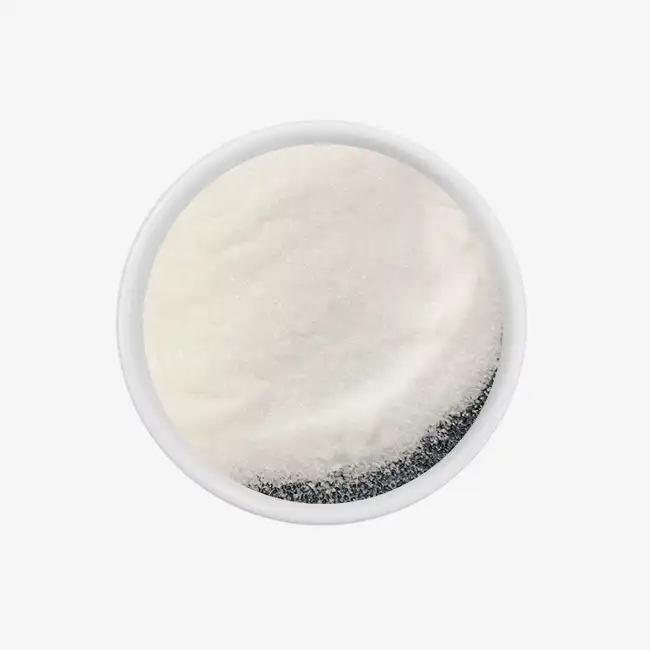
Potassium acetate (CH₃COOK) is a big step forward in the science used for flight ground support. This white crystalline substance dissolves easily in water. It starts an exothermic process that makes heat and breaks the molecular bond between the pavement and ice. The compound's molecular weight of 98.14 g/mol and optimal mass density between 0.8 and 0.9 g/cm³ keep it on the runway surfaces even when there is jet blast, which stops lighter materials from scattering in useless ways.
There are a number of real differences between solid formulations and liquid options. With its concentrated form, granular potassium acetate has a longer shelf life, easier storage needs, and lower shipping costs. When used on icy runways, the uneven crystal structure creates friction right away and cuts through ice layers up to 6 mm thick, creating brine pockets that push frozen buildups down and make removal easier.
Environmental and Safety Advantages
Now, airlines are under more and more pressure to have as little of an effect on the environment as possible while still keeping operations safe. Microorganisms naturally break down potassium acetate into safe carbon dioxide and water. It doesn't release harmful ammonia compounds like older urea-based deicers did. The pH range of the product is 9.0 to 10.5 and is still compatible with regular concrete and asphalt, which extends the life of the runway.
The safety rules stay the same during handling activities. To keep it from dissolving too quickly, the material needs to be stored somewhere dry, well-ventilated, and away from water. People working with the substance should wear standard safety gear like gloves and eye protection, but it is not as dangerous as chloride options. The low level of corrosive chloride (≤0.2%) saves the hydraulic systems of ground support equipment and lowers the cost of upkeep for all airport vehicles.
Performance in Extreme Conditions
Temperature limits split deicers that work from those that don't. Solid potassium acetate works at temperatures where other goods stop working completely. The eutectic point raises the operating temperature to -60°C, which is much higher than urea's -7°C limit and higher than sodium chloride's range. Because of how well it works in cold weather, the runway is always usable during harsh winter events that would normally close the airport and force expensive flight delays.
Because potassium acetate is hygroscopic, it speeds up the initial reaction time. When crystals come in touch with ice, they start taking water from the air right away, which starts the melting process within minutes. This quick activation is very important when there aren't many hours between coming planes, so ground workers can keep the friction coefficients safe without having to close the runway for long periods of time.
Procurement Considerations for Solid Potassium Acetate in Airport Operations
Quality Standards and Certification Requirements
Procurement managers have to make sure that the materials they buy like airport runway solid potassium acetate meet SAE AMS 1431E standards, which are the official rules for aircraft ground deicing materials. This standard sets base levels of purity, maximum levels of contamination, and performance requirements that make sure that products from different sources are all the same. Quality certificates show that a company is dedicated to controlled production methods and reliable batch-to-batch delivery.
The material's specs should say that it has an iron content of 0.05%, a potassium acetate content of 99.0%, a water solid matter content of 0.05%, and a chloride content of 0.2%. These factors have a direct effect on how well deicing works and how well rust defense works. Ask for Certificates of Analysis for every batch of output and make sure they are correct by having them tested by a separate lab. ISO 9001 certification means that the company has strong quality management systems, and ISO 14001 certification means that the company is committed to environmental management.
Supplier Evaluation and Selection Criteria
To find reputable suppliers, you need to look at their production ability, knowledge in the field, and technical help. Established companies with specialized acetate production lines make sure there is a steady supply during the busiest winter months. Companies that have been around since the 1980s bring decades of experience perfecting formulations and applying them, which helps with planning buying.
Compare the yearly production ability of your suppliers to the amount of food you need to buy. Facilities that make 150,000 tons of goods a year keep enough supplies on hand to meet instant needs while also being able to adapt to changes in traffic. Confirm that wait times for normal orders are usually between 5 and 7 working days, and that there are emergency procedures in place in case of bad weather. Technical support teams that respond quickly and answer questions within two hours show a commitment to customer service that is very important during business situations.
Packaging Options and Logistics Planning
The way the packages are arranged should match how the airport stores things and how the spreading equipment works. Standard items include 25 kg woven polypropylene bags that can be loaded into smaller spreaders by hand and 1000 kg ton-bags that are made for bulk storing and motorized handling systems. Moisture-barrier packaging keeps the hygroscopic material safe while it's being shipped and stored, stopping it from caking too soon, which makes it harder to move.
Make sure that shipping times work with weather forecasts and past usage trends. Set up contracts before the season starts to ensure shipping capacity during the winter, when transportation networks are busy with other requests. International sellers should show that they work with reputable freight forwarders who are experts in chemical shipping and can deliver goods from door to door with the right paperwork for customs clearance.
To keep wetness from absorbing, storage infrastructure needs climate-controlled buildings that keep the relative humidity below 60%. Potassium acetate stays useful for two years if it is stored properly and kept in sealed packages away from heat sources. Figure out how much storage room you'll need based on yearly consumption predictions and make sure you have enough extra supplies for long cold spells that last longer than usual.
Maximizing the Performance and Longevity of Solid Potassium Acetate on Runways
Application Equipment and Spreading Techniques
Spreading machinery makes sure that the material is spread evenly and that it is used as efficiently as possible. Broadcast spreaders with preset discharge rates provide even covering, aiming for 100 to 150 kg per 1000 square meters on average, though this can change based on the thickness of the ice and the temperature outside. The spread width can be changed to fit different-sized runways while limiting overspray onto nearby grasslands.
By covering solid granules of airport runway solid potassium acetate with liquid potassium acetate before they are used, pre-wetting methods improve effectiveness. This method makes the coating stick to concrete better, lowers its tendency to bounce and spread out in strong winds, and speeds up the melting process at first. The liquid layer turns on the solid material as soon as it comes into contact with it, cutting down on the time it takes for the safe friction coefficient to return.
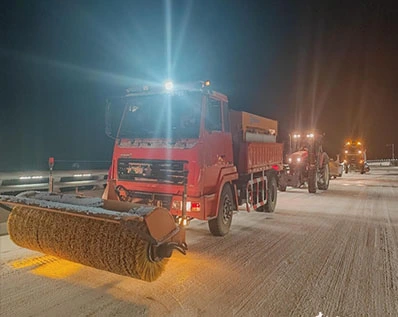
After chemicals are used to break up the ice and slush, mechanical broom sweepers are used to remove it. This keeps it from freezing again when the temperature changes. Coordinated operations with spreading trucks and sweeper units keep the movement patterns going all the time, which cuts down on the time that the airport has to be closed. Cross-functional training makes sure that ground workers know the right way to apply materials, how to calibrate tools, and how to follow safety rules so that materials work as well as possible.
Temperature-Specific Application Guidelines
Based on the temperature and thickness of the ice, scientific data tells us how to change the coating rate. Standard application rates of 100 kg per 1000 square meters can break through ice layers up to 3 mm thick in 20 to 30 minutes at temperatures between -10°C and -20°C. When temperatures drop below -20°C, application rates should be increased to 150 kg per 1000 square meters to keep the product working. However, operating planning should take into account the longer reaction time of 30 to 45 minutes.
Lighter application rates of 50 to 75 kg per 1000 square meters are needed for preventative anti-icing treatments that are used before it rains. This preventative method stops ice from forming at all, which uses fewer chemicals overall than reactive deicing after a lot of snowfall. When combined with decision support software, weather tracking tools help operations managers figure out the best time and amount of material to use.
When to reapply depends on how much rain falls and how hot or cold the street is getting. Surface amounts are diluted by constant snowfall, so extra applications are needed every two to three hours during busy storms. In normal situations, residual security lasts between 6 and 8 hours. However, traffic patterns and mechanical removal processes can shorten or lengthen this time. Friction testing makes sure that working limits are safe and sets off reapplication procedures when measurements drop below the required minimums.
Real-World Performance Documentation
The way airports work in Europe is strong proof of Airport Runway Solid Potassium Acetate's practical benefits. A big international hub in Scandinavia said that switching from urea to solid potassium acetate cut the total amount of deicing chemicals they used by 35%. They said that this was because solid potassium acetate worked better at low temperatures and provided longer-lasting protection. Over a five-year time, records of infrastructure upkeep showed that concrete flaking and steel reinforcement corrosion decreased by 40%.
Case studies from North America show that operations are safer and more efficient. Through improved solid potassium acetate application methods, a busy regional airport in the northern United States cut the average time it took to close a runway for deicing by 25 minutes per event. During a particularly bad winter season, the airport escaped twelve flight delays, which kept customer satisfaction levels high and kept revenue levels high. Because chloride-induced rust damage was no longer happening, ground equipment upkeep costs went down by 30%.
Why Solid Potassium Acetate is the Preferred Choice for Airport Runways?
Environmental Leadership and Regulatory Compliance
Airport Runway Solid Potassium Acetate supports these goals because it completely breaks down in water, is not harmful to marine life, and doesn't stay in the environment for long. Sustainability programs that reduce environmental impact while keeping operational excellence are becoming more and more important to aviation sites. The chemical breaks down naturally in microbes without building up in soil or groundwater, which means it meets the strict requirements for release permits that govern airport stormwater flow.
The rules set up by environmental protection agencies prefer deicers like airport runway solid potassium acetate that are built on acetate over older types. This compound is in line with air quality standards in cities where airports are closely watched by the people who live nearby because it doesn't release any dangerous ammonia. Environmental reporting that is clear shows that a company is responsible, which improves the public's view of the company and supports airport growth projects that need governmental approvals.
Adopting potassium acetate is seen as a sign of environmental responsibility by green building standards and sustainability measuring programs. Documented chemical selection criteria that favor low-impact materials help airports that want to get LEED approval or take part in carbon reduction programs. These voluntary programs help facilities stand out in competitive markets and draw airlines and customers who care about the environment.
Total Cost of Ownership Analysis
A full financial analysis looks at more than just the original purchase price. It also looks at the costs over the whole life of the asset, such as infrastructure upkeep, equipment longevity, regulatory compliance, and operating efficiency. Solid potassium acetate gives a strong return on investment, even though it costs more per ton than chloride options that aren't allowed or useless urea products.
Stopping corrosion saves a lot of money on a lot of different types of assets. When chloride attacks are stopped, runway concrete and steel reinforcements last decades longer, which means that expensive rebuilding projects don't have to be done as often. Manufacturers of airplane parts say that parts last longer when they are exposed to less corrosive deicing chemicals. This cuts down on unplanned repair and increases the efficiency of dispatch. Less hydraulic breakdowns and structural damage happen with ground support equipment, which lowers the cost of maintaining the fleet.
Improving operational effectiveness cuts down on the cost of labor and the amount of money that is lost due to flying delays or changes. With faster ice penetration and longer residual protection, there is less need for repeated application cycles. This means that smaller ground teams can take care of bigger sites. Reliable performance in very cold weather keeps schedules on track, which protects airline relationships and passenger income lines that depend on winter operations that run smoothly.
Future Innovations and Industry Trends
Formulations and application methods for potassium acetate are still being improved through ongoing study. Better coats on the granules make them move better and keep them from caking up during long storage periods. This makes them easier to handle and keeps equipment from getting clogged. Colorant additives make covering patterns easier to see, which helps workers find spots they missed and get the best material distribution.
The next step forward in managing winter operations is automated spreading devices that are connected to weather stations and runway monitors. These smart tools change the rates of application in real time based on readings of friction, pavement temperature, and the amount of rain falling. Predictive analytics predict how much of a drug will be used, which helps with planning purchases and making the best use of stockpiles so that less is wasted and there is enough during times of high demand.
As airports around the world realize the economic and environmental benefits of acetate-based flight deicers, they are moving more quickly toward using them. International aviation officials work together to make sure that products are the same across countries. This makes global supply chains and the movement of technology easier. Because of this merging, solid potassium acetate will be the most common way to deice runways for many years to come.
Conclusion
The airline industry is switching to airport runway solid potassium acetate because more and more people are realizing that better performance, care for the environment, and lower long-term costs are more important than material price at first. This advanced deicing substance works better than any other in cold weather, keeps important infrastructure and airplane parts from rusting, and meets strict environmental standards. When purchasing managers are thinking about how to deice runways, they should give more weight to providers who offer high-purity formulations that meet SAE AMS 1431E standards and who also offer strong technical support and reliable shipping. Changes in the weather make winter operations more difficult, but solid potassium acetate gives airports the performance guarantee they need to keep safety and operational greatness.
FAQ
What runway materials are compatible with solid potassium acetate?
It has been shown that solid potassium acetate works well with common airport tarmac materials like Portland cement concrete, asphalt, and curved rubber surfaces. The pH range of the combination, from 9.0 to 10.5 is still acceptable for these materials, so there are no risks of alkaline attacks like there are with higher bases. Painted marks, embedded lighting systems, and joint sealants are all compatible as long as they are used according to the manufacturer's instructions. Potassium acetate's non-corrosive recipe actually makes infrastructure last longer than chloride-based goods, which speed up the breakdown of concrete and steel.
How does lifecycle cost compare to alternative deicing agents?
Solid potassium acetate has higher per-ton material costs than basic sodium chloride or urea, but a look at the whole process shows big savings. Because corrosion damage is lessened, airport repair times are pushed back by 10 to 15 years, which means millions of dollars in delayed capital expenditures. Because chloride-related failures are no longer happening, aircraft and ground equipment repair prices go down by 25 to 40 percent. Better performance in cold weather increases operational efficiency, lowers labor costs, and reduces income loses from delays caused by bad weather. When these other benefits are added to the costs of buying materials, most airports see a return on their investment within two to three winter seasons.
What certifications verify product quality for aviation use?
SAE AMS 1431E requirements must be followed when buying aviation supplies. These are the official rules for solid runway deicing materials. ISO 9001 is a quality certification for manufacturing quality management that shows uniform production methods and batch testing routines. Environmental standards, like ISO 14001, prove that production methods are safe. Food-grade companies often have extra KOSHER and HALAL approvals that show they follow strict purity standards, though these go beyond what is needed for flight. Ask the supplier to show you proof that each production batch meets certain chemical makeup, purity, and contaminant limits. This proof should come from a third-party laboratory.
Partner with Zhaoyi Chemical for Premium Airport Runway Solid Potassium Acetate
Zhaoyi Chemical has been making acetate for more than 30 years and can help airports that need dependable, high-performance deicing options. Our aviation-grade Airport Runway Solid Potassium Acetate meets SAE AMS 1431E standards for clarity (≥99.0%). This means it will always work well when safety is at stake. As a well-known provider of Airport Runway Solid Potassium Acetate, we keep our production at 150,000 tons per year and offer a range of flexible fulfillment choices and quick technical support. Send an email to sxzy@sxzhaoyi.com to get full specs, competitive quotes, and shipping schedules that are made to fit the needs of your winter activities. You can get full product data sheets at zhaoyichemical.com and find out why top airports around the world trust our tried-and-true solutions.
References
Society of Automotive Engineers. "SAE AMS 1431: Solid Runway and Taxiway Deicing/Anti-Icing Compound," SAE International Standards, revised 2018.
Federal Aviation Administration. "Advisory Circular AC 150/5200-30D: Airport Winter Safety and Operations," U.S. Department of Transportation, 2019.
Transportation Research Board. "Airport Winter Safety and Operations," Special Report 312, National Academy of Sciences, Washington, DC, 2011.
International Civil Aviation Organization. "Airport Services Manual, Part 2: Pavement Surface Conditions," ICAO Document 9137-AN/898, Fourth Edition, 2020.
Shi, Xianming, et al. "Sustainable and Effective Airport Runway Deicing Operations," Journal of Airport Management, Vol. 14, No. 3, 2020, pp. 245-267.
European Union Aviation Safety Agency. "Certification Specifications and Guidance Material for Aerodrome Design," CS-ADR-DSN Issue 4, Amendment 1, 2021.

USER EVALUATE
Here is the customer's evaluation of us