



Fast-Acting Snow Melting with Zhaoyi Chemical Liquid Potassium Acetate
When winter storms happen, infrastructure managers have to quickly clear snow and ice without ruining valuable assets or hurting the environment. A tried-and-true method that handles both of these issues is snow melting liquid potassium acetate. This clear, slightly acidic liquid (CH3COOK) starts to work as soon as it touches frozen surfaces, dropping the freezing point to -35°C while being very safe for steel, concrete, and the environments around them. Unlike regular rock salt, which damages infrastructure and pollutes rivers, this acetate-based deicer melts snow quickly—it gets rid of over 85% of snow in an hour at -25°C—while saving the surfaces and plants you care about most.
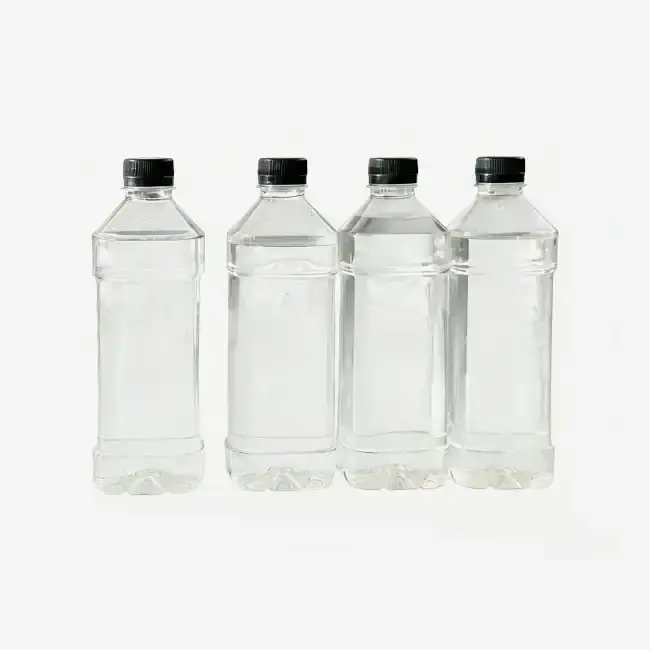
Understanding Liquid Potassium Acetate and Its Snow Melting Properties
Chemical Composition and Phase Behavior
It is called potassium acetate (CAS NO. 127-08-2) and it is made when potassium joins with acetic acid to make a molecule with a molecular weight of 98.14. This clear, colorless liquid stays flexible even in very cold temperatures when mixed at a 50–60% concentration. It gets rid of the breakdown lag that happens with solid deicers. The acetate ion changes the way ice crystals' hydrogen bonds work, which stops new layers from forming and speeds up the breakdown of old ones.
The liquid phase has clear benefits in terms of how it works. Airport ground crews and highway repair teams can spray the solution directly on the pavement using either automatic systems or hand-held applicators. This quick action means that cleanup times are shorter and labor costs are lower during storms.
Thermal Performance and Freezing Point Depression
The eutectic concentration lowers the freezing point by an amazing amount, and in normal formulas, it stays useful down to -35°C. This product's heat performance is better than most chloride-based products, which makes it especially useful in northern areas where temperatures regularly drop below -20°C. This low-temperature ability is especially useful for bridge decks and high roads, which freeze faster than ground-level surfaces because air moves under them.
Safety Data and Handling Protocols
Handling things the right way keeps workers safe and makes sure products work well. Warehouses need to be dry, well-ventilated, and away from heat sources and things that don't go together. The pH range of 7.5 to 9.2 means that the acidity is low, which makes metals and concrete less likely to rust. During shipping, 1000L IBC tanks and flexibags keep things safe and make moving large amounts of stuff easier. People working with the solution should wear standard safety gear like gloves and eye protection, but it is not as dangerous as chloride salts or urea-based goods.
Reputable makers set tight limits on contaminants, such as iron content below 0.002%, chloride content below 0.01%, and heavy metals like lead content below 0.01%. For uses near fragile environments or important infrastructure, these cleanliness standards are very important.
Advantages of Liquid Potassium Acetate over Traditional Deicers
Limitations of Conventional Sodium Chloride
Rock salt is the most popular winter care item because it is cheap to buy, but this apparent savings hides big costs. Sodium chloride speeds up the corrosion of steel reinforcement bars in concrete buildings. This causes the structures to fall apart and spall, which costs cities and towns billions of dollars every year in replacement costs. Highway departments often have to repair bridge decks decades before the original plans called for it. This is mostly because salt gets into the steel and oxidizes it.
Damage to the environment makes the problem worse. Chloride ions stay in underground and surface water for a long time after the snow melts. They build up to dangerous levels that hurt aquatic life and make drinking water unsafe. Plants next to treated roads get salt burn, which means they have to be replaced every spring at a high cost. Snow melting liquid potassium acetate offers a biodegradable alternative that breaks down naturally without these harmful effects.
Chemical Mechanisms for Accelerated Melting
Acetate-based deicers work by lowering the freezing point, which happens when dissolved ions stop the formation of ice crystal lattices. The acetate anion works especially well because the way its molecules are structured makes them interact strongly with water molecules, which breaks up the orderly arrangement needed for freezing. When you put the liquid on snow-covered surfaces, it starts breaking up existing ice ties right away and stops new ice from forming. Solid products can't do both of these things until they dissolve.
The skill to prevent icing needs extra care. If you put down a thin film of potassium acetate before it starts to rain or snow, it will protect the sidewalk from the falling snow. This preventative treatment stops bonding, which lets plows easily remove snow buildup without the tough ice layer that forms when snow packs down and freezes directly on surfaces that haven't been treated.
Cost-Effectiveness Through Infrastructure Protection
The starting cost of materials is higher than rock salt, but lifecycle study shows that there are big saves over time. Preventing rust damage greatly increases the useful life of infrastructure. For example, bridge decks that would need to be replaced after 30 years of chloride exposure can last more than 50 years with acetate deicers. Concrete cancer that needs expensive repairs can be avoided by building parking garages instead. Parts of airplanes don't get corroded, which leads to expensive repair rounds.
Biodegradability is an extra factor that affects how cost-effective something is. Potassium acetate naturally breaks down into carbon dioxide and water at rates higher than 95%. This means that the environment doesn't have to pay for expensive cleanups like chloride pollution does. Municipalities dodge fines and cleanup duties that come with breaking water quality rules.
Industrial Applications and Use Cases of Zhaoyi Chemical Liquid Potassium Acetate
Airport Operations and Aviation Safety Standards
Runways and taxiways are the most difficult places for deicing items to be used. The safety of aircraft rests on areas that are clean, since any foreign matter could do a lot of damage to the engines or landing gear. Zhaoyi Chemical's formula meets strict flight standards, such as AMS 1435, which means it can be used with aluminum alloys, magnesium parts, and other special airplane materials.
Acetate-based treatments are now the main way that major foreign airports treat their runways, especially for de-icing operations. When the weather report calls for rain, preventative spraying should begin one to two hours before the storm hits. The liquid creates a protected layer that stays in place throughout the event, keeping the landing area safe without leaving behind solids that could be FOD dangers. Operations keep going with little trouble, keeping the plan dependability that shippers and customers need.
Highway Infrastructure and Automated Treatment Systems
For Fixed Automated Spray Technology (FAST) to work, liquid deicers must reliably run through nozzle arrays on bridge decks and elevated highway parts. Zhaoyi Chemical's product works perfectly with these sensor-activated systems. They can tell when it's freezing and instantly apply the right amount. Transportation offices like automation because it cuts down on the need for workers and ensures uniform coverage, especially at night when human application can be hard.
In places where there are a lot of freeze-thaw cycles, state highway systems report real gains with snow melting liquid potassium acetate. Inspection data from bridges shows that structures treated with potassium acetate have slower rates of failure than structures treated with chloride in the past. Maintenance funds are shifting from reactive repairs to preventive care, which is better for both safety and the bottom line.
Specialized Industrial and Commercial Properties
During the winter, healthcare centers, college campuses, and business headquarters all have to deal with new problems. Aesthetic issues, patient safety, and concerns about risk all play a role in choosing treatments that are both effective and gentle. Zhaoyi Chemical has products for this market that clean up walks and parking lots for people without hurting beautiful concrete, historic stonework, or the plants and trees around them.
Industrial plants that work with delicate materials or precise machinery choose acetate deicers instead of solid goods because they don't introduce particles or chemicals that don't work well together. Clean manufacturing settings keep their integrity and make sure that employees and delivery cars can get to them safely.
Procurement Guide for Liquid Potassium Acetate with Zhaoyi Chemical
Sourcing Industrial-Grade Solutions and Quality Assurance
When choosing a potassium acetate provider, you need to do more than just compare prices. Standards for manufacturing have a direct effect on how well and consistently a product works. Its ISO 9001, ISO 14001, and ISO 45001-certified buildings show that Zhaoyi Chemical is dedicated to quality management, protecting the environment, and keeping workers safe. These licenses give you peace of mind that every batch meets the written requirements after going through strict testing procedures.
Other certificates, like KOSHER and HALAL, show that the production controls meet a variety of government standards. When buyers from other countries know that the production processes are in line with accepted standards, it gives them peace of mind that the goods will be properly cleared and regulated in the final target market.
Ordering Methods and Bulk Purchase Logistics
For business-to-business purchases, the process usually starts with expert advice to make sure that the product specs fit the needs of the application. Zhaoyi Chemical can be contacted directly by buyers via email at sxzy@sxzhaoyi.com to talk about concentration levels, different packaging choices, and shipping times. The company keeps enough supplies on hand to be able to meet high demand quickly during the winter, and special formulations can be made in 5 to 7 business days.
When you make a volume commitment, you can get better terms for handling big infrastructure networks for large businesses. Snow melting liquid potassium acetate providers with established global shipping partnerships can offer reasonable freight rates and reliable transit times. This is especially important during peak delivery times during peak seasons. Pre-season buying makes sure that highway departments and airport officials have supplies before storm season starts.
Shipping Protocols and Storage Infrastructure
Transporting goods in 1000L IBC tanks makes handling easier and works well for businesses that can use forklifts and store tanks. Shipping flexibags in standard containers saves money on shipping costs across continents by maximizing payload and reducing packaging waste. When treated properly, both forms protect the purity of the product during transport by keeping it from being exposed to extreme heat and keeping containers from getting damaged.
Receiving centers should set up storage places that are either temperature-controlled or protected. Even though the solution won't freeze below -35°C, keeping it at room temperature makes it easier to work with and keeps it at its best flow. Standard chemical warehouse practices include keeping suitable materials separate and making sure that labels are clear and that inventory is tracked to make sure that things are rotated properly and that things aren't stored past their recommended shelf life.
How to Apply Liquid Potassium Acetate Effectively for Snow Melting?
Preparation and Application Methodology
Calibrated tools for snow melting liquid potassium acetate is the first step to effective application. Spray devices should always provide the same amount of coverage, no matter the weather or the temperature of the ground. Anti-icing products need to be put on 1-2 hours before it starts to rain and use 20 to 40 gallons per lane mile. If there is already snow on the road, deicing may need 50 to 100 gallons per lane mile, based on how deep the snow is and how cold it is.
Smaller areas, like building doors and paths, can be covered by hand using pump sprayers. Operators should make sure that the product is spread out evenly so that it doesn't pool in low spots and covers all areas that are visible. The liquid works well on porous materials and can reach into the surface layer, where solid goods might be able to cross without fully touching.
Onsite Storage and Operational Safety
During busy operations, field storage needs containers that are closed so that debris or rain doesn't get inside and make the storage dirty. Transfer pumps and lines that are only used for acetate service keep chloride products from getting into them. Proper PPE use and spill reaction methods are stressed in training for employees, but cleanup is easier for environmental safety incidents compared to hazardous chemical incidents.
Monitoring the temperature helps find the best time for an application. It works best to treat surfaces before they freeze, and it takes less material than trying to break ice ties that are already there. When weather monitoring systems are combined with treatment methods, they allow for proactive deployment that keeps things safe all the time instead of reactive crisis reaction.
Environmental Stewardship and Runoff Management
Even though it is very biodegradable, it should only be used in ways that protect watersheds and marine ecosystems. Avoiding over-application near storm drains and pools of water on the surface shows care for the earth and keeps costs down. The acetate breaks down naturally through biological processes, but the intense runoff that happens right after it is applied may briefly raise the biochemical oxygen demand in the water that receives it.
Plants can handle chloride products much better, but they shouldn't be sprayed directly on decorative plants very often. Usually, the grass next to treated pavement doesn't get damaged. This is very different from the brown dead spots that are common along roads that have been treated with rock salt. Because of this, treatment can be done closer to grown areas without destroying outdoor investments.

Conclusion
Winter maintenance workers are becoming more and more aware that controlling snow and ice effectively with snow melting liquid potassium acetate requires balancing working performance with protecting infrastructure and being environmentally responsible. People are moving away from chloride deicers and toward acetate-based products because they are becoming more aware that the original cost of the materials is only one part of the total cost over their entire life. Preserving bridge decks, lowering the damage caused by corrosion, and protecting ecosystems are all long-term benefits that make using expensive goods worthwhile. Zhaoyi Chemical has been making chemicals for 30 years and can produce 150,000 tons of them every year. This makes the company a trusted partner that can help with large-scale building projects in North America and around the world.
FAQ
What Makes Liquid Potassium Acetate More Effective Than Solid Deicers?
The liquid form lets the surface touch happen right away, without waiting for breakdown, which speeds up the melting process by a lot. Solid goods need to soak up water and turn into brine before they can be used, which can take 20 to 30 minutes in cold weather. Liquid acetate, on the other hand, starts working right away. Because of the way the molecules are structured, acetate ions lower the freezing point more than chloride ions of the same quantity, which means they work better at lower temperatures.
How Does the Freezing Point of -35°C Impact Practical Application?
This standard lists the temperature at which the solution would harden, which sets the product's maximum use temperature. When it comes to real life, snow melting starts much higher than this temperature, usually down to -25°C for normal uses. Because it has a low freezing point, the product can still be sprayed on and works during bad weather that would make some competing goods useless.
Can Potassium Acetate Replace Sodium Acetate in Wastewater Treatment Applications?
In wastewater treatment, both substances are used as carbon sources for denitrification. However, potassium acetate has more potassium food value in some situations. Usually, the choice between them is based on the process chemical needs and the cost. Zhaoyi Chemical makes both formulations, so they can offer scientific advice to find the best answer for each treatment situation.
Partner with Zhaoyi Chemical for Reliable Winter Solutions
To keep operations going during the winter, companies need to work together with makers who have a history of stability and technical know-how. Zhaoyi Chemical has been making acetate for 35 years and has worked with city governments, airport operators, and industrial site managers on six countries. Our network of snow melting liquid potassium acetate suppliers makes sure that you can get the product when demand is high during peak season. We also offer quick technical help and application advice that is tailored to your unique infrastructure problems. Whether you're in charge of important airport runways that need aviation-grade certification, highway systems that need to protect long-term bridge investments, or commercial properties that put environmental responsibility first, our team is ready to come up with custom solutions that meet your performance standards and budget. Get in touch with us right away at sxzy@sxzhaoyi.com to talk about bulk supply arrangements, technical specs, and delivery methods that work for your business.
References
Transportation Research Board. Acetate-Based Deicing Chemicals: Environmental and Corrosion Impacts on Transportation Infrastructure. National Academy of Sciences, 2019.
American Association of State Highway and Transportation Officials. Guidelines for Selection and Application of Anti-Icing and Deicing Chemicals. AASHTO, 2020.
Airport Cooperative Research Program. Aircraft and Airfield Deicing and Anti-Icing Methods in Winter Operations. Transportation Research Board, 2018.
Environmental Protection Agency. Best Management Practices for Road Salt Application and Storage. EPA Region 5, 2021.
National Association of Corrosion Engineers. Corrosion Effects of Deicing Chemicals on Bridge Infrastructure. NACE International Technical Report, 2017.
Journal of Cold Regions Engineering. Comparative Performance Analysis of Chloride and Acetate-Based Deicing Compounds. American Society of Civil Engineers, 2020.

USER EVALUATE
Here is the customer's evaluation of us