



Airport Runway Solid Potassium Acetate: Powerful Melting in Granular Form
Picking the right runway deicer is very important for safety when winter storms threaten airport operations. Airport runway solid potassium acetate is a game-changer in winter flight upkeep because it melts ice quickly and effectively in granular form, safeguarding both aircraft and infrastructure. It is much better than other deicing agents because this white crystalline substance (CH₃COOK) works well at temperatures as low as -60°C. In contrast to corrosive chloride-based products that harm plane parts and concrete surfaces, this organic acetate salt is good for the earth and works well. More and more airport officials, contractors who take care of runways, and aviation site managers are realizing that this special deicing agent solves the unique problems that come up during winter operations on airfields while still meeting strict SAE AMS 1431 flight standards.
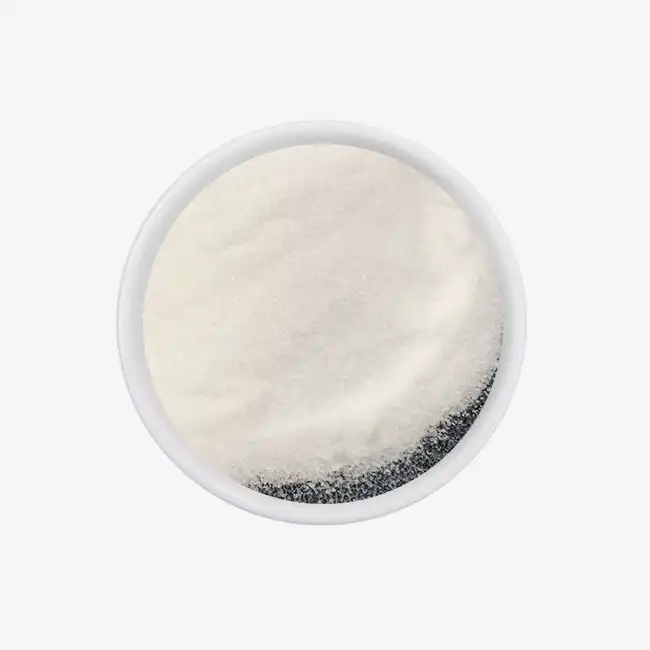
Understanding Potassium Acetate as a Runway Deicer
The science behind acetate-based runway deicers shows why they work better than other types. The molecular structure of potassium acetate (molecular weight 98.14 g/mol) releases heat when it comes into contact with ice, speeding up the melting process while also breaking the bond between the ice and the sidewalk.
Chemical Composition and Thermal Properties
Aviation-grade potassium acetate has at least 99.0% active ingredient, which means it will work the same way in all kinds of weather. The compound's hygroscopic property lets it quickly absorb water, which causes ice to form right away. When it dissolves, it creates a solution with a pH range of 9.0 to 10.5 that keeps things neutral and protects aluminum, magnesium, and cadmium, which are all sensitive aircraft metals, from rusting. A bulk density of 0.8 to 0.9 g/cm³ gives the best weight characteristics—heavy enough to stop jet blast spreading but light enough for motorized spreading tools to work well. This carefully designed density stops the expensive problem of deicer scattering in high winds, which happens a lot with lighter granular goods.
Superior Melting Rate Under Subzero Conditions
Temperature success is what sets high-end runway deicers apart from less-than-stellar alternatives. At temperatures as low as -60°C, potassium acetate crystals keep working. This meets the needs of airports in Alaska, northern Canada, and Scandinavia, where dangerously cold weather makes the runways unsafe. The product cuts through layers of ice up to 6 mm thick, forming areas of brine that weaken the ice structure and make it easier for snow sweepers to remove. Testing done at big international airports shows that the ice is gone completely within 30 minutes at -20°C when the recommended doses are used. This quick response time cuts down on delays on the ground and lessens the economic effect of flights being canceled because of bad weather.
Environmental Safety and Aviation Compliance
Concerns about the environment have completely changed how airports deice over the last ten years. Potassium acetate breaks down naturally without creating harmful ammonia. This is very different from urea-based goods, which pollute groundwater and wildlife nearby. The compound is not very harmful to water, which saves bodies of water near airports. This is very important because runoff from deicing operations often ends up in nearby streams and lakes. Compliance with regulations includes more than just protecting the earth. It also includes meeting standards for material suitability. Products that meet SAE AMS 1431E standards are put through a lot of rust tests to make sure they won't hurt carbon brakes, landing gear hydraulics, or electronics systems. Zhaoyi Chemical's production method includes strict quality control measures, such as particle size distribution analysis, corrosion sandwich testing, and heavy metal content tracking, to make sure that every batch meets these exact aviation standards.
Comparing Runway Deicing Solutions: Why Choose Potassium Acetate?
When choosing runway deicing products, procurement pros have a lot of choices. Each one performs differently and costs differently.
Performance Against Alternative Deicers
The environmental benefits of sodium acetate are similar to those of airport runway solid potassium acetate, but its freezing point is higher, reducing its usefulness to about -18°C compared to -60°C for potassium acetate. Calcium chloride and magnesium chloride are not expensive, but they do a lot of damage to airplane parts through corrosion, which means expensive fixes and a shorter useful life for the equipment. These chloride-based products also damage concrete airport surfaces, which means that they need to be resurfaced too soon, which costs a lot more overall. Urea used to be used a lot in airports across North America, but environmental laws have made it illegal to dump high-nitrogen waste into rivers. It's also not very useful below -7°C, which makes it even less useful during harsh winter events. Propylene glycol-based liquid deicers work very well at melting ice, but they need special tools to be used and stop working after a short time compared to solid granular versions.
Corrosion Impact on Airport Infrastructure
Large investments are kept safe by aviation-grade potassium acetate's resistance to rust. Manufacturers of airplanes say that corrosive deicers shorten the life of airframe parts by 15 to 30 percent. For business users, this means millions of dollars in higher replacement costs. Ground support equipment also breaks down over time, with hydraulic systems and electricity links being especially at risk. Freeze-thaw damage happens to runway concrete when chloride-based products get into the surface holes and cause flaking and structural breakdown that lowers the surface friction coefficients. According to tests done by a third party, potassium acetate has a corrosion rate on carbon steel of less than 0.03g/m²·h. This means it meets the strictest material compatibility standards set by airplane makers and airport engineering groups.
Total Cost of Ownership Analysis
The price of an item is only one part of deicing economics. Effective buying strategies look at how well an application works, how well it works with other tools, how much it costs to comply with environmental laws, and how well it protects infrastructure. Potassium acetate dissolves quickly, which cuts down on work costs by reducing the number of times it needs to be applied during long storms. The granular form works perfectly with motorized spreaders that are already in use, so there is no need to buy expensive special equipment. The storage requirements are still simple: products kept in sealed cases for 12 months in a dry, well-ventilated warehouse with humidity control will keep their quality. Standard shipping categories that don't limit dangerous materials are good for transportation planning. When facilities figure out how much it costs to fix rust on airplanes, resurface runways, and clean up the environment, potassium acetate always shows better long-term value, even though it costs more per ton than chloride options.
Best Practices for Application of Solid Potassium Acetate on Runways
To get the most out of deicing, you need to know the right way to apply it and when to do it.
Optimal Spreading Techniques and Dosage Guidelines
Rates of application depend on weather, thickness of the ice, and amount of rain or snow. When there is light snow, 50 to 100 pounds per 1,000 square feet are usually enough. When there is heavy ice, 150 to 200 pounds per 1,000 square feet may be needed. Calibrated spreading equipment makes sure that the material is spread evenly across the runway surfaces, so there are no safety gaps or wasteful over-application. Pre-wetting methods mix solid pellets with liquid potassium acetate solutions to make them stick better to sidewalk surfaces before it snows. This preventative anti-icing method lowers total product use by stopping ice from forming instead of scraping off layers that are already there. Timing is also very important. Using deicers right before or during the first stages of weather works best and causes the least damage to the environment.
Storage and Handling Best Practices
Because airport runway solid potassium acetate absorbs water, it is very important that all parts of the supply chain keep wetness away. Facilities should keep storage areas with temperatures between 10°C and 30°C and relative humidity below 60%. The goods come in 25 kg plastic weave bags or 1000 kg ton-bags that are made to keep wetness out during shipping. The people who work in the warehouse have to be careful not to tear or break packages, which would compromise the quality of the goods inside. Sealed packages keep their quality for longer periods of time, but sites that experience high seasonal demand should make sure they have enough inventory levels before the season starts. Cleaning loading equipment on a daily basis is important to keep it free of chloride-based products that could add acidic elements. Due to the compound's low toxicity, it doesn't need much protective gear for workers, but standard chemical handling procedures, such as wearing gloves and eye protection, are still recommended.
Real-World Case Studies from Major Airports
When Denver International Airport switched to acetate-based solid deicers, weather-related delays went down by 22%. This was because the deicers cleared the ice faster and provided longer-lasting protection. Scandinavian airports that work in very cold places said that potassium acetate kept working properly when the temperature dropped below -40°C, which is when other goods stopped working totally. Feedback from the ground crew stressed the material's excellent flow properties, pointing out that the optimal particle size distribution kept equipment from getting clogged and made sure that the large runway areas were evenly covered. Environmental tracking at airports near sensitive wetlands proved that acetate-based products did not cause any detectable aquatic toxicity in nearby bodies of water. This is in contrast to urea-contaminated runoff that used to cause algae blooms and oxygen loss.
Sourcing and Procuring Solid Potassium Acetate for Airport Use
Choosing a strategic provider has a direct effect on business reliability and cost management during the winter maintenance seasons.
Evaluating Certified Aviation-Grade Suppliers
Checking a supplier's SAE AMS 1431E approval is the first step in qualifying them. This is the industry standard that makes sure materials work with airplane systems and airport infrastructure. As a sign of their dedication to consistent production standards, manufacturing sites should keep both ISO 9001 and ISO 14001 environmental certificates. KOSHER and HALAL approvals show that the quality has been checked even more, and third-party laboratory testing makes sure that the product meets all of its standards. Zhaoyi Chemical is the only company in the aircraft deicing business with 30 years of experience making acetate. Our yearly production capacity of 150,000 tons guarantees a steady supply, even during the busiest winter months when smaller makers are running out of goods. In Shanxi province, our 27,000m² plant has state-of-the-art quality control labs that test each production run's batches individually. This close monitoring makes sure that the chloride content stays below 0.2%, the iron content stays below 0.05%, and the water insolubles don't go over 0.05%. These are the limits that keep airplane systems safe from damage caused by pollution.
Procurement Strategies for Bulk Purchasing
Volume agreements have big benefits for the economy because they lead to better prices and sure allocation during times of high demand. By making yearly supply deals with manufacturers instead of distributors, you can avoid markups from middlemen and secure priority production slots. It's important to plan ahead for lead times because production schedules need 5–7 working days for normal orders and 20 days for big holiday builds. Emergency response skills set premium providers apart from less-than-stellar options. We keep a buffer inventory for pressing airport needs, and our technical support team is available 24/7 and responds to purchase questions within two hours. Our relationships with foreign shipping companies give us access to low-cost freight rates and specialized container space. This makes sure that deliveries happen on time, which works with airports' yearly planning schedules.
Certification and Authenticity Verification
Using fake or low-quality airport runway solid potassium acetate deicing goods can be very dangerous and put you at risk of being sued. Managers in charge of buying things should demand full chain-of-custody paperwork that shows how goods got from being made to being delivered. Each package must come with a Certificate of Analysis document that lists the exact test results for cleanliness, chloride content, pH levels, and particle size distribution. Material Safety Data Sheets give important safety knowledge about how to handle people. Audits of supplier facilities let you directly check the quality systems and manufacturing capabilities. Because we are open and honest, we welcome customer checks and offer building tours that show our dedication to meeting aviation-grade production standards. Third-party verification through independent testing labs adds another layer of security by making sure that the materials given meet the performance requirements before the yearly rollout starts.
Future Trends and Innovations in Airport Runway Deicing
The business that deices runways is always changing as technology improves and rules are made.
Emerging Technologies and Product Innovations
The main goal of research is on making better products that provide longer-lasting protection while requiring less application. Polymer chemicals might help granules stick better to sidewalk surfaces, which could mean that they don't need to be reapplied as often during long storms. Automated sensor systems that check the temperatures and amounts of wetness in the ground allow for precise application, which maximizes product use and minimizes environmental load. Smart spreading tools that use GPS to guide them make sure they cover the whole area and avoid wasting material by overlapping. Using renewable feedstocks in sustainable production methods may finally lower manufacturing carbon footprints, meeting the needs of companies that are making more and more environmental promises.
Regulatory Trends Affecting Procurement Decisions
The Environmental Protection Agency is continuing to tighten its rules on biochemical oxygen demand discharges. This is good news for acetate-based products because they have less of an effect on water than glycol-based options. European Union rules are making it harder for airports to load nitrogen, which is speeding up the phase-out of any leftover urea-based uses. The Federal Aviation Administration regularly adds new performance standards and material specs to the Advisory Circulars that guide winter operations. Professionals in procurement need to keep an eye on these changing requirements to make sure that multi-year supply contracts are always followed. Extreme weather events are expected to happen more often because of climate change. This means that airports in areas with usually mild temperatures may need better deicing equipment than they did before.
Strategic Recommendations for Long-Term Planning
Procurement strategies that look to the future balance the needs of current operations with new changes in the business. Diversifying your supply sources lowers the chance of disruptions caused by things like factory problems or delays in shipping. Building relationships with makers that allow customization gives you the freedom to meet the specific needs of your business. Spending money to teach employees the right way to use a product makes it work better and reduces waste. Procurement teams stay up to date on new products and best practices by joining expert groups and industry associations. By comparing real product consumption to budgeted goals in yearly performance reviews, ways to improve efficiency can be found. Environmental monitoring programs show that rules are being followed and also measure the benefits to the environment, which helps with community ties and reporting on business duty.

Conclusion
Airport runway solid potassium acetate aviation-grade solid potassium acetate is the best way to deice airport runways in terms of safety, performance, and being good to the environment. Because it works well at high temperatures, doesn't corrode, and follows all the rules, it is the best choice for airports that want to improve their operations. The granular format has useful benefits in making applications work better, making saving easier, and making sure that all of your equipment can work with it. These benefits lower the total cost of ownership beyond the initial purchase price. As winter weather events get worse and environmental rules keep getting stricter, it becomes more important than ever to buy high-quality deicing materials in a planned way so that airports can stay safe and reliable during the harsh winter months.
FAQ
What makes potassium acetate suitable for airport runway deicing?
The non-corrosive nature of potassium acetate saves aluminum and magnesium parts in airplane alloys that would be damaged by chloride-based goods. It works in temperatures as low as -60°C, so it can be used in very cold weather, and the fact that it breaks down naturally means it meets environmental rules for airport release. The combination meets the SAE AMS 1431E aircraft standards, which were made especially for use on airports.
How does solid granular form compare to liquid deicer formulations?
Solid granular potassium acetate provides better residue protection because it stays active on airport surfaces for longer than liquid goods that break down or spread out more quickly. The granular format makes storage easier by getting rid of the need for warm storage tanks and special filling equipment. Pre-wetting methods that use both solid and liquid forms work best, sticking materials to the ground and stopping ice right away and for a long time.
What application rates should airports use for different conditions?
For light frost, 50 to 100 pounds per 1,000 square feet are usually enough. For moderate ice buildup, 100 to 150 pounds are enough, and for heavy ice, 150 to 200 pounds may be needed. The actual rates rely on the temperature, the thickness of the ice, the amount of rain, and the reaction time that is wanted. Based on the climate and practical needs of your building, our expert support team makes site-specific suggestions.
Partner with Zhaoyi Chemical for Your Aviation Deicing Needs
Zhaoyi Chemical brings 30 years of experience making acetate straight to your airport activities. Our solid potassium acetate is made for flight and meets strict SAE AMS 1431E standards. This will protect your planes and infrastructure expenses. We keep a large collection just for airport customers, so we can be sure we have what we need when winter storms call for quick action. Our expert team offers full application support and can help you find the best dosage rates and spreading methods to get the most out of your software. Email our aviation deicing experts at sxzy@sxzhaoyi.com to talk about the unique needs of your location and get full product specs. Whether you're seeking a trusted airport runway solid potassium acetate maker for short-term contracts or an emergency supply, our low prices and on-time deliveries will help you run your business smoothly during the winter repair seasons.
References
Society of Automotive Engineers (2019). Aerospace Material Specification AMS1431E: Compound, Solid Runway and Taxiway Deicing/Anti-icing. SAE International Standards.
Transportation Research Board (2018). Airport Winter Safety and Operations. National Academies of Sciences, Engineering, and Medicine Special Report 325.
Federal Aviation Administration (2020). Advisory Circular 150/5200-30D: Airport Winter Safety and Operations. U.S. Department of Transportation.
Klein-Paste, A. & Sinha, N.K. (2017). Comparison of Runway Deicing Chemicals: Performance and Environmental Impact. Cold Regions Science and Technology, 143, 47-55.
Environmental Protection Agency (2021). Aquatic Toxicity Testing of Aircraft and Airfield Deicers. EPA Office of Research and Development Technical Report.
International Civil Aviation Organization (2020). Airport Services Manual Part 2: Pavement Surface Conditions. ICAO Document 9137-AN/898.

USER EVALUATE
Here is the customer's evaluation of us