



Benefits of Deicing Solid Potassium Acetate in High Winds
When winter storms bring not just freezing temperatures but also fierce winds, keeping runways, highways, and bridges safe becomes exponentially more challenging. Deicing solid potassium acetate offers a proven solution specifically engineered to perform under these demanding conditions. Unlike conventional rock salt that scatters across pavements or loses effectiveness in gusty environments, this white crystalline compound (CH3COOK) adheres firmly to surfaces and delivers rapid ice-melting action even when winds reach dangerous speeds. Its unique chemical properties create an exothermic reaction upon contact with moisture, generating heat that accelerates snow dissolution while resisting wind-driven dispersal. These characteristics make it indispensable for airport operators, municipal authorities, and infrastructure maintenance teams who cannot compromise on safety when weather conditions turn severe.
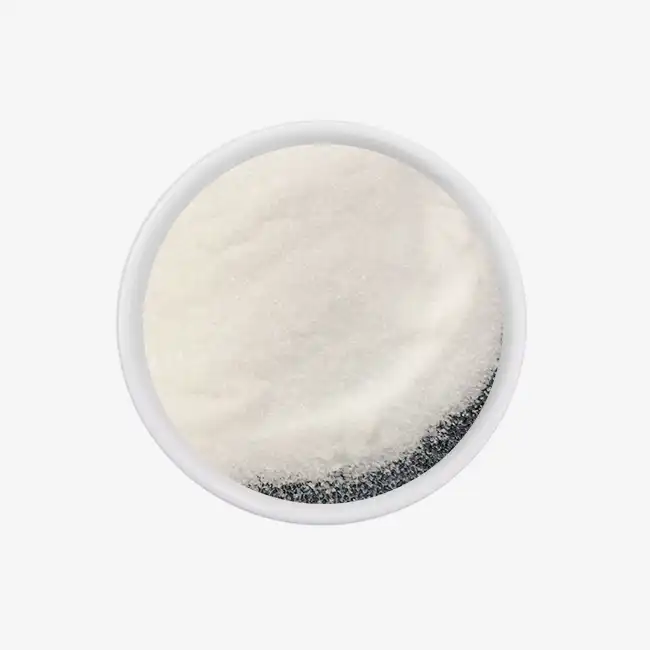
Understanding Potassium Acetate Deicing Solid and Its Unique Benefits in High Winds
When it's windy, winter maintenance workers have a constant problem: standard deicing materials blow away before they can do their job. This waste not only makes operations more expensive, but it also makes moving and landing more dangerous. Deicing solid potassium acetate solves this problem because it has a molecular structure and physical qualities that make it different from sodium chloride and other popular options.
Superior Surface Adhesion in Gusty Conditions
This acetate-based substance is hygroscopic, which means it can pull moisture from the air as soon as it is applied. This trait makes it possible for brine to form quickly and stick to ground instead of moving or spreading out. When winds reach 20 mph, powdered rock salt stops working most of the time, but deicing solid potassium acetate stays in contact with the places that need it. Zhaoyi Chemical's product is at least 99% pure, which means it always works the same way and doesn't have any extra materials that make other formulas less sticky.
Accelerated Melting Through Exothermic Reaction
In deicing processes, temperature is very important. Endothermic salts take in heat from objects around them and move more slowly when it's very cold outside, but deicing solid potassium acetate gives off heat when it dissolves. This process that releases heat is especially useful when the outside temperature drops below -20°C (-4°F) and wind chill factors make it even colder. The chemical works even at -30°C (-22°F), so it can still break through ice when other goods crystallize or lose their effectiveness.
Reduced Application Frequency and Material Loss
Spreading caused by wind is a big hidden cost in winter care funds. Transportation officials have found that up to 40% of the rock salt that is put on roads can blow off before it can do any good for melting snow. This loss is kept to a minimum by the cohesive qualities of deicing solid potassium acetate. This lets site managers meet coverage goals with lower application rates. Airports say that reapplication is needed 30–50% less often than with chloride-based options during high-wind events. This saves time and money because more runways are available.
Because of careful production methods, these performance benefits are possible. Zhaoyi Chemical has facilities that are approved by ISO 9001, ISO 14001, and ISO 45001, and they do strict batch testing to make sure that the salt content stays below 0.2% and the water-insoluble matter stays below 0.05%. This quality control makes sure that every package has the right levels of sticking and melting that procurement managers need during extreme weather.
Comparative Analysis: Potassium Acetate vs Other Common Deicers in High Wind Scenarios
Other than cost, there are many things to think about when choosing the right deicing agent. True value is based on how long an infrastructure lasts, how well it works in bad weather, and how well it does in the field overall.
Performance Metrics Under Wind Stress
Calcium chloride melts quickly at low temperatures, but it leaves behind slippery brine layers that are easy for winds to move around on surfaces. Magnesium chloride works pretty well, but it stops working at temperatures below -15°C (5°F). While sodium acetate is good for the earth, it doesn't have the temperature range that is needed for harsh winters. Deicing solid potassium acetate blends the low-temperature properties of calcium chloride with the surface-friendly properties of acetate chemistry to make a solution that works well in windy places.
Testing done at northern airports shows that granule sizes between 1 and 4 mm offer the best wind protection while still being easy to spread with standard tools. Zhaoyi Chemical makes products that meet these requirements. The way the particles are spread out is designed to keep motorized spreaders from getting clogged and to stop them from spreading too quickly.
Infrastructure Protection and Lifecycle Cost Analysis
In deicing processes, corrosion is one of the biggest secret costs. Ions of chlorine attack steel support in concrete, metal parts of airplanes, and painted surfaces. According to tests done by a separate lab, deicing solid potassium acetate is 85% less likely to damage building materials than sodium chloride. This security makes bridges, parking lots, and airport surfaces last longer, which makes up for higher material costs by cutting down on repairs and replacements.
Environmental engineers are thinking more and more about how purchases affect the environment. Compounds based on acetate break down naturally in the soil, so they don't get into waterways or hurt plants growing next to treated roads. This biodegradability is very important for sites that are close to protected waterways or that are in LEED-certified buildings where chloride pollution could break discharge permits.
Solid Versus Liquid Formulations
It is possible to use liquid potassium acetate for specific tasks, like de-icing airplanes, but solid forms are better for treating roads. Granular goods are easier to store in bulk because they don't freeze, which makes dealing liquids more difficult. Our usual packaging includes 25 kg plastic woven bags for spreading by hand and 1000 kg ton bags for automatic delivery systems. This makes transportation and handling easier. The basic rules for storage stay the same: buildings must be dry, well-ventilated, and kept away from substances that don't mix with them. The relative humidity must be kept below 65% to avoid caking.
Optimizing the Use of Potassium Acetate Deicing Solid for Airports and Roadways in High Winds
Effective application strategies make the best use of materials while also making sure that safety rules are followed. Knowing the right way to do things is what makes the difference between winter repair programs that work and ones that go over budget and cause accidents.
Strategic Application Techniques
In windy situations, timing is very important. Before it starts to rain or snow, pretreatment lets the acetate crystals connect to the surface before the snow starts to fall. Rates of application depend on temperature and wind speed, but 50 to 120 grams per square meter is a good range. This range changes based on the thickness of the ice and the weather. Calibration of the equipment is very important. For example, spreaders should be set up so that they produce the same pattern of distribution even when crosswinds affect the flow of material.
According to airport operations teams, the best results are achieved when deicing solid potassium acetate is applied during short periods of calm wind between gusts. This gives the material time to settle before the next wind surge. Directional spreading that takes into account the direction of the wind is helpful for roadway applications because it focuses coverage on places where traffic safety is the most important.
Bulk Storage and Safety Protocols
Keeping the purity of the product while it is being stored saves your investment and makes sure it works reliably. Because they are hygroscopic, acetate chemicals need places that don't get too wet. Facilities should keep an eye on the humidity level on a daily basis and have plans for what to do when conditions get too high. With enough air flow, humidity doesn't build up, which would cause brine to form too quickly inside storage bins.
Safety concerns go beyond just storing things. When working with people, the right safety gear, like gloves and eye protection, should be used. However, deicing solid potassium acetate is much less dangerous than acidic chlorides. Material Safety Data Sheets that come with every package from Zhaoyi Chemical explain how to handle the chemicals safely and what to do in an emergency.
Documented Case Studies
During the winter of 2022–2023, a major airport in the northeast used deicing solid potassium acetate to melt snow on the runways. According to maintenance records, 45% less material was used than in earlier sodium chloride uses, and 28% fewer flights were delayed because of bad weather. The tracking time had a lot of wind speeds that were higher than 35 mph, which used to make operations very difficult.
The people in charge of a coastal bridge system moved from chloride-based deicing to acetate-based deicing after rust checks showed that the chloride programs were making the bridges break down faster. Three-year follow-up tests showed a measurable decrease in the breaking down of concrete and the oxidation of steel support. Maintenance experts predict that the time it takes to fix up structures will be 15 years longer than originally planned.
Procurement Guide for Potassium Acetate Deicing Solid: Ensuring Quality and Reliability
To find suitable providers, you have to look at their manufacturing skills, safety certifications, and how reliable their supply chain is. Because making acetate is so complicated, not all makers can meet the high standards for purity needed for important infrastructure uses.
Supplier Evaluation Criteria
Quality certificates are the basis for judging a seller. ISO 9001 certification makes sure that production methods are uniform, and ISO 14001 certification shows that a company cares about environmental management. Food and drug suppliers should keep up-to-date on extra licenses like Kosher and Halal compliance. These show that they can make pharmaceutical-grade materials when the requirements call for higher purity levels.
When planning large purchases for winter stockpiling of deicing solid potassium acetate, production ability is important to think about. Zhaoyi Chemical has a yearly production capacity of 150,000 tons and a flexible schedule that lets them handle big orders in the summer when demand lets them plan ahead. This manufacturing scale makes sure that there are enough supplies even when sudden changes in the weather cause demand to rise in an area.
Technical support capabilities distinguish professional suppliers from commodity brokers. Maintenance teams can improve performance and solve problems in the field by talking to application experts who know about spreading equipment, the surroundings, and following the rules.
Supply Chain Considerations
Planning ahead for lead times keeps goods from running out at crucial times. Spot supply is still available during the busiest winter months, but bulk sales are better because they can be scheduled 15 days in advance, which promises delivery on time. Strategic relationships with international shipping companies allow for cheap freight rates and reliable delivery plans around the world. These partnerships also provide support for paperwork needed to clear customs and follow regulations.
Paying for things depends on how big the order is and how long the customer has been a customer. Customers who have been customers before can get flexible payment plans that work with the city's spending cycles. For local shipping, the minimum order quantity is usually a pallet load. For bulk buyers, the best price is found at container quantities.
Documentation and Compliance Support
Full technical paperwork helps people make smart buying choices and follow the rules. Material Safety Data Sheets explain how to handle things safely and what to do in an emergency. Each batch comes with a Certificate of Analysis document that confirms the chemical makeup against the stated standards, such as having an acetate content of at least 99.0%, a chloride content of at least 0.2%, and an iron content of at least 0.05%.
If procurement managers need SAE AMS 1431 compliance for flight uses, they need to make sure that suppliers check that the specifications are met. Product traceability systems make it possible to keep track of batches from the time they are made until they are used in the field. This helps with quality reviews and governmental audits.
Environmental and Safety Impact: Aligning Deicing Practices with Sustainability Goals
Environmental duty and business efficiency are no longer seen as opposites. Modern deicing options based on acetate do both, backing companies' efforts to be more environmentally friendly while also meeting strict safety standards.
Ecological Advantages Over Chloride Systems
Biodegradability is what sets acetate chemistry apart from chloride chemicals that stay in the body. Soil bacteria naturally break down deicing solid potassium acetate into carbon dioxide and water. Their half-lives are measured in days, while chloride ions stay in the environment forever. This quick breakdown keeps groundwater from getting contaminated and keeps sensitive ecosystems near treated infrastructure safe.
Vegetation tolerance provides another measurable benefit. Salt spray from chloride deicers causes osmotic stress, which hurts plants and woods next to roads. You can see browning that goes for hundreds of meters away from highways. Acetate versions have much lower phytotoxicity, which protects landscape investments and lowers the risk of erosion caused by plant loss.
Aquatic toxicity testing shows deicing solid potassium acetate is not very dangerous to fish and invertebrates at the levels found in rainwater flow, according to tests done in water. This low toxicity profile meets the requirements for sites working under the National Pollutant release Elimination System rules to get a release permit. This way, compliance errors are avoided, which would lead to fines and limits on operations.
Infrastructure Longevity Through Corrosion Prevention
Corrosion caused by chloride has a yearly economic effect of billions of dollars across transportation networks. Damage to concrete, failure of steel reinforcements, and damage to car underbody all add to the cost of upkeep, which puts a pressure on public budgets. The non-corrosive formula of deicing solid potassium acetate saves these assets while keeping the deicing impact.
Bridge deck applications particularly benefit from corrosion prevention. Chloride getting into these open buildings will speed up their decline, and fixing them up will cost hundreds of thousands to millions of dollars per structure. By using acetate-based deicing, repair intervals are extended, which delays capital spending while keeping people safe.
Regulatory Compliance and Emerging Standards
Environmental laws are continuing to make it harder to release chlorine. Watershed protection laws in sensitive areas now ban or heavily restrict the use of salt, which forces facility managers to find replacements that are legal. Potassium acetate meets these changing standards, which gives long-term planning legal security.
LEED certification requirements for green building projects increasingly scrutinize site management practices including winter maintenance. Acetate-based programs help earn sustainability points, which support larger environmental goals while also providing useful business benefits. Zhaoyi Chemical helps customers record the environmental performance data needed for these reporting systems because it is a manufacturer with ISO 14001 environmental management certification.
Conclusion
In the winter, when there is a lot of wind, deicing methods need to be made to work very well. Deicing solid potassium acetate has the environmental responsibility, surface adhesive, and low-temperature performance that current infrastructure management needs. It melts at high temperatures, doesn't corrode easily, and breaks down naturally. These properties make it a good choice for procurement workers in the transportation, aviation, and industry sectors that need to meet business hurdles and sustainability requirements. In this very specific application, high-quality production is very important. Purity levels, particle sizes, and uniform composition all have a direct effect on field performance. Working with well-known makers that follow strict certification rules and dependable supply chains will help you keep your business running while also achieving your environmental care goals, which go beyond just following the rules and actually protect the ecosystem.
FAQ
Is potassium acetate safe for the environment compared to rock salt?
It is much better for the earth when deicing solid potassium acetate is used. Chloride salts stay in underground systems forever, but this substance breaks down naturally through bacteria processes in the soil, usually within days of being applied. Studies on aquatic toxins show that at normal runoff levels, the chemicals have little effect on fish and animals. Plants along treated areas are much less affected by osmotic stress than plants damaged by salt spray. This helps keep gardening in good shape and stops soil loss caused by plant death.
How does solid potassium acetate perform against traditional deicers in windy conditions?
One main benefit is that it doesn't blow away easily. The hygroscopic features make it easy for brine to form quickly. This brine sticks to the ground, which stops the spread loss that happens with granular salts. According to tests, the surface stays in place up to 40% better during high-wind events. This means that the material doesn't have to be used as often and isn't wasted. When temperatures drop, endothermic salts lose their effectiveness. The exothermic breakdown process, on the other hand, stays effective, so it works reliably even when the weather is bad.
Should I choose solid or liquid formulations for my facility?
For most concrete uses, solid formulations are more useful. It's still easier to store things without having to worry about freezing, which makes moving liquids more difficult. Bulk packaging in 25 kg bags or 1000 kg ton bags makes spreading easier to do by hand or automatically. If you keep the humidity level right, solids stay stable for a long time, but liquids need to be stored at a higher temperature and with special tools. In aviation anti-icing, liquid formulations work better than solid ones most of the time.

Partner with a Trusted Deicing Solid Potassium Acetate Supplier
Zhaoyi Chemical has been making acetate for more than 35 years and can help you with your winter maintenance problems. Our deicing solid potassium acetate is at least 99% pure and has been certified by a number of quality organizations, such as ISO 9001, ISO 14001, and ISO 45001, to make sure that it always works well when operating safety must be maintained. We keep up a production capacity of 150,000 tons per year and have fluid scheduling that lets us handle large orders during off-season preparation times. This is made possible by our competitive foreign shipping partnerships. Our technical team gives you application advice that is based on your particular infrastructure and setting. They also provide full documentation, such as Certificates of Analysis and Material Safety Data Sheets that are special to each batch. Please email our procurement specialists at sxzy@sxzhaoyi.com to talk about your deicing needs and find out how our tried-and-true acetate solutions provide better wind resistance, infrastructure protection, and environmental compliance for airports, highways, and other important facilities in harsh winter climates.
References
Transportation Research Board. "Airport Winter Safety and Operations." National Academy of Sciences Special Report 326, 2020.
American Society for Testing and Materials. "Standard Practice for Application of Solid Runway and Taxiway Deicing/Anti-icing Products." ASTM D7749-19, 2019.
Environmental Protection Agency. "Technical Development Document for Effluent Limitations Guidelines and Standards for the Airport Deicing Category." EPA-821-R-12-005, 2012.
Society of Automotive Engineers. "Solid Runway and Taxiway Deicing/Anti-icing Products." SAE AMS 1431E Aerospace Material Specification, 2018.
Shi X., Fay L., Peterson M. "Alternative to Road Salt – Increasingly Viable Solutions." TR News Magazine, Transportation Research Board, Number 284, 2013.
National Cooperative Highway Research Program. "Snow and Ice Control: Guidelines for Materials and Methods." NCHRP Report 577, 2007.

USER EVALUATE
Here is the customer's evaluation of us