



Airport Runway Deicing: Why Solid Potassium Acetate Wins
When it gets really cold and winter storms are a threat, airport workers have to make a very important choice: which deicing agent to use. In North America and Europe, airport runway solid potassium acetate has become the standard. This organic salt compound melts ice better than any other compound down to -60°C and keeps sensitive airplane parts from rusting. Potassium acetate is a biodegradable, environmentally friendly option to chloride-based deicers that damage landing gear and metal structures. It meets strict SAE AMS 1431 standards without lowering operating safety or efficiency.
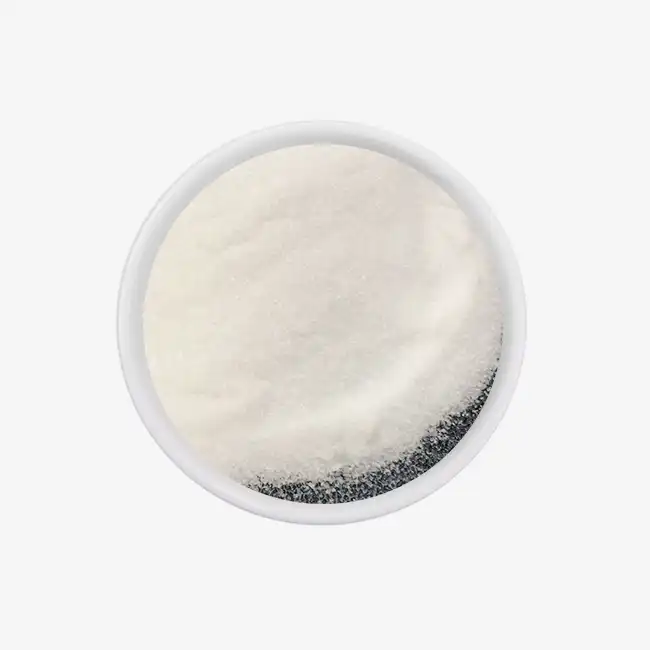
Understanding Potassium Acetate for Airport Runway Deicing
For aviation deicing to work, you need special chemicals that can remove ice quickly while also being safe for the materials. Airport runway solid potassium acetate (CH₃COOK) is unique because of the way its molecules are structured and how well they handle heat, which makes them perfect for use on runways.
Chemical Properties That Drive Performance
The 98.14 g/mol molecular weight white crystalline substance dissolves very easily in water and forms a useful brine solution when it comes in touch with ice. When airport runway solid potassium acetate is put on frozen surfaces, it starts an exothermic reaction that gives off heat that speeds up the melting process. Because of this thermochemical advantage, the material can go through layers of ice up to 6 mm thick, making pockets of salt water that weaken the bond between the ice and the sidewalk.
The product works reliably at -60°C, where other deicers fail, showing that it can handle high temperatures. This low eutectic point is much lower than urea's limited -7°C barrier. This fills in an important operating gap during the harsh cold snaps that happen a lot in northern airports. The 15% solution has a pH range of 9.0 to 10.5 which means it can be used on both concrete runways and asphalt taxiways without breaking down chemically over time.
Strategic Differences Between Solid and Liquid Formulations
Both solid and liquid airport runway solid potassium acetate are used in aviation buildings, but they are used for different tasks. In very cold weather, where liquids could freeze before they can be used, solid powders are better. The best particle weight is between 0.8 and 0.9 g/cm³, which stops wind scattering during application and makes sure there is enough spread of the area.
Solid versions work great for pre-treatment situations because they let ground teams set up a barrier of protection before it starts to rain. Because the crystals are hygroscopic, they can quickly take in water from the air around them. This starts the deicing process before any snow falls. Logistics teams like that it's easier to store and that it can last for two years if kept in dry, well-ventilated buildings.
Environmental Advantages Over Traditional Deicers
Calcium chloride and sodium chloride, which are chloride-based salts, are no longer used at airports because they damage airplane metal and the environment around them. These common chemicals speed up rust on magnesium parts, aluminum airframes, and cadmium-plated landing gear, which means more expensive repairs and a shorter useful life for the equipment.
Airport runway solid potassium acetate naturally breaks down without giving off dangerous ammonia, which is a big improvement over goods made from urea. Studies of the environment show that the runways have little effect on groundwater and plants near the runways. The chemical is safe for the climate and follows the rules that are getting stricter in both the European and North American aircraft markets. For airports that want to get sustainability certifications, airport runway solid potassium acetate is a must-have for meeting green operations standards and staying ready to go in the winter.
Key Benefits of Solid Potassium Acetate in Runway Treatment
When aviation facilities choose airport runway solid potassium acetate, they get measurable operating changes that make things safer, save money, and meet their sustainability goals. These benefits are especially clear during the tough winter months, when the number of available runways has a direct effect on income and passenger happiness.
Rapid Ice Melting and Safety Enhancement
When there is bad weather, ground operations teams like how quickly solid granules can be used. Within minutes of application, the exothermic reaction starts, quickly recovering the high friction coefficients needed for safe landings and takeoffs of airplanes. Studies done at big northern airports show that airport runway solid potassium acetate-treated runways reach their minimum braking action rates 40% faster than surfaces treated with other products.
The material's ability to keep working at -60°C means that it will keep protecting you during polar vortices and long times of cold weather. This dependability stops the chain of delays and cancellations that hurt airline relationships and passengers' trust. Air traffic controllers say that sites that use airport runway solid potassium acetate have fewer diversions and go-arounds than airports that use options that are limited by temperature.
The low toxicity rating is good for places where people load and unload and for busy aprons. Exposure of ground workers to the compound doesn't pose many health risks, in contrast to urea dust, which can irritate the lungs, and chloride solutions, which can be harmful if they come into touch with the skin. Because it doesn't corrode, it protects the hydraulic systems on ground support trucks. This keeps equipment from breaking down, which could delay return times.
Infrastructure Protection and Longevity
The most important financial gain of using airport runway solid potassium acetate is keeping airplanes in good shape. During routine repair checks, airlines that use tracks that have been cleaned report a lot fewer corrosion issues. The safety goes beyond the airframes and includes parts that are especially likely to be damaged by chloride, like the landing gear sections, brake systems, and auxiliary power units.
When only acetate-based deicers are used to treat runway concrete and asphalt, the surfaces last longer. Airports that have used airport runway solid potassium acetate for 15 years or more have less spalling, gravel exposure, and joint damage than airports that have used different types of deicers in the past. This longer surface life puts off capital improvement projects and lowers the total cost of ownership for airports that are trying to stretch their limited funds for infrastructure.
The non-corrosive climate is good for lighting systems, signs, and guiding gear. The purity of electrical connections and metal housings lasts longer, which lowers the number of replacements needed and raises the reliability of the system. Maintenance offices say that fewer emergencies need to be fixed during the winter, which lets workers focus on preventative tasks instead of fixing problems after they happen.
Environmental Stewardship and Regulatory Compliance
Airport runway solid potassium acetate is necessary for airports that want to get environmental management certifications to meet strict standards for waste quality. Biodegradable means that the recipe breaks down naturally with microbes, so it doesn't stay in the soil or groundwater. Monitoring data from treatment plants that handle stormwater from airports shows that biological and chemical oxygen demands are much lower than at sites that use older deicer products.

Concerns about air quality are taken away when urea is used because it doesn't release dangerous ammonia. Communities nearby and environmental advocacy groups see airports that use airport runway solid potassium acetate as good environmental stewards. This is good for public relations and makes it easier to get approvals for growth projects. When reviewing permit renewals and environmental effect assessments, regulatory bodies like the use of acetate.
Metrics that show a smaller impact on the environment are helpful for sustainability reports. Corporate responsibility teams keep track of fewer accidents involving handling dangerous materials, less waste, and better compliance tracking records. These changes make airports more competitive when airlines judge facility partners based on environmental performance factors, which are becoming more and more important to passengers and business travel offices that care about the environment.
Procurement Guide: How to Source Quality Solid Potassium Acetate for Airports?
Deicing programs that work rely on building trusting relationships with airport runway solid potassium acetate manufacturers that can meet the standards of the aviation business. For multi-year contracts, procurement workers have to look at a lot of factors to make sure the quality of the product, the dependability of delivery, and the cost-effectiveness of the deal.
Quality Specifications and Testing Standards
Aviation-grade airport runway solid potassium acetate has to meet the standards set by SAE AMS 1431E, which is the standard for materials used to melt ice on runways. Important quality standards include a minimum of 99.0% potassium acetate content and tight limits on contaminants that could hurt performance or damage the airplane. The amount of chloride must not be more than 0.2%, because even small amounts can cause rusting. Having an iron level below 0.05% keeps the material from discoloring and makes sure it works with aluminum airplane parts.
The way particles are distributed affects how well an application works and how well it stands up to wind. Optimized granule size keeps them from scattering too much during mechanical spreading and makes sure they dissolve quickly when they come in touch with ice. A water-insoluble content of less than 0.05% ensures clean freezing with no leftover material that could make the runway less slippery or clog drainage systems.
Reliable providers keep their ISO 9001 quality management certifications up to date and test each batch of their products before they are sent out for production. Before taking deliveries, make sure you have records of analysis that show the products meet the requirements. Contracts for buying things should include quality assurance clauses that let airport testing labs compare the product's features to the listed specs and offer solutions for packages that don't meet the requirements.
Packaging and Logistics Considerations
For bulk airport operations, 1000 kg ton bags are often used because they are easy for machines to handle and cut down on packaging trash. These big barrels work well at airports that have special places to store deicing materials and front-loading machines. Smaller businesses may like 25 kg weaved bags because they can be distributed by hand and make it easier to rotate merchandise.
Because airport runway solid potassium acetate is hygroscopic, it needs to be stored in a way that keeps out moisture. Suppliers should offer sealed, multi-layer bags with vapor shields that keep wetness out during storage and shipping. Check the warehouses to make sure they have enough air flow, temperature control, and shelter from direct rain. Material that is kept properly will keep working for 24 months, but buying teams should set up rotation rules to make sure that older inventory is used first.
Logistics in transportation affect both price and supply dependability. Manufacturers who already have good relationships with foreign freight companies can offer cheap shipping rates and sure container space during the busy months of getting ready for winter. Talk about lead times carefully, keeping in mind that production schedules need between 5 and 7 working days for normal orders and 20 days' notice for big seasonal orders. Emergency reaction capabilities, such as backup sources for raw materials and different logistics plans, protect against supply delays during important times.
Supplier Evaluation and Partnership Development
When choosing manufacturing partners, you have to look at more than just the product specs and prices. Companies that have been making chemicals for decades bring important technical know-how and stable operations. Shanxi Zhaoyi Chemical Co., Ltd. was established in 1988 and has been making acetate for more than 30 years. They have the industry knowledge and production capacity that are needed for airport supply partnerships to be stable. Their ability to produce 150,000 tons per year ensures constant supply, even during winter months when demand is high.
Portfolios of certifications show a dedication to quality and market access. Certifications like ISO 9001, ISO 14001, and ISO 45001 show that a company has strong processes for quality control, environmental duty, and occupational health. Even though KOSHER and HALAL certificates are mostly used for food-grade products, they show that the manufacturing process is disciplined and that pollution is controlled, which is good for aviation-grade production. Suppliers with more than one certification usually have more advanced quality systems than firms with only one certification.
The ability to provide technical help sets special sellers apart from commodity vendors. Check how quickly the company responds to questions. Professional companies offer technical support 24 hours a day, seven days a week, and promise an answer within two hours. Suppliers should give advice on how to use their products, help with calibrating tools, and offer customization services for unique needs. Joint development projects let airports work together to make changes to the formula that take into account things like weather conditions or practical limitations.
When negotiating a contract, the parties should talk about ways to keep prices stable, savings for buying in bulk, and help with managing supplies. Progressive sellers keep backup stock that is only for hired customers. This way, customers can get what they need quickly when supplies run out. Before signing contracts, talk about payment terms, currency choices, and signs of financial security. References from current customers, especially airports with similar business profiles, are a great way to find out how reliable a seller is and how well they solve problems.
Conclusion
The ideal mix of efficiency, safety, and environmental stewardship for current aviation sites is represented by airport runway solid potassium acetate. Its greater efficiency at low temperatures, non-corrosive properties, and biodegradable makeup solve the most important problems airport owners face during the winter. When procurement teams are looking at different deicing options, they should give more weight to providers who offer aviation-grade specifications, solid logistics, and full expert support. As rules about the environment get stricter and operating standards change, airports that use acetate will be at the front of environmentally friendly winter operations while still providing the safety and dependability that planes and customers demand.
FAQ
What Makes Potassium Acetate Superior to Urea for Runway Deicing?
Unlike urea, which can only work at temperatures as low as -7°C, airport runway solid potassium acetate works well at temperatures as low as -60°C, so it can be relied on to work well in very cold weather. The compound breaks down naturally, so it doesn't pollute the earth or waters with ammonia. Aviation officials know that acetate doesn't corrode, which protects aircraft parts. Urea, on the other hand, breaks down aluminum and magnesium metals that are commonly used to build airplanes. Because these products work better and are better for the earth, airports all over the world have switched away from urea-based goods.
How Should Airports Store Solid Potassium Acetate?
Facilities must maintain storage dry and well-ventilated to keep goods safe from direct rain and wetness. Because airport runway solid potassium acetate is hygroscopic, it needs to be kept in covered containers and the humidity must be kept below 60% relative humidity. Deicing products should be kept away from chemicals that aren't compatible with them in storage areas, and temperatures should be kept within the manufacturer's guidelines. When stored correctly, it can last up to 24 months, keep its full deicing power, and avoid clumping, which makes mechanical application harder.
What Certifications Should Buyers Verify When Sourcing Aviation-Grade Product?
Suppliers with a good reputation keep SAE AMS 1431E compliance documents and ISO 9001 quality management approval. More ISO 14001 certifications for environmental management and ISO 45001 certifications for workplace health show that the business is running at a high level overall. Check the purity levels, contaminant limits, and physical qualities of each output batch by asking for certificates of analysis. When an airline buys something, they should look for manufacturers with a history of happy customers and expert help that can answer questions about applications and solve problems with operations.
Partner with Zhaoyi Chemical for Reliable Airport Runway Solid Potassium Acetate Supply
Shanxi Zhaoyi Chemical Co., Ltd. makes aviation-grade deicing products and has been making acetate for over 35 years and can make 150,000 tons of it every year. Our airport runway solid potassium acetate meets the strict SAE AMS 1431 standards. It is guaranteed to be 99.0% pure and has the right particle size for mechanical application systems. We have many certificates, such as ISO 9001, ISO 14001, and ISO 45001, which show that we are committed to quality and the environment. Our flexible packing choices, sure delivery times, and technical help that answers operating questions within two hours, 24 hours a day, seven days a week, are all good for procurement teams. Whether you need big seasonal contracts or emergency supply plans, our established transportation partnerships and safety stock programs make sure that you will always have access when winter weather calls for quick action. Get in touch with our aviation deicing experts at sxzy@sxzhaoyi.com to talk about your facility's unique needs and find out why top airports trust Zhaoyi Chemical as their reliable provider.
References
Society of Automotive Engineers. "SAE AMS 1431E: Solid Runway and Taxiway Deicing/Anti-icing Compound, Non-Urea Based." SAE International Aerospace Standards, 2018.
Transportation Research Board. "Airport Winter Safety and Operations." National Academies of Sciences, Engineering, and Medicine Special Report 312, 2012.
Federal Aviation Administration. "Advisory Circular 150/5200-30D: Airport Winter Safety and Operations." U.S. Department of Transportation, 2019.
European Aviation Safety Agency. "Certification Specifications and Acceptable Means of Compliance for Aerodromes Design." EASA CS-ADR-DSN Issue 4, 2020.
Environmental Protection Agency. "Revised Effluent Limitations Guidelines and Standards for the Airport Deicing Category." Federal Register Vol. 77, No. 68, 2012.
International Civil Aviation Organization. "Annex 14 to the Convention on International Civil Aviation: Aerodromes Volume I Aerodrome Design and Operations." ICAO Seventh Edition, 2016.

USER EVALUATE
Here is the customer's evaluation of us